Is the Roma Pass Worth It in 2026? The Honest Math

Every week a guest asks us some version of the same question: "Should I get the Roma Pass?" It sounds like it should have a simple answer. It is the city's official tourist card, it bundles sights with unlimited public transport, and every blog seems to recommend it. But when we actually sat down and ran the 2026 numbers — real prices, for the sights a first-timer actually visits — the result was blunt: for most first-time visitors, the Roma Pass now costs you more than booking everything yourself.
That was not always true. The pass used to be a marginal win for a well-organised traveller. Then the prices moved — the pass went up, Rome's transport tickets went up in July 2025, and the arithmetic quietly flipped. This guide does the maths in the open, so you can see exactly where every euro goes, and then covers the two narrow situations where a pass genuinely does pay off. No affiliate fog, no "it depends" hedging. Just the numbers.

What the Roma Pass Actually Is in 2026
The Roma Pass is the official city card, sold by Rome's tourism board and at museum desks around town. In 2026 it comes in two versions:
- Roma Pass 48 hours — €38. Free entry to your first museum or archaeological site, unlimited ATAC public transport (metro, buses, trams) for 48 hours, and reduced-price entry at further participating sites.
- Roma Pass 72 hours — €62.90. Free entry to your first two sites, unlimited public transport for 72 hours, and the same reduced-price entry afterwards.
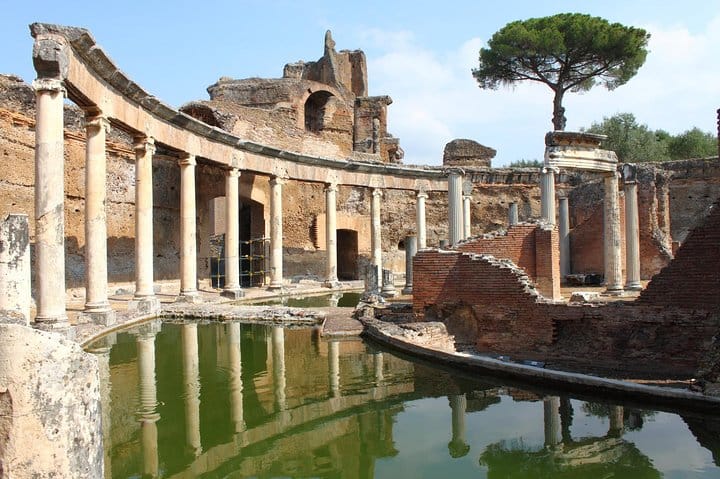
The list of participating sites is genuinely long — 45-plus, including the Colosseum with the Roman Forum and Palatine Hill, the Borghese Gallery, Castel Sant'Angelo, the Capitoline Museums and the Baths of Caracalla. The clock starts at first use, not at purchase, which is a small mercy. So far, so reasonable.
The problems are what is not on the list, and what the pass quietly still requires you to do.
The Number One Misconception: the Vatican Is Not Included
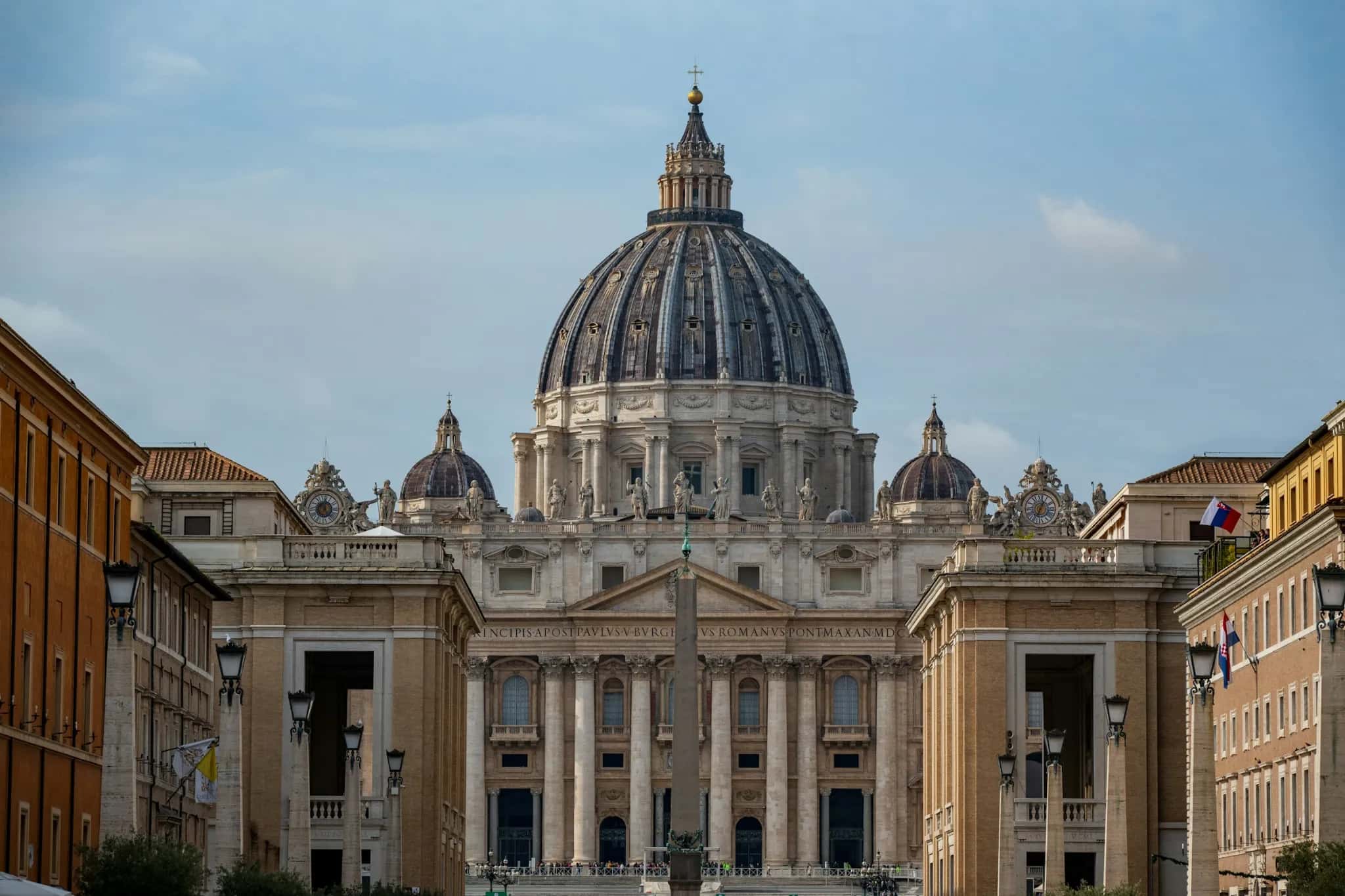
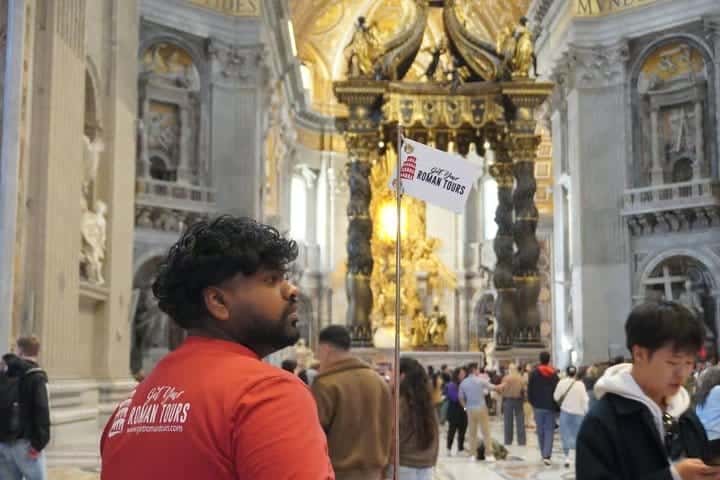
We cannot say this loudly enough, because we meet people at the Vatican Museums entrance every single week who found out the hard way. The Roma Pass does not include the Vatican. Not the Vatican Museums, not the Sistine Chapel, not St. Peter's dome. Nothing.
The reason is simple once you hear it: the Vatican is a separate sovereign state. Rome's city card has no authority there, any more than a Paris museum pass would get you into Belgium. But because "the Vatican" and "Rome" blur together in most travellers' minds — and because some resellers are less than clear about it — this remains the most expensive misunderstanding in Roman tourism.
For a first-timer, this single exclusion does most of the damage to the pass's value. The Vatican is usually the second-biggest line item of a Rome trip, and the pass contributes exactly nothing towards it. Our guide to seeing the Vatican Museums' highlights without getting lost covers how to plan that day properly.
The Colosseum Gotcha: a Pass Is Not a Reservation
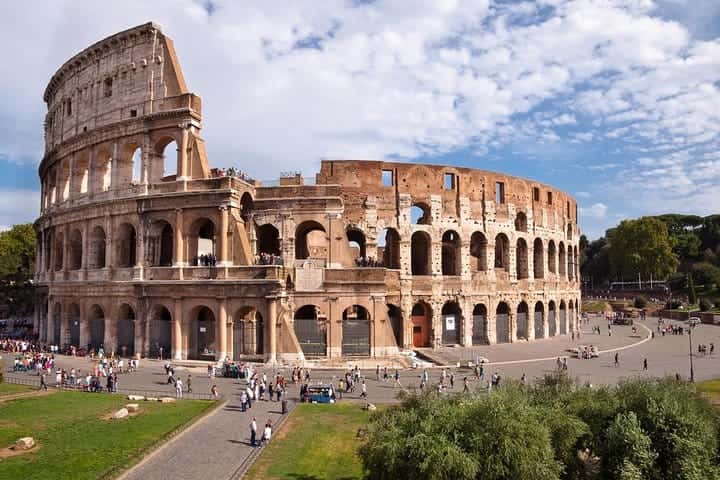
Here is the second surprise, and it catches even careful planners. The Colosseum caps daily entries, and every visitor needs a timed reservation — including Roma Pass holders. Holding the pass entitles you to the entry; it does not hold you a slot. You still have to go to the official Colosseum ticketing system, pick a date and time as a pass holder, and pay a small reservation fee.
In peak season this matters enormously. Pass-holder slots come from the same limited daily pool as everyone else's, and in spring and summer 2026 they routinely vanish one to two weeks out. We have met visitors holding a €62.90 pass who could not use it at the one sight they bought it for, because they assumed the card was the ticket. It is not.
The Honest Math: a Real First-Timer's 3 Days
Let's price the trip most first-timers actually take. Three days, the classic list: Colosseum with Forum and Palatine, the Vatican Museums and Sistine Chapel, the Borghese Gallery, and getting around town. We will price it twice — once booking everything à la carte, once with the 72-hour Roma Pass — using real August 2026 prices.
Option A: booking everything yourself
- Colosseum + Roman Forum + Palatine Hill: €18 (standard 24-hour combined ticket).
- Vatican Museums + Sistine Chapel: €20 + €5 mandatory online booking fee = €25.
- Borghese Gallery: €16 + €2 mandatory reservation fee = €18 (entry is by timed 2-hour slot; it sells out weeks ahead — reserve Borghese skip-the-line tickets early).
- Transport, 72-hour ATAC ticket: €22 (2026 price, after the July 2025 fare rise).
- Total: €83 per adult.
Option B: the same trip with a 72-hour Roma Pass
- Roma Pass 72h: €62.90 — covers the Colosseum as free site number one, the Borghese Gallery as free site number two, and all your transport.
- Borghese reservation fee: €2 (still mandatory, pass or no pass).
- Colosseum timed reservation: still required, small fee on top.
- Vatican Museums + Sistine Chapel: €25 — not included, bought separately exactly as in Option A.
- Total: roughly €90 per adult.
Read that again, because it surprises most people: the pass version of the identical trip costs about €7 more. And that is the pass's best-case scenario, where you feed it your two most expensive eligible sights and ride transport for three full days.
Now make it realistic. Rome's historic centre is compact — Pantheon to Trevi is an eight-minute walk, Trevi to the Spanish Steps another ten. Most first-timers staying centrally take the metro perhaps twice a day, not constantly. Swap the €22 unlimited ticket for six single €1.50 BIT tickets (€9) and Option A drops to €70. The gap widens to €20 per person — €80 for a couple. That is a very good dinner in Trastevere you just handed to a plastic card.
And the 48-hour version?
The short pass fares even worse. €38 buys you one free site and 48 hours of transport. Take the Colosseum (€18) as your site and a €15 48-hour transport ticket, and the à-la-carte equivalent is €33 — the pass is €5 more expensive from the start, and that is with maximum transport use. Choose a cheaper first site, or walk more than you ride, and the loss grows. There is no realistic 48-hour combination in 2026 where the maths favours the pass for a typical visitor.

Popular tours & tickets
Roma Pass vs Omnia Card vs Go City, Briefly
Because the Vatican gap is so obvious, an ecosystem of bigger passes has grown up to plug it. Two come up constantly.
The Omnia Card (€149)
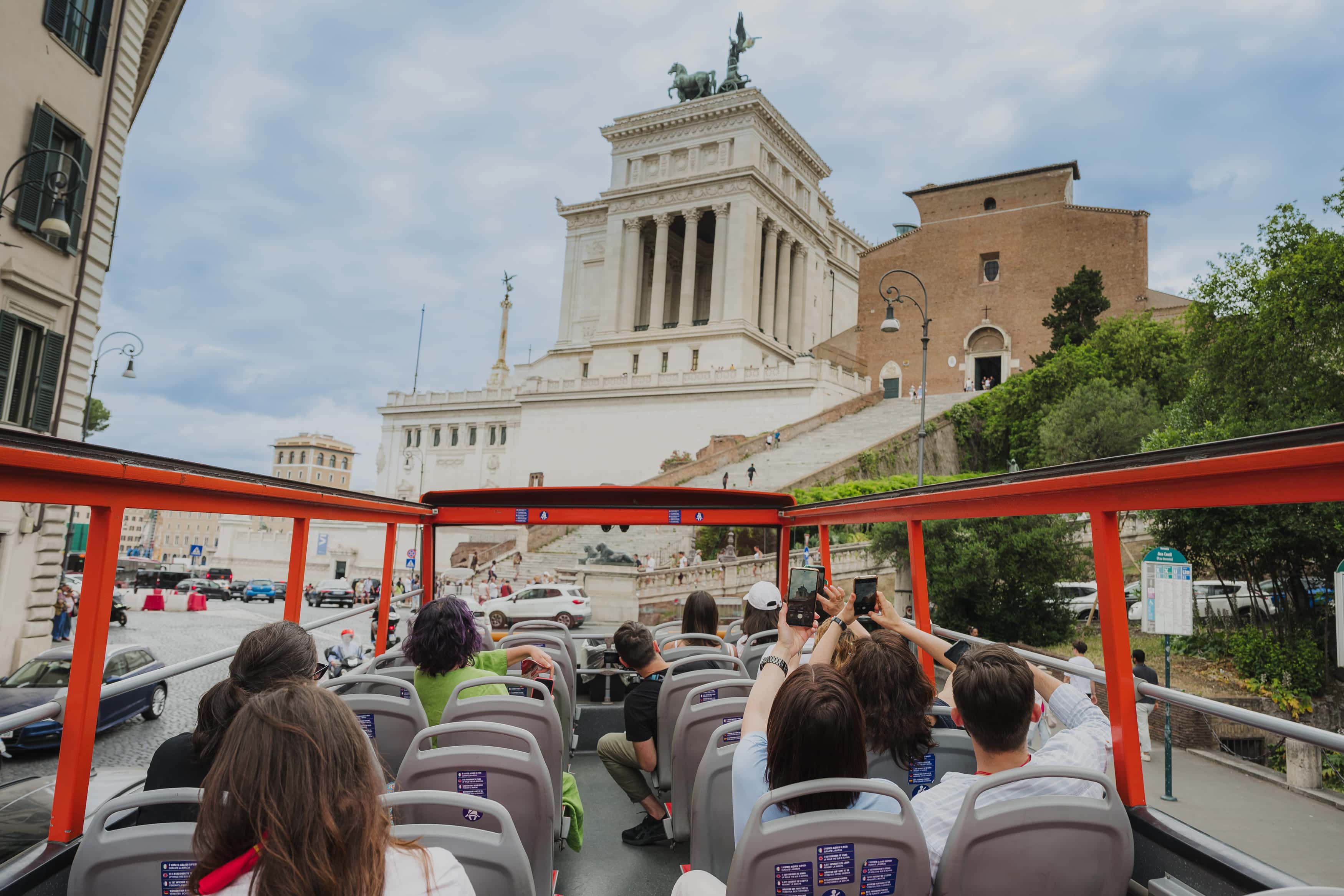
The Omnia Vatican and Rome Card is essentially a 72-hour Roma Pass with a Vatican layer stapled on: Vatican Museums and Sistine Chapel entry, a St. Peter's audio guide, St. John Lateran, the Carcer Tullianum, plus a hop-on hop-off bus ticket. Price in 2026: €149 per adult.
Run our same worked example against it. Everything on the first-timer list, booked separately, came to €83 — add a 3-day hop-on hop-off ticket and you are still comfortably under €120. The Omnia asks €149. You are paying a premium of €30-plus for an audio guide, two minor sites and the convenience of one purchase. If you genuinely wanted the open-top bus anyway — and our honest hop-on hop-off guide covers who actually does — the gap narrows, but it never quite closes. Buying the bus separately (Green Line hop-on hop-off tickets or the Big Bus version) and the sights individually beats the Omnia for almost everyone.
Go City Rome Explorer Pass
Go City works differently: you buy a bundle of two to seven "choices" and redeem them against a menu of attractions and tours. It can save real money — but only if you spend your choices on the expensive items on its menu, like guided tours and day-trip experiences, rather than cheap entries. Redeem a choice against a €15 site and you have overpaid; redeem it against a €60 tour you would genuinely have booked and it earns its keep. It also does not solve reservations: capacity-controlled sights still need slots booked ahead. It is a niche tool for tour-heavy itineraries, not a default recommendation.
When a Pass Genuinely Wins
We promised honesty, and honesty cuts both ways: there are two real profiles for whom the Roma Pass still pays, plus one half-case.
- The heavy transit user. Staying out near EUR, Monteverde or beyond Termini, riding the metro and buses four or more times a day, doing three full days of criss-crossing? You would buy the €22 unlimited ticket regardless — so the 72h pass effectively sells you the Colosseum and Borghese for €40.90 combined against €36 face value plus fees. The pass roughly breaks even and buys convenience: one card, no ticket machines, tap and go.
- The Borghese and Castel Sant'Angelo devotee. If your two free sites are the Borghese Gallery (€18 with fee) and Castel Sant'Angelo (around €16) and you will genuinely use the transport, you extract close to the pass's full face value — and you can then add the Colosseum at the pass holders' reduced rate. This is the strongest honest configuration the card has. Read up on Villa Borghese and its famous gallery before you commit — the gallery rewards preparation, and a private Borghese tour is the deeper way in if art is why you came.
- The half-case: repeat visitors. Already seen the Colosseum and Vatican? A trip built on the Capitoline Museums, Baths of Caracalla and Ostia Antica — all on the pass list, none capacity-crunched — plus lots of transit is exactly what the card was designed for. It works fine for that traveller. That traveller is just not who the pass is marketed to.
Notice who is missing from that list: children and teens. Under-18s enter state sites like the Colosseum free anyway, and kids under 10 ride Rome's public transport free with an adult — so a family buying passes for everyone is usually double-paying for entries the younger members already get for nothing.

The Verdict
For a first-time visitor doing the classic Colosseum–Vatican–Borghese trip: no, the Roma Pass is not worth it in 2026. Booking à la carte saves €7 to €20 per person, and — more importantly — forces you to make the timed reservations that the big sights require anyway. The pass adds a layer of admin (you still reserve the Colosseum, you still reserve Borghese, you still buy the Vatican separately) while charging you a premium for it.
Buy the pass only if you match one of the profiles above: heavy daily transit use, or an itinerary built around Borghese, Castel Sant'Angelo and the city's museums rather than the Vatican. Otherwise, put the money where it actually changes your trip: timed entries booked early, and one good guided experience at the sight you care most about. Our guides to skipping the lines in Rome and doing Rome on a budget cover the rest of that playbook, and if you are still shaping your days, the 2, 3 and 4-day Rome itineraries slot the bookings into a sane order.
A pass is a bet that you'll out-visit its price. In Rome, the house usually wins — the sights that matter most either aren't on the card or need a reservation the card doesn't give you.- Get Your Roman Tours
Frequently Asked Questions
Is the Roma Pass worth it in 2026?+
For most first-time visitors, no. At 2026 prices (€38 for 48 hours, €62.90 for 72 hours) the pass costs more than booking the same sights and transport individually — our worked example above comes out €7–€20 per person cheaper à la carte. It only pays off for heavy public-transport users or itineraries built around Borghese, Castel Sant'Angelo and the municipal museums rather than the Vatican.
Does the Roma Pass include the Vatican Museums and Sistine Chapel?+
No — this is the single biggest misconception about the card. The Vatican is a separate sovereign state, so no version of the Roma Pass covers the Vatican Museums, the Sistine Chapel or St. Peter's dome. You need a separate ticket (€20 plus €5 booking fee in 2026), and in high season you should book it days or weeks ahead.
Do I still need a Colosseum reservation with the Roma Pass?+
Yes. The Colosseum caps daily entries and every visitor, pass holder or not, must book a timed slot in advance through the official ticketing system (a small reservation fee applies). Pass-holder slots draw from the same limited pool and sell out one to two weeks ahead in peak season — the card is your entry entitlement, not your reservation.
What is the difference between the Roma Pass 48 and 72 hours?+
The 48-hour pass (€38) includes one free museum or archaeological site plus unlimited public transport for 48 hours; the 72-hour pass (€62.90) includes two free sites and 72 hours of transport. Both give reduced-price entry at further participating sites afterwards. On pure 2026 arithmetic the 48-hour version is the weaker deal — its à-la-carte equivalent costs about €33.
Is the Omnia Card better than the Roma Pass?+
The Omnia Card (€149) fixes the Roma Pass's Vatican gap by bundling a 72-hour Roma Pass with Vatican Museums entry, a St. Peter's audio guide and a hop-on hop-off bus ticket. But the same trip booked separately — including the bus — comes in around €30 cheaper. It only approaches break-even if you would genuinely have bought every single component, especially the open-top bus.
What is the cheapest way to see Rome's main sights?+
Skip the passes and book direct, early: Colosseum standard ticket €18 (includes Forum and Palatine), Vatican Museums €25 with booking fee, Borghese €18, Pantheon €5 — about €66 of entries for the full classic list. Walk the compact centre, use €1.50 single transport tickets when needed, and put savings toward one guided experience where context matters most. Our Rome-on-a-budget guide breaks the whole approach down.
Escrito por
Get Your Roman Tours
Somos un turoperador con licencia con sede en Roma (Get Your Roman Tours S.R.L.S.). Nuestros guías realizan visitas en estos lugares cada semana: todo lo que hay aquí viene de la experiencia, no de la investigación. Sobre nosotros · Pregúntanos lo que quieras