Roma con Presupuesto Ajustado: Cómo Ver la Ciudad Eterna Sin Gastar de Más

Roma tiene fama de vaciar carteras, y puede hacerlo — si dejas que las calles alrededor de los grandes monumentos tomen las decisiones por ti. Pero esto es lo que te enseña una década viviendo y guiando aquí: algunas de las cosas más inolvidables de esta ciudad son completamente gratuitas, y las que cuestan dinero rara vez necesitan costar tanto como acaban pagando los turistas.
Esta es la Roma con presupuesto ajustado que realmente recomendamos a los amigos. No una versión triste de fideos instantáneos cada noche — una versión inteligente, donde ves el Panteón y la Trevi y comes pasta genuinamente excelente, y simplemente dejas de pagar el impuesto turístico que atrapa a todo el que no sabe hacerlo mejor.
Lo que Realmente Es Gratis en Roma (Más de lo que Piensas)
Empieza por aquí, porque la lista de cosas gratuitas es larga e incluye algunos de los mejores momentos de cualquier viaje.
- Todas las fuentes y plazas famosas. La Fontana di Trevi, la Piazza Navona, la Plaza de España, el Campo de' Fiori — sin entradas, nunca. Lee sobre la Trevi, la Piazza Navona y el Campo de' Fiori.
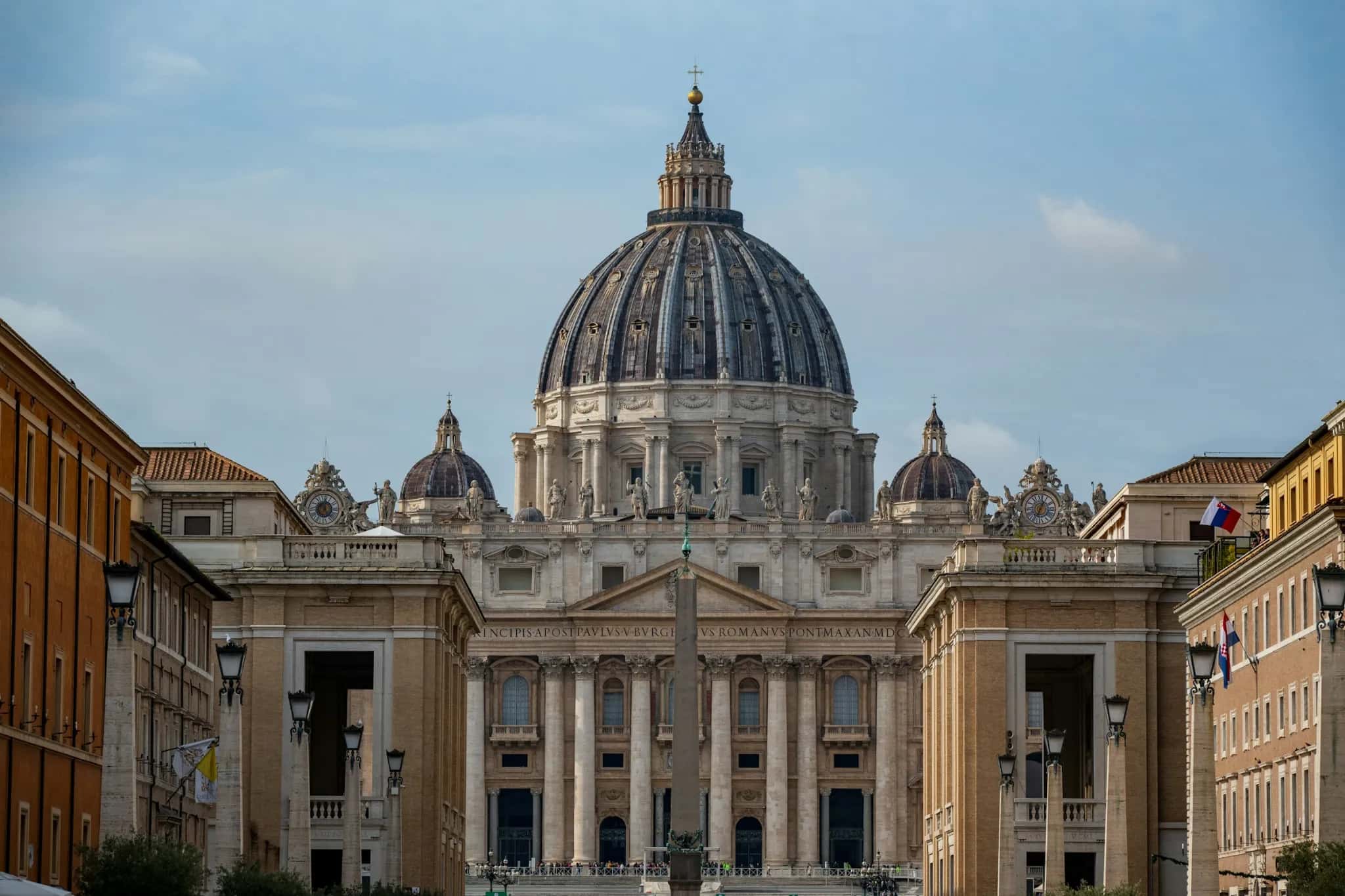
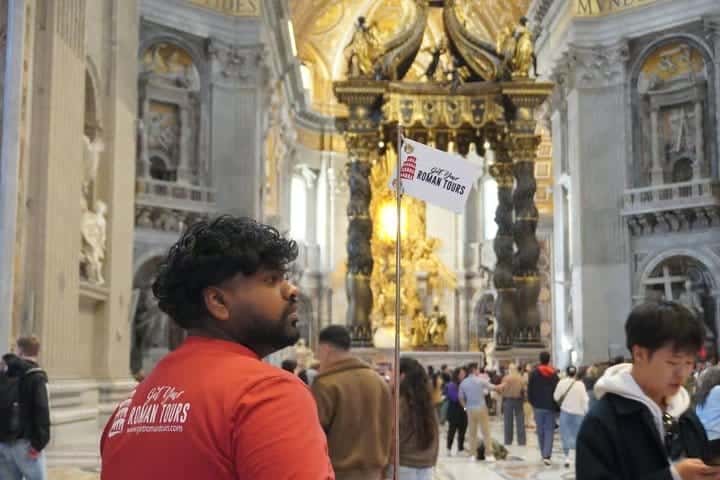
- La Basílica de San Pedro. La iglesia más grande del mundo, entrada gratuita — solo pagas si subes a la cúpula. Ver el interior de la basílica.
- Casi todas las iglesias de Roma — y muchas esconden arte de clase mundial, incluyendo Caravaggios, de forma gratuita. Solo ten en cuenta el código de vestimenta.
- El exterior del Panteón, la vista sobre el Foro Romano desde las barandillas de la Via dei Fori Imperiali, y todo el paseo por Trastevere después del anochecer — nuestra tarde-noche gratuita favorita en Roma.
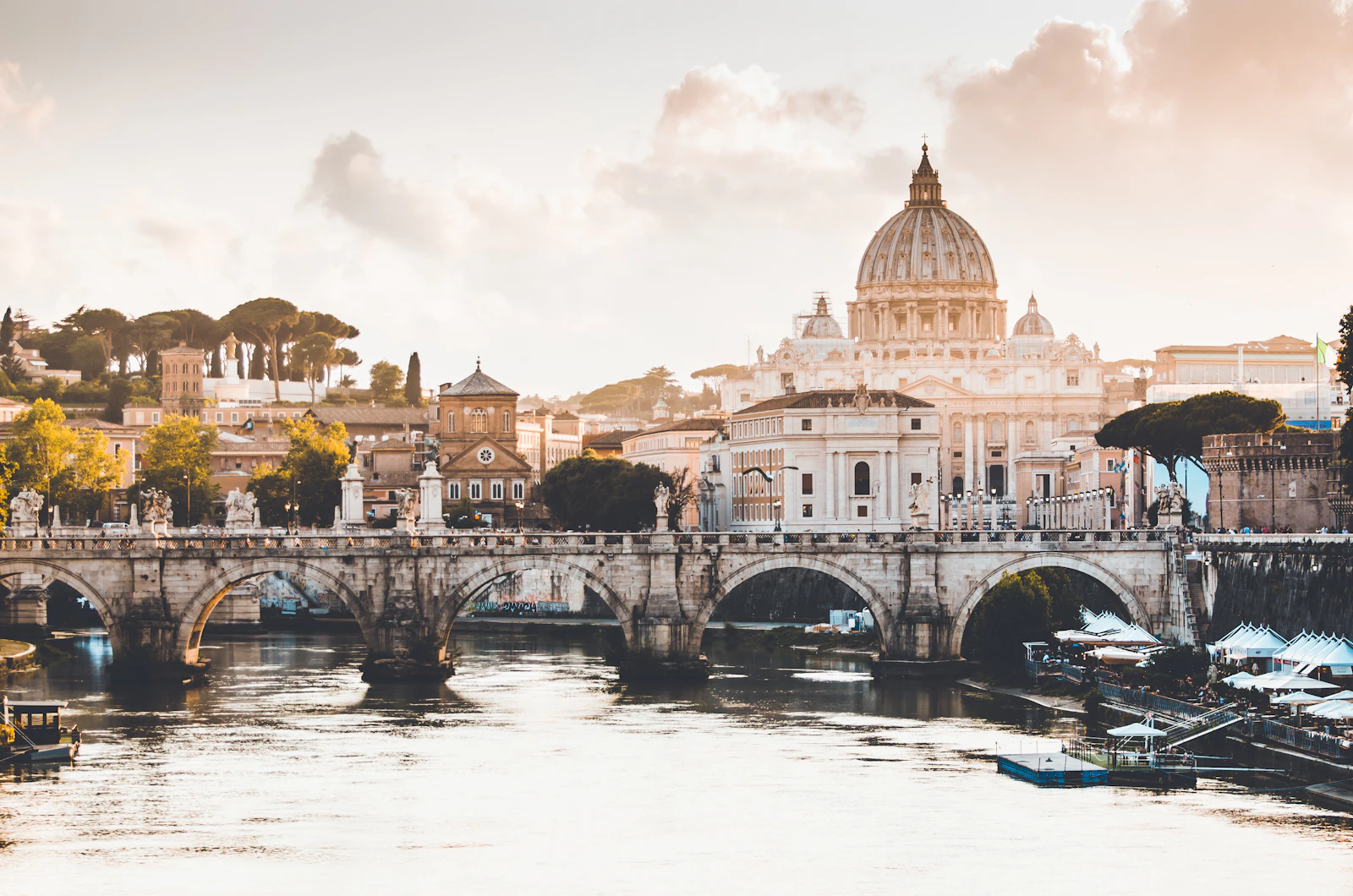
- El mejor atardecer de la ciudad, gratis, desde la Colina del Janículo — los locales traen una botella de vino y ven cómo las cúpulas se vuelven rosas.
Los Lugares que Merece la Pena Pagar (y Cómo Pagar Menos)
Algunas cosas merecen la entrada — el truco es pagar la cantidad correcta y no la inflada de última hora.
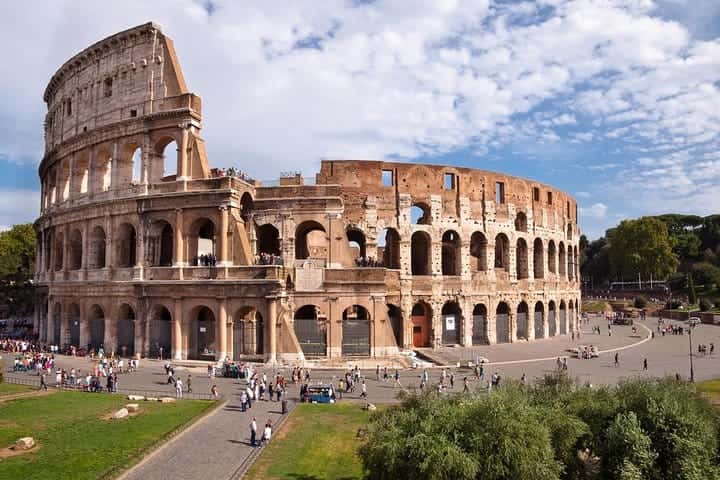
La entrada estándar del Coliseo tiene una excelente relación calidad-precio porque también cubre el Foro Romano y la Colina Palatina — tres de los mejores lugares de Roma en una sola entrada. Reserva la entrada oficial con horario con antelación en lugar de un tour premium comprado en pánico el mismo día. Nuestras entradas al Coliseo con audioguía mantienen esto asequible mientras evitan la peor cola.
Los Museos Vaticanos y la Capilla Sixtina son un capricho que merece la pena una vez en la vida — y si tu presupuesto es ajustado, recuerda que los Museos son gratis el último domingo del mes (con multitudes intensas, así que ve a la apertura). De lo contrario, una simple entrada sin colas es mejor que pagar por un paquete de lujo caro que no necesitas.
El Panteón ahora cobra una pequeña tarifa de entrada — unos pocos euros, gratis para menores de 18 años — que es de lo mejor gastado en Roma. Consigue la simple entrada al Panteón con audioguía en lugar de un costoso extra guiado si los fondos son limitados. Más en nuestra guía del Panteón.
Días de Entrada Gratuita: Márcalos en Tu Calendario
Italia les hace un regalo genuino a los viajeros con presupuesto ajustado, y sorprendentemente pocos visitantes planifican en torno a ello. El primer domingo de cada mes, los museos y sitios arqueológicos gestionados por el estado abren sus puertas gratuitamente — y eso incluye algunos de los nombres más importantes de Roma: el Coliseo, el Foro Romano y la Colina Palatina entre ellos. Si tu viaje coincide con un primer domingo, puedes ver el corazón de la Roma antigua gratis.
La trampa es la obvia: gratis significa concurrido. Ve a la apertura, acepta que no puedes reservar una franja horaria esos días, y trátalo como un intercambio — cambias un poco más de espera por un precio de entrada de cero. Por separado, los Museos Vaticanos (que no están gestionados por el estado) tienen su propio día gratuito el último domingo del mes. Entre los dos, una visita bien programada puede reducir a cero tus dos mayores gastos en entradas.
Comer Bien en Roma Sin que Te Timen
La comida es donde la mayoría de los visitantes gastan de más silenciosamente — no en comidas elegantes, sino en mediocres en los lugares equivocados. Roma está llena de comida barata y excelente si conoces la regla de las tres calles: camina al menos tres calles lejos de cualquier monumento importante antes de comer.

- La pizza al taglio (pizza por porción, vendida por peso) es la heroína del presupuesto ajustado — un almuerzo abundante y fresco por un par de euros. Busca lugares con una cola de locales.
- Los supplì — bolas de arroz fritas con un centro de mozzarella fundida — son el bocadillo callejero perfecto de Roma, normalmente alrededor de un euro cada uno.
- Un almuerzo de trattoria u osteria con la pasta del día casi siempre costará menos que la cena por el mismo plato. Haz tu comida principal al mediodía.
- Toma tu café de la mañana de pie en la barra. Un espresso cuesta alrededor de un euro de pie y varias veces eso si te sientas en una mesa — esa es la norma, no una estafa.
Y el gelato: evita cualquier tienda con neón, montañas esponjosas de colores brillantes, y vistas privilegiadas a un monumento — eso es gelato industrial a precio de turista. Las verdaderas gelaterie guardan su gelato en cubetas metálicas cubiertas, en colores naturales y apagados, y cobran de dos a tres euros por un cono generoso.


Moverte por el Precio de un Café
El transporte público de Roma es barato y el centro histórico es pequeño, así que caminarás más de lo que viajarás. Cuando viajes:
- Un billete sencillo (BIT) cuesta alrededor de 1,50 € y es válido durante 100 minutos en autobuses y un trayecto de metro — sella al subir.
- Si vas a usar mucho el transporte, un abono de 24, 48 o 72 horas supera rápidamente la compra de billetes sencillos, y dejas de hacer cálculos mentales en cada parada.
- Desde el aeropuerto de Fiumicino, el tren Leonardo Express a Termini cuesta alrededor de 14 € y tarda unos 32 minutos — rápido y a precio fijo. Desde Ciampino, un autobús lanzadera es aún más barato.
- Rellena tu botella de agua en los nasoni — las fuentes de hierro fundido por toda la ciudad ofrecen agua potable fría, limpia y gratuita. Ahorrarás varios euros al día y mucho plástico.
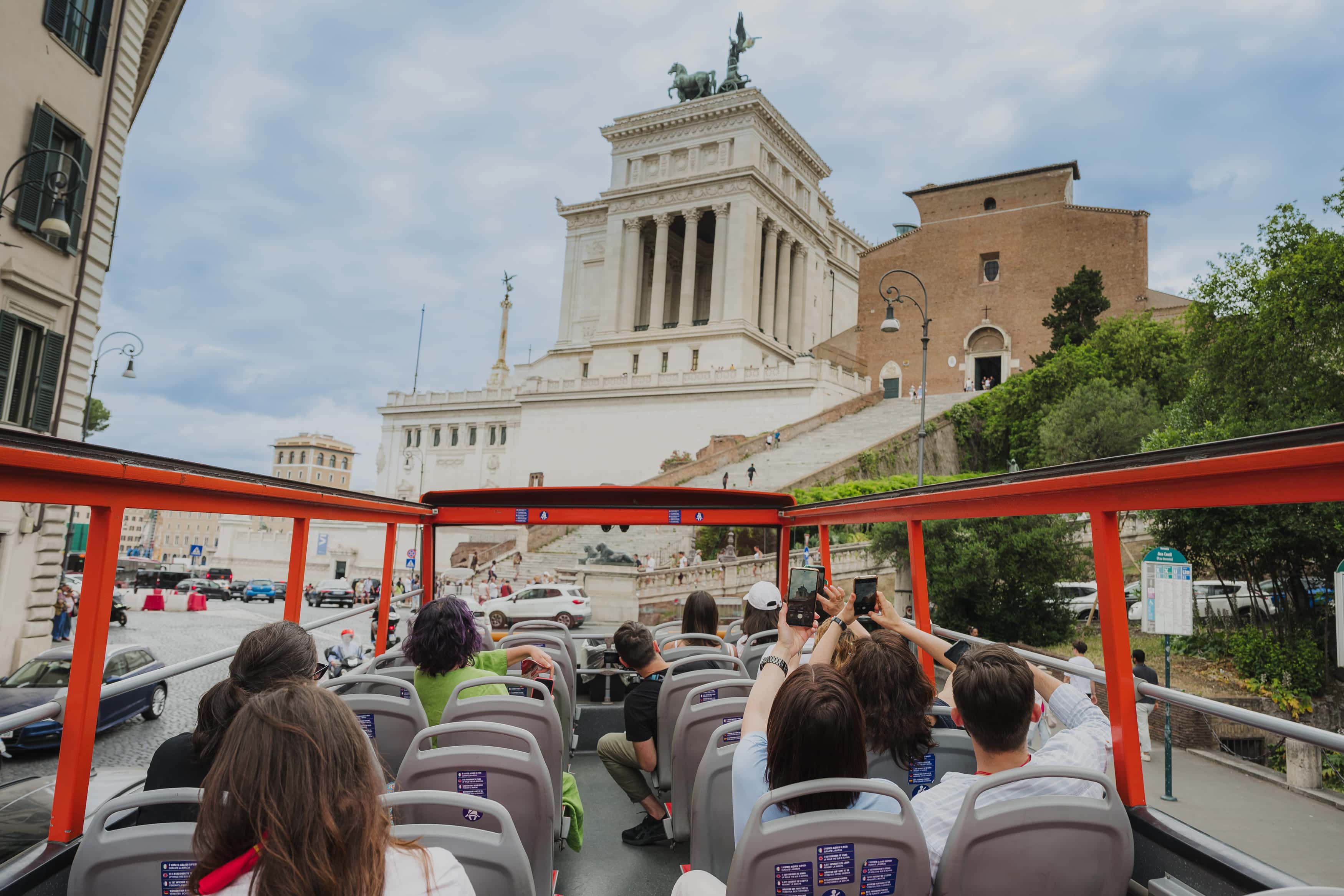
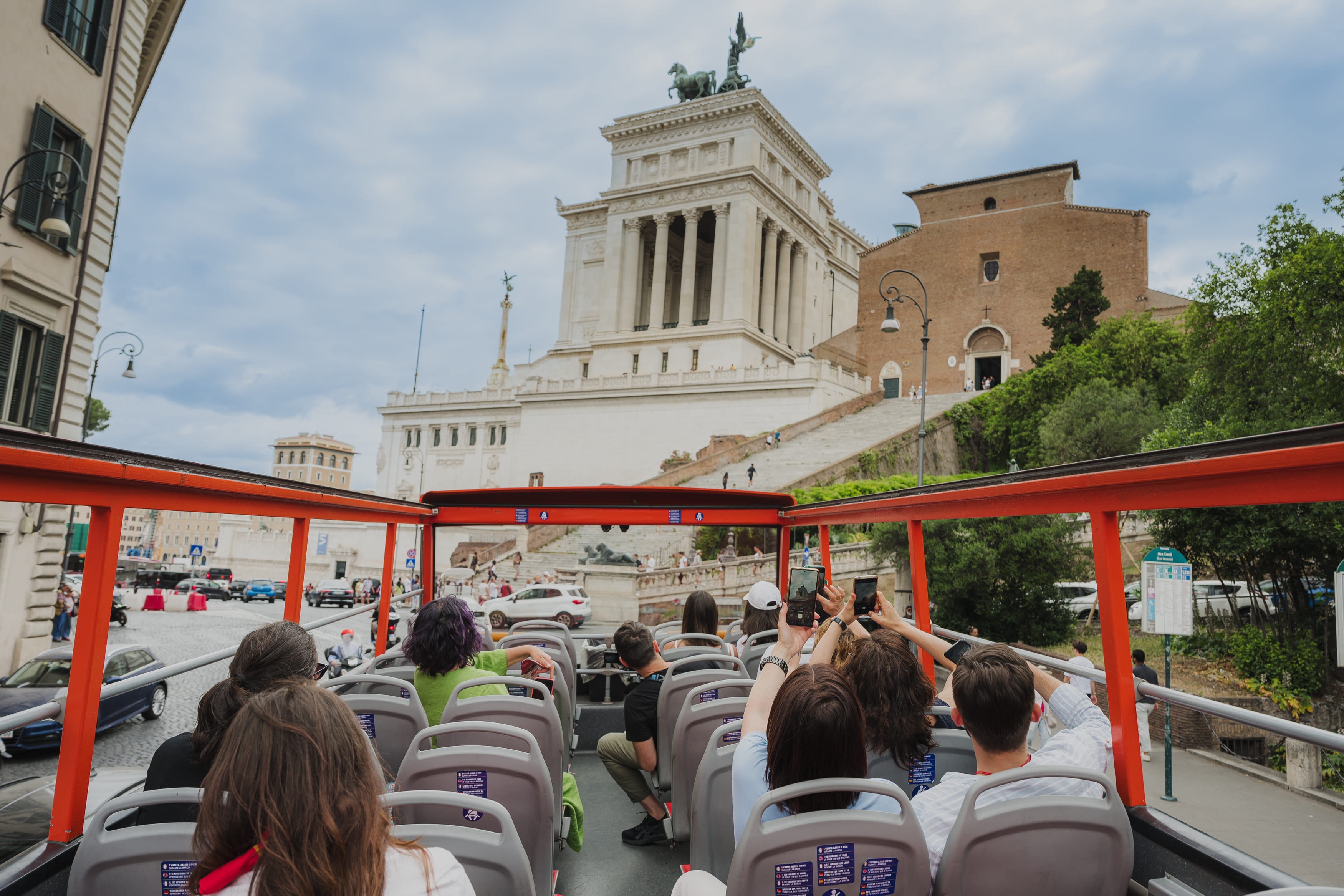
Si tus pies se rinden, un pase de autobús Hop On Hop Off funciona a la vez como transporte barato y como tour sentado por la ciudad, y nuestro tour a pie por Roma es una forma asequible de ver la Plaza de España, la Trevi, el Panteón y la Piazza Navona juntos sin pagar entradas separadas para cada uno.
Dónde Alojarte para Ahorrar
Dónde duermes moldea todo tu presupuesto. Algunos consejos honestos:
- Aloja cerca de una parada de metro en lugar de directamente junto a un monumento. Una habitación a dos paradas de distancia puede costar un tercio de una junto a la Trevi, y sigues estando a diez minutos de todo.
- Barrios como Monti, San Lorenzo y la zona alrededor de Termini ofrecen mejor relación calidad-precio que el centro absoluto, siendo San Lorenzo especialmente bueno para comida y bares a precios de estudiante.
- Considera Trastevere por el ambiente — no es lo más barato, pero pone las tardes-noches gratuitas y las trattorias de buena relación calidad-precio en tu puerta.
- Un alojamiento con hervidor y nevera te permite hacer el desayuno y algún picnic ocasional de un mercado local, lo que se suma a lo largo de varios días.
Popular tours & tickets
Compra y Come como un Local: los Mercados de Roma
Los mercados de alimentos de barrio de Roma son el arma secreta del viajero con presupuesto ajustado — y una experiencia en sí mismos. El Mercado de Testaccio es el estándar de oro: puestos de queso, embutidos y productos frescos junto a mostradores de almuerzo baratos y excelentes donde puedes comer un plato de verdad por una fracción de los precios de restaurante. El Campo de' Fiori tiene un mercado matutino envuelto en historia real — lee su pasado sorprendentemente oscuro — y el Mercato Trionfale cerca del Vaticano es enorme y casi completamente local.
Incluso si no cocinas, los mercados son perfectos para montar un picnic: una cuña de pecorino, algo de prosciutto, pan fresco, un puñado de cerezas, y tienes almuerzo en el Janículo o en la Villa Borghese por unos pocos euros. Supera cualquier sándwich comprado junto a un monumento, y es la mitad de precio.
Roma Gratis Después del Anochecer
Las tardes-noches son cuando Roma activa el romance gratis. Los monumentos están iluminados y las multitudes se disipan, así que un paseo nocturno no cuesta nada y ofrece algunos de los mejores momentos del viaje.
- La Fontana di Trevi brilla después de las 23:00 con una fracción de la multitud diurna — ve tarde y quizás tengas un rincón para ti solo.
- La Piazza Navona, el pórtico del Panteón y la Plaza de España son todos gratuitos, hermosos, y más tranquilos de noche.
- Trastevere cobra vida después del anochecer con músicos callejeros y callejuelas iluminadas con farolillos — pasear por allí es gratis, incluso si solo paras para una bebida. Ver nuestra guía de la tarde-noche en Trastevere.
- Cruza el río y sube a la Colina del Janículo para un panorama gratuito de las cúpulas iluminadas — Roma pura, cero euros.
Excursiones Baratas Desde Roma
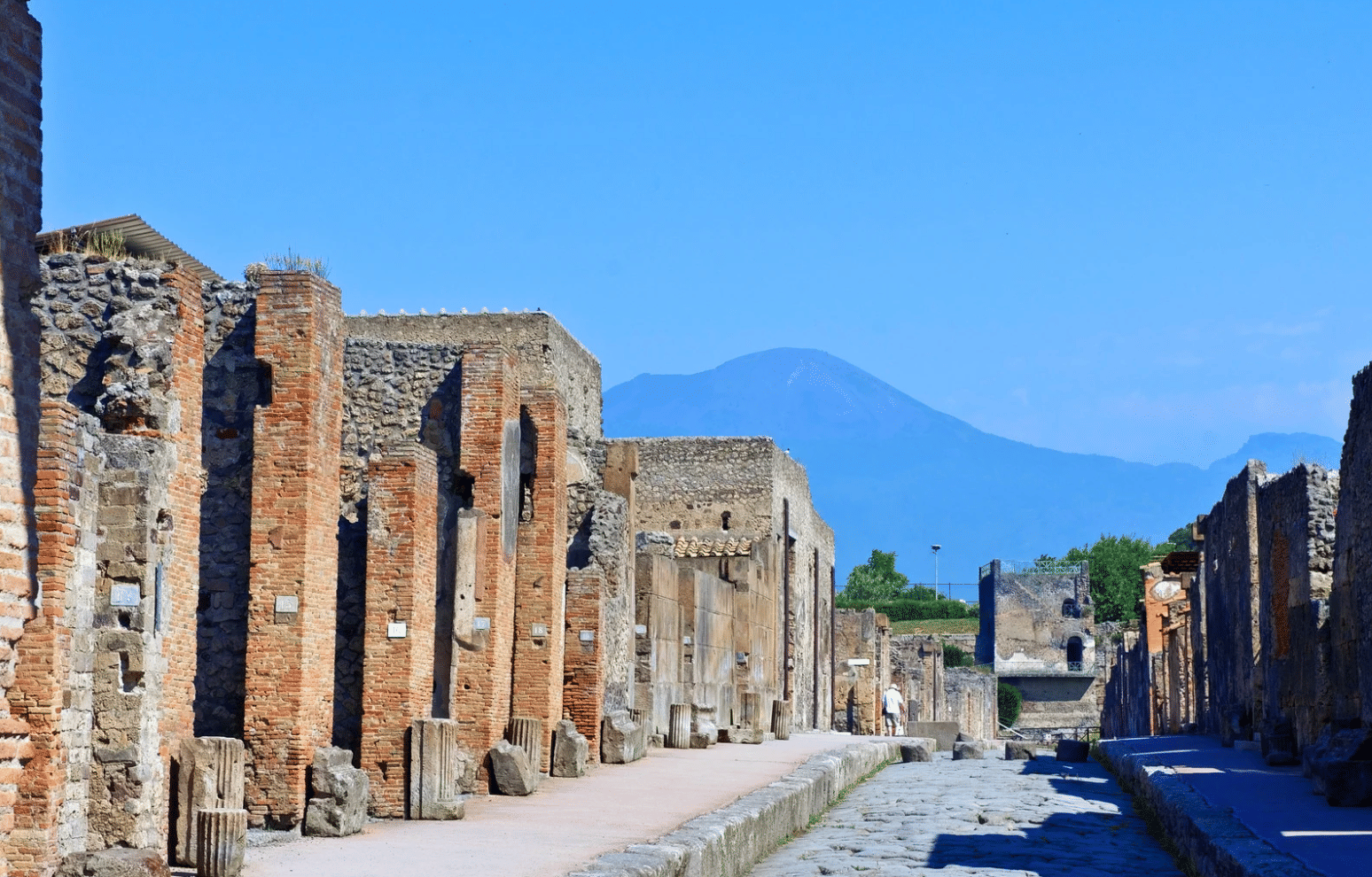
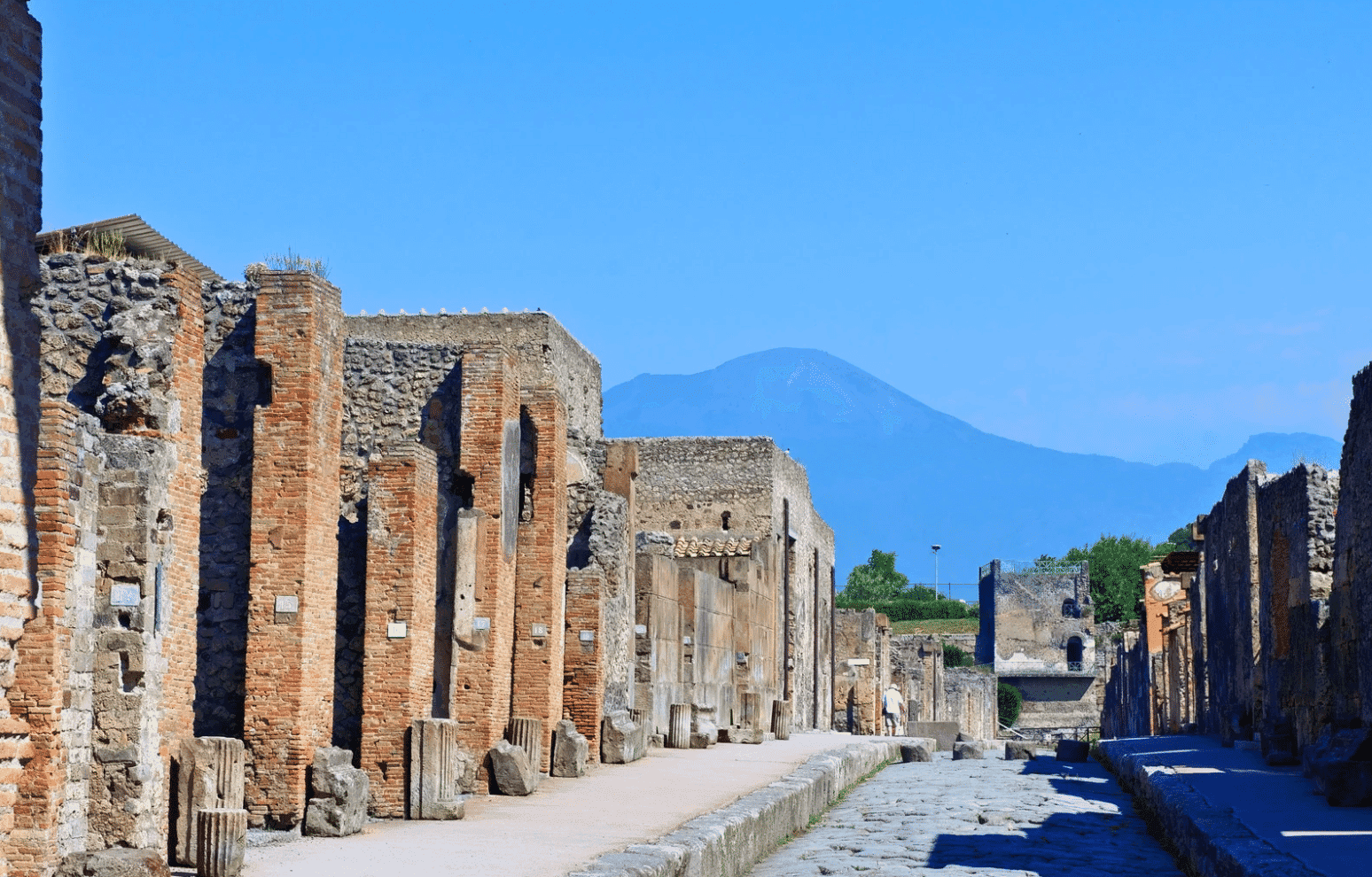
Si tienes un día extra, no necesitas un tour en autocar caro para escapar de la ciudad. Los trenes regionales desde Roma son baratos y frecuentes. Ostia Antica — la notablemente intacta ciudad portuaria antigua de Roma — es un trayecto corto y económico en metro y tren, y mucho más tranquilo que Pompeya. Tívoli, con sus villas y jardines, es un fácil trayecto en tren regional. Incluso un día económico en la playa de Ostia cuesta poco más que el billete de tren. Puedes ver grandes cosas con un presupuesto pequeño si dejas que la red de trenes locales haga el trabajo en lugar de un operador turístico.
Un Día de Ejemplo con Presupuesto Ajustado en Roma
Para hacerlo concreto, aquí tienes un día genuinamente agradable que cuesta muy poco más allá de un lugar y tus comidas:
- Mañana: espresso de pie en la barra (~1 €), luego el Panteón (unos pocos euros) y un paseo gratuito por la Piazza Navona y la Trevi.
- Almuerzo: pizza al taglio y un supplì comidos en un escalón tranquilo (~5 €).
- Tarde: un recorrido gratuito de arte en iglesias, luego la vista sobre el Foro Romano desde la calle elevada — no se necesita entrada.
- Aperitivo: un spritz con el surtido de aperitivos en Trastevere (~8 €), que hace las veces de cena ligera.
- Noche: atardecer desde la Colina del Janículo con una botella de vino de supermercado — gratis, y uno de los mejores recuerdos que te llevarás a casa.
Ese es un día completo y alegre en Roma por aproximadamente el precio de una sola comida mediocre junto a un monumento. Añade un capricho de pago — el Coliseo o el Vaticano — y tienes el equilibrio correcto.
Los Errores de Dinero que Cometen los Turistas
Nada de esto significa hacer Roma barata en el sentido triste. Significa gastar donde importa — el Coliseo, el Vaticano, una cena inolvidable — y dejar que las enormes riquezas gratuitas de la ciudad se encarguen del resto. Para el plan completo, ve nuestro itinerario de 3 días en Roma, y para proteger la parte de tu presupuesto que más duele — el tiempo perdido — lee cómo evitar las colas en Roma.
Respuestas Rápidas sobre Costes
¿Cuánto cuesta un día en Roma?+
Depende enteramente de tus elecciones. Un viajero cuidadoso puede tener un día maravilloso — café, almuerzo de comida callejera, un lugar con entrada, cena de aperitivo y un atardecer gratis — por aproximadamente 30-40 € en total. Añade un gran capricho como un tour guiado por el Vaticano y una cena sentada y estarás más cerca de 100 €. La cuestión es que el suelo es genuinamente bajo: Roma te permite gastar casi nada y aun así tener un día perfecto.
¿Es Roma más cara que otras capitales europeas?+
En comida y transporte, Roma suele ser más barata que Londres, París o Ámsterdam — una porción de pizza, un espresso en la barra y un billete de metro cuestan todos poco. Donde duele es en las atracciones de pago y en cualquier restaurante a la vista de un monumento. Evita esos dos y Roma es muy asequible según los estándares de Europa Occidental.
¿Cuál es la forma más barata de ver el Vaticano?+
Entrada gratuita el último domingo del mes si puedes soportar las multitudes y llegar a la apertura. De lo contrario, una simple entrada sin colas en lugar de un paquete de lujo — obtienes la misma Capilla Sixtina de cualquier manera. Y la propia Basílica de San Pedro siempre es gratuita; solo pagas si subes a la cúpula.
¿Vale la pena el Roma Pass para un viajero con presupuesto ajustado?+
Solo si vas a visitar varios lugares de pago y usar el transporte público durante 48-72 horas — entonces puede ahorrar dinero y tiempo. Si tu viaje se apoya en las riquezas gratuitas de Roma y un único gran capricho de pago, compra esa entrada directamente y sáltate el pase. Haz las cuentas según tu plan real en lugar de comprarlo por defecto.
Roma siempre ha pertenecido a todos, no solo a los adinerados — es una ciudad construida para caminar, mirar hacia arriba y demorarse, y la mayor parte de eso es gratis. Gasta con inteligencia, come donde comen los locales, y volverás a casa con los mismos recuerdos que quienes pagaron el triple.
Escrito por
Get Your Roman Tours
Somos un turoperador con licencia con sede en Roma (Get Your Roman Tours S.R.L.S.). Nuestros guías realizan visitas en estos lugares cada semana: todo lo que hay aquí viene de la experiencia, no de la investigación. Sobre nosotros · Pregúntanos lo que quieras