Where to Stay in Rome: Best Neighborhoods for Every Budget (2026)
Choosing where to stay in Rome is the one booking decision that changes every other day of your trip. Get it right and you walk to dinner, walk home at midnight, and never look at a metro map. Get it wrong and you lose 40 minutes each way, twice a day, for a room that saved you €30 a night.
Rome's historic centre is small. Most of what you came to see sits inside a walkable area about 3 km across. But "close to the centre" on a booking site can still mean a 35-minute walk or two bus changes. This guide breaks Rome accommodation down by neighbourhood and by real budget, with 2026 price estimates, honest walk times, noise warnings, and the city tax nobody quotes you.
Our travel experts run tours in Rome every week and meet guests at their hotels, so the notes below come from watching where people actually stay and what goes wrong. If you already know your dates, lock your main sights in first, because the best time slots go before the best rooms do: browse all Rome tours and tickets.
The 60-Second Answer: Best Area to Stay in Rome by Traveller Type
- First time in Rome, 2 to 4 nights: Monti or Centro Storico. You walk everywhere.
- Best value without feeling far out: Prati (near the Vatican) or San Giovanni.
- Cheapest central beds: Termini and Esquilino.
- Food and evening atmosphere: Trastevere or Testaccio.
- Families with young kids: Prati or Aventine. Quiet, flat-ish streets, real supermarkets.
- Couples and big-budget stays: Tridente (Spanish Steps) or the Pantheon streets.
- Very early flight or a cruise from Civitavecchia: stay near Termini for the direct train, not in the pretty lanes.
- Third or fourth visit: Ostiense, Garbatella or Pigneto. Cheaper, more local, still connected.
What "Central" Really Means in Rome: Walk Times, Not Map Pins
Rome has only three metro lines, and they mostly miss the historic centre. Line A and Line B cross at Termini. Line C reached the middle of the city on 16 December 2025, when the Colosseo/Fori Imperiali and Porta Metronia stations opened, giving a direct link to Line B at the Colosseum. The next big station, Piazza Venezia, is still a building site and is not expected to open for years, so expect fenced roadworks and traffic noise around Piazza Venezia through 2026.
That means walking is the real transport system. Useful walking times from the Pantheon:
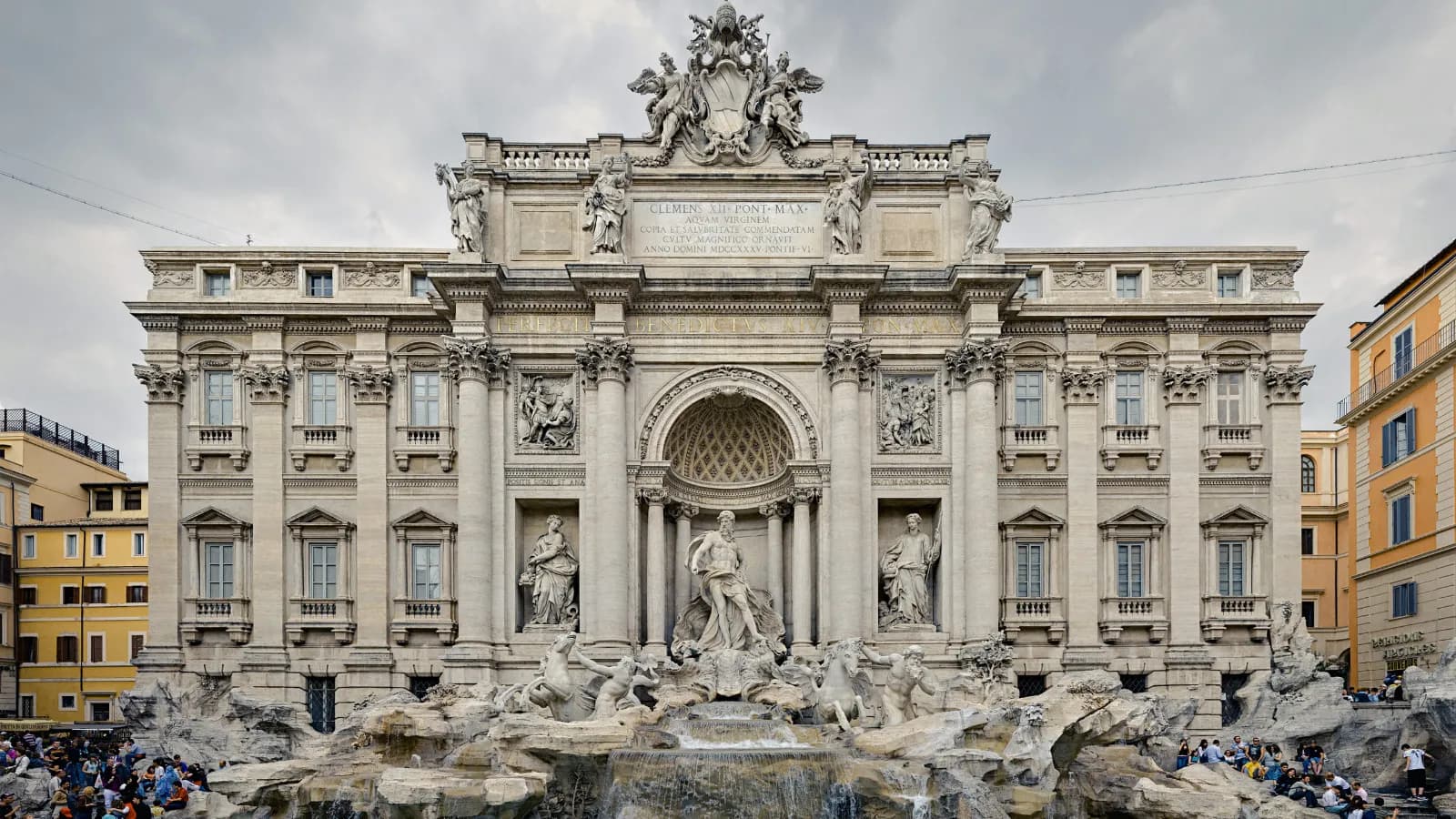
- Trevi Fountain: 8 minutes
- Piazza Navona: 6 minutes
- Campo de' Fiori: 8 minutes
- Colosseum: 22 minutes
- St Peter's Square: 28 minutes
- Termini station: 25 minutes
- Piazza di Santa Maria in Trastevere: 20 minutes
Where the metro fails, trams and buses fill the gap. Tram 8 runs from Viale di Trastevere to Largo di Torre Argentina in about 8 minutes, every 5 to 7 minutes. Bus 64 and bus 40 link Termini to the Vatican across the centre, and both are known pickpocket routes.
Rome public transport prices (2026): a single BIT ticket costs €1.50 and lasts 100 minutes on buses and trams, but only one metro entry. A 24-hour ticket is €8.50, 48 hours €15, 72 hours €22, and the 7-day CIS card €29. Contactless tap-and-go on metro gates and most buses caps you at €8.50 in any 24 hours, so from the sixth ride the system charges you nothing extra.
Why this matters for your hotel: if your room is a 10-minute walk from the centre, you will almost never buy a transport ticket. If it is 3 km out, budget €8.50 a day per person and add 30 to 50 minutes of daily travel.
Rome City Tax 2026: The Cost Your Booking Page Does Not Show
Rome charges a nightly city tax (contributo di soggiorno) on top of your room rate. It is almost never included in the price you see on booking sites, and most properties collect it at check-in or check-out, often in cash.
Current rates per person, per night:
- 1 and 2-star hotels: approximately €4 to €5
- 3-star hotels: €6
- 4-star hotels: €7.50
- 5-star hotels: €10
- Apartments, B&Bs and short-term rentals: €6 flat, whatever the quality
- Campsites: approximately €3
The tax stops after 10 consecutive nights. Children under 10 do not pay.
Worked example: two adults and two children aged 12 and 7 stay four nights in a 4-star hotel. Three of them pay, so that is €22.50 a night, or €90 added to the bill. That is a real number, and it is the reason many travellers feel their Rome accommodation cost more than they planned. Factor it in before you compare two hotels that look €10 apart.
Rome Neighbourhoods Ranked from Cheapest to Priciest
Prices below are estimates for a standard double room in shoulder season (March to May, September to October), booked a few months ahead. High summer, Christmas, Easter and Jubilee-style event weeks run higher. Rome hotel rates were forecast to rise roughly 7% to 11% across 2026, so treat these as a planning baseline, not a quote.
1. Termini and Esquilino: The Cheapest Central Base
Estimated 2026 rates: hostel dorm bed approximately €30 to €45; 3-star double approximately €90 to €150. Walk times: Colosseum 20 min, Trevi Fountain 20 min, Vatican 45 min (take the metro). Best for: budget travellers, one-night stopovers, early train departures, day trippers.
Termini is Rome's main station and the only point where metro lines A and B meet. The Leonardo Express to Fiumicino Airport leaves from here, takes about 32 minutes, and costs around €14. If you have a 6am flight or a cruise to catch at Civitavecchia, sleeping within a five-minute walk of Termini beats any charming lane in the city.
The area is not the prettiest part of Rome, but it is not one thing either. The streets on the Monti side (west of the station, around Via Cavour and Santa Maria Maggiore) feel completely different from the streets east of the station around Via Giovanni Giolitti. Cheap hotels near Rome's station cluster in both.
What nobody tells you: Piazza dei Cinquecento, the bus plaza right outside Termini, is loud all day and thinly used late at night. Many visitors report feeling uneasy there after dark, not because anything happens, but because it empties out. Booking a room two or three streets west, near Via Nazionale or Piazza della Repubblica, costs €10 to €20 more and feels much better at 11pm.
Insider tip: Mercato Esquilino on Via Filippo Turati is Rome's most international food market and one of the cheapest places in the centre to buy fruit, cheese and bread for a picnic lunch.
2. San Giovanni: Real Neighbourhood, Two Metro Lines
Estimated 2026 rates: 3-star double approximately €90 to €160. Walk times: Colosseum 20 min, Termini 25 min. Best for: repeat visitors, longer stays, travellers who want normal prices and normal shops.
San Giovanni sits around the enormous Basilica di San Giovanni in Laterano, Rome's cathedral. It has metro Line A and Line C, a proper shopping street in Via Appia Nuova, and locals doing their shopping instead of queueing for gelato. You are one metro stop from the Colosseum and about seven minutes from Termini.
What nobody tells you: the new Line C station at Porta Metronia, open since December 2025, sits between San Giovanni and the Colosseum. It makes this whole strip more convenient than most 2024-era guides suggest.
3. Ostiense, Garbatella and Pigneto: Cheapest of All
Estimated 2026 rates: doubles and apartments approximately €70 to €130. Best for: second or third visits, long stays, travellers on a strict budget who do not mind a metro ride.
These are working neighbourhoods with street art, cheap aperitivo and almost no tour groups. Ostiense has the Centrale Montemartini museum, where Roman marble statues stand among old power-station engines. Garbatella is a 1920s garden-suburb with courtyards and stairways. Pigneto is bar territory, reached by tram rather than metro.
Honest warning: you will spend 25 to 40 minutes getting into the historic centre each morning. If you have three days in Rome, that is close to two hours of your trip gone. Choose this only if you have a week or you have already seen the main sights.
4. Prati and the Vatican Area: Quiet, Safe, Sensible
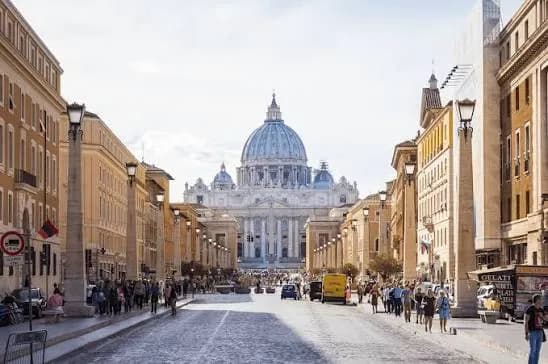
Estimated 2026 rates: 3-star double approximately €130 to €220. Walk times: St Peter's Basilica 10 to 15 min, Piazza Navona 20 min, Colosseum 40 min (use the metro). Best for: families, light sleepers, anyone visiting the Vatican Museums early.
Prati was built after 1870 in wide, straight blocks, so it feels nothing like the tangled centre. You get flat pavements, real pharmacies, real supermarkets, and Via Cola di Rienzo for shopping. Ottaviano-San Pietro on metro Line A puts you three stops from the Spanish Steps.
Staying here is the single best trick for the Vatican. The Vatican Museums entrance on Viale Vaticano is a 5 to 12-minute walk from most Prati hotels, so an early time slot does not require a cross-city trip at 7:30am.
Insider tip: Bonci Pizzarium on Via della Meloria, one minute from Cipro metro, sells pizza al taglio by weight and is worth the queue. Mercato Trionfale, on Via Andrea Doria, is the biggest covered market in the city and almost entirely local.
What nobody tells you: Prati is quiet after 10pm in a way that some couples find dull. If you want a late dinner scene outside your door, this is not your area.
5. Testaccio and Aventine: Food First, Tourists Second
Estimated 2026 rates: approximately €120 to €200. Walk times: Colosseum 25 to 30 min, Trastevere 15 min across the river. Best for: food-focused travellers, quiet stays, second visits.
Testaccio is where Rome eats. Mercato Testaccio has proper lunch counters, including the sandwich stand Mordi e Vai. Trattorias like Flavio al Velavevodetto and Da Bucatino serve the four classic Roman pastas without a tourist menu in sight. Piramide station on Line B is at the edge of the district.
The Aventine Hill above it is the opposite: silent, green, residential. It holds the Giardino degli Aranci orange garden and the famous keyhole view of St Peter's dome at Piazza dei Cavalieri di Malta.
What nobody tells you: Via di Monte Testaccio is a club street. Rooms facing it are loud on Friday and Saturday until roughly 3am. On the Aventine the problem is the opposite, and a real one: there are very few restaurants, few shops, and a steep hill between you and dinner.
6. Monti: The Best All-Round First-Timer Choice
Estimated 2026 rates: 3-star double approximately €150 to €260; central apartments run higher, with reported April 2026 short-let medians above €400 a night at the top end. Walk times: Colosseum 10 min, Roman Forum 8 min, Trevi Fountain 12 min, Pantheon 18 min. Best for: first-time visitors who want to walk everywhere and still eat where Romans eat.
Monti sits between the Colosseum and Termini, on the slope below Santa Maria Maggiore. The streets around Via del Boschetto, Via Panisperna and Via Urbana are narrow, full of small shops, wine bars and vintage stores, and they empty out by midnight. Piazza della Madonna dei Monti has a fountain, steps, and people sitting on them every evening.
Metro Cavour on Line B is inside the neighbourhood, and the new Colosseo/Fori Imperiali interchange is a short walk downhill.
Why our experts recommend it most often: it is the only area that is genuinely walkable to ancient Rome, genuinely walkable to the centre, and still has a normal evening life. That combination is rare.
What nobody tells you: Monti is built on a hill. Some "10 minutes from the Colosseum" apartments are 10 minutes downhill and 18 minutes back up, in buildings with no lift.
7. Trastevere: Great Nights, Broken Sleep
Estimated 2026 rates: hotels approximately €160 to €280; short-let medians surveyed in April 2026 sat near €310 a night, with a typical band of roughly €235 to €395. Walk times: Largo di Torre Argentina 8 min by tram 8, Vatican 25 min on foot, Colosseum 30 min on foot. Best for: couples, food and bar-focused trips, travellers who sleep late.
Trastevere is cobbled, ivy-covered and packed after dark. Piazza di Santa Maria in Trastevere is the heart of it. Da Enzo al 29 on Via dei Vascellari is the most-recommended small trattoria in the district and takes bookings that vanish weeks ahead. Mercato di San Cosimato handles the daily shopping. The Gianicolo hill above gives the best free view in Rome.
There is no metro in Trastevere. Tram 8 covers the gap well, and Trastevere railway station on the south edge connects to Fiumicino via one change.
What nobody tells you honestly enough: the noise is real. Streets around Piazza Trilussa, Via della Lungaretta and Via del Politeama carry sound between tall buildings until 2am, every night in summer, and street cleaning starts at 6am. Ask for a room on a courtyard (cortile interno) or on the quieter southern side near Viale Glorioso and Piazza San Cosimato.
8. Celio and the Colosseum Streets
Estimated 2026 rates: approximately €140 to €240. Walk times: Colosseum 5 min, Roman Forum 10 min, Trastevere 30 min. Best for: ancient-Rome fans, early Colosseum slots, quiet evenings near a famous view.
The Celio hill sits directly behind the Colosseum and is far calmer than the crowds out front suggest. Via di San Giovanni in Laterano and the streets near Villa Celimontana have small hotels and B&Bs. Two metro lines now serve the Colosseum, so getting out to the Vatican is easy.
Insider tip: an early guided slot at the Colosseum from a hotel five minutes away means you are inside before the coach groups arrive. That combination beats any other neighbourhood for ancient Rome.
9. Centro Storico: Pantheon, Navona and Campo de' Fiori
Estimated 2026 rates: 4-star double approximately €220 to €400; short-let medians around the Pantheon and Trevi were reported near €420 to €430 a night in April 2026. Walk times: you are already there. Trevi 8 min, Colosseum 22 min, Vatican 28 min. Best for: short trips, first-timers with budget, anyone who wants to step outside into Rome.
This is the postcard: Piazza Navona, the Pantheon, Via dei Coronari, Campo de' Fiori's morning market. Sant'Eustachio Il Caffè serves the most argued-about espresso in the city. Forno Campo de' Fiori sells pizza bianca that people queue for at 11am.
What nobody tells you: rooms are small and old. Many buildings are 17th-century, which means low ceilings, tiny lifts or no lift at all, and windows onto stone alleys that echo. Campo de' Fiori itself becomes a drinking square at night; two streets away is fine.
Also worth knowing: almost all of this area is a ZTL (limited traffic zone). Taxis can enter, private cars mostly cannot, and a rental car here is a mistake that generates fines by post months later.
10. Tridente and the Spanish Steps: Rome's Luxury Address
Estimated 2026 rates: 5-star doubles commonly €500 and up; short-let asking prices in this pocket are the highest in the city. Walk times: Trevi Fountain 7 min, Pantheon 12 min, Villa Borghese 10 min. Best for: shopping trips, special occasions, travellers who want a doorman and a view.
Via Condotti, Via del Babuino and Via Margutta run between Piazza di Spagna and Piazza del Popolo. Spagna and Flaminio metro stations sit at either end of Line A. Villa Borghese park is straight up the steps, which puts the Borghese Gallery within a 15-minute walk.
What nobody tells you: you pay a large premium for an address, not for extra convenience. Monti and the Pantheon streets put you closer to more sights for far less. Add the €10 nightly city tax per adult on 5-star stays before you compare.
Where to Stay in Rome for Specific Trips
- Three days, first visit: Monti. Everything ancient is walkable, the centre is 15 minutes on foot, and prices sit below Pantheon rates.
- With kids under 10: Prati. Lifts, pushchair-friendly pavements, supermarkets, and no city tax for under-10s.
- Honeymoon or anniversary: the Pantheon streets or Tridente for the address; Trastevere if you would rather eat well than look at marble lobbies.
- Backpackers: Termini or Esquilino for dorms, San Lorenzo for cheap nightlife.
- Arriving by cruise at Civitavecchia: you may not need a Rome hotel at all for the port day. A combined train-and-sightseeing package such as Best of Rome from Civitavecchia: Colosseum, Hop On Hop Off & Train from €81.20 handles the transfer and the entry ticket in one booking.
- Flight before 8am: sleep near Termini for the Leonardo Express, or at an airport hotel. Do not book a lane in Trastevere and hope for a 4:30am taxi.
How Your Neighbourhood Changes Your Tour Day
This is the part most "where to stay in Rome" articles skip, and it costs people real time.
Tour meeting points cluster around the sights, not around your hotel. Colosseum tours meet near the monument. Vatican tours meet near Viale Vaticano or St Peter's Square. If you are sleeping in Ostiense or Pigneto, add 30 to 40 minutes to reach a 8:30am meeting time, and remember guided groups do not wait.
Hotel pick-up has a zone. Day trips that include pick-up, such as the Tivoli Tour and its villas Guided Tour from Rome with Hotel Pick-Up (from €147.18, currently €132.46), collect from a defined central area. Staying outside it usually means meeting the coach at a central point instead. Check your hotel address against the pick-up zone listed on the product page before you book the room, not after.
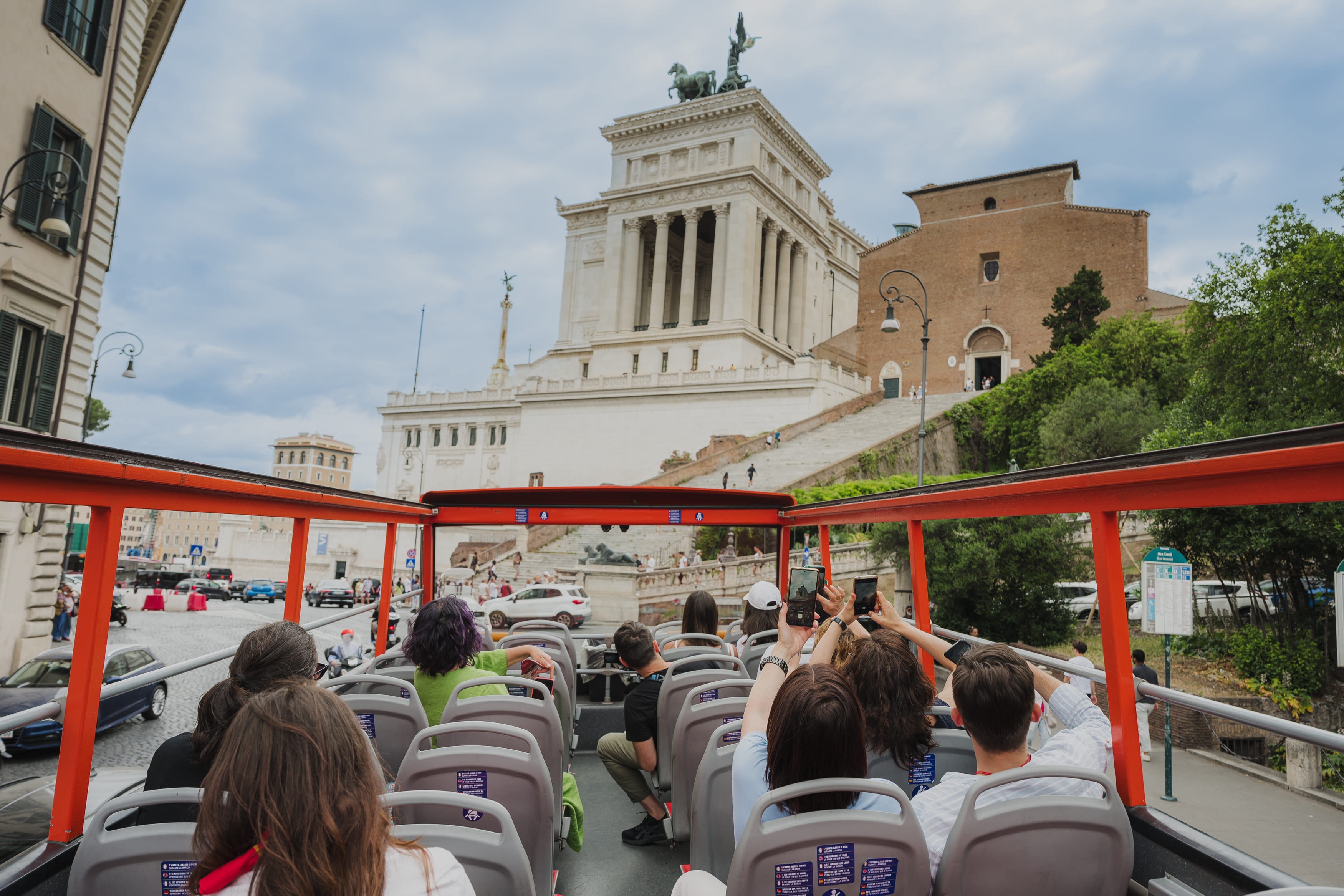
Hop-on hop-off is only useful if a stop is near your bed. If your hotel is in Prati, Termini or near the Colosseum, a bus ticket like the Rome Hop-On Hop-Off Sightseeing Tour from €18.27 or the Daily Ticket - Hop-On Hop-Off (from €28.42, currently €23.02) works as a shuttle between sights. If you are in the middle of Trastevere's lanes, walking and tram 8 will beat it.
Distance decides your morning slot. Guests staying near the Vatican can take the earliest Museums entry comfortably. Guests staying near the Colosseum can do the same for ancient Rome. Trying to do both from the far side of the city on the same morning is where itineraries break.
Popular tours & tickets
Official Tickets vs Our Guided Tours: What the Price Difference Buys
Once your neighbourhood is set, the next question is how you get into the sights. The official portals do exist, and they are cheap on paper. They are also the source of most of the problems our guides hear about: named tickets that must match your ID, timed slots that sell out weeks ahead, registration steps, payment pages that reject foreign cards, and no support line when something goes wrong. Booking on the official site is a real option, and you should know it costs less at face value.
Here is the honest comparison, in plain numbers.
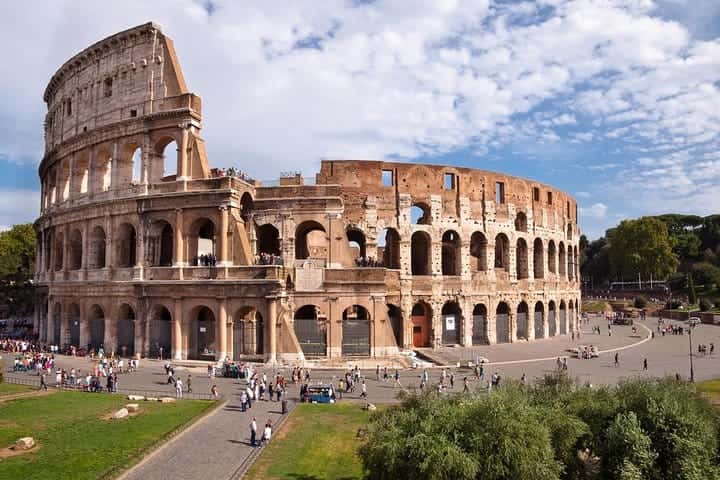
Colosseum, Roman Forum and Palatine Hill
Official basic ticket: approximately €18, plus a booking fee of about €2 when reserved online. You get timed entry to the three sites within 24 hours. You do not get a guide, and you do not get help if your slot is gone. Named-ticket and ID rules apply.
Our option: Colosseum Guided Tour with Roman Forum & Palatine Hill, from €80.19, currently €72.17. Included: entry ticket, a reserved timed entry that removes the ticket-office queue, a licensed professional guide for about three hours across all three sites, mobile ticket, instant confirmation, and free cancellation available [insert exact free-cancellation window from product page].
The gap is roughly €52. That buys the reserved slot you no longer have to hunt for, and three hours of a licensed guide inside a site with almost no explanatory signage.
Vatican Museums and Sistine Chapel
Official ticket: approximately €20, plus an online reservation fee of around €5. Entry only, in a fixed slot, with long security queues in high season.
Our options: Vatican Museums & Sistine Chapel Skip-the-Line Tickets from €65, or the full Vatican Museum, Sistine Chapel & St. Peter's Basilica Tour - Skip the Line (from €125, currently €100) with a licensed guide across all three sites in about three hours.
Two places where our price is the lower one
- The Pantheon: entry is around €5 official. Our Rome: Pantheon Entry Ticket with Multilingual Audio Guide is €10 and includes the audio guide, and the Pantheon guided tour with entry ticket is €14.21 with a live guide, which is less than most audio-guide-only upgrades sold elsewhere.
- St Peter's Basilica: entry is free, and we say so plainly. What costs you is the security queue and the dome climb. The St. Peter's Basilica Guided Tour with Papal Catacombs & Dome starts at €15.23, which is close to the price of the dome ticket alone.
Booking window matters more than neighbourhood. Popular guided slots go 2 to 4 weeks ahead in high season. Book the tour when you book the room.
Booking a Rome Apartment: 2026 Rules to Check Before You Pay
Short-term rentals are often the best value for families and groups, but Italy tightened the rules recently. Check these five things:
- The CIN code. Every legal short-term rental must display a national identification code (CIN) on its listing. No code, no booking.
- How you get the keys. Rules now push hosts toward identifying guests in person, and Rome has moved against unattended key boxes in the historic centre. Confirm in writing who will meet you and when.
- City tax in cash. Apartments charge the flat €6 per person, per night, and many hosts still want it in cash. Bring notes.
- Floor and lift. "Second floor" in a Roman palazzo can mean four flights of stone stairs. Ask directly: c'è l'ascensore?
- Which way the windows face. A courtyard-facing room in Trastevere is worth more than a star rating.
Booking Mistakes That Cost Rome Visitors the Most
- Booking by price alone and landing 4 km out. A €30 saving disappears the first time you take two taxis.
- Ignoring the city tax and being surprised by €90 at checkout.
- Renting a car for a city stay. Almost the whole centre is a ZTL. Cameras issue fines automatically.
- Booking a room over a nightlife street in Trastevere, Campo de' Fiori or Testaccio, then losing three nights of sleep.
- Booking the hotel first and the Colosseum ticket last. Rooms restock. Timed entry slots do not.
- Trusting "10 minutes from the Colosseum" without checking on a map. Measure it yourself.
Where to Stay in Rome: FAQ
What is the best area to stay in Rome for first-time visitors? Monti, for most people. It is walkable to the Colosseum and the Roman Forum in about 10 minutes, to the Trevi Fountain in 12, and it costs less than the Pantheon streets. Centro Storico is the alternative if budget is not the limit.
Is it safe to stay near Termini station? Yes, with sensible choices. Termini is heavily used and heavily policed by day. The streets immediately around the bus plaza feel empty late at night, so pick a hotel two or three streets west toward Via Nazionale or Santa Maria Maggiore and you get the transport links without the atmosphere.
Should I stay in Trastevere or the historic centre? Trastevere for food, evenings and character, at roughly 20 to 30 minutes' walk from the main sights. The historic centre for walkability and morning starts, at a higher nightly price. Light sleepers should choose the centre or ask Trastevere hotels for a courtyard room.
How much does a hotel in Rome cost per night in 2026? As a planning estimate: hostel dorms around €30 to €45, budget doubles €90 to €150, comfortable 3 and 4-star doubles €150 to €280 in central areas, and 5-star from around €500. Add city tax of €4 to €10 per adult per night. Rates were forecast to rise about 7% to 11% across 2026.
Do I need a car in Rome? No. The centre is a limited traffic zone, parking is scarce and expensive, and the sights are walkable. Public transport plus walking covers everything, and day trips are easier booked as guided tours.
Which neighbourhood is best for visiting the Vatican? Prati or Borgo. Most hotels there are 5 to 15 minutes on foot from the Vatican Museums entrance on Viale Vaticano, which makes an early time slot painless.
Is Rome walkable between neighbourhoods? Mostly yes. Trastevere to the Pantheon is about 20 minutes. Monti to the Vatican is about 45 minutes, so use metro Line A for that one. Rome has hills and cobbles, so bring shoes you have already worn in.
Book the Room, Then Book the Morning
Pick your area by how you want to spend your evenings and how far you are willing to walk in the morning. Monti and Centro Storico for walkability, Prati for calm and the Vatican, Trastevere for food and noise, Termini and San Giovanni for value, Testaccio for eating well.
Then lock in the two bookings that actually sell out. Start with ancient Rome on the Colosseum Guided Tour with Roman Forum & Palatine Hill from €72.17, add the Vatican Museum, Sistine Chapel & St. Peter's Basilica Tour from €100, and see everything else on offer for your dates at Get Your Roman Tours: Rome. Reserved entry, licensed guides, instant confirmation and mobile tickets, so your first morning starts at the gate instead of in a queue.
Written by
Admin
We are a licensed Rome-based tour operator (Get Your Roman Tours S.R.L.S.). Our guides run tours at these places every week — everything here comes from doing it, not researching it. About us · Ask us anything