Renting a Car in Rome: Do You Actually Need One? (2026 Pros & Cons)
Renting a car in Rome sounds like freedom. In practice, for most visitors, it is a daily bill for a vehicle they cannot legally drive into the part of the city they came to see. Rome's historic centre is ringed by camera-controlled zones, street parking is metered almost everywhere near the sights, and petrol crossed €2.00 a litre this summer.
That does not mean a car is always wrong. It means the honest answer depends on where you are going after Rome, not on Rome itself. Our travel team put together the real 2026 numbers below: what a rental actually costs once cover, parking and fuel are added, what the ZTL cameras will do to you, when a car genuinely pays for itself, and what to book instead if it does not.
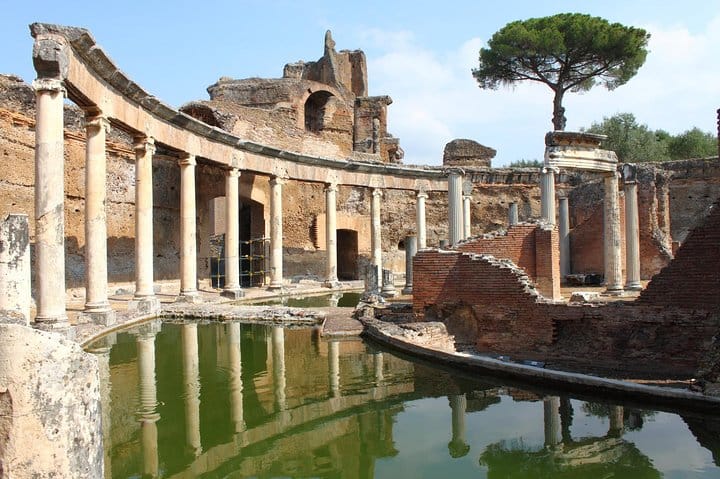
If the reason you are considering a car is to reach places like Tivoli, Pompeii or the Amalfi Coast, start with our Day Trips from Rome — hotel pick-up, entrance tickets and a licensed guide included, from €25.
The Short Answer: Should You Rent a Car in Rome?
Here is the verdict by traveller type, before the detail.
- Staying in Rome for 2 to 5 days, seeing the classic sights: No car. You will pay for it every day and use it almost never.
- Rome plus one or two big excursions (Tivoli, Pompeii, Amalfi, Capri): No car. A guided day trip costs less per person than driving yourself and removes the motorway, the tolls and the parking.
- Rome plus a Tuscany, Umbria or Abruzzo road trip: Yes to a car — but pick it up on the day you leave Rome, not on the day you arrive.
- Family of four or five staying outside the centre, with a hotel that has its own parking: A car can work, but budget for the garage and never drive into the middle.
- Arriving at Fiumicino and heading straight into the city: No car. The Leonardo Express is €14 and the fixed taxi fare is €55.
Driving in Rome: What Actually Goes Wrong
Most visitors who regret their Rome car rental do not regret the driving. They regret the paperwork that arrives four months later.
ZTL Rome: The Camera Zones That Fine You Long After You Fly Home
A ZTL (Zona a Traffico Limitato) is a restricted-traffic zone in the old centre. Only residents, taxis, permit holders and a few authorised categories may enter during the posted hours. There is no barrier and no toll booth. A camera at each gate, called a varco, photographs your number plate, and the fine turns up in the post.
The catch that costs tourists the most money: each gate you cross is a separate fine. One wrong turn following a satnav can become three or four tickets.
Rome's main daytime zones and their 2026 hours:
- ZTL Centro Storico — Monday to Friday 06:30 to 18:00, Saturday 14:00 to 18:00. Switched off on weekday public holidays.
- ZTL Tridente (A1) — the Spanish Steps and Via Condotti area. Monday to Friday 06:30 to 19:00, Saturday 10:00 to 19:00. This is the longest daily window in the city. Its six entry gates sit on Via di Ripetta, Via dei Pontefici, Via Condotti, Via di Propaganda, Via di San Sebastianello and Via del Gambero.
- ZTL Trastevere — Monday to Saturday 06:30 to 10:00.
There are night zones too. Centro Storico and Testaccio run Friday and Saturday 23:00 to 03:00. Trastevere and San Lorenzo start earlier, 21:30 to 03:00, and Trastevere's window is extended on extra evenings during parts of the year. The night gates are suspended for the whole of August and switch back on in September.
Separately, the Fascia Verde is not about the clock at all. It is an emissions zone covering a large ring of the city, active Monday to Saturday around the clock, which bans older, more polluting vehicles regardless of the time. Rental fleets from the big chains are normally compliant, but small local operators are less predictable — ask at the desk.
One more 2026 change worth knowing: since 15 January 2026, the entire Centro Storico ZTL is a 30 km/h zone.
What a mistake costs: ZTL fines in Rome generally run from about €80 to €335 per entry, and if you are in a hire car the rental company adds its own admin fee on top, typically €30 to €50 per ticket, charged to the card you left on file. Many drivers only find out months after the trip.
The tip that matters most: do not trust your phone's navigation to route you around a ZTL. It often will not. If you must drive near the centre, park outside the zone and walk or take the metro in.
Parking in Rome: The Real Prices
Rome's kerbside parking is colour-coded. Blue lines mean paid, white means free (rare near anything you want to see), yellow is reserved for residents, taxis and loading.
Official 2026 rates for blue-line spaces:
- €1.00 per hour outside the ZTL
- €1.20 per hour inside the ZTL
- €0.20 for 15 minutes for a quick stop, meter payment only
- €4.00 for 8 continuous hours
- €70.00 for a calendar month
Payment is normally Monday to Saturday, roughly 08:00 to 19:00 or 20:00, and Sundays are free in most zones — but not all of them. Central and heavily visited areas can charge on Sundays too, so read the sign on the pole, not the guidebook. Meters do not give change, so carry coins, or pay through the MyCicero app, which lets you extend from your table at lunch instead of running back to the car.
If you want a guarded garage instead of circling the block, the underground SABA car park on Viale del Muro Torto, under Villa Borghese, has around 1,800 spaces, is open 24 hours and sits just outside the ZTL. Expect roughly €2.30 to €2.60 per hour with a daily cap of about €22. Central hotels that offer parking usually charge somewhere in the range of €25 to €40 a night — confirm the exact figure with your hotel before you book a car, because this is the cost most travellers forget.
Is It Safe to Drive in Rome?
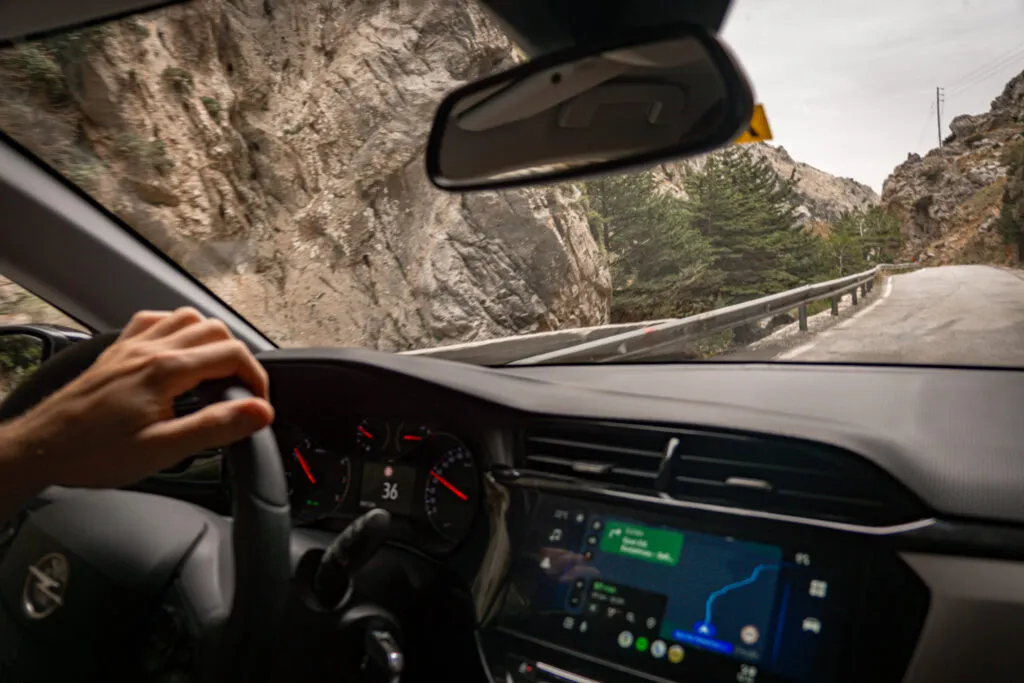
Safe, yes. Relaxing, no. Rome is not a dangerous city to drive in, but it is a demanding one. Lane discipline is loose, scooters filter through gaps you did not know existed, roundabouts run on eye contact rather than signals, and the Grande Raccordo Anulare ring road backs up hard at rush hour. Drivers used to calm suburban roads often describe their first hour in Rome traffic as the most stressful part of the holiday.
Confident drivers manage fine. The question is whether you want to spend your holiday managing it.
The Real Cost of Renting a Car in Rome in 2026
Headline rental rates are not the number you will pay. Here is the full picture for a small car such as a Fiat Panda or Citroën C3, picked up at Fiumicino, in shoulder season and booked a few weeks ahead.
Base rental: roughly €35 to €60 per day for an economy car in spring or autumn, less in November, considerably more in July and August. Booking about three weeks out usually lands the better rate.
Damage cover: the big cost nobody plans for. A full super-cover or zero-excess package sold at the desk commonly adds €15 to €25 per day, which can double a cheap rental. Buying cover in advance, or relying on a credit card policy you have checked in writing, is far cheaper — but if you decline the desk cover, the company will block a deposit on your credit card, typically €500 to €1,500, until the car comes back.
Fuel: in late August 2026, self-service petrol on ordinary Italian roads averaged around €2.00 per litre, and about €2.08 on the motorway network. Diesel was higher, hovering near €2.10 to €2.19. Filling a 50-litre tank is roughly a €100 stop. Always use self-service — the servito pump costs about 13 cents a litre more.
Motorway tolls: Italy's tolls rose 1.5% on 1 January 2026. Rome to Naples on the A1 is about €16.50 each way for a standard car. Rome to Florence is a longer, pricier run.
Extras that stack up: airport pick-up surcharge, additional driver at around €10 a day, a young-driver fee if anyone is under 25, one-way drop-off fees, and a child seat if you need one.
Paperwork: if your licence was issued outside the EU, Italian law requires an International Driving Permit carried alongside it, under Article 135 of the Highway Code. The penalty for driving without one starts at around €400 and can climb to roughly €1,600. Major chains at Fiumicino — Hertz, Avis, Europcar, Sixt, Budget, Maggiore — will refuse the pick-up if you cannot produce it, and you will lose your booking with no refund. Apply well before you fly; processing can take several weeks.
Four Days in Rome: With a Car vs Without
With a rental car
- Small car, 4 days: approximately €140 to €240
- Full damage cover at the desk: approximately €60 to €100
- Public garage at about €22 per day, or a hotel garage at €25 to €40 per night: approximately €88 to €160
- Fuel for city running plus one excursion: approximately €40 to €60
- Credit card deposit blocked: €500 to €1,500
- Realistic total, assuming zero fines: roughly €330 to €560
- What you get: the ability to leave the city whenever you like
- What you do not get: any use of the car in the historic centre during ZTL hours, which is most of the day, every working day
Without a rental car
- Fiumicino to the centre: Leonardo Express €14 per person, or the fixed official taxi fare of €55 for up to four people and all luggage to any address inside the Aurelian Walls. The cheaper FL1 regional train is €8 but does not stop at Termini
- City transport: the BIT ticket is €1.50 and covers 100 minutes of buses and trams plus one metro entry. Note that a rise to €2.00 has been proposed and is pending regional approval, so check the current fare before you travel
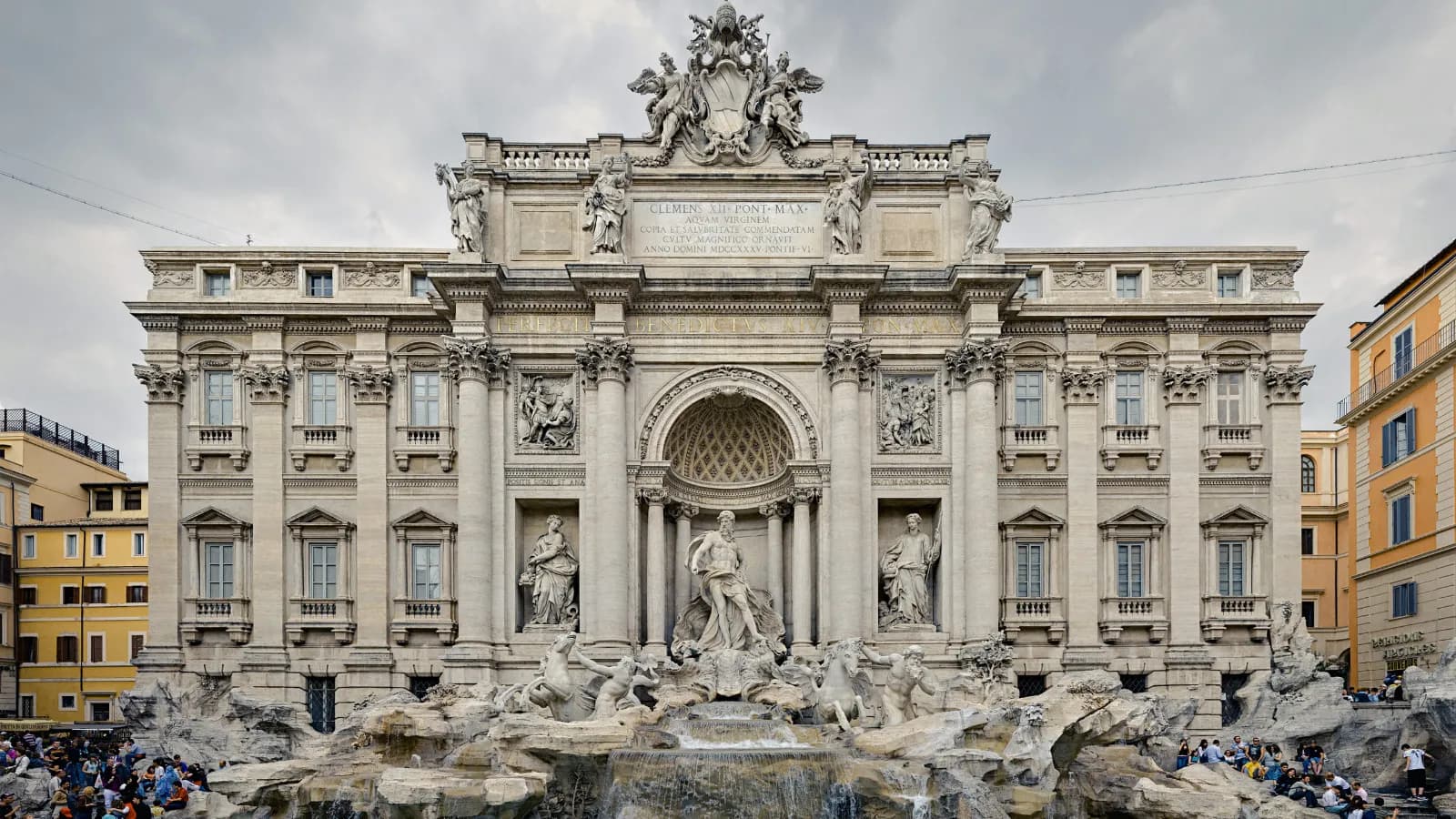
- Most of the centre — Pantheon, Trevi, Piazza Navona, Campo de' Fiori — is walkable end to end
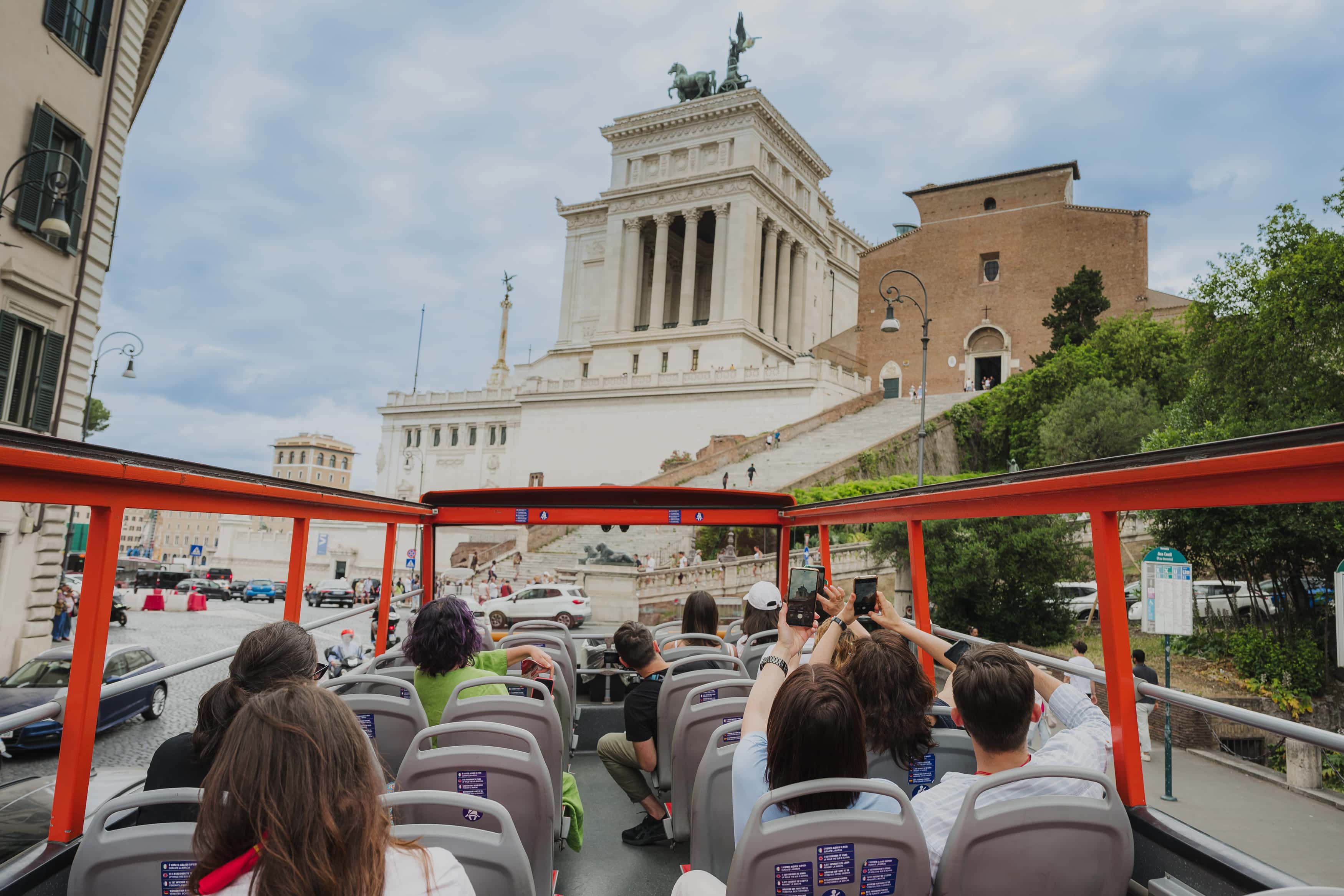
- Panoramic sightseeing if you want it: our Rome Hop-On Hop-Off Sightseeing Tour from €18.27, or the Daily Ticket – Hop-On Hop-Off at €23.02 (normally €28.42)
- Realistic total for four days of city transport: often under €60 per person
- What you do not get: unplanned countryside detours
For a couple, that is a difference of several hundred euros — before a single ZTL camera goes off.
Car vs Guided Day Trip: The Price Comparison Nobody Shows You
The strongest argument for renting is usually "we want to see Pompeii and Tivoli." So here is what each option actually costs, using our real current prices.
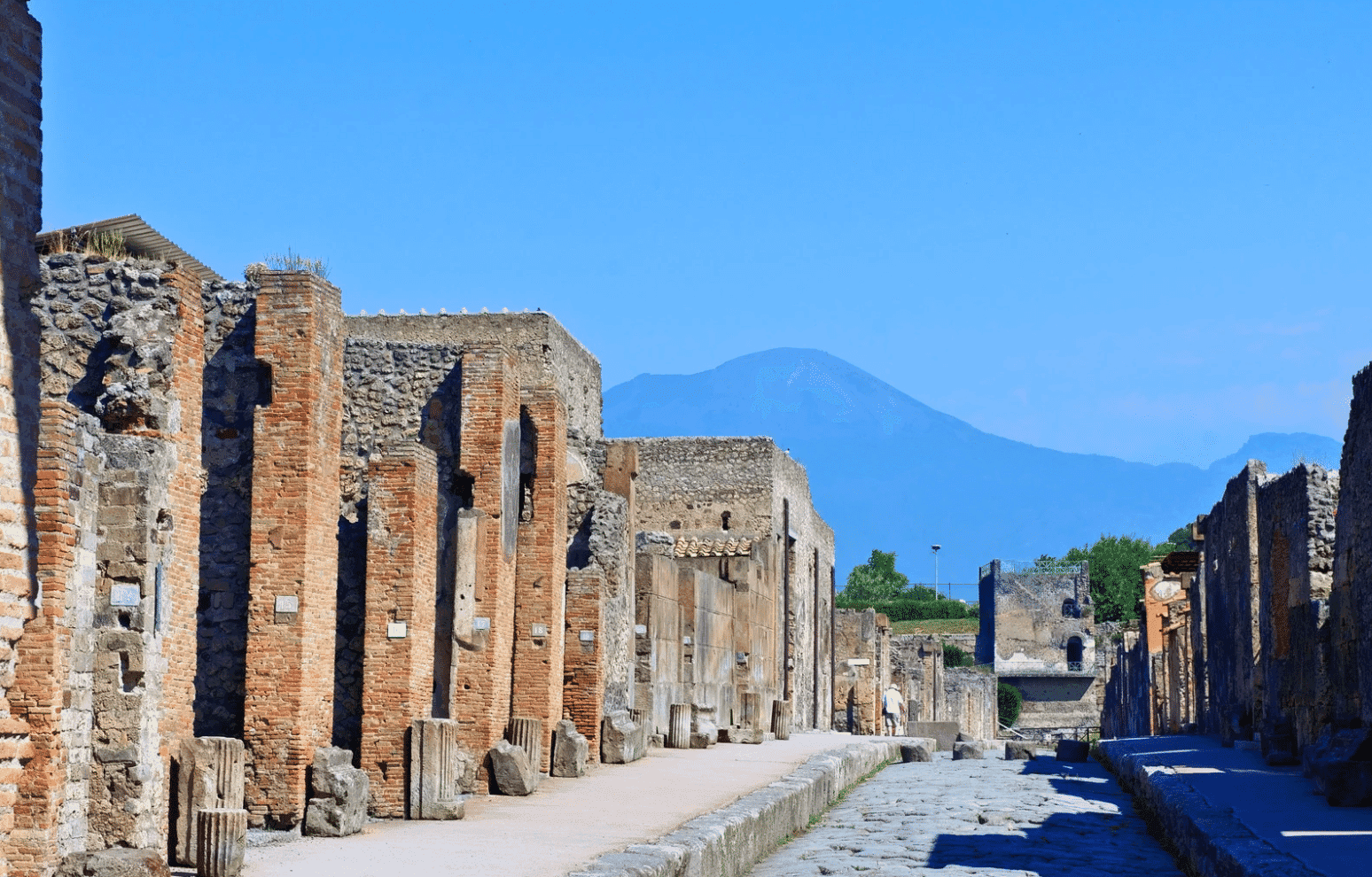
Pompeii
Driving yourself: Rome to Pompeii is about 240 km each way, roughly 2 hours 45 minutes without traffic.
- Car for the day plus damage cover: approximately €60 to €95
- A1 tolls, both directions: approximately €33
- Fuel, around 480 km round trip: approximately €55 to €65
- Parking near the archaeological park: approximately €5 to €10
- Pompeii entrance ticket: approximately €22 per person
- No guide, no reserved slot, and about 5 to 6 hours behind the wheel
- Total for one person: roughly €175 to €225. For two: roughly €197 to €247, or €99 to €124 each
Our tour: Pompeii ruins with Skip the line ticket from Rome — €77.35 per person, reduced from €128.91. Return transport from Rome and a pre-booked entrance ticket are included, so you arrive with your slot already held instead of joining the ticket queue in the sun. Prefer a licensed guide walking you through the ruins? Pompeii and its ruins Guided Tour from Rome is €84.65, down from €141.09.
This is the part worth saying plainly: our Pompeii day trip costs less per person than driving yourself, even for a couple, and you do not spend six hours on the A1.
Tivoli
Driving yourself: Tivoli is only about 32 km from Rome, so fuel and tolls are minor. The real problems are different. Villa Adriana sits at the bottom of the hill and Villa d'Este sits at the top, roughly 4 km apart, and Tivoli's own town centre has restricted access and tight, steep streets. Budget around €60 to €95 for the car and cover, €8 to €10 for fuel, €5 to €10 for parking, plus €15 for Villa Adriana and €12 for Villa d'Este per person.
That comes to roughly €100 to €142 for one person, or €127 to €169 for two — and you still navigate two separate sites, two ticket desks and the hill in between on your own.
Our tour: Tivoli Tour and its villas Guided Tour from Rome with Hotel Pick-Up — €132.46 per person, reduced from €147.18. You are collected at your hotel, both villas are covered with an expert guide, and the transfer between them is handled for you.
For a solo traveller or a couple who value the guiding, that is close to or better than the DIY cost. For a family of four counting only euros, self-driving Tivoli can come out cheaper — we would rather tell you that than pretend otherwise. What the tour buys is the hotel door-to-door logistics, the guide, and a day with no ZTL exposure and no hill parking.
Amalfi Coast and Capri
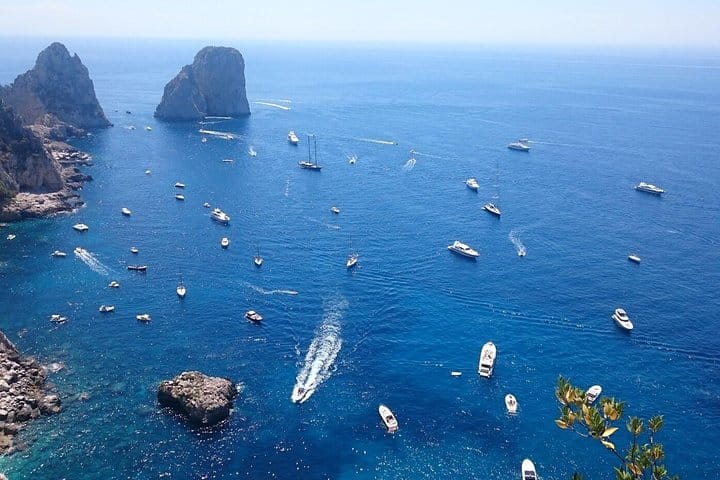
These are the two trips where driving yourself is genuinely a bad idea. The Amalfi coast road is narrow, cliff-edged and clogged in season, with almost no parking in Positano. Capri is an island — the car stays on the mainland.
- Amalfi and Positano small-group day trip from Rome — €227.47, reduced from €252.74
- Capri Guided Day Trip from Rome — €236.60, reduced from €262.89
Most of our experiences offer free cancellation up to 24 hours before the start time and instant confirmation — the exact policy is shown on each activity page.
When Renting a Car in Italy IS Worth It
There are real cases where a car earns its keep. Almost all of them start once you have left Rome.
- A Tuscany or Umbria road trip. Hill towns like Montepulciano, Pienza, Civita di Bagnoregio and Montefalco are poorly served by trains and buses. A car transforms this region.
- Agriturismo and countryside stays. If your accommodation is 6 km down a gravel road with olive trees on both sides, you need wheels.
- Abruzzo, the Gargano, inland Puglia, Basilicata. Beautiful, rewarding, and thin on public transport.
- Castelli Romani and Lake Bracciano circuits. Frascati, Nemi, Castel Gandolfo and Bracciano string together nicely by car in a day.
- Travelling with elderly relatives, small children or a lot of luggage, where door-to-door matters more than money.
The strategy our team recommends for almost everyone in this group: do not rent for your Rome days. Enjoy Rome on foot and by metro, then pick up the car on the morning you leave the city, from an airport or a station-adjacent depot outside the ZTL, and drop it at the airport on your way home. You pay for the car only on the days it earns its keep, and you never park it in central Rome at all.
Popular tours & tickets
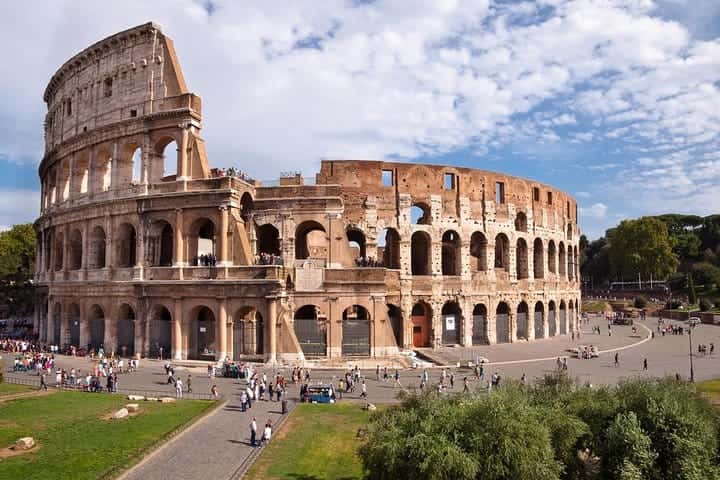
Pros and Cons of Renting a Car in Rome
Pros
- Total freedom of timing for trips outside the city
- Better value than tours for larger groups doing rural, multi-stop routes
- Luggage stays in the boot instead of on your shoulders
- Reaches villages, wineries and beaches with no rail service
- Useful base-to-base travel if you are touring several regions
Cons
- The historic centre is closed to you during ZTL hours, which is most of the working day
- Each camera gate is a separate fine, from about €80 to €335, plus a rental admin fee
- Blue-line parking near anything worth seeing, at €1.00 to €1.20 an hour, or €22 a day for a garage
- Petrol around €2.00 a litre and tolls up 1.5% this year
- Damage cover at the desk can cost as much as the car itself
- A €500 to €1,500 deposit blocked on your credit card during the trip
- Non-EU licences need an International Driving Permit or the pick-up is refused
- Fines arrive months later, when you can no longer remember the junction
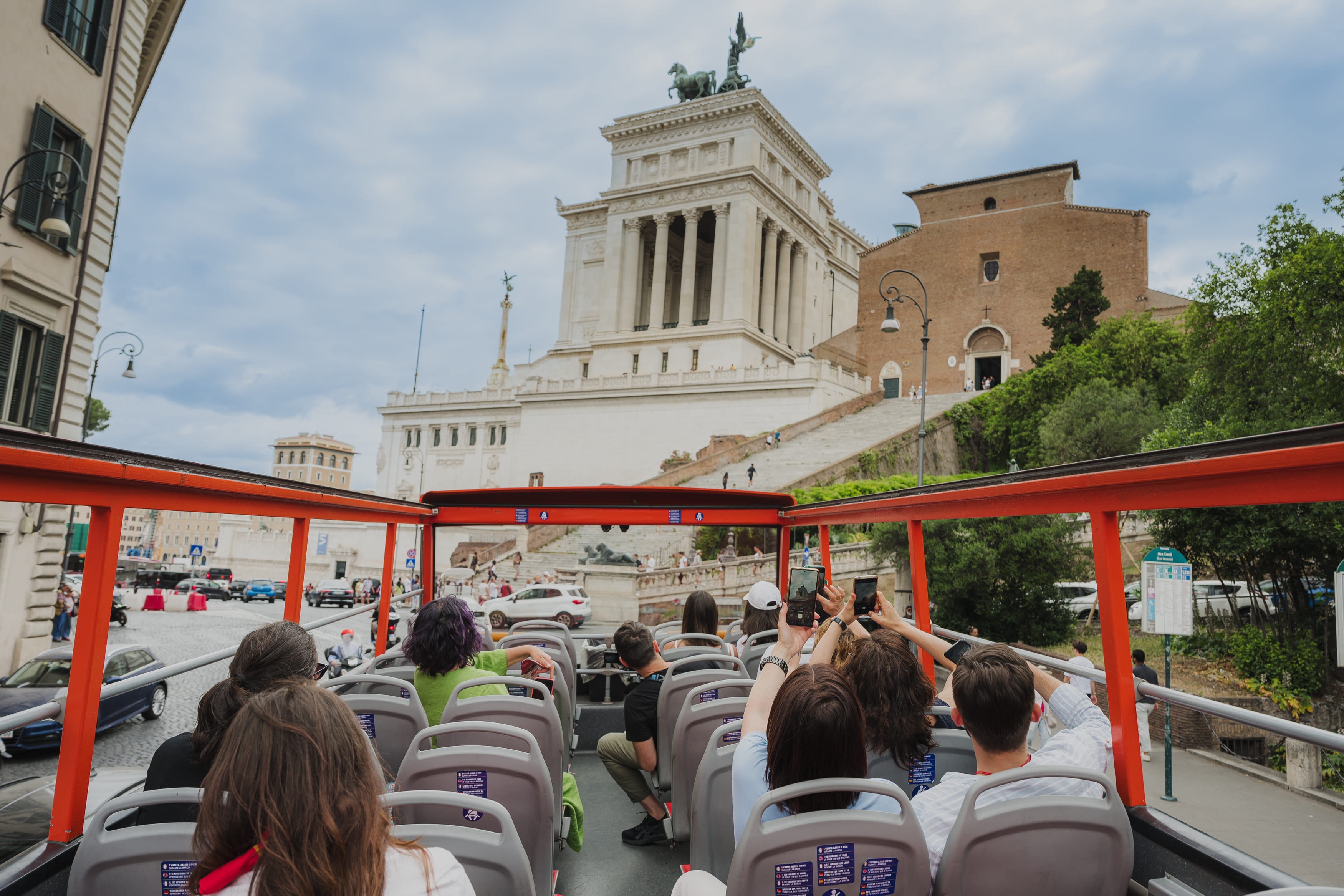
Getting Around Rome Without a Car
- Walk. The distance from the Pantheon to the Trevi Fountain is about six minutes. Piazza Navona to Campo de' Fiori is four. Rome's centre is compact in a way maps do not convey.
- Metro and bus. Three metro lines plus trams and buses. A BIT ticket at €1.50 covers 100 minutes. Validate the moment you board.
- Hop-on hop-off buses. Useful for the wider circuit — Vatican, Colosseum, Spanish Steps — especially on a first day or with tired legs. See our Rome Hop-On Hop-Off Sightseeing Tour from €18.27, Big Bus Rome at €25, or Green Line Tours Rome at €22.
- Taxis. Licensed white cars, from ranks or by app. The Fiumicino fixed fare of €55 to any address inside the Aurelian Walls covers up to four people and all bags, at any hour. Never accept a ride from someone approaching you in the terminal.
- Trains for longer hops. Frecciarossa connects Rome to Florence, Milan and Naples faster than any car, and you arrive in the city centre rather than a suburban car park.
If You Still Want to Rent: 9 Rules That Save You Money
- Get the International Driving Permit before you fly if your licence is non-EU. Without it, the desk can and does refuse.
- Rent from the airport, return to the airport. It keeps your ZTL exposure close to zero.
- Do not rent for your Rome nights. Start the rental the day you leave the city.
- Sort damage cover before you arrive, in writing. Desk upsells are where cheap rentals stop being cheap.
- Bring a real credit card in the main driver's name. Debit cards are often refused for the deposit.
- Photograph and video the car on all sides, plus the roof, wheels and fuel gauge, before you drive off, and again at return.
- Take a full-to-full fuel policy and refill at self-service before you hand the keys back.
- Check the sign, not the satnav. Varco attivo means the gate is live and you must not enter. Varco non attivo means you may.
- Ask your hotel about ZTL access before booking a car, not after. Hotels inside a zone can often register your plate temporarily, but only if you arrange it in advance.

Renting a Car in Rome: Common Questions
Do I need a car to visit Rome? No. The centre is walkable, the metro and bus network is cheap at €1.50 per ride, and the sights you came for sit inside zones your car cannot legally enter for most of the day.
Can I drive to the Colosseum or the Vatican? Not into the restricted core during ZTL hours, and there is no visitor parking at either. Park well outside and walk or take the metro.
What happens if I accidentally enter a ZTL in Rome? A camera photographs your plate and a fine follows, generally €80 to €335 per gate. With a hire car the notice goes to the rental company, which charges your card and adds an admin fee, usually €30 to €50. It often arrives several months later.
Is parking free in Rome on Sundays? In most blue-line zones, yes. In parts of the historic centre and some tourist areas, no. Check the sign at the parking meter.
Do I need an International Driving Permit to rent a car in Italy? If your licence was issued outside the EU, yes. Italian law requires it alongside your national licence, and the major rental chains enforce it at the counter.
Is it cheaper to rent a car or book a day trip from Rome? For Pompeii, our guided day trips work out cheaper per person than driving, even for two people, once tolls, fuel, parking and the entrance ticket are counted. For short, nearby trips with four or more people sharing, a car can be cheaper in pure euros — but you take on the driving, the parking and the fine risk.
What is the best way to get from Fiumicino Airport to central Rome? The Leonardo Express at €14 takes 32 minutes non-stop to Termini. The official taxi flat fare is €55 to any address inside the Aurelian Walls. A car rental for an airport-to-hotel run makes no sense — you would be driving straight into the zones you cannot enter.
Is driving in Rome difficult for foreign drivers? It is not dangerous, but it is intense: heavy scooter traffic, assertive lane changes and busy roundabouts. Confident drivers cope. Nervous ones usually wish they had not.
The Verdict on Renting a Car in Rome
Rent a car for Italy, not for Rome. If your trip is Rome and a couple of famous excursions, skip the rental entirely: you will save several hundred euros, avoid the camera zones, and spend your days looking at the city instead of looking for a parking space. If you are heading into Tuscany, Umbria or the deep south afterwards, pick the car up the morning you leave and enjoy every kilometre of it.
For the excursions themselves, let someone else drive. Browse our Day Trips from Rome — Pompeii from €77.35, Tivoli with hotel pick-up from €132.46, Amalfi and Positano from €227.47 — with licensed guides, included entry tickets and instant confirmation.
Written by
Admin
We are a licensed Rome-based tour operator (Get Your Roman Tours S.R.L.S.). Our guides run tours at these places every week — everything here comes from doing it, not researching it. About us · Ask us anything