Common Tourist Scams in Rome and How to Avoid Them (2026 Guide)

Most Rome tourist scams are not dangerous. They are quiet, fast, and expensive. A bracelet tied on your wrist. A "skip-the-line ticket" sold on the street that scans as invalid at the gate. A taxi meter that runs on a route where a fixed fare is the law. Nobody threatens you. You just leave Rome €40, €120 or €300 lighter and unsure when it happened.
Our travel experts meet guests outside Rome hotels and at Colosseum meeting points almost every morning, and the same stories repeat all year. This guide lists the tricks that actually happen in 2026, where each one happens, what it costs, and the exact sentence or action that ends it. It also gives you the real 2026 official ticket prices, so you can spot a fake price the moment you hear one.
The single biggest money loss for visitors is not a pickpocket. It is a ticket bought from the wrong person outside a monument. If you only fix one thing before your trip, lock in your Colosseum entry with a licensed guide in advance: Colosseum Guided Tour with Roman Forum & Palatine Hill. Once you have a confirmed time slot on your phone, every tout on Piazza del Colosseo becomes noise you can walk past.
Is Rome Dangerous? An Honest Look at the Rome Crime Rate
Rome is not a dangerous city for visitors. Violent crime against tourists is rare. What Rome does have, in high volume, is petty theft and street selling aimed at people who are tired, carrying luggage, holding a phone, and looking up at something beautiful.
Two things follow from that:
- The risk is about your bag and your wallet, not your safety.
- The risk is concentrated. It sits in maybe eight or nine spots in the whole city. Learn them and you have removed most of the problem.
Rome is not unusual here. Paris, Barcelona and Prague run the same list of Europe tourist scams with different accents. The bracelet trick at the Sacré-Cœur steps is the bracelet trick at the Spanish Steps.
Where Rome Pickpockets Actually Work
Pickpockets in Rome do not roam. They stand where the crowd squeezes and where hands are busy.
- Metro Line A, Termini to Spagna. The most worked stretch in the city. Doors, not seats, are the danger zone.
- Bus 64 and bus 40 between Termini and the Vatican. Both are packed with visitors and famous among locals for theft. Bus 40 is the express version and just as bad.
- Termini station, especially the ticket machine hall and the platform funnels.
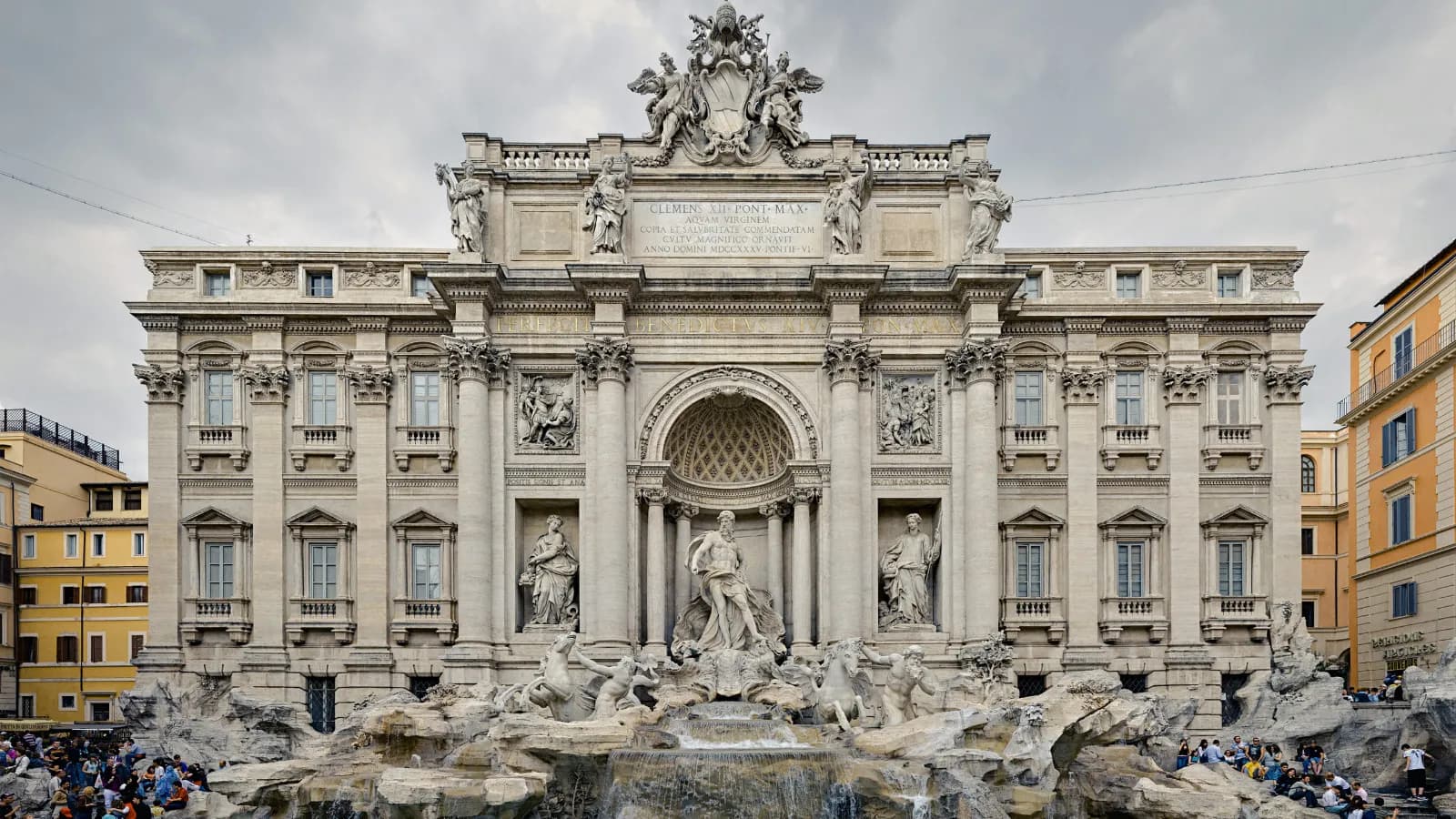
- Trevi Fountain. Permanent crowd crush, no personal space, everyone holding a phone up.
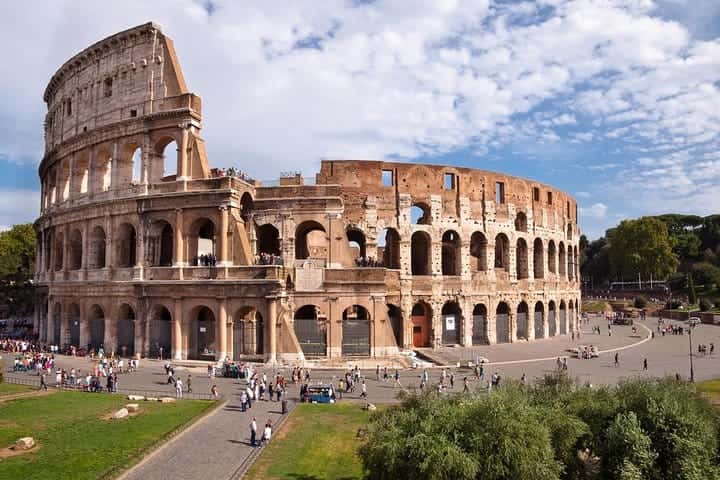
- The Colosseum exterior while people stop, queue and dig for tickets.
- The Vatican Museums queue on Viale Vaticano. Long, slow, bags open, expensive cameras out.
- The Spanish Steps, where people set bags down for photos.
- Piazza Navona and Campo de' Fiori after dark, where drinks and phones sit on outdoor tables.
Simple fix that works everywhere on that list: bag in front of your body, zip facing inward, phone in a front pocket or in your hand, nothing in the outer pocket of a backpack, nothing in a back pocket ever.
The 12 Most Common Rome Tourist Scams in 2026
1. Street ticket sellers and fake "official guides" outside the Colosseum
This is the costliest one. People stand near Piazza del Colosseo and the metro exit holding lanyards and clipboards, saying the queue is four hours, tickets are sold out, and they can get you in now. Some sell real tickets at double the price. Some sell tours that turn out to be a walk around the outside. Some sell nothing at all.
What to do: never buy an entry ticket from a person standing in the street, anywhere in Rome. A real operator has a booking confirmed on your phone before you arrive, with a company name, a VAT number and a support line. Buy before you land, or book the Colosseum with a licensed guide here, and walk straight to your meeting point.
2. The free bracelet and the free rose
Near the Spanish Steps, Trevi, Castel Sant'Angelo and the Vatican approaches. Someone starts talking, is friendly, and ties a woven bracelet on your wrist before you process what is happening. Then the price appears: €20, sometimes more. Roses work the same way and are usually handed to a partner, so refusing feels rude in front of them.
What to do: hands in pockets, keep walking, no eye contact, no smiling apology. If the bracelet is already on, take it off, put it down on a wall or a ledge near them, and leave. Do not hand it back, because that starts another conversation.
3. The clipboard petition
Usually a group, often young, sometimes signalling that they cannot hear or speak. They push a clipboard and a pen at your chest. While you read it, one hand works your bag. If you sign, they demand a "donation" of €10 or €20.
What to do: the clipboard itself is the theft tool. Do not read it. Say "no" once, firmly, and keep moving in a straight line.
4. The gladiator photo
Costumed centurions near the Colosseum and Piazza Venezia invite you to pose, then ask €20 to €40 per person once the photo is taken. Rome's authorities have cracked down on this activity for years, which tells you what it is. There is no fixed price, so the number is whatever they think you will pay, and it often multiplies by the number of people in the shot.
What to do: if you want the photo, agree the total price out loud, for the whole group, before anyone poses. Otherwise, do not stop.
5. Unlicensed taxis and the meter trick
At Fiumicino and outside Termini, men in smart clothes approach passengers inside the terminal or hall and offer a ride. Real Rome taxis never do this. They wait in the rank outside.
Here are the 2026 numbers worth memorising:
- Fiumicino (FCO) to anywhere inside the Aurelian Walls: €55 fixed. All in, up to four passengers, luggage included, day or night. No luggage surcharge, no toll surcharge.
- Ciampino (CIA) to the same central area: €40 fixed.
- Licensed Rome taxis are white, with a TAXI roof sign and a Roma Capitale licence number on the front door.
One detail almost nobody tells you: the fixed airport fare applies to taxis licensed by Roma Capitale. Some cabs at Fiumicino are licensed by the Municipality of Fiumicino and may legally run the meter on the same trip, which can cost more. Check the door badge, or ask the rank attendant.
What to do: ignore anyone who approaches you indoors. Walk to the marked rank. Say the fixed fare out loud before you sit down: "cinquantacinque, dentro le mura?" Ask for a receipt (ricevuta) at the end. Card payment is normal in licensed taxis; ask before you set off.
6. The restaurant with no prices
The classic Rome tourist trap sits within 200 metres of a monument, has a man outside inviting you in, and shows photos of the food on a board. The bill arrives with a coperto you did not expect, a servizio line of 10 to 15 percent, "fresh fish" priced by weight, and drinks nobody ordered.
Some of this is legal. A coperto of roughly €1 to €3 per person is standard in Rome and is not a scam. A service charge added on top of a coperto, on a menu that showed neither, is where it turns.
What to do:
- Ask for the listino prezzi (price list) before you sit down. Restaurants are required to make prices available.
- Walk two streets away from the monument. Prices drop by a third.
- Never accept "special of the day" without asking the price.
- If something appears on the bill that was never on the menu, ask politely for it to be removed and ask for a receipt. The receipt is a legal document in Italy and most places will fix the bill rather than argue.
7. The helpful stranger at the ticket machine
Termini and the bigger metro stations. A friendly person offers to help you use the ATAC machine, taps some buttons, then asks for a few euros, or simply pockets your change while your eyes are on the screen. A variant sells you an already-used or invalid paper ticket at "a discount."
What to do: buy transport tickets from the machine yourself, from a tabaccheria, or in the official transport app. Rome's standard single ticket is €1.50 and covers metro, bus and tram for 100 minutes. Nobody official will offer to press buttons for you.
8. The ATM that offers to "help" with currency
Independent ATMs near tourist spots ask whether you want to be charged in your home currency. Say yes and the machine sets its own exchange rate, which is usually poor. The same screen appears on card machines in shops.
What to do: always choose to be charged in euros. Let your own bank handle the conversion. Prefer ATMs attached to a real bank branch (Intesa Sanpaolo, UniCredit, BNL) over free-standing machines in shopping streets.
9. The fake police check
Someone in plain clothes shows a badge, says there are counterfeit notes in the area, and asks to inspect your wallet or passport. It is over in seconds and you notice nothing missing until later.
What to do: real Italian police do not stop tourists in the street to inspect cash. Do not hand over your wallet. Say you will happily walk to the nearest questura (police station) to do the check there. Genuine officers will accept this. Scammers leave immediately.
10. The distraction bump
Many versions, one design. Someone spills a drink on you and apologises while cleaning you up. A baby, or a bundle wrapped like one, is pushed toward you to catch. A map is unfolded in your face. Someone drops coins in front of you on a metro escalator and everyone bunches up behind.
What to do: when anything sudden and physical happens in a crowd, your first move is to put both hands on your bag and phone, then deal with the situation. Not the other way around.
11. Fake "Trevi Fountain tickets"
Rome now runs an official access system for the lower area right at the fountain basin, with a small official fee, while viewing from the piazza above stays free. That new system has created a new scam: people selling "Trevi entry tickets" or "priority passes" to the fountain in the surrounding streets.
What to do: nobody in the street sells access to the Trevi Fountain. Check the current official arrangement on our Trevi Fountain page before you go, and treat any street offer as fake. If you want the fountain explained rather than just photographed, take a guided walk that includes it.
12. The €10 designer bag
Sellers spread sheets of "Gucci" sunglasses and "Louis Vuitton" bags near Piazza Navona, the Vatican and Termini. It looks like a harmless souvenir. Under Italy's anti-counterfeiting law, the buyer can be fined, and the reported maximum runs into thousands of euros.
What to do: do not buy. It is the one Rome street purchase that can cost more than the item ever could.
Termini Station Safety: The One Place to Slow Down
Termini is not a no-go zone. It is Rome's busiest transport hub, it is full of police, and thousands of visitors pass through it safely every day. It just concentrates every risk on this page into one building.
Practical rules for Termini station safety:
- Keep luggage touching your leg or between your feet while you check the boards. Bags on wheels behind you walk away.
- Use the official ATAC machines and the staffed ticket windows only.
- Take the taxi rank outside on Piazza dei Cinquecento. Refuse every offer made to you inside.
- Late at night, the streets immediately around Termini are the quietest and least pleasant part of central Rome. Take a taxi to your door instead of walking ten minutes.
- If you arrive with heavy bags and a tight schedule, a pre-booked transfer removes the whole problem. See our Rome transfer and package options.

Ticket Scams Explained: What Official Entry Really Costs vs What a Guided Tour Costs
Street sellers work because most visitors do not know the real prices. Here they are, along with ours, so the gap is visible instead of suspicious.
Colosseum, Roman Forum and Palatine Hill
Official option: the standard ticket is €18 (€16 entry plus a €2 booking fee) on the state ticketing site, and it covers the Colosseum, Roman Forum and Palatine Hill for 24 hours. What you get: a timed entry slot. What you do not get: a guide, arena floor access, commentary, flexibility, or help if the slot you want has gone. Slots are released about 30 days ahead and popular summer dates disappear quickly. Official tickets are generally non-refundable and non-transferable, so a delayed flight means a lost ticket. The site is honest, it just leaves you alone with the logistics.
Our option: Colosseum Guided Tour with Roman Forum & Palatine Hill — €72.17 (down from €80.19). What that price covers: your entry ticket to all three sites, a licensed professional guide for about 3 hours, priority entrance at the reserved-slot gate, radio headsets so you can hear the guide in the crowd, instant confirmation, and a mobile ticket. So the difference between €18 and €72.17 is not a queue-jumping trick. It is roughly €54 buying three hours of a licensed guide, a reserved arrival slot, headsets and a booking you can reach a human about. If you want the cheapest possible entry and have a flexible date, the official €18 ticket is the honest answer. If you want the visit explained and the logistics removed, the tour is what that gap pays for.
Vatican Museums and the Sistine Chapel
Official option: the full-price ticket is €20 at the desk, rising to €25 once the online reservation fee is added. That gets you through the door with no guide and no explanation, into one of the most confusing museum routes in Europe.
Our options:
- Vatican Museums & Sistine Chapel Skip-the-Line Tickets — €65, about 2 hours, reserved entry with a mobile ticket.
- Vatican Museum, Sistine Chapel & St. Peter's Basilica Tour — €100 (down from €125), about 3 hours, with a guide across all three sites.
Sightseeing bus
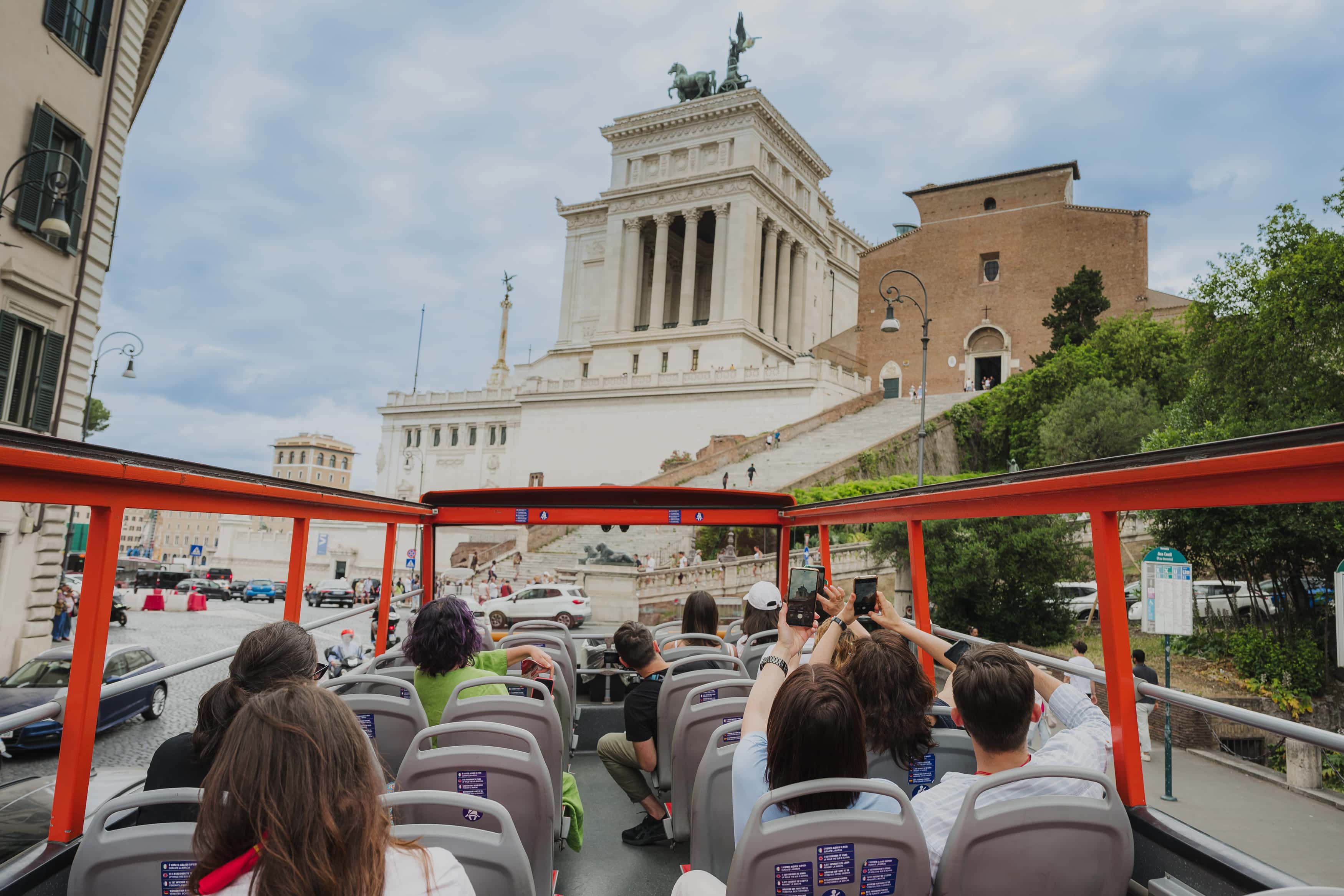
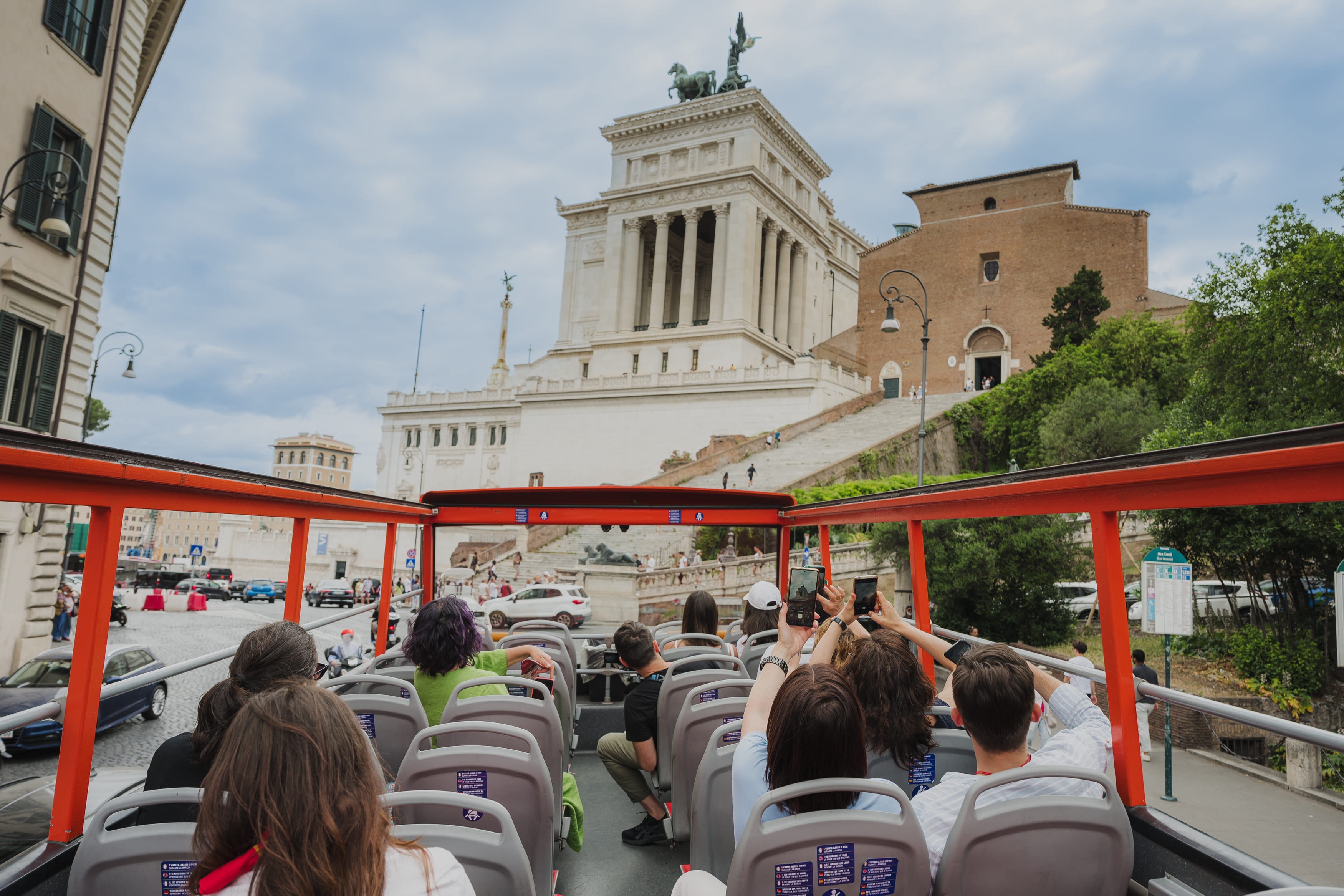
Fake "bus tour" sellers work the streets near Termini and the Vatican with laminated cards and no company behind them. Buy from an authorised seller instead: Green Line Tours Rome Hop On Hop Off tickets from €22, or the Rome Hop-On Hop-Off Sightseeing Tour from €18.27. Both come with a mobile ticket you hold before you travel.
Free cancellation is available on many of our experiences; the exact window is shown on each product page [insert current cancellation window for the Colosseum tour before publishing].
Popular tours & tickets
What to Do If You Are Pickpocketed in Rome
Speed matters more than anything else.
- Block your cards first, from your banking app, before you do anything else. This is the step that limits the real loss.
- Call 112 if the theft has just happened and the person is still nearby. It is the single emergency number in Italy and has English-speaking operators.
- File a report (denuncia) at a police station. There is a police office inside Termini station, and Carabinieri stations across the centre. You need this document for any travel insurance claim, and you need it to replace a passport.
- If your passport is gone, contact your embassy or consulate in Rome the same day. Bring the police report.
- Track the phone from a laptop or a travel companion's device and hand any location to the police rather than going after it yourself.
Ten Habits That Make You a Hard Target
- Carry a crossbody bag with the zip against your body, not a backpack, in crowds.
- Split your money: one card and small cash for the day, the rest in the hotel safe.
- Leave your passport in the safe and carry a photo of it on your phone.
- Never put anything in a back pocket. Not even a €5 note.
- Phone away from the table edge at outdoor cafés.
- On the metro, stand with your back to the wall of the carriage, not to the door.
- Do not stop for anyone who approaches you first, ever. This one rule blocks eight of the twelve tricks above.
- Learn "no, grazie" and use it while walking, not while standing.
- Book tickets and tours before you arrive so no queue conversation is ever a decision.
- Do not carry a shopping bag with a designer logo through Termini or Line A.
Fines Visitors Actually Receive in Rome
These are not scams, but they surprise people just as much and cost real money.
- Sitting on the Spanish Steps has been banned since 2019. The reported fine is around €250, rising to about €400 if the steps are dirtied or damaged. Officers in high-visibility vests patrol with whistles.
- Wading, paddling or climbing into any Rome fountain, including the Trevi, carries fines reported in the €200 to €500 range.
- Eating or sitting on monuments, fountain rims and church steps falls under the same urban decorum rules, with fines reported from roughly €160.
- Buying counterfeit goods is an offence for the buyer, not just the seller.
Treat every fountain and monument as something to stand next to, not sit on, and none of this will ever apply to you.
Book the Big Things Before You Land
Almost every scam on this page needs one thing to work: an unplanned moment. A missing ticket. A sudden queue. A bag that is not zipped because you are still deciding what to do next.
Removing those moments is the whole trick. Lock your two big-ticket visits in advance, arrive at a stated meeting point, and Rome's street sellers become background noise.
- Start with the Colosseum Guided Tour with Roman Forum & Palatine Hill, €72.17.
- Add the Vatican Museum, Sistine Chapel & St. Peter's Basilica Tour, €100.
- Browse everything else in things to do in Rome.
Rome Tourist Scams: Frequently Asked Questions
Is Rome safe for tourists in 2026? Yes. Violent crime against visitors is rare. The realistic risk is pickpocketing and street selling in about eight crowded spots, and both are avoidable with basic habits.
Is Rome safe at night? The historic centre, Trastevere, Monti and the area around Piazza Navona are lively and comfortable late into the evening. The streets immediately around Termini are the exception after midnight. Take a taxi rather than walking there.
How common is pickpocketing in Rome? Common enough that ATAC posts warnings in metro stations. It is concentrated on Metro Line A between Termini and Spagna, on buses 40 and 64, and in the crowd crush at Trevi and the Colosseum.
Are Rome taxis a scam? No. Licensed white taxis with a Roma Capitale badge are regulated and fine. The problems come from unlicensed drivers who approach you inside airport terminals and stations. The fixed fare is €55 from Fiumicino and €40 from Ciampino to central Rome.
Can I trust street sellers offering skip-the-line tickets? No. Buy entry tickets and tours online in advance from a registered company with a booking confirmation, a VAT number and customer support. Never from a person holding a lanyard in the street.
What is the safest way to carry money in Rome? One card and around €50 in cash for the day in a front pocket or zipped crossbody bag, with the rest in your hotel safe. Cards are accepted almost everywhere, including in licensed taxis.
What number do I call if something happens? 112, the single European emergency number, works throughout Italy and has English-speaking operators.
Note for the editor: all own-product prices above (Colosseum €72.17, Vatican skip-the-line €65, Vatican combo tour €100, Green Line hop-on hop-off €22, City Sightseeing €18.27) were taken from getromantours.com on 25 August 2026 and are "starting from" prices — re-check before publishing, as promotional prices change. The only placeholder is the free-cancellation window for the Colosseum tour. Also worth checking: our Trevi Fountain blog post and this article must state the same official access arrangement and fee, so please confirm they match.
Written by
Admin
We are a licensed Rome-based tour operator (Get Your Roman Tours S.R.L.S.). Our guides run tours at these places every week — everything here comes from doing it, not researching it. About us · Ask us anything