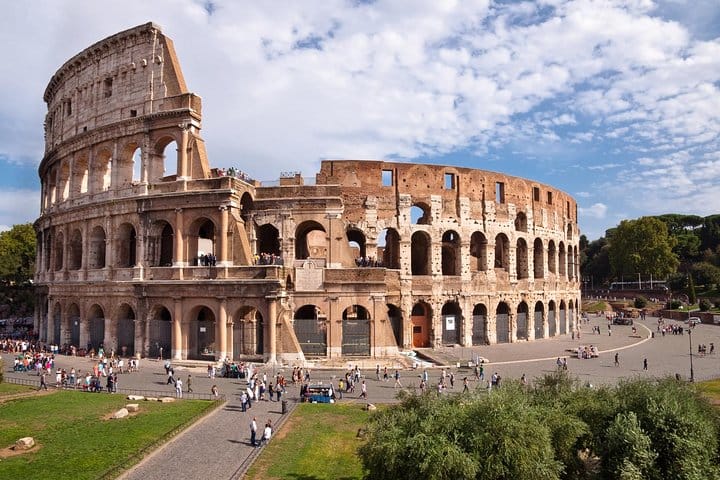
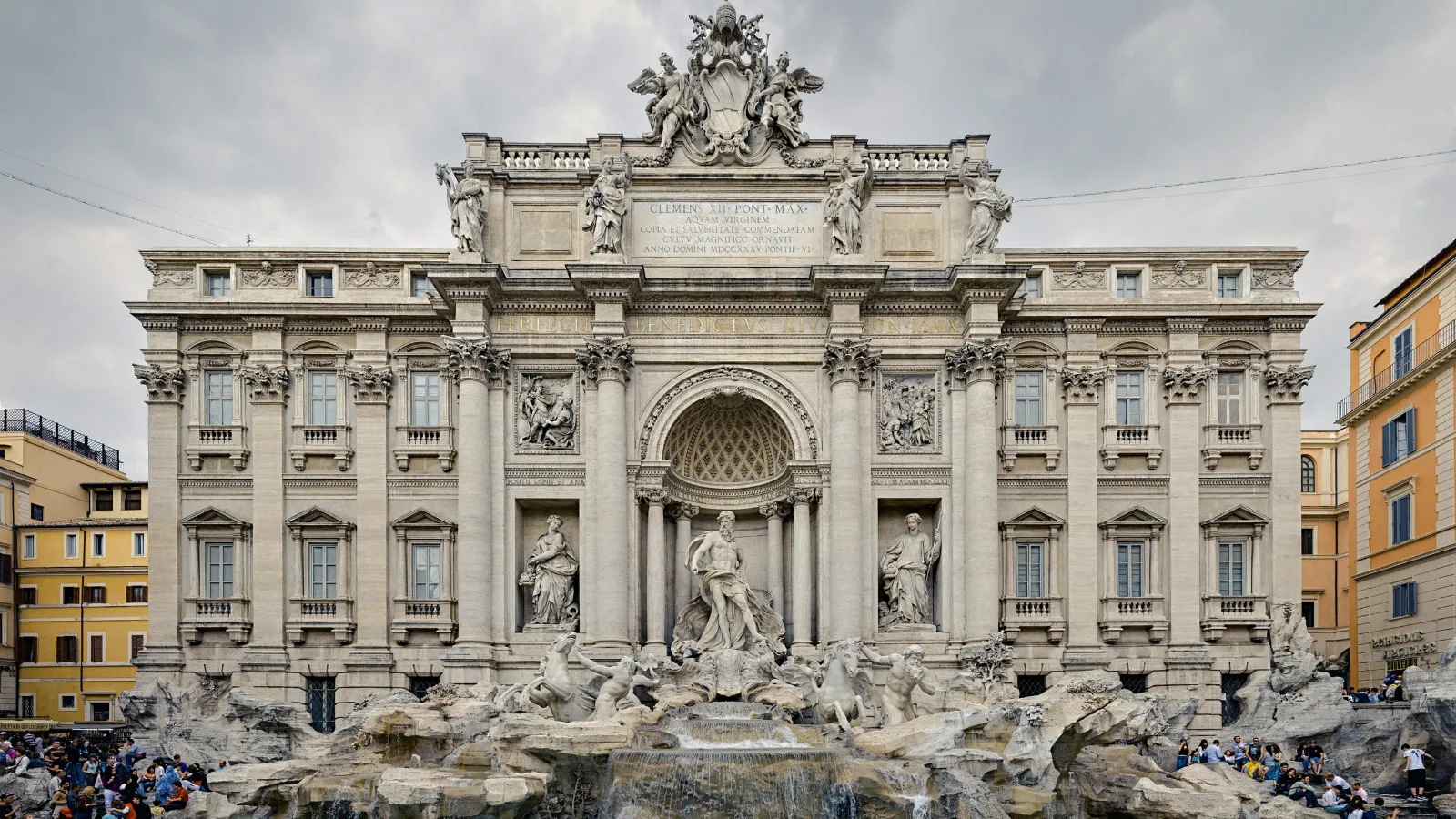
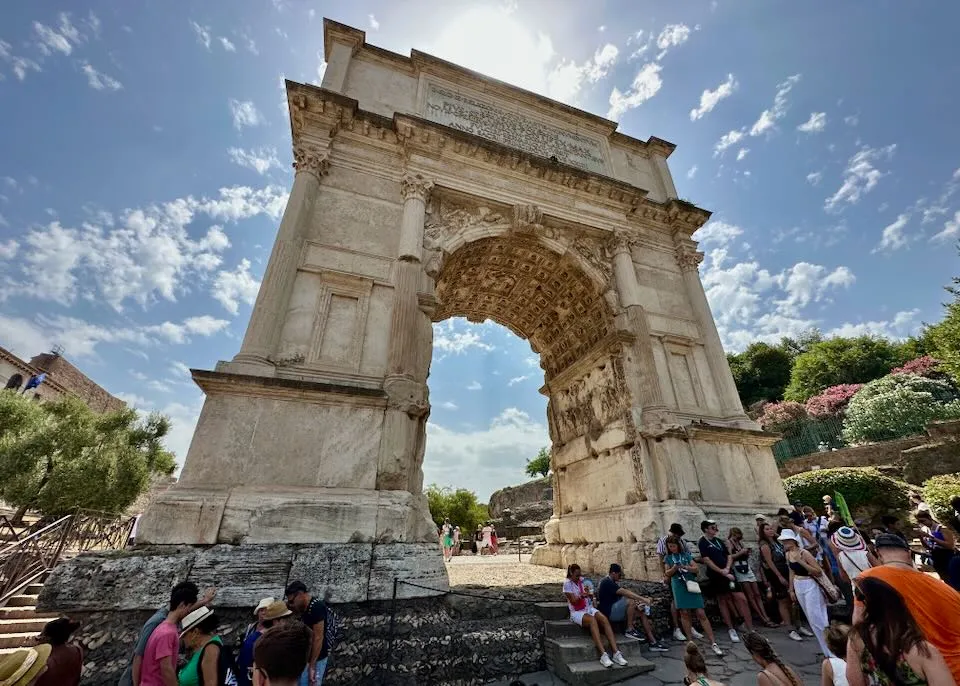
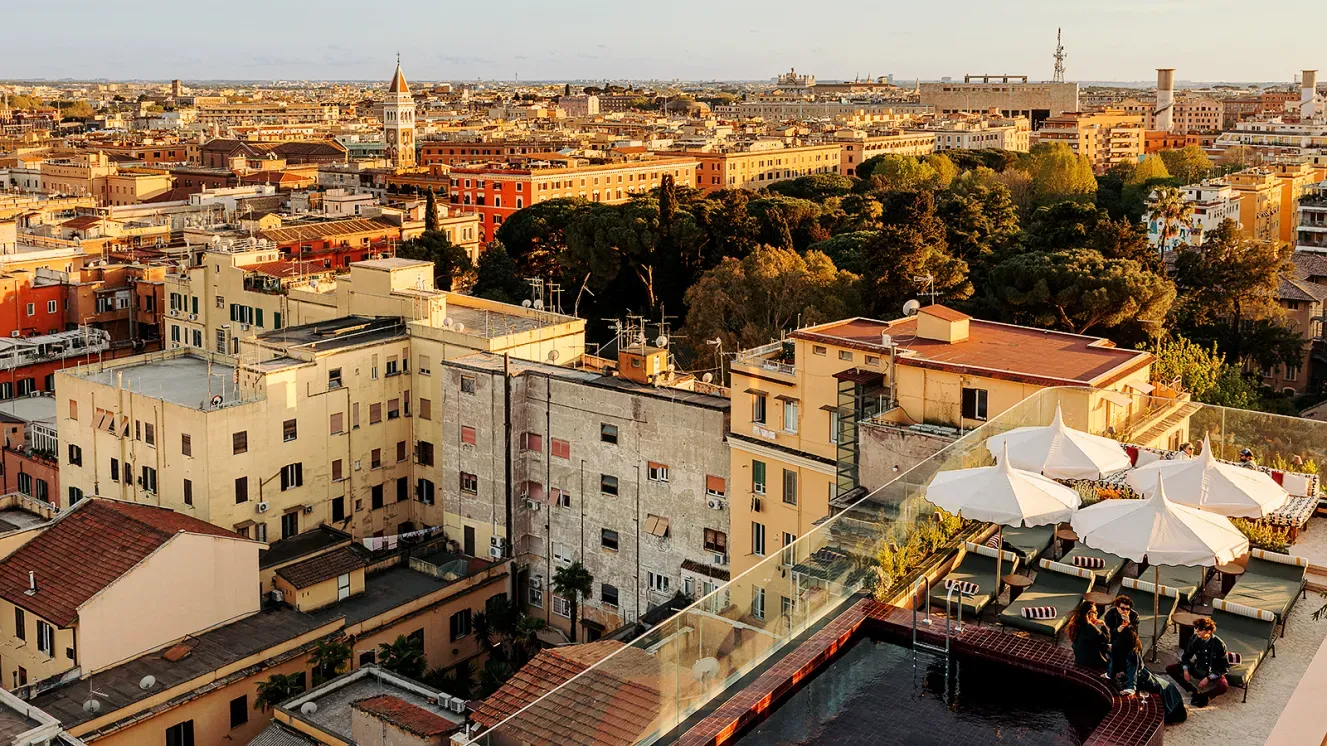
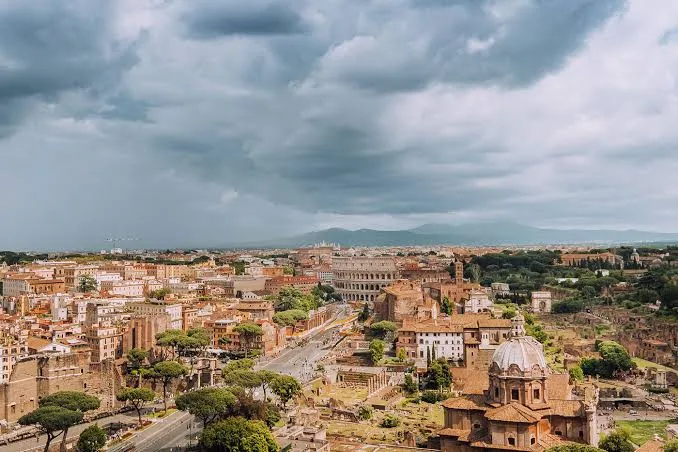
Here is the honest truth about Rome: three days is not enough, and it is also exactly right. Not enough, because you could spend three weeks here and still find a church you have never heard of with a Caravaggio hanging in the dark. Exactly right, because three focused days will let you stand inside the Colosseum, look up at Michelangelo's ceiling, throw your coin into the Trevi, and eat the kind of dinner you will still be talking about a year later. The problem is that most first-timers lose half their trip to avoidable mistakes — joining a two-hour…
Read the full guide
There is a particular kind of holiday heartbreak unique to Rome: standing in a queue that wraps around an ancient wall, in 34-degree heat, watching the morning you planned around slowly evaporate. We have seen people wait two hours for the Vatican and over an hour just to clear security at St. Peter's — for sights they could have walked straight into with twenty minutes of planning. So let us save you the heat rash. This is the no-nonsense, local's guide to skipping Rome's lines: which queues are real, which are imaginary, exactly how to beat the big…
Read the full guide
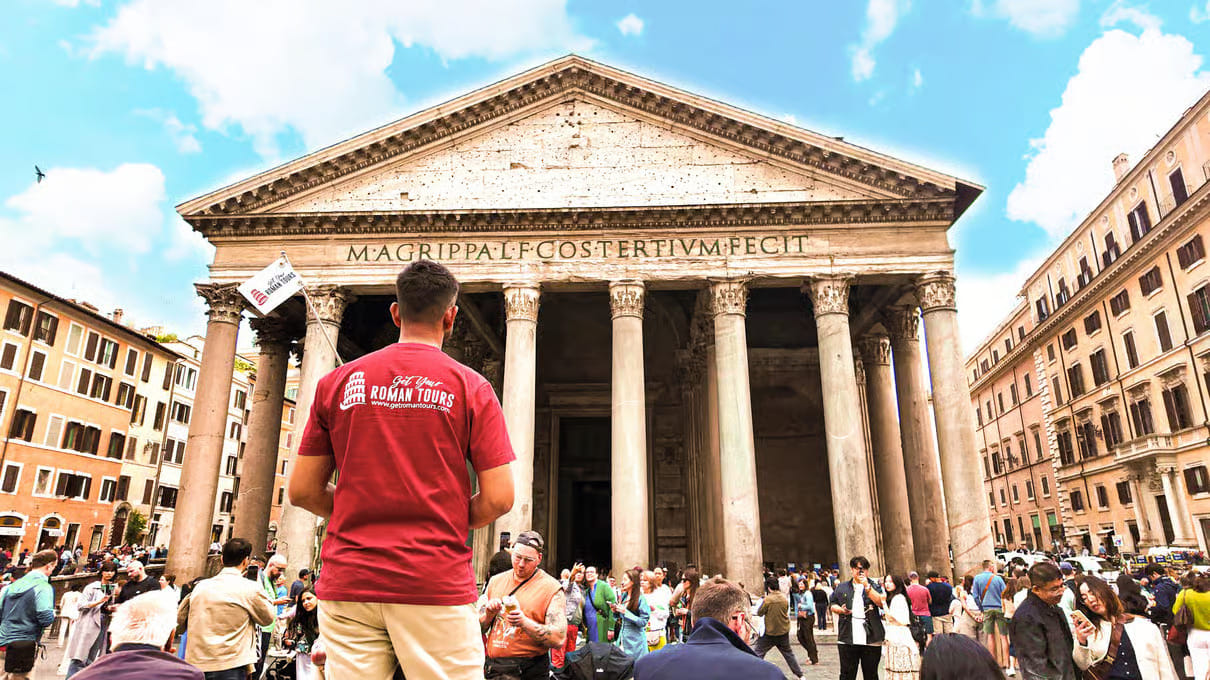
Rome has a reputation for emptying wallets, and it can — if you let the streets around the big monuments make your decisions for you. But here is what a decade of living and guiding here teaches you: some of the most unforgettable things in this city are completely free, and the ones that cost money rarely need to cost as much as tourists end up paying. This is the budget Rome we actually recommend to friends. Not a joyless, ramen-every-night version — a smart one, where you see the Pantheon and the Trevi and eat genuinely great pasta, and simply stop…
Read the full guide
The Sistine Chapel's ceiling is one of the most recognizable works of art on Earth, yet most visitors crane their necks for a few overwhelmed minutes in a silent, crowded room without actually understanding what they're looking at. Michelangelo's ceiling fresco, completed between 1508 and 1512, depicts nine scenes from the Book of Genesis surrounded by dozens of supporting figures, and knowing even the basic outline of what's up there transforms a brief, slightly painful neck-craning glance into a genuinely meaningful encounter with one of history's…
Read the full guide
The Vatican Museums comprise one of the largest and most overwhelming art collections on Earth, roughly 7 kilometers of exhibition space across dozens of galleries, housing artwork and artifacts accumulated by the Catholic Church across five centuries. Attempting to see everything in a single visit is genuinely impossible; the practical challenge for most visitors isn't finding enough to look at, but figuring out what to skip in order to reach the handful of unmissable highlights without collapsing from exhaustion or sensory overload first. How the…
Read the full guide
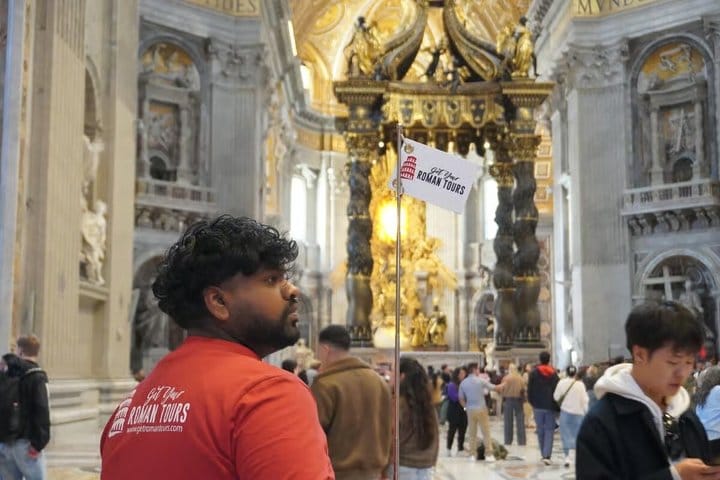
St. Peter's Basilica is, by interior floor area, the largest church in the world, a staggering 15,160 square meters of marble, mosaic, and gilded bronze built over what tradition holds is the burial site of Saint Peter himself, the apostle Catholics consider the first pope. Walking through its doors for the first time is a famously disorienting experience: the basilica's proportions are so vast and so carefully designed to trick the eye that visitors routinely underestimate its true scale until they spot another person standing at a distance and realize…
Read the full guide
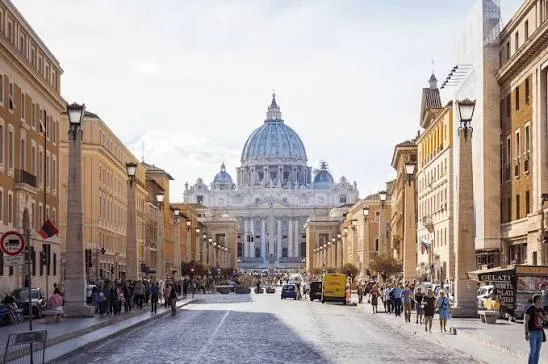
St. Peter's Square is the first thing most visitors see of Vatican City, and it's designed, quite deliberately, to overwhelm: a vast elliptical plaza ringed by 284 towering columns, capable of holding hundreds of thousands of people for major papal events, with an Egyptian obelisk older than Christianity itself standing at its center. Bernini, who designed the square in the mid-17th century, described his own intention in almost maternal terms, the embracing colonnades meant to welcome both faithful believers and those who had strayed back into the arms…
Read the full guideAtop the highest of Rome's seven legendary hills sits Piazza del Quirinale, home to the official residence of the President of the Italian Republic and one of the best, most reliably uncrowded panoramic viewpoints in the entire city. Less visited than its more famous hilltop neighbor, the Capitoline, the Quirinale rewards travelers willing to make the climb with a genuinely impressive combination of ancient sculpture, presidential pageantry, and sweeping rooftop views. Comparing the Quirinale to other European presidential residences Among Europe's…
Read the full guide