Las Catacumbas de Roma: Qué Hay Realmente Ahí Abajo

Bajo las calles y la campiña que rodean Roma se encuentra una vasta red de túneles funerarios subterráneos (las catacumbas) excavados principalmente entre los siglos II y V d.C. por comunidades paleocristianas (y algunas judías), que usaban estas galerías subterráneas para el entierro en una época en que el terreno para cementerios dentro de las murallas de la ciudad era tanto limitado como, para las minorías religiosas no paganas, ocasionalmente políticamente sensible.
Se han identificado varias docenas de complejos de catacumbas alrededor de Roma, aunque solo un puñado está regularmente abierto al público, sobre todo las Catacumbas de San Calixto, San Sebastián, y Domitila, todas ubicadas a lo largo de la Vía Apia justo al sur del centro histórico de la ciudad.
Por qué el entierro subterráneo tenía sentido
La ley romana generalmente prohibía el entierro dentro del límite sagrado de la ciudad (el pomerium), empujando los cementerios hacia las afueras a lo largo de las principales carreteras. Los primeros cristianos, que creían en una eventual resurrección corporal y por lo tanto preferían el entierro sobre la cremación común entre los romanos paganos, necesitaban un espacio considerable, cavar hacia abajo en la piedra toba volcánica relativamente blanda que se encuentra alrededor de Roma era una solución práctica, permitiendo que las galerías funerarias se expandieran a través de múltiples niveles subterráneos sin consumir valioso terreno de superficie.
Contrariamente a un mito popular, las catacumbas generalmente no se usaban como escondites durante los períodos de persecución, eran sitios de entierro conocidos y registrados, no refugios secretos, aunque las comunidades paleocristianas sí celebraban servicios conmemorativos y visitaban las tumbas de los mártires allí, lo que dio a los sitios una importancia religiosa continua mucho más allá del simple entierro.
Lo que realmente verás
- Largas galerías estrechas bordeadas de nichos funerarios rectangulares (loculi), apilados varios en altura
- Cámaras funerarias familiares más grandes (cubicula), algunas con frescos paleocristianos supervivientes
- Las tumbas de varios primeros papas, particularmente notables en San Calixto
- Símbolos paleocristianos tallados o pintados en la piedra, peces, anclas, y el motivo del Buen Pastor
Visita práctica
Todas las visitas públicas a las catacumbas son guiadas, no se permite el deambular independiente, tanto por la seguridad de los visitantes en la red de túneles laberíntica como por la preservación del frágil sitio. Los tours típicamente duran 30-45 minutos y descienden varios metros bajo tierra a través de pasajes estrechos, así que los visitantes con claustrofobia significativa o limitaciones de movilidad deberían considerar esto cuidadosamente antes de reservar.
Las catacumbas implican espacios subterráneos cerrados, terreno irregular, e iluminación limitada. Si eres propenso a la claustrofobia, esta puede no ser la parada adecuada para ti.
Cómo llegar
Los principales complejos de catacumbas se encuentran a lo largo de la Vía Apia, una histórica carretera romana a 20-30 minutos en coche o autobús del centro de la ciudad. Muchos visitantes combinan una visita a las catacumbas con una media jornada más amplia explorando la superficie de la antigua carretera de la Vía Apia, las tumbas romanas circundantes, y la pacífica atmósfera campestre, lo cual es un ritmo notablemente diferente del denso turismo del centro de Roma.
-
Reserva un tour guiado con antelación durante la temporada alta, la entrada es solo guiada y los tours pueden llenarse
-
Lleva una chaqueta ligera, las temperaturas subterráneas se mantienen frescas incluso en verano
-
Elige zapatos planos y resistentes para el terreno subterráneo irregular
-
Combina con una visita a la antigua carretera de la Vía Apia y las tumbas circundantes en superficie

La escala que la mayoría de los visitantes no esperan
Las estimaciones sugieren que las redes de catacumbas combinadas de Roma se extienden por bien más de cien kilómetros de longitud total de túneles a través de múltiples niveles, con cientos de miles de enterramientos registrados a través de los diversos sitios, cifras que sorprenden constantemente a los visitantes que esperan una sola cámara pequeña en lugar de lo que es, en efecto, una ciudad subterránea entera de los muertos que se extiende por kilómetros en todas direcciones bajo la campiña circundante.
Preguntas frecuentes
¿Puedo visitar las catacumbas sin guía?+
No, el acceso independiente no está permitido en ninguno de los sitios públicos de catacumbas; todas las visitas son guiadas por razones de seguridad y preservación.
¿Son las catacumbas adecuadas para niños?+
Los niños mayores generalmente se manejan bien, aunque los espacios subterráneos cerrados y el tema serio pueden no ser adecuados para niños muy pequeños.
¿Hasta dónde bajo tierra llegan las visitas?+
Típicamente unos pocos metros bajo el nivel del suelo en los niveles superiores accesibles, los niveles más profundos generalmente no son parte de las visitas públicas estándar.
San Calixto contra San Sebastián contra Domitila
Cada uno de los tres principales complejos de catacumbas de acceso público tiene un carácter ligeramente diferente que vale la pena conocer antes de elegir uno. San Calixto es el más grande y famoso, conteniendo la llamada Cripta de los Papas, donde varios primeros obispos de Roma fueron enterrados, junto con la Cripta de Santa Cecilia, una mártir paleocristiana. San Sebastián lleva el nombre del santo que se cree enterrado allí e incluye algunos de los fragmentos de fresco mejor conservados entre los sitios principales, junto con mausoleos de época pagana incorporados en la misma red subterránea, reflejando la gradual y superpuesta transición entre las costumbres funerarias paganas y cristianas en este período. Domitila es la catacumba individual más grande por longitud de túnel e incluye una basílica subterránea construida directamente en la propia red de túneles, una llamativa característica arquitectónica no encontrada en los otros sitios principales. Los visitantes que eligen entre ellos basándose puramente en la conveniencia o un horario de visita recomendado generalmente tendrán una experiencia satisfactoria en cualquiera de los tres; aquellos con un interés específico en la historia papal temprana tienden a gravitar hacia San Calixto específicamente.
El simbolismo tallado en las paredes
El arte funerario paleocristiano dependía en gran medida de un simbolismo codificado, a menudo prestado, en lugar de imaginería religiosa explícita, en parte un remanente de un período en que una manifestación cristiana más abierta conllevaba un riesgo social real. El símbolo del pez (ichthys) funcionaba como una forma temprana de identificación codificada entre los creyentes; el ancla servía tanto de imagen marítima como de cruz estilizada; y el motivo del Buen Pastor, tomando prestado directamente de la imaginería pastoral pagana anterior, fue reinterpretado para representar a Cristo. Aprender a reconocer estos símbolos recurrentes antes de una visita cambia sustancialmente lo que notas en las paredes, lo que de otro modo podría parecer una simple talla decorativa se revela como un lenguaje visual estructurado, aunque sutil, de la creencia paleocristiana.
Cómo se excavaron realmente los túneles
La piedra toba volcánica relativamente blanda que se encuentra bajo la superficie de Roma era lo bastante trabajable para excavar con herramientas básicas pero lo bastante firme para mantener su forma una vez tunelizada, una afortunada combinación geológica que hizo posibles en primer lugar las redes de entierro subterráneo a gran escala. Excavadores especializados, conocidos como fossores, eran responsables de excavar nuevas galerías y nichos a medida que se necesitaba espacio funerario, y algunas catacumbas incluso contienen representaciones de fossores en el trabajo, talladas o pintadas por los propios trabajadores o por quienes encargaban el espacio funerario, una rara mirada a trabajadores ordinarios representados por derecho propio dentro de un arte funerario que de otro modo se centra abrumadoramente en el difunto y el simbolismo religioso.
La Vía Apia en superficie
La mayoría de las visitas a las catacumbas se extienden naturalmente en tiempo pasado en la propia Vía Apia, una de las carreteras más antiguas e históricamente importantes de Roma, originalmente construida en el 312 a.C. para conectar Roma con el sur de Italia. Secciones de los adoquines romanos originales todavía son visibles y transitables hoy, flanqueadas por las ruinas de antiguas tumbas y mausoleos que una vez bordearon la carretera, la ley romana requería el entierro fuera de la ciudad, y las familias ricas competían por construir tumbas al borde del camino cada vez más elaboradas precisamente porque la Vía Apia era tan transitada, garantizando la máxima visibilidad de sus monumentos familiares a los transeúntes durante siglos después.
Catacumbas judías en Roma
Más allá de las conocidas catacumbas cristianas, Roma también preserva catacumbas judías, incluyendo las Catacumbas de Vigna Randanini, reflejando la antigua y continua comunidad judía de la ciudad, una de las comunidades de la diáspora judía más antiguas de cualquier lugar de Europa. Estos sitios presentan una iconografía distinta (menorás, arcas de la Torá, e inscripciones en hebreo o griego en lugar de simbolismo cristiano) y ocasionalmente están abiertos para visitas especializadas o programadas, ofreciendo un contrapunto importante y a veces pasado por alto a los sitios cristianos más frecuentemente visitados, ampliando la imagen de la población religiosamente diversa de Roma en la Antigüedad tardía.
Cómo es realmente estar bajo tierra
Los visitantes describen consistentemente la experiencia como una mezcla de temperatura fresca, iluminación tenue, y una atmósfera genuinamente contemplativa bastante diferente de cualquier otro lugar en un itinerario romano típico, los pasajes estrechos requieren caminar en fila india en muchas secciones, las voces bajan naturalmente a un casi susurro sin que nadie necesite pedir silencio, y la pura repetición de nichos funerarios extendiéndose en la oscuridad en todas direcciones crea un sentido inusualmente directo y físico de cuántas personas realmente están enterradas en estos túneles, un sentimiento difícil de replicar solo a través de fotografías o descripciones.
Cómo evolucionaron las costumbres funerarias con el tiempo
Los primeros entierros en catacumbas eran relativamente simples, un cuerpo envuelto en tela colocado directamente en un nicho tallado, sellado con una losa lisa de mármol o terracota que llevaba información identificativa mínima. A lo largo de los siglos siguientes, a medida que el cristianismo se establecía más y eventualmente se convertía en la religión dominante del imperio bajo Constantino y sus sucesores, las costumbres funerarias se volvieron más elaboradas, con familias más adineradas encargando cubicula decorados e inscripciones más sustanciales. Para cuando el entierro dentro de las catacumbas en gran parte cesó, en favor de iglesias construidas más cerca de la superficie, la red subterránea ya había acumulado un extraordinario corte transversal de la vida social y religiosa paleocristiana que abarcaba varios siglos de cambio.
Popular tours & tickets
Desafíos de conservación modernos
Las catacumbas de hoy enfrentan presiones de conservación continuas por la humedad, el dióxido de carbono y el calor introducidos por la respiración de los visitantes en espacios cerrados, y el simple desgaste del tráfico peatonal en superficies de piedra antiguas nunca diseñadas para este volumen de visitantes. Los gestores del sitio limitan el tamaño de los grupos y la frecuencia de las visitas en parte por estas razones de preservación, no puramente por la experiencia del visitante, lo cual es parte de por qué la reserva anticipada durante los períodos concurridos se ha vuelto cada vez más importante en lugar de simplemente aconsejable.
Por qué las catacumbas fueron en gran parte olvidadas, luego redescubiertas
Después de que el entierro activo cesara y las reliquias de mártires importantes fueran gradualmente transferidas a iglesias dentro de las murallas de la ciudad para su custodia durante períodos de inestabilidad a principios de la Edad Media, las propias catacumbas cayeron en la oscuridad durante siglos, sus entradas cubiertas de vegetación y en gran parte olvidadas por la población más amplia. Su redescubrimiento en el siglo XVI, atribuido sustancialmente al trabajo pionero del anticuario Antonio Bosio, despertó un renovado interés académico y religioso, y las exploraciones y escritos detallados de Bosio (realizados con iluminación primitiva y considerable riesgo personal navegando túneles no cartografiados e inestables) sentaron las bases para el estudio arqueológico más sistemático que continuó a lo largo de los siglos siguientes y en última instancia hizo posibles las visitas públicas organizadas de hoy.
Qué llevar y vestir
-
Un suéter ligero o chaqueta incluso en verano, las temperaturas subterráneas se mantienen consistentemente frescas
-
Zapatos cómodos y resistentes para el suelo de piedra irregular
-
Un teléfono completamente cargado si quieres fotos, aunque la fotografía con flash a menudo está restringida en el interior
-
Paciencia para un ritmo más lento y guiado, esta no es una visita autodirigida y apresurada

Combinar una visita a las catacumbas con otros sitios de la Vía Apia
Más allá de las propias catacumbas, la zona circundante de la Vía Apia incluye el Circo de Majencio, la bien conservada tumba de Cecilia Metella, y la Villa de Majencio, un grupo de sitios que juntos forman una satisfactoria excursión de media jornada o jornada completa fuera del denso centro histórico, ofreciendo una atmósfera notablemente diferente, más tranquila, y más rural que casi cualquier otro lugar en un itinerario romano típico.
Reserva y operadores de tours
Cada sitio principal de catacumbas se opera independientemente (San Calixto y San Sebastián por autoridades religiosas católicas, Domitila de manera similar) lo que significa que la reserva de entradas y los horarios de tours difieren ligeramente entre ellos. La mayoría ofrece tours en múltiples idiomas incluyendo inglés, que se realizan a intervalos fijos a lo largo del día en lugar de continuamente, así que comprobar los horarios actuales y la disponibilidad de idiomas antes de llegar (particularmente en períodos intermedios o de temporada baja cuando la frecuencia de tours puede reducirse) ayuda a evitar llegar y descubrir que el próximo tour disponible en inglés está a una hora o más de distancia.
Por qué las catacumbas se sienten diferentes de otras atracciones de Roma
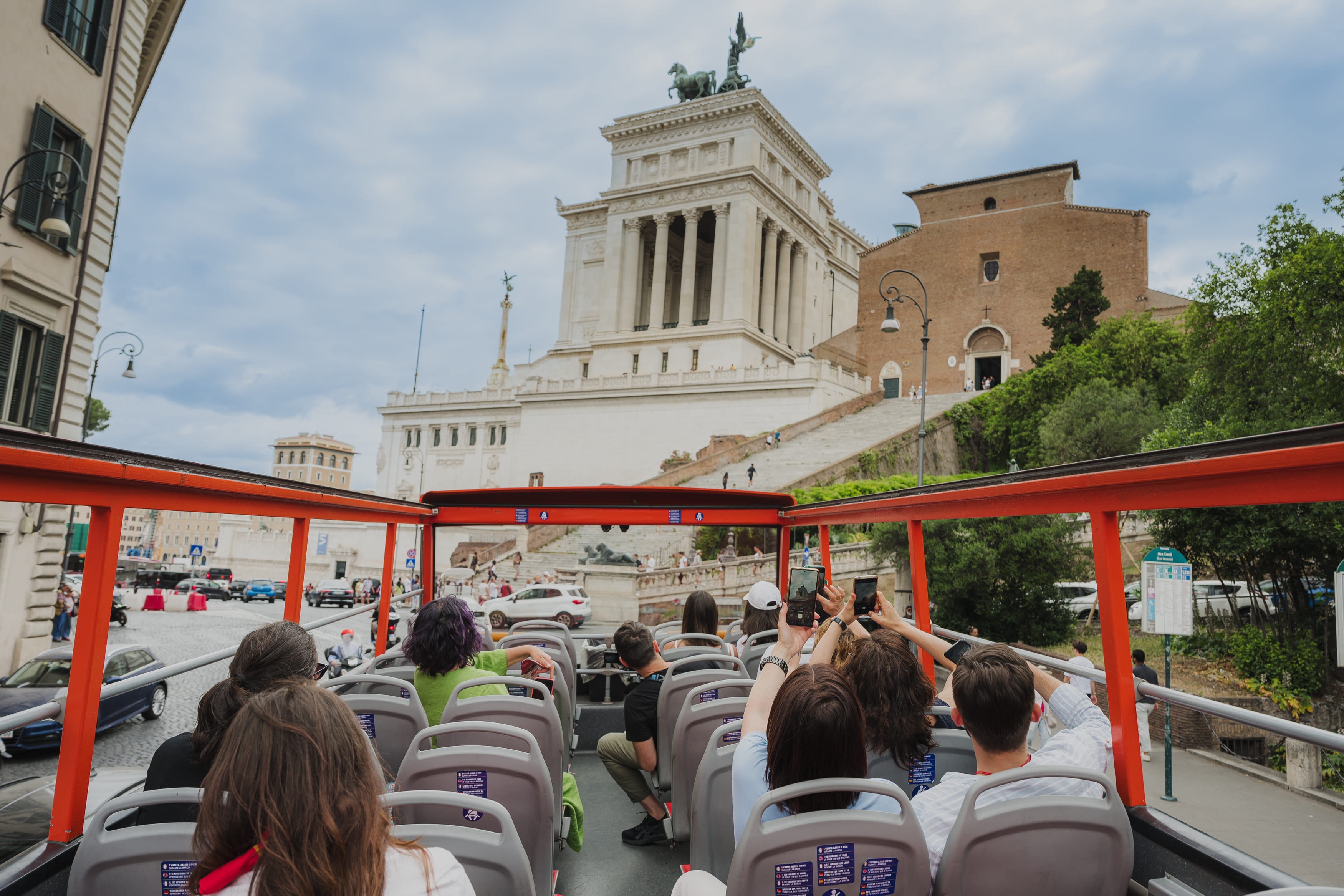
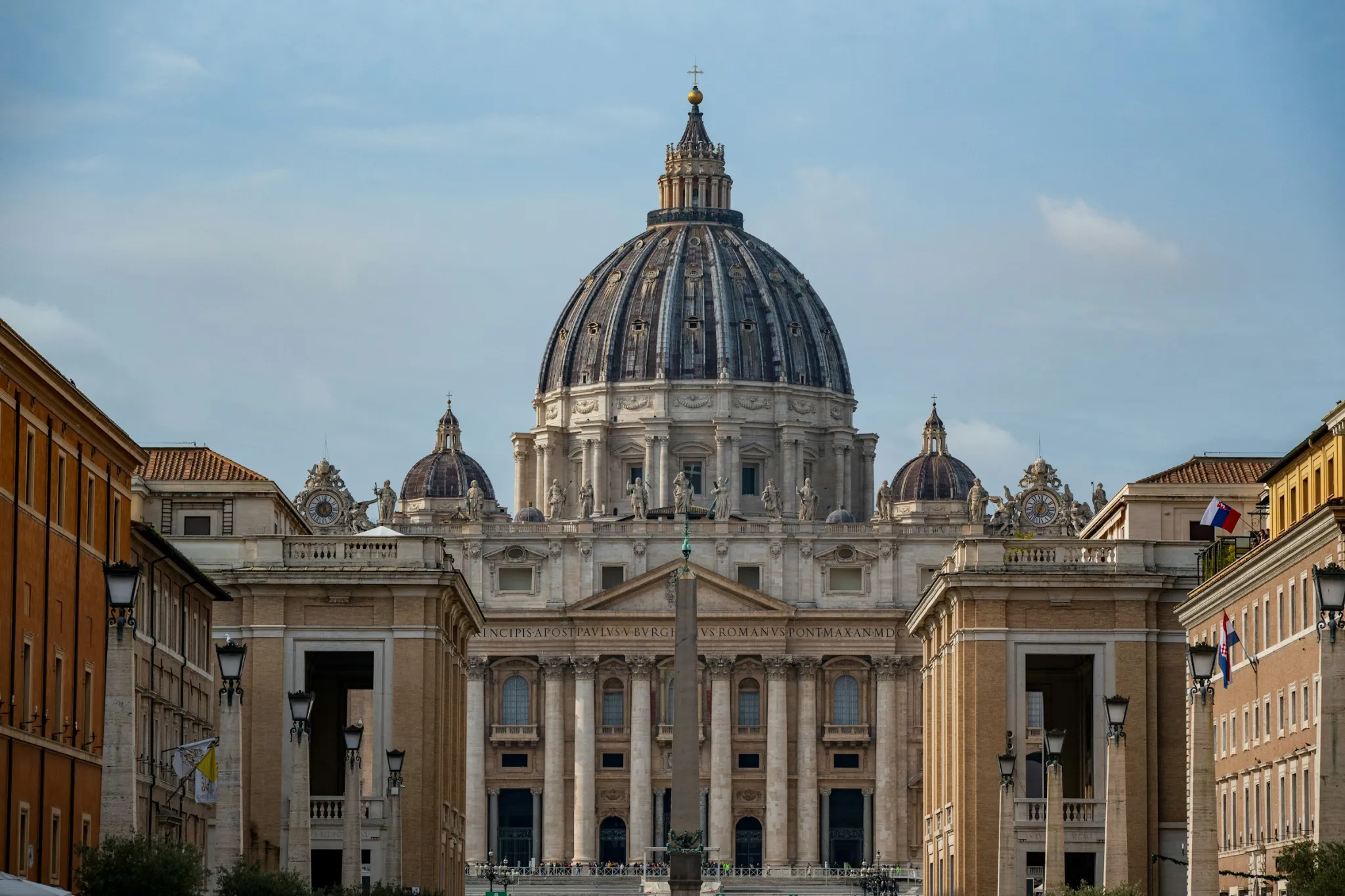
La mayoría del turismo romano se centra en la grandiosidad, cúpulas elevándose, vastas plazas públicas, fachadas monumentales construidas para impresionar e intimidar. Las catacumbas invierten eso por completo: espacios estrechos, tenues, deliberadamente modestos construidos no para mostrar poder sino simplemente para enterrar a gente ordinaria con la dignidad que su comunidad pudiera manejar. Ese contraste es parte de por qué tantos visitantes describen las catacumbas como la parada más emocionalmente conmovedora en un itinerario romano por lo demás cargado de monumentos, ofreciendo un registro de experiencia histórica (íntimo, personal, sin glamour) que los sitios principales de la ciudad rara vez intentan.
Un último detalle que vale la pena conocer
Muchos de los nichos funerarios todavía llevan rastros del yeso de sellado original, ocasionalmente con nombres, edades, o cortos epitafios simplemente grabados todavía legibles después de bien más de mil años, pequeños detalles intensamente personales fáciles de pasar por alto en medio de la escala general de los túneles, pero que vale la pena detenerse a mirar, ya que son algunos de los rastros físicos más directos de personas específicas e individualmente nombradas de los primeros siglos de la Roma cristiana que sobreviven en cualquier lugar.
Cuánto tiempo lleva desde el centro de Roma
Reserva aproximadamente 30-40 minutos de tiempo de viaje total desde el centro histórico para llegar a los principales complejos de catacumbas, teniendo en cuenta si viajas en autobús de tour organizado, transporte público, o taxi, más un poco de margen adicional para el horario de tránsito más rural y menos frecuente de la zona comparado con la densa red de autobuses y metro del centro de Roma. La mayoría de los tours organizados incluyen el transporte directamente en la reserva, eliminando las conjeturas logísticas, mientras que los viajeros independientes deberían verificar los horarios actuales de autobús antes de salir, ya que el servicio a este tramo semirural de la Vía Apia funciona con menos frecuencia que las rutas centrales.
Qué hace significativa a la Cripta de los Papas de San Calixto
Dentro de San Calixto, la Cripta de los Papas tiene una importancia particular para entender la Iglesia institucional temprana, varios obispos de Roma del siglo III fueron enterrados allí sucesivamente, sus tumbas marcadas con epitafios inscritos en griego (el griego siguió siendo el idioma litúrgico y administrativo dominante entre la comunidad cristiana de Roma más tiempo del que muchos visitantes esperan, dada la posterior dominancia del latín). El tamaño compacto de la cripta, su decoración modesta, y sus tumbas estrechamente agrupadas ofrecen un contraste visual llamativo con las elaboradas tumbas papales encontradas siglos después dentro de la Basílica de San Pedro, ilustrando cuánto cambiaron la riqueza material y el estatus público de la Iglesia entre las comunidades perseguidas que cavaron estos túneles y la institución que más tarde construyó una de las iglesias más grandes del mundo.
Cómo se conectan las catacumbas con la historia eclesiástica más amplia
Varios primeros papas enterrados dentro de las catacumbas, particularmente en San Calixto, son santos venerados dentro de la Iglesia Católica hoy en día, y los sitios siguen siendo destinos de peregrinación activos para visitantes religiosos junto a su atractivo más amplio para turistas centrados en la historia. Esta doble identidad (sitio religioso activo y atracción histórica importante) da forma a parte del tono y las reglas de la visita, incluyendo expectativas sobre el comportamiento respetuoso y restricciones ocasionales durante celebraciones religiosas, distinguiendo las catacumbas de sitios arqueológicos puramente seculares en otras partes de Roma.
Qué hacer si solo puedes elegir un sitio de catacumbas
Para los visitantes con tiempo para ver solo uno de los tres principales complejos públicos de catacumbas, San Calixto es generalmente la recomendación predeterminada más segura, combinando el linaje histórico más fuerte (la Cripta de los Papas), una programación fiable de visitas en inglés, y un acceso directo desde el centro de Roma vía un corto trayecto en autobús o recogida de tour organizado, aunque los viajeros con un interés específico en el arte de frescos paleocristianos pueden preferir San Sebastián, y aquellos atraídos por la idea de una basílica subterránea construida directamente en la red de túneles encontrarán a Domitila la elección más distintiva de las tres.
Palabra final
Las catacumbas de Roma ofrecen una de las experiencias más distintivas y atmosféricas disponibles en cualquier lugar de la ciudad, una red subterránea que pone a los visitantes en contacto físico directo con la vida religiosa cotidiana de la primera comunidad cristiana de Roma de una manera que ningún monumento en superficie logra igualar del todo. Reserva un tour guiado, vístete para temperaturas subterráneas frescas, y date tiempo para combinarlo con la carretera histórica y las tumbas de arriba.
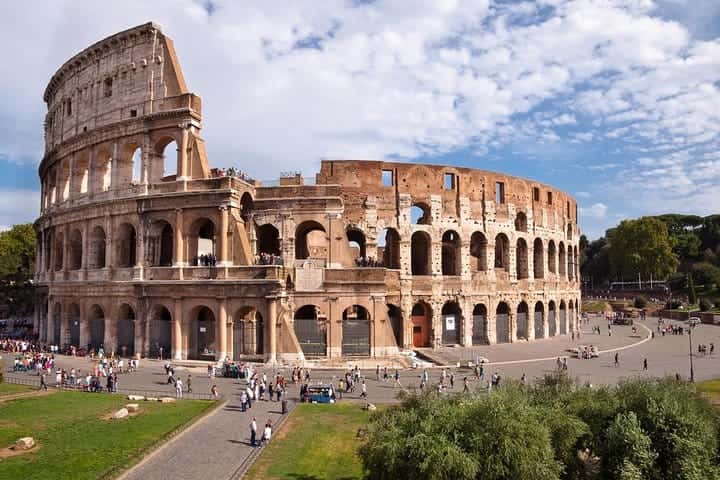
Combina con otros sitios romanos antiguos para un día completo de historia. Ve las entradas para el Coliseo y el Foro.
Escrito por
Get Your Roman Tours Team
Somos un turoperador con licencia con sede en Roma (Get Your Roman Tours S.R.L.S.). Nuestros guías realizan visitas en estos lugares cada semana: todo lo que hay aquí viene de la experiencia, no de la investigación. Sobre nosotros · Pregúntanos lo que quieras