Las Termas de Caracalla: El Mayor Complejo Termal Público de la Roma Antigua

Completadas alrededor del 216 d.C. bajo el Emperador Caracalla, las Termas de Caracalla fueron una vez entre los complejos de baños públicos más grandes y lujosos del mundo romano, capaces de albergar a un estimado de 1.600 bañistas a la vez en un vasto complejo que incluía salas de baño calientes, templadas, y frías, zonas de ejercicio, jardines, y bibliotecas, los baños públicos en Roma funcionaban tanto como centros sociales y culturales como lugares para realmente lavarse.
Las ruinas supervivientes, aunque sin techo y despojadas de su revestimiento de mármol original, todavía transmiten una escala real: muros de ladrillo elevados y fragmentos de techo abovedado se alzan lo bastante alto para dar un verdadero sentido de cuán monumentales debieron sentirse los espacios interiores originales, iluminados por enormes ventanas y decorados con mármol importado, mosaicos, y estatuaria, gran parte de la cual ha sido desde entonces reubicada en museos.
Cómo funcionaba realmente el baño romano
Una visita típica a baños como estos seguía una secuencia estructurada: los bañistas podían empezar con ejercicio en la palestra (un patio de ejercicio abierto), luego progresar a través del tepidarium (sala templada), el caldarium (sala caliente, la cámara con techo de cúpula más grande en Caracalla), y finalmente el frigidarium (baño frío), a menudo terminando con masaje o tratamientos de aceite. Todo el proceso podía tomar horas y era tanto ritual social como higiene, con bañistas de todo el espectro social mezclándose en espacios públicos compartidos, uno de los aspectos genuinamente democráticos de una sociedad romana por lo demás rígidamente estratificada.
La calefacción del complejo dependía de un extenso sistema subterráneo de hornos e hipocaustos (suelos elevados calentados desde abajo por aire caliente en circulación) que requería una considerable fuerza de trabajo de esclavos para mantener los hornos continuamente alimentados con combustible, una infraestructura intensiva en mano de obra en gran parte invisible para los bañistas que disfrutaban de las salas calentadas arriba.
Lo que todavía está en pie
- Los masivos muros de la sala central y fragmentos de bóveda, entre las ruinas antiguas más impresionantes fuera del Coliseo y el Foro
- Secciones del pavimento de mosaico original, notablemente bien conservadas en algunas áreas
- Los túneles de servicio subterráneos, donde operaba la infraestructura de calefacción
- Fragmentos supervivientes de los muros perimetrales originales, insinuando la escala completa original del complejo
Visita práctica
Las Termas de Caracalla atraen notablemente menos visitantes que el Coliseo o el Foro, a pesar de ser una de las ruinas antiguas más visualmente sorprendentes de Roma, una combinación que la convierte en una alternativa o complemento genuinamente digno de interés y menos concurrido para los visitantes que ya han cubierto los sitios principales y quieren ver algo igualmente impresionante sin la densidad de turistas encontrada en otros lugares.
-
Compra entradas en línea con antelación para saltarte la cola in situ (generalmente corta)
-
Trae protección solar, hay sombra mínima a través de las ruinas abiertas
-
Consulta las representaciones de ópera o conciertos nocturnos celebrados in situ en verano, una forma genuinamente memorable de ver el sitio
-
Reserva aproximadamente una hora para explorar adecuadamente las estructuras principales
Un sitio usado para representaciones hoy
En un eco moderno adecuado de su función social original, las Termas de Caracalla ahora ocasionalmente albergan representaciones de ópera y conciertos durante las noches de verano, escenificados dramáticamente entre las ruinas antiguas, una rara oportunidad de experimentar el sitio después del anochecer, iluminado, y lleno de un público en lugar de como una tranquila ruina diurna, dando al menos algún sentido de cuán animado y socialmente central fue este espacio una vez.
Cómo se compara con otras termas romanas
Las termas de Caracalla fueron eventualmente superadas en tamaño por las posteriores Termas de Diocleciano, pero las ruinas de Caracalla generalmente se consideran mejor conservadas y más visualmente dramáticas, en parte porque el sitio de las Termas de Diocleciano fue más pesadamente construido y reutilizado (partes ahora albergan una iglesia y un museo) en siglos posteriores, mientras que las ruinas de Caracalla permanecieron más claramente legibles como un complejo de baños antiguo independiente.
Preguntas frecuentes
¿Cómo se compara esto con el Coliseo en términos de multitudes?+
Significativamente más tranquilo, es un sitio importante pero atrae una fracción del volumen de visitantes del Coliseo, convirtiéndolo en una buena elección para los viajeros que quieren ruinas impresionantes sin la densidad de multitudes.
¿Hay sombra en el sitio?+
Muy poca, trae agua y protección solar, particularmente en verano.
¿Puedo asistir a una representación aquí?+
Sí, durante los meses de verano el sitio ocasionalmente alberga ópera y conciertos, consulta los horarios actuales localmente, ya que estos son estacionales y limitados.
El papel social de los baños públicos romanos
Los baños públicos en las ciudades romanas funcionaban como algo cercano a una combinación de gimnasio moderno, spa, club social, y biblioteca todo a la vez, un espacio donde romanos de diferentes clases sociales, aunque no completamente en igualdad de condiciones, se mezclaban más libremente que en casi cualquier otro entorno público. Los negocios se realizaban informalmente durante las sesiones de baño, los chismes políticos circulaban, y las bibliotecas y jardines de las termas daban al complejo una dimensión genuinamente intelectual más allá de la pura higiene o el ocio. Las tarifas de entrada eran típicamente mínimas, haciendo los baños accesibles a la gran mayoría de la población de la ciudad, incluidos los pobres, lo cual es parte de por qué construir y mantener grandes baños públicos se consideraba una forma tan efectiva y popular de generosidad imperial.
Declive y redescubrimiento
Las termas cayeron en desuso activo después del siglo VI, cuando los acueductos que suministraban el agua de Roma fueron deliberadamente cortados durante un asedio de fuerzas ostrogodas, paralizando la capacidad de la ciudad para operar infraestructura de baños públicos a gran escala que dependía de un suministro de agua constante y abundante. Siglos de abandono subsiguiente, saqueo de piedra, y lenta decadencia dejaron la estructura como la ruina sin techo vista hoy, con un estudio arqueológico serio y restauración parcial comenzando de verdad solo en siglos más recientes, revelando gradualmente la escala y decoración de lo que una vez había sido uno de los edificios públicos más lujosos del mundo romano.
Las estatuas ahora dispersas por otros museos
Gran parte de la estatuaria original y el trabajo de mármol decorativo que una vez llenó las Termas de Caracalla fue retirado a lo largo de los siglos y ahora reside en colecciones de museos en otros lugares, incluyendo el Hércules Farnesio y el Toro Farnesio, dos esculturas antiguas monumentales descubiertas dentro de las ruinas de las termas durante la excavación de la época renacentista y ahora exhibidas en Nápoles. Al caminar por las ruinas vacías hoy, vale la pena recordar que las paredes de ladrillo desnudas visibles ahora estaban una vez ricamente decoradas con exactamente este tipo de escultura a gran escala, pavimento de mosaico, y revestimiento de mármol coloreado importado, casi nada de lo cual sobrevive en su lugar, haciendo necesario un verdadero esfuerzo imaginativo para representarse el complejo tal como se habría visto y sentido para un bañista en el siglo III.
Cuán grande era realmente el complejo
El complejo completo de las Termas de Caracalla, incluyendo sus jardines circundantes, bibliotecas, y muros perimetrales exteriores, cubría un área de aproximadamente 25 hectáreas, en comparación, una huella considerablemente más grande que el Coliseo y sus alrededores inmediatos combinados. Caminar por el perímetro del sitio hoy, incluso con la mayoría de las estructuras exteriores reducidas a bajos muros de cimentación o desaparecidas por completo, todavía toma el tiempo suficiente para transmitir cuánto terreno y recursos estaba dispuesto a comprometer un emperador para una sola instalación de ocio público, subrayando cuán centrales eran estos complejos de baños para la vida cívica romana y la autopresentación imperial.
Visitar con una audioguía o aplicación
Debido a que gran parte de la decoración y estatuaria originales han sido retiradas a museos en otros lugares, una audioguía o aplicación con imágenes reconstruidas realmente transforma la experiencia aquí más que en casi cualquier otra ruina romana, sin esa ayuda visual, es fácil pasar caminando junto a paredes de ladrillo desnudas sin captar que estás de pie en lo que una vez fue uno de los espacios interiores más opulentamente decorados del mundo antiguo. Varias aplicaciones y guías disponibles usan superposiciones de realidad aumentada para mostrar el revestimiento de mármol original, mosaicos, y estatuaria superpuestos en las ruinas actuales, una herramienta genuinamente útil para un sitio que requiere una reconstrucción imaginativa inusualmente significativa para apreciarse plenamente.
Una última nota práctica
Combina una visita a las Termas de Caracalla con el cercano Circo Máximo y el barrio de la Colina del Aventino para una alternativa más tranquila y menos concurrida al circuito principal Coliseo-Foro, juntos forman una satisfactoria media jornada de turismo romano antiguo que la mayoría de los visitantes primerizos de Roma nunca llegan a explorar, simplemente porque los sitios principales absorben la mayor parte del tiempo y atención disponibles en un viaje típico.
Caracalla, el emperador detrás del nombre
El Emperador Caracalla, que reinó del 198 al 217 d.C., es recordado por la historia por un legado mixto y a menudo severo, incluyendo la masacre de miles de sus propios súbditos en Alejandría y una reputación de crueldad incluso según los estándares de la política imperial romana. Las termas que llevan su nombre se alzan como una especie de contradicción a esa reputación, una comodidad pública genuinamente generosa construida para ciudadanos romanos comunes, financiada por un emperador cuyo historial más amplio fue considerablemente menos benévolo, un recordatorio de que las obras públicas monumentales y el carácter personal no siempre se alineaban perfectamente entre los gobernantes romanos.
Popular tours & tickets
Comparando la experiencia con el Coliseo
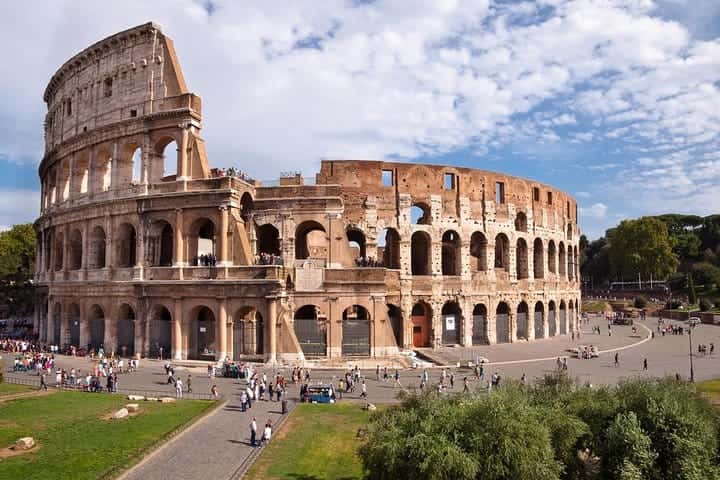
Los visitantes que ya han hecho el Coliseo y el Foro a veces describen las Termas de Caracalla como ofreciendo un tipo de impresionabilidad diferente, casi más contemplativo, menos multitudes, más cielo abierto arriba ya que no hay techo en absoluto, y un ritmo de exploración más lento sin las colas de seguridad y el denso flujo de visitantes de los sitios más famosos. Es un recordatorio que vale la pena de que las ruinas antiguas más impresionantes de Roma no se limitan al puñado que domina los itinerarios típicos, y que algunos de los sitios más gratificantes son aquellos que requieren un esfuerzo ligeramente más deliberado para buscarlos.
Lo que revelan los túneles subterráneos
Secciones de los túneles de servicio subterráneos, donde los esclavos atendían los hornos que calentaban todo el complejo, a veces son accesibles en tours guiados o de acceso especial, ofreciendo una llamativa mirada entre bastidores a la infraestructura intensiva en mano de obra que los bañistas ordinarios de arriba nunca habrían visto ni en la que habrían pensado. Estos túneles eran lo bastante extensos como para acomodar carros moviendo combustible y suministros, funcionando esencialmente como un nivel de servicio oculto corriendo bajo toda la estructura visible, un recordatorio de que los grandes edificios públicos romanos descansaban sobre una base de considerable trabajo humano, en gran parte invisible.
Por qué este sitio es uno de los añadidos con mejor relación calidad-precio de Roma
Las Termas de Caracalla ofrecen algunas de las ruinas antiguas más visualmente dramáticas de Roma con una fracción de las multitudes del Coliseo, una combinación que las convierte en uno de los añadidos con mejor relación calidad-precio y más gratificantes a un itinerario romano para los visitantes dispuestos a aventurarse ligeramente más allá de los sitios más famosos.

Una breve cronología
- 211-216 d.C., construidas bajo el Emperador Caracalla
- Siglos III-V, continúan funcionando como uno de los baños públicos más grandiosos de Roma
- 537 d.C., acueductos cortados durante el asedio gótico, poniendo fin al uso activo de las termas
- Siglo XVI, las excavaciones de la época renacentista recuperan estatuaria importante, incluyendo el Hércules Farnesio
- Siglos XX-XXI, sitio estabilizado y abierto como parque arqueológico, más tarde anfitrión de representaciones de verano
Combinar con la zona más amplia del Aventino y el Circo Máximo
Más allá de las termas mismas, el barrio circundante ofrece un lado más tranquilo y residencial del centro de Roma, la Colina del Aventino, con su jardín de rosas y su mirador bordeado de naranjos sobre la ciudad, y el Circo Máximo, el vasto espacio abierto donde las carreras de cuadrigas alguna vez atrajeron multitudes que rivalizaban con las del Coliseo, se encuentran a fácil distancia a pie. Juntos, estos sitios forman un satisfactorio circuito de tarde que la mayoría de los itinerarios romanos estándar se saltan por completo en favor de los sitios centrales más concurridos, a pesar de ofrecer una importancia histórica comparable con considerablemente más espacio para respirar.
Un último detalle que vale la pena conocer
Mira hacia arriba a las secciones de muro supervivientes y todavía puedes distinguir tenues rastros de los agujeros de fijación del revestimiento de mármol original, pequeñas marcas perforadas donde los ahora desaparecidos paneles de mármol fueron una vez clavados al núcleo de ladrillo detrás de ellos. Es un recordatorio sutil de que el ladrillo desnudo visible hoy nunca estuvo destinado a ser visto; era andamiaje estructural para una superficie decorativa mucho más lujosa que casi ha desaparecido por completo.
Comparando Caracalla con ruinas de baños en otros lugares del antiguo imperio
Los grandes complejos de baños públicos eran una característica estándar del urbanismo romano a través del imperio, y sobreviven ruinas de escala variable en ciudades desde Bath en Inglaterra hasta sitios a través del norte de África y Oriente Medio, pero pocas igualan la pura escala y la altura de muro superviviente de las Termas de Caracalla. Esto convierte al ejemplo romano en un punto de referencia particularmente valioso para entender cuán monumental podía llegar a ser la arquitectura de baños romana en los lugares más ricos y ambiciosos del imperio, una comparación útil para cualquier visitante que haya visto previamente ruinas de baños provinciales más pequeñas en otros lugares y quiera entender el extremo superior de lo que los romanos eran capaces de construir con fines puramente cívicos, no militares y no religiosos.
De qué suelen sorprenderse los visitantes primerizos
Los viajeros que llegan esperando una ruina modesta típicamente se ven sorprendidos por la pura altura de los muros supervivientes de la sala central, que se alzan lo bastante alto para empequeñecer a los visitantes de pie debajo y transmitir una sensación de volumen encerrado que las fotografías tomadas a nivel del suelo rara vez capturan con precisión. La otra sorpresa común es simplemente cuán pocos otros visitantes están presentes comparado con el Coliseo, incluso al mediodía en temporada alta, una combinación de escala y soledad relativa que varios visitantes recurrentes de Roma citan como haciendo de este uno de los puntos más discretamente impresionantes de un viaje más largo.
Por qué el sitio recompensa un paseo lento en lugar de un circuito rápido
Debido a que gran parte de la superficie decorativa original ha desaparecido y el plano básico del suelo puede ser difícil de descifrar de un vistazo, los visitantes que reducen la velocidad y trazan deliberadamente la secuencia de habitaciones por las que se habría movido un bañista romano (patio de ejercicio, sala templada, sala caliente, baño frío) tienden a irse con un sentido notablemente más rico del lugar que aquellos que simplemente caminan el perímetro una vez y se van. Las ruinas responden a un poco de esfuerzo imaginativo y a una disposición a pausar en cada cámara principal en lugar de tratar todo el sitio como una única extensión indiferenciada de ladrillo antiguo.
Qué vestir y llevar para una visita
Los zapatos cómodos para caminar importan más aquí que en la mayoría de los sitios de Roma, ya que el pavimento antiguo irregular y los senderos de grava abiertos a través del gran sitio cubren considerablemente más terreno de lo que el visitante promedio espera de una sola ruina de baños. Combina calzado resistente con protección solar y agua, particularmente entre finales de primavera y principios de otoño, dada la casi total ausencia de sombra a través de la mayor parte de las ruinas centrales abiertas.
Cómo funcionaba realmente el suministro de agua de las termas
Las termas de Caracalla obtenían agua a través de una rama dedicada de un acueducto romano existente, específicamente extendida para servir al nuevo complejo, alimentando grandes depósitos de cisterna que mantenían la presión y el suministro de agua constantes necesarios para llenar y refrescar continuamente las diversas piscinas simultáneamente. Esta inversión de infraestructura dedicada (construir una extensión de acueducto completamente nueva solo para servir a un complejo de baños) subraya cuán en serio se tomó el proyecto como una pieza de obras públicas imperiales, en lugar de ser tratado como una empresa menor o secundaria encajada en la infraestructura urbana existente.
Una nota sobre accesibilidad
Los principales senderos a nivel del suelo a través del parque arqueológico son razonablemente planos y transitables para visitantes que usan sillas de ruedas o empujan cochecitos, aunque algunas de las secciones de pavimento antiguo más irregulares requieren cuidado, y ciertos puntos de observación elevados pueden implicar algunos escalones sin una ruta de rampa alternativa. Comprobar la información de accesibilidad actual antes de visitar vale la pena dado que, a diferencia de algunos de los museos interiores más fuertemente renovados de Roma, esto sigue siendo muy en gran medida una ruina arqueológica al aire libre en lugar de una instalación de visitantes completamente modernizada.
Palabra final
Pocas ruinas en cualquier lugar transmiten la pura escala de la infraestructura pública romana tan directamente como las Termas de Caracalla, muros de ladrillo imponentes de pie sin techo bajo el cielo abierto, insinuando un nivel de lujo público e inversión cívica que es fácil subestimar hasta que has estado de pie dentro de lo que queda de él.
Ve uno de los sitios antiguos más subestimados de Roma. Explora las opciones de entradas para la Roma antigua.
Escrito por
Get Your Roman Tours Team
Somos un turoperador con licencia con sede en Roma (Get Your Roman Tours S.R.L.S.). Nuestros guías realizan visitas en estos lugares cada semana: todo lo que hay aquí viene de la experiencia, no de la investigación. Sobre nosotros · Pregúntanos lo que quieras