La Plaza de San Pedro: La Gran Bienvenida del Vaticano
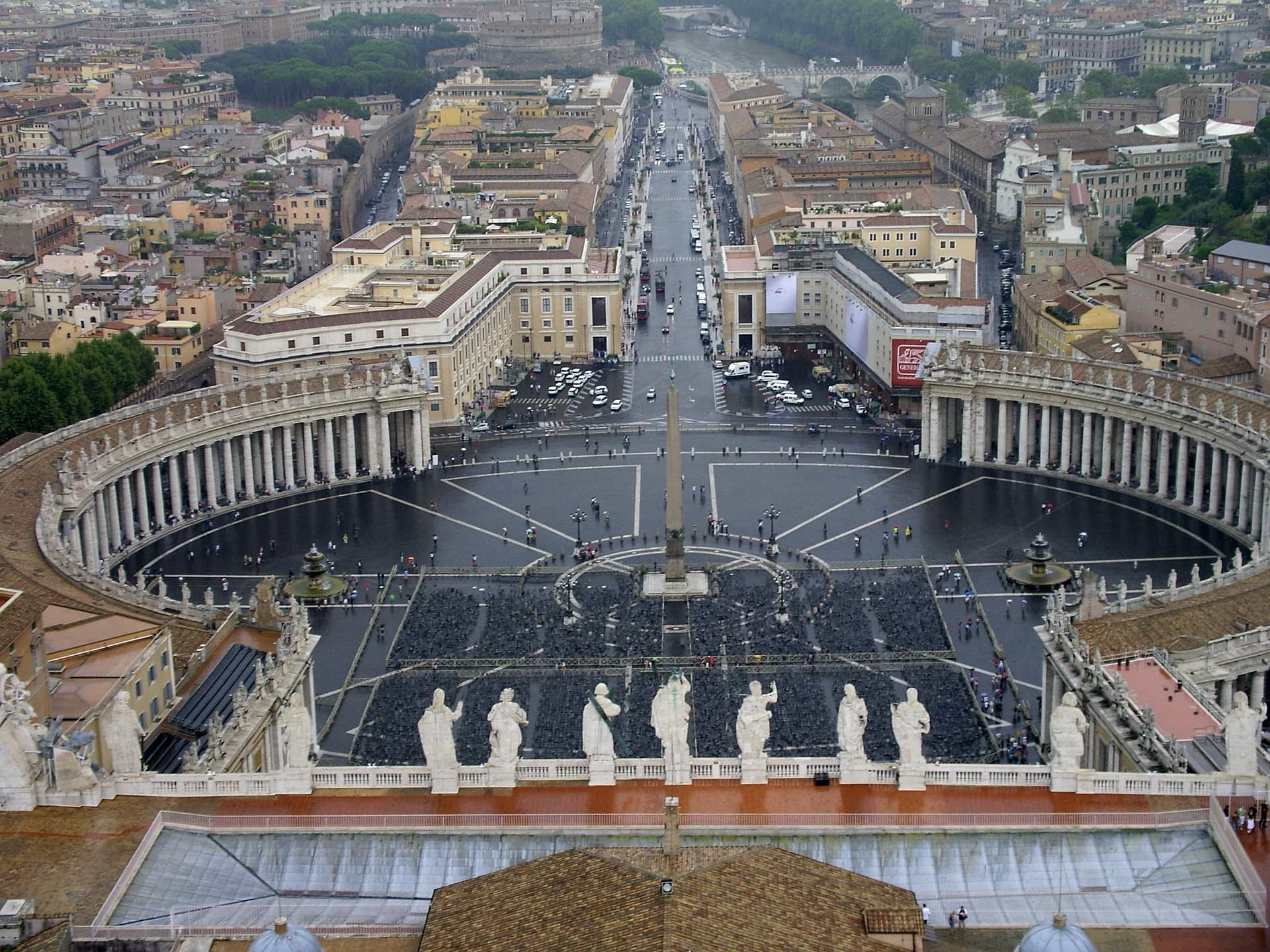
La Plaza de San Pedro es lo primero que la mayoría de los visitantes ven de la Ciudad del Vaticano, y está diseñada, muy deliberadamente, para abrumar: una vasta plaza elíptica rodeada por 284 imponentes columnas, capaz de albergar a cientos de miles de personas para grandes eventos papales, con un obelisco egipcio más antiguo que el propio cristianismo erguido en su centro. Bernini, quien diseñó la plaza a mediados del siglo XVII, describió su propia intención en términos casi maternales, las columnatas envolventes destinadas a acoger tanto a los fieles creyentes como a aquellos que se habían extraviado, devolviéndolos a los brazos de la Iglesia.
Los Brazos Envolventes de Bernini
Encargada por el Papa Alejandro VII y construida entre 1656 y 1667, la columnata de Bernini forma dos brazos semicirculares que se extienden desde la fachada de la basílica, creando la forma distintiva elíptica de la plaza. Las 284 columnas dóricas, dispuestas en cuatro filas, están coronadas por 140 estatuas de santos, cada una tallada individualmente, mirando hacia la plaza de abajo. Bernini diseñó la perspectiva de la columnata de modo que, de pie en dos puntos específicos marcados dentro de la plaza (llamados puntos focales), las cuatro filas de columnas se alinean ópticamente en una sola fila, un ingenioso truco arquitectónico deliberado que se ha convertido en uno de los detalles ocultos más populares de la plaza para los visitantes que saben dónde buscar.
Quería que la columnata representara los brazos maternales de la Iglesia, abrazando a los católicos para reforzar su fe, a los herejes para reunirlos con la Iglesia, y a los agnósticos para iluminarlos sobre la verdadera fe.- Gian Lorenzo Bernini, sobre su intención de diseño
La Ciudad del Vaticano como Estado Soberano Propio
Es fácil olvidar, rodeado de turistas y puestos de souvenirs, que la Plaza de San Pedro se encuentra dentro de la Ciudad del Vaticano, un estado soberano independiente reconocido por el derecho internacional desde el Tratado de Letrán de 1929 entre Italia y la Santa Sede, lo que la convierte, con aproximadamente 49 hectáreas, en el país más pequeño del mundo tanto en superficie como en población. La propia plaza, técnicamente, se encuentra justo fuera del límite territorial estricto de la Ciudad del Vaticano, en un arreglo especial que permite a la policía italiana mantener el orden en la plaza bajo la supervisión del Vaticano, una peculiaridad del derecho de los tratados que la mayoría de los visitantes nunca se dan cuenta al cruzar lo que parece, sobre el terreno, un único espacio público continuo.
El Obelisco que Presenció el Circo de Nerón
Elevándose desde el centro de la plaza hay un antiguo obelisco egipcio, extraído originalmente en Heliópolis y llevado a Roma bajo el emperador Calígula en el año 37 d.C., donde permaneció durante más de un milenio en la spina (barrera central) del Circo de Nerón, la mismísima arena donde, según la tradición, el propio San Pedro fue martirizado y crucificado boca abajo. Eso convierte al obelisco en un testigo físico continuo, en cierto sentido, del acontecimiento fundacional de la importancia cristiana de la Colina Vaticana, a pesar de haber sido tallado en el Egipto precristiano para un propósito pagano completamente ajeno siglos antes.
Trasladar el obelisco de aproximadamente 330 toneladas a su posición actual en 1586 fue una extraordinaria hazaña de ingeniería renacentista, supervisada por el arquitecto Domenico Fontana bajo el Papa Sixto V. El traslado requirió unos 800 hombres, 140 caballos, y docenas de cabrestantes y poleas, y se consideró tan arriesgado que, según la leyenda popular, Sixto V amenazó de muerte a cualquiera que hablara durante la operación, hasta que un marinero según se cuenta gritó una advertencia sobre las cuerdas que se sobrecalentaban y humeaban, salvando al obelisco del colapso y ganándole a su familia un privilegio hereditario aún asociado con la historia hoy en día.
Qué llevar y mejor momento para visitar
Llegar antes de las 8:00 es sistemáticamente la mejor manera de experimentar la Plaza de San Pedro con multitudes mínimas y las colas de seguridad más cortas, particularmente durante la temporada alta de viajes europea (de mayo a septiembre). La protección solar importa dada la total falta de sombra en la mayor parte de su extensión abierta, y el calzado cómodo vale la pena priorizarlo dada la magnitud de la caminata típicamente implicada en un día completo en el Vaticano que abarca la plaza, la basílica, y los museos.
La Fachada de la Basílica y la Cúpula Más Allá
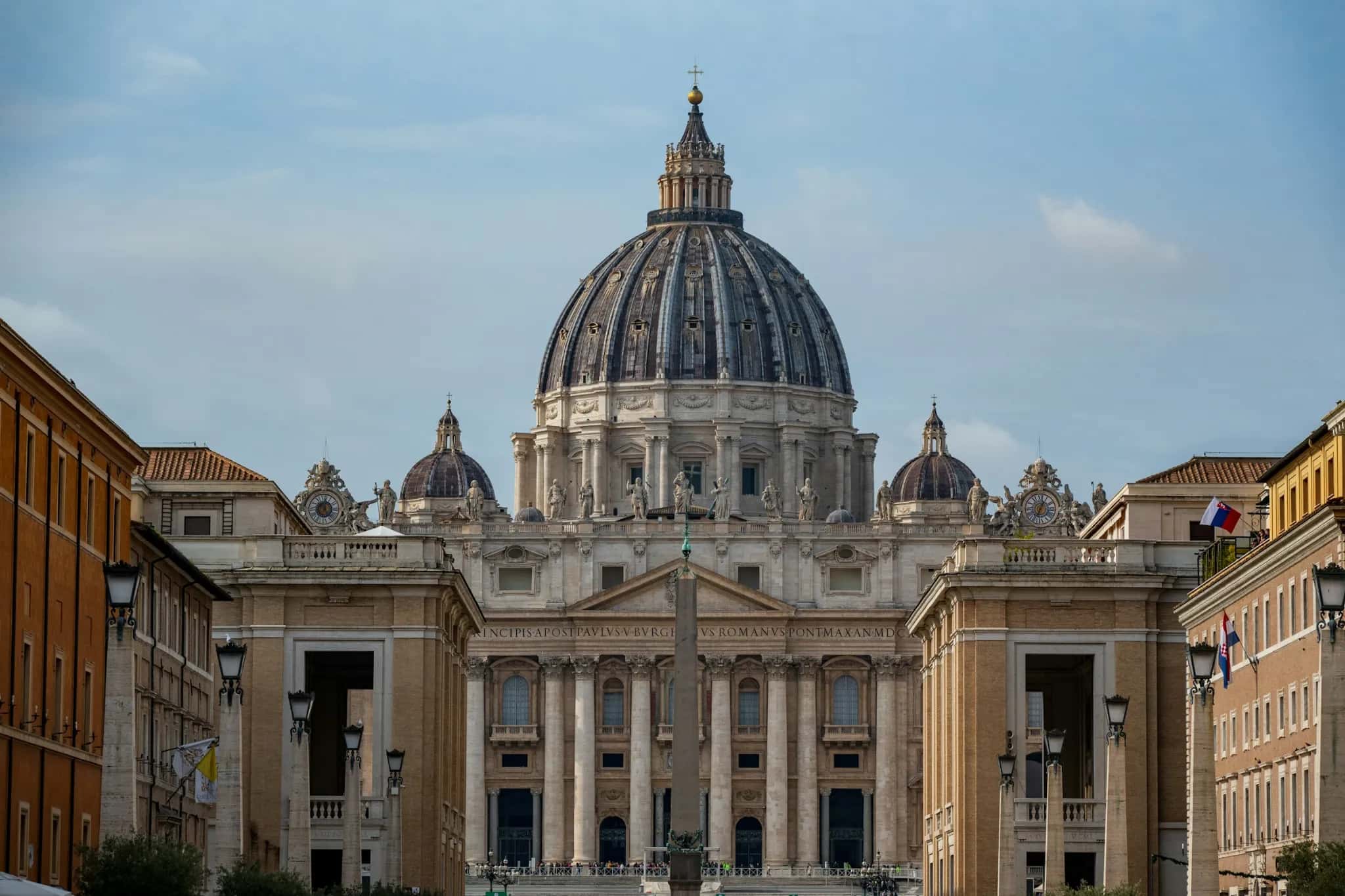
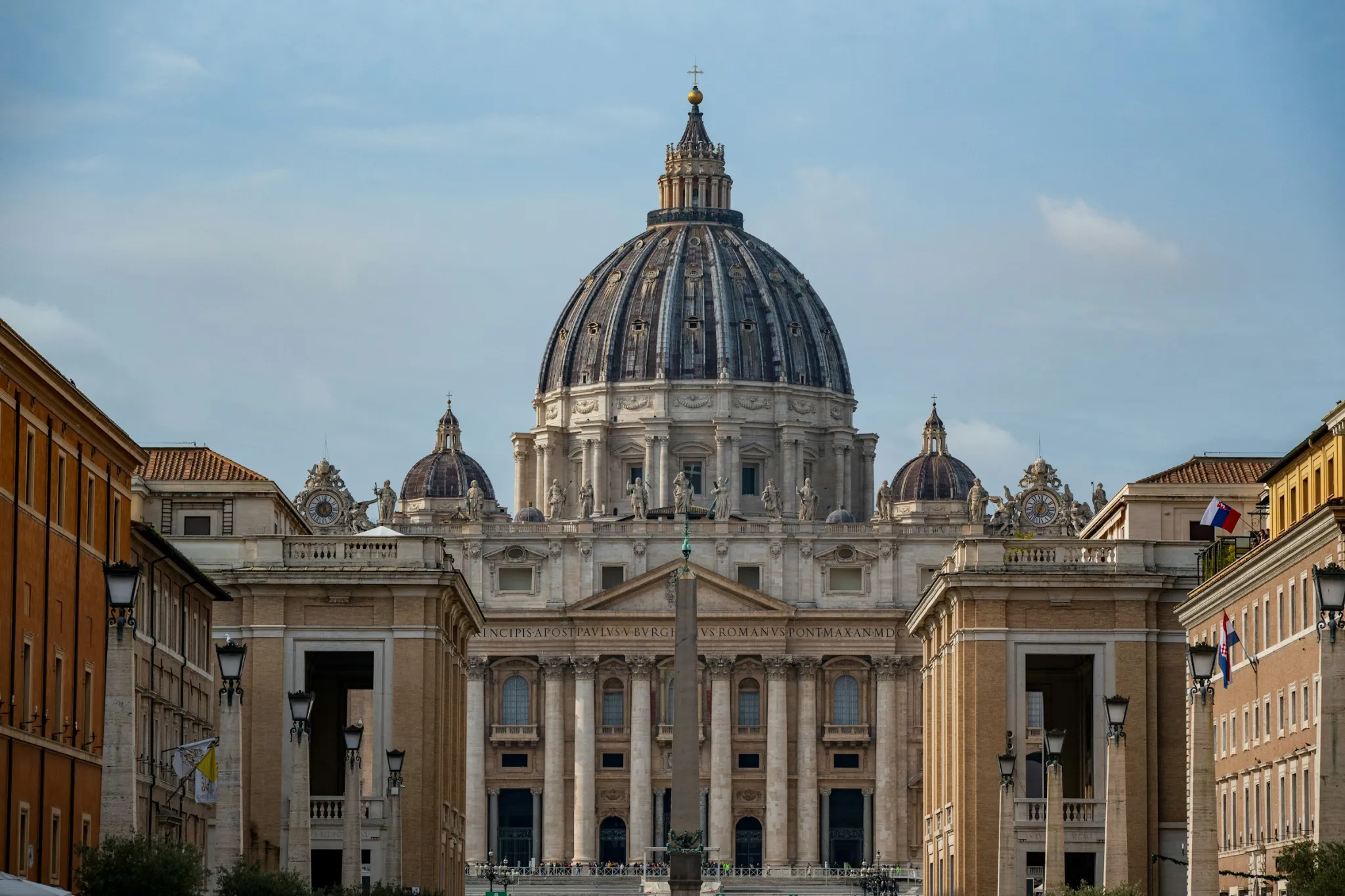
Enmarcando el extremo lejano de la plaza está la fachada de la propia Basílica de San Pedro, diseñada por Carlo Maderno y completada en 1614, con la enorme cúpula de Miguel Ángel elevándose visiblemente detrás de ella, aunque, debido al ancho de la fachada y a las decisiones de diseño de Maderno, la cúpula aparece notablemente más pequeña directamente desde el frente de la plaza que desde más lejos, una peculiaridad de perspectiva que ha suscitado críticas arquitectónicas durante siglos aunque el conjunto general sigue siendo una de las imágenes más reconocibles del cristianismo en todo el mundo.
La Vista de Vuelta hacia Roma
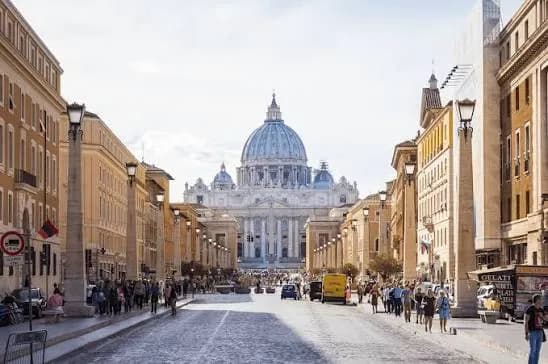
De pie en el borde lejano de la Plaza de San Pedro, mirando hacia atrás por la ancha y recta Via della Conciliazione hacia el Tíber y el centro de Roma más allá, ofrece una línea de visión deliberadamente escenificada; el propio bulevar fue significativamente ensanchado y remodelado durante la década de 1930 bajo el gobierno de Mussolini, demoliendo un denso barrio medieval específicamente para crear un acercamiento dramático y procesional al Vaticano desde el centro de la ciudad. Esa demolición sigue siendo un capítulo genuinamente controvertido de la historia del urbanismo, criticado por muchos historiadores de la arquitectura por destruir un tejido medieval irremplazable puramente por el efecto de la línea de visión ceremonial, aunque la vista resultante logra innegablemente crear expectación en los visitantes que llegan.
Cómo Maneja la Plaza las Enormes Multitudes
El diseño elíptico de Bernini no estaba solo motivado estéticamente, cumplía una función genuinamente práctica de gestión de multitudes, estrechando gradualmente el campo de visión de los visitantes a medida que se acercan a la basílica y canalizando enormes cantidades de personas a través de un espacio controlado y gradualmente más estrecho sin crear cuellos de botella peligrosos. La planificación moderna de seguridad ha añadido medidas adicionales a este diseño centenario, incluyendo la colocación de barreras y la gestión del flujo de multitudes para grandes eventos, pero la lógica fundamental de la forma elíptica de Bernini (guiando suavemente a enormes multitudes hacia un único punto focal) sigue siendo tan funcionalmente relevante hoy como lo era durante las ceremonias papales del siglo XVII.
Audiencias Papales y la Nochebuena
La Plaza de San Pedro sigue siendo un espacio ceremonial activamente utilizado, no simplemente un monumento histórico. El Papa imparte su bendición del mediodía del domingo (el Ángelus) desde una ventana que da a la plaza la mayoría de los domingos, y se celebran audiencias generales aquí los miércoles por la mañana cuando el horario lo permite, atrayendo multitudes que pueden variar de unos pocos miles a bien más de cien mil según la temporada y la ocasión. La Misa de Nochebuena y las celebraciones de Pascua, transmitidas globalmente, llenan regularmente la plaza y la Via della Conciliazione circundante a plena capacidad, un nivel de uso cívico y religioso en funcionamiento que pocas plazas históricas en el mundo pueden igualar.
Un breve resumen histórico, si tienes poco tiempo
- 37 d.C.: Calígula trae el obelisco central a Roma desde Egipto, instalándolo en el Circo de Nerón
- 64-68 d.C.: San Pedro es martirizado tradicionalmente en el circo, cerca de donde se erguía el obelisco
- 1586: el Papa Sixto V traslada el obelisco a su posición central actual frente a la basílica
- 1656-1667: Bernini diseña y construye la columnata bajo el Papa Alejandro VII
- 1614: Carlo Maderno completa la fachada de la basílica que enmarca el extremo lejano de la plaza
- Actualidad: la plaza sigue albergando audiencias papales, bendiciones, y grandes celebraciones de la Iglesia
Al leer esa secuencia en conjunto, resulta llamativo cuántos momentos históricos completamente separados (la ingeniería del antiguo Egipto, el circo de un emperador romano, el martirio de un apóstol, y la ambición arquitectónica barroca) convergieron en este único tramo de pavimento para producir la plaza que millones de visitantes recorren ahora cada año.
Pocos espacios públicos en el mundo han sido moldeados por tantas fuerzas históricas dispares, cada una aportando una pieza a lo que ahora se lee, engañosamente, como un diseño único y unificado.
Ese es quizás lo más útil que se puede llevar a una visita aquí: nada sobre la Plaza de San Pedro ocurrió por accidente, y casi cada elemento que puedes ver, desde el obelisco hasta la columnata y el bulevar que conduce a ella, fue moldeado por una decisión histórica específica, a menudo sorprendente, tomada con siglos de diferencia de las demás.
Tómate el tiempo de notarlo todo, capa por capa, en lugar de correr directamente hacia las puertas de la basílica; la plaza en sí misma merece tanto tu atención como lo que espera dentro, obelisco, columnata, fuentes, y todo lo demás.
Seguridad, código de vestimenta, y consejos prácticos de visita
La entrada a la propia plaza es gratuita y sin billete, aunque se requiere control de seguridad (similar a los controles de nivel aeroportuario) para pasar a la plaza propiamente dicha, particularmente más cerca de la entrada de la basílica. Se aplica un código de vestimenta estricto para cualquiera que desee entrar posteriormente en la basílica, los hombros y las rodillas deben estar cubiertos para todos los visitantes, independientemente de su género, sin excepciones en la puerta.
-
Llega temprano por la mañana (antes de las 8:00) para evitar tanto las multitudes como las colas de seguridad
-
Vístete apropiadamente de antemano (hombros y rodillas cubiertos) para evitar que te rechacen en la seguridad de la basílica
-
Consulta el horario oficial de audiencias y misas del Vaticano antes de visitar si quieres ver o evitar una ceremonia específica
-
Los domingos alrededor del mediodía traen la bendición del Ángelus; las mañanas de miércoles suelen traer audiencias generales papales
-
La plaza no tiene sombra, lleva agua y protección solar, particularmente en verano
Por Qué la Conciencia sobre los Carteristas Importa Incluso Aquí
A pesar de su importancia religiosa, la Plaza de San Pedro atrae los mismos riesgos oportunistas de carteristas comunes a cualquier sitio turístico importante extremadamente concurrido, particularmente durante las horas punta y los grandes eventos papales cuando las multitudes densas proporcionan una cobertura fácil. Mantener las bolsas cerradas con cremallera y los objetos de valor asegurados, especialmente durante los momentos más apretados de una audiencia general o una gran misa, es una precaución sensata que se aplica aquí tanto como lo haría en cualquier otro monumento muy visitado de Roma, independientemente de la importancia religiosa del lugar.
Popular tours & tickets
Accesibilidad para Visitantes con Necesidades de Movilidad
La propia plaza, al ser una gran explanada empedrada abierta, es generalmente accesible para usuarios de sillas de ruedas y visitantes con limitaciones de movilidad, aunque los Museos Vaticanos y ciertas áreas de la basílica (particularmente la subida a la cúpula) presentan desafíos de accesibilidad más significativos dadas las estrechas escaleras históricas. El Vaticano proporciona algunas adaptaciones de accesibilidad y rutas accesibles a través de los principales lugares de interés, y consultar la información de accesibilidad actual de antemano vale la pena para los viajeros con necesidades de movilidad específicas que planifican una visita al Vaticano.
Lo que los Primerizos Hacen Mal
Un error común entre los primerizos es subestimar cuánto de un día completo requiere realmente una visita adecuada al Vaticano, tratando la plaza, la basílica, y los museos como una parada matutina rápida en lugar del compromiso de medio día a un día completo que genuinamente exigen una vez que se tienen en cuenta las colas de seguridad, los ajustes del código de vestimenta, y la pura distancia de caminata implicada. Incorporar generosos márgenes de tiempo, en lugar de comprimir una visita al Vaticano entre otros dos lugares importantes el mismo día, produce sistemáticamente una experiencia mucho menos estresante y más gratificante.
Visitas Nocturnas, Cuando se Permiten
Aunque la basílica y los museos mantienen horarios diurnos establecidos, la propia Plaza de San Pedro permanece abierta y accesible hasta la noche y durante la madrugada, ofreciendo una experiencia marcadamente diferente y más tranquila que las multitudes diurnas. Iluminada por la noche, con la columnata y la cúpula iluminadas dramáticamente contra el cielo oscuro, una visita a última hora de la noche (cuando es seguro y conveniente) da una apreciación genuinamente diferente del diseño de Bernini que la bulliciosa versión diurna que experimenta la mayoría de los visitantes, con mucho más espacio para apreciar la arquitectura sin competir por las líneas de visión o los ángulos de foto.
Qué Saber antes de Tu Primera Audiencia Papal
Asistir a una audiencia general papal, cuando está programada, es gratuito pero requiere una entrada (también gratuita) obtenida de antemano a través de la Prefectura de la Casa Pontificia del Vaticano, típicamente organizada unos días antes a través de oficinas afiliadas al Vaticano en Roma o, para algunas nacionalidades, a través de los contactos de la iglesia local o la embajada de su país. La audiencia en sí normalmente dura alrededor de una hora, incluye comentarios en varios idiomas, y ofrece una forma genuinamente memorable, aunque logísticamente compleja, de experimentar la plaza en su plena función ceremonial en lugar de como una simple parada turística histórica.
Cómo Llegar y Qué Hay Cerca
La Plaza de San Pedro se encuentra en el extremo occidental del centro de Roma, accesible a través de las paradas de metro Ottaviano o Cipro (Línea A) seguidas de una corta caminata, o directamente a través del acceso de la Via della Conciliazione desde el Tíber. Un tour a pie por Roma del centro histórico típicamente no incluye la Ciudad del Vaticano dados los requisitos separados de entradas y seguridad, lo que hace de esta generalmente una visita dedicada de medio día o un día completo por sí sola, a menudo combinada con los Museos Vaticanos y la Capilla Sixtina.
Comparando la Plaza con Otras Grandes Plazas Europeas
La Plaza de San Pedro a menudo se comenta junto a otros espacios públicos europeos monumentales, pero pocos comparten su combinación específica de gravedad religiosa, escala pura, y uso ceremonial activo continuo. Donde plazas como la Piazza Navona o incluso la Plaza de San Marcos en Venecia funcionan principalmente como espacios de ocio y turismo hoy en día, la Plaza de San Pedro sigue siendo un sitio religioso genuinamente en funcionamiento, albergando misas, bendiciones, y audiencias en un horario regular en lugar de existir puramente como telón de fondo histórico. Esa función continua da forma a toda la experiencia del visitante, ya que un viaje aquí puede coincidir inesperadamente con una ceremonia papal real en lugar de simplemente un tranquilo recorrido histórico.
Preguntas frecuentes
¿Es gratuita la visita a la Plaza de San Pedro?+
Sí, la plaza es gratuita y está abierta al público en todo momento, aunque se aplica un control de seguridad antes de entrar en el área más cercana a la basílica.
¿Cuántas columnas componen la columnata?+
284 columnas dóricas en total, dispuestas en cuatro filas concéntricas, coronadas por 140 estatuas de santos.
¿Dónde están los puntos focales de la ilusión óptica?+
Dos marcadores circulares de piedra están incrustados en el pavimento de la plaza, aproximadamente alineados con el obelisco central y las fuentes; ponerse de pie en cualquiera de ellos hace que las cuatro filas de columnas parezcan fusionarse en una sola fila.
¿Qué antigüedad tiene el obelisco del centro?+
Data del antiguo Egipto, traído a Roma en el año 37 d.C., lo que le da más de 1.900 años en su ubicación actual y considerablemente más aún en su contexto egipcio original.
Las Fuentes que Flanquean el Obelisco
Dos grandes fuentes se encuentran a cada lado del obelisco central, una diseñada por Carlo Maderno en 1613 y otra a juego añadida más tarde por Bernini para completar la simetría de la plaza. Aunque mucho menos comentadas que el obelisco o la columnata, las fuentes contribuyen significativamente a la sensación de equilibrio y ritmo de la plaza, sus constantes chorros de agua ofreciendo un contrapunto refrescante y calmante a la, por lo demás, vasta extensión de pavimento de piedra abierto en los calurosos días de verano.
Qué Cambia durante un Periodo de Sede Vacante
Cuando el papado está vacante (entre la muerte o renuncia de un papa y la elección de un sucesor, un período conocido como sede vacante), la Plaza de San Pedro se convierte en el punto focal de un período inusualmente intenso de atención mediática global, a menudo albergando la misa fúnebre del papa anterior antes de presenciar más tarde la primera aparición pública del nuevo papa en el balcón central de la basílica. Estos períodos, aunque relativamente raros, transforman temporalmente la plaza de un destino turístico en el epicentro de un importante evento noticioso mundial, con disposiciones de seguridad y multitudes ampliadas dramáticamente más allá incluso de la temporada turística ordinaria más concurrida.
Por Qué la Plaza Sigue Funcionando Como se Pretendía
Casi cuatro siglos después de que Bernini completara su diseño, la Plaza de San Pedro sigue haciendo exactamente lo que fue construida para hacer: recibir a un abrumador número de visitantes que llegan con una sensación de asombro, orden, y acogida en lugar de caos. Ya sea que vengas por la arquitectura, la historia, o una genuina peregrinación religiosa, el diseño cuidadoso y deliberado de la plaza asegura que los primerísimos momentos de una visita al Vaticano sigan siendo tan impresionantes hoy como se pretendía que fueran en el siglo XVII.
Sean cuales sean las presiones de tiempo que moldeen el resto de tu día, intenta dedicarle a la plaza misma unos minutos sin prisas antes de dirigirte hacia las puertas de la basílica.
Escrito por
Get Your Roman Tours Team
Somos un turoperador con licencia con sede en Roma (Get Your Roman Tours S.R.L.S.). Nuestros guías realizan visitas en estos lugares cada semana: todo lo que hay aquí viene de la experiencia, no de la investigación. Sobre nosotros · Pregúntanos lo que quieras