Piazza del Popolo: La Puerta de Entrada Más Grandiosa de Roma

Durante siglos, la Piazza del Popolo fue la primera vista que recibía a casi todos los viajeros que llegaban a Roma desde el norte, peregrinos, comerciantes, diplomáticos, y aristócratas del Grand Tour por igual, canalizados a través de la antigua Via Flaminia y la puerta de la ciudad que aún ancla el borde norte de la plaza. Diseñada para impresionar a primera vista, con un vasto trazado ovalado, dos iglesias gemelas idénticas, y un obelisco egipcio justo en el centro, la Piazza del Popolo sigue siendo uno de los espacios públicos más teatralmente compuestos de Roma, una entrada construida muy literalmente para abrumar.
Cómo se Fotografía la Plaza a lo Largo de las Estaciones
La Piazza del Popolo cambia de carácter notablemente a lo largo del calendario: la primavera trae una luz clara y suave ideal para fotografiar el obelisco contra un cielo azul, el verano trae un calor intenso con sombra mínima en la plaza abierta, el otoño ofrece algo de la luz de hora dorada más favorecedora del año, y el invierno ocasionalmente trae una versión más tranquila, casi contemplativa de la plaza con multitudes más escasas, particularmente las mañanas entre semana. Los viajeros que planifican una foto específica del obelisco, la puerta, o las iglesias gemelas se benefician de comprobar la posición del sol en relación con la estación, ya que la orientación de la plaza significa que ciertos ángulos solo funcionan bien en momentos particulares del año.
Por Qué la Via Flaminia Importaba Tanto
La Via Flaminia, la antigua carretera consular que entraba en Roma por esta puerta exacta, era una de las carreteras más estratégicamente importantes de toda la red vial romana, conectando la capital directamente con la costa adriática en Rímini y, desde allí, hacia el resto del norte de Italia y más allá de los Alpes. Los ingenieros romanos la construyeron con las mismas técnicas de construcción estandarizadas y duraderas utilizadas en todo el sistema vial del imperio (cimientos en capas, canales de drenaje, y mojones marcando la distancia), lo que significa que durante siglos, la velocidad y fiabilidad de la comunicación y el movimiento de tropas entre Roma y sus territorios del norte dependía sustancialmente del estado de esta única carretera y de la puerta que marcaba su término. La Piazza del Popolo, bajo esa luz, no era solo una entrada atractiva; era el punto final, cuidadosamente escenificado, de una de las arterias estratégicas más críticas del imperio.
La Antigua Puerta que Dio a la Plaza su Propósito
El borde norte de la plaza está anclado por la Porta del Popolo (originalmente la Porta Flaminia), una monumental puerta de la ciudad construida en las antiguas Murallas Aurelianas de Roma, marcando el punto donde la Via Flaminia (una de las carreteras consulares más importantes de la Roma antigua, que llevaba al norte hacia la costa adriática) entraba en la ciudad propiamente dicha. Durante la mayor parte de la historia romana, esta fue la principal entrada terrestre para los viajeros que llegaban desde el norte de Italia y más allá de los Alpes, convirtiendo a la plaza justo dentro de la puerta en la primera impresión de facto de Roma para una enorme proporción de sus visitantes a lo largo de dos milenios.
La elegante fachada de la puerta actual, rediseñada en el siglo XVII bajo la supervisión de Bernini para honrar la llegada de la Reina Cristina de Suecia a Roma tras su conversión al catolicismo, reemplazó una estructura antigua y medieval más sencilla, otro ejemplo de un monumento romano reconstruido y reinterpretado repetidamente para adaptarse al teatro político de cualquier época que lo necesitara.
El Obelisco Egipcio en el Centro
Elevándose desde el centro de la plaza ovalada está el Obelisco Flaminio, erigido originalmente en Egipto bajo el faraón Ramsés II en el siglo XIII a.C., traído a Roma por Augusto en el año 10 a.C. y exhibido originalmente en el Circo Máximo antes de ser trasladado a su posición actual en 1589 bajo el ambicioso proyecto de reubicación de obeliscos por toda la ciudad del Papa Sixto V. Con aproximadamente 24 metros de altura (más alto incluyendo su base), es uno de los objetos hechos por el hombre más antiguos de toda la ciudad, precediendo a la República Romana por bien más de mil años, un detalle fácil de pasar por alto, dado cuántos otros monumentos compiten por la atención en esta única plaza.
La Reina Cristina y el Rediseño de la Puerta
El rediseño de Bernini en 1655 de la fachada interior de la Porta del Popolo fue encargado específicamente para marcar la llegada de la Reina Cristina de Suecia, una antigua monarca que había abdicado su trono y se había convertido al catolicismo, una importante victoria de propaganda para la Iglesia durante los conflictos religiosos europeos más amplios de la época. La dramática entrada de Cristina por esta puerta fue escenificada como un espectáculo público triunfante, y la fachada rediseñada, completa con heráldica papal celebrando la conversión, aseguró que su llegada dejara una marca tan permanente y visible en la ciudad como cualquiera de los triunfos militares de la época. Es un recordatorio útil de que la misma puerta que funciona como la gran entrada de Roma para los viajeros ordinarios también albergaba regularmente teatro político cuidadosamente coreografiado para dignatarios visitantes.
Iglesias Gemelas y una Ilusión Óptica
En la entrada sur de la plaza se alzan dos iglesias barrocas casi idénticas, Santa Maria di Montesanto y Santa Maria dei Miracoli, ambas construidas a finales del siglo XVII para enmarcar la entrada a la Via del Corso, la larga y recta calle procesional de Roma que conduce hacia el centro histórico. Las dos iglesias parecen perfectamente simétricas desde la plaza, pero en realidad están construidas sobre parcelas de formas y tamaños ligeramente diferentes; el arquitecto Carlo Rainaldi (con aportaciones posteriores de Bernini y Carlo Fontana) ajustó ingeniosamente la cúpula y el plano de cada iglesia para crear la ilusión de gemelas idénticas a pesar de la irregularidad subyacente, un truco visual barroco deliberado diseñado para maximizar la simetría teatral de la plaza.
Por Qué Sixto V Trasladó Tantos Obeliscos
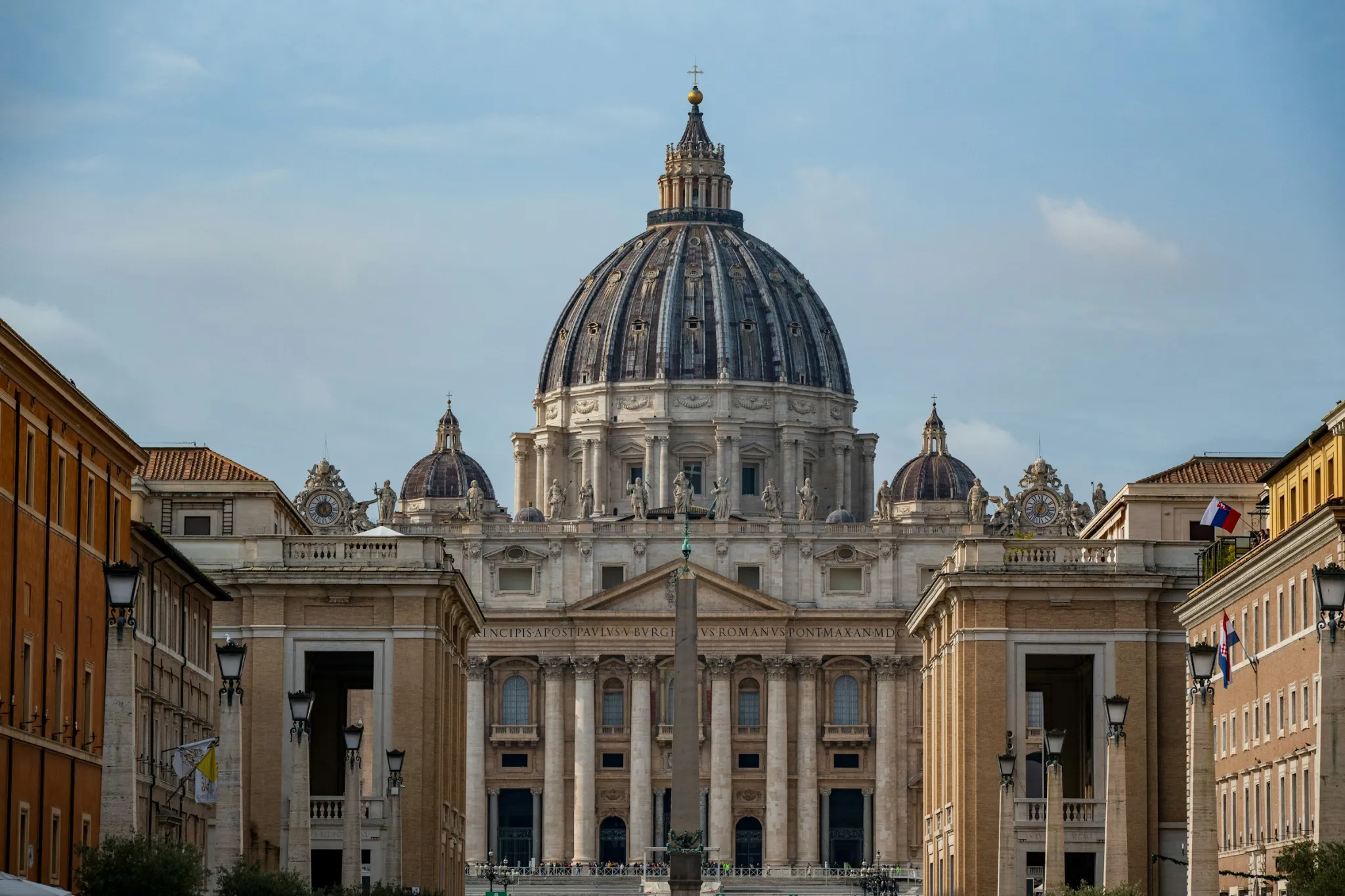
El breve pero extraordinariamente activo papado de Sixto V (1585-1590) remodeló el paisaje urbano de Roma de manera más drástica que casi cualquier pontífice antes o después, incluyendo una campaña deliberada para reubicar varios obeliscos egipcios antiguos dispersos o enterrados por toda la ciudad hacia nuevas posiciones destacadas en plazas principales y fachadas de iglesias, incluyendo esta en la Piazza del Popolo, otra en la Plaza de San Pedro, y otras en otros lugares. La estrategia servía múltiples propósitos simultáneamente: cristianizaba monumentos egipcios paganos coronándolos con cruces, creaba hitos visuales dramáticos para guiar a los peregrinos a lo largo de rutas procesionales clave entre las principales basílicas de Roma, y consolidaba el propio legado de Sixto V como papa constructor a la escala de los antiguos emperadores cuyos monumentos estaba reutilizando.
Ejecuciones Públicas y una Historia Cívica Más Oscura
Como varias de las grandes plazas de Roma, la Piazza del Popolo también sirvió durante un período como sitio de ejecución pública, particularmente durante la era de los Estados Pontificios, con ahorcamientos y otros castigos llevados a cabo aquí como un espectáculo público deliberado tanto para los viajeros que llegaban como para los residentes, una sombría función cívica superpuesta incómodamente bajo el gran papel ceremonial de la plaza como la principal puerta de entrada de Roma. La doble identidad de la plaza, a partes iguales bienvenida triunfante y disuasión pública, refleja cuán completamente los espacios cívicos romanos siempre han servido funciones múltiples, a menudo contradictorias, simultáneamente.
Santa Maria del Popolo y sus Pinturas de Caravaggio
Justo al lado del flanco oriental de la plaza se encuentra la iglesia de Santa Maria del Popolo, discreta por fuera pero hogar de una de las colecciones de arte pequeñas más ricas de Roma, incluyendo las dos obras maestras de Caravaggio de la Capilla Cerasi (La Conversión de San Pablo y La Crucifixión de San Pedro) junto a obras de Rafael y Bernini. La entrada es gratuita, y como la iglesia se encuentra justo al margen de la plaza principal, es sistemáticamente pasada por alto por visitantes que nunca se dan cuenta de que dos auténticas pinturas de Caravaggio están ahí, sin entrada, a pocos pasos de donde tomaron su foto del obelisco.
Popular tours & tickets
Qué llevar y mejor momento para visitar
La última hora de la tarde trae la mejor luz para fotografiar el obelisco y las iglesias gemelas, con el sol inclinándose a través de la plaza en lugar de estar directamente encima. La subida hasta la terraza del Pincio es moderada pero sin sombra en tramos, así que vale la pena llevar agua y protección solar en verano. Las mañanas de domingo tienden a ser más tranquilas que las tardes entre semana, cuando los grupos turísticos que se mueven entre la Villa Borghese y el centro histórico pasan en mayor número.
Visita práctica
-
La plaza es gratuita y está abierta en todo momento; Santa Maria del Popolo también es gratuita de visitar
-
La plaza tiene su propia parada de metro (Flaminio, Línea A) justo más allá de la puerta Porta del Popolo
-
Sube los escalones de la terraza del Pincio en el lado este de la plaza para una vista amplia de vuelta sobre la plaza y a través de los tejados hacia la cúpula de San Pedro
-
Visita la Capilla Cerasi de Santa Maria del Popolo para las pinturas de Caravaggio, lleva monedas para la caja de luz si quieres que la obra esté correctamente iluminada
-
Combina con la Villa Borghese, directamente accesible a través de los jardines del Pincio sobre la plaza
Cómo Llegar y Combinarlo con Otros Lugares
La Piazza del Popolo se encuentra en el borde norte del centro histórico de Roma, directamente conectada con la Villa Borghese a través de los jardines del Pincio arriba, y a aproximadamente 15 minutos a pie por la Via del Corso hasta la Plaza de España y la Fontana di Trevi. Un tour a pie por Roma ocasionalmente incluye esta plaza como punto de inicio o final dada su fuerte conectividad de metro y su disposición dramática y fácil de fotografiar.
Debido a que la plaza se conecta tan directamente con la Villa Borghese arriba y la calle comercial de la Via del Corso abajo, funciona particularmente bien como una parada intermedia flexible: comienza una mañana en el obelisco y las iglesias, sube al Pincio para tiempo de parque y vistas, luego desciende de nuevo por el Corso hacia el Panteón y la Fontana di Trevi para el resto del día.
Una Plaza que Ha Dado la Bienvenida a Todo Tipo de Viajeros
Desde peregrinos medievales caminando el último tramo de la Via Francigena, hasta aristócratas del siglo XVIII completando su Grand Tour, hasta viajeros modernos bajando de un tren de metro, la Piazza del Popolo ha pasado aproximadamente dos mil años cumpliendo esencialmente la misma función: anunciar, tan dramáticamente como sea posible, que has llegado a Roma. Pocas entradas en cualquier lugar han sido tan cuidadosa y repetidamente rediseñadas a través de tantos siglos específicamente para maximizar ese único momento de llegada.
Preguntas frecuentes
¿Es gratuita la visita a la Piazza del Popolo?+
Sí, la plaza, la puerta Porta del Popolo, y la iglesia de Santa Maria del Popolo son todas gratuitas. Solo se aplican tarifas específicas de iluminación de museo o capilla (como la pequeña caja de monedas para la capilla de Caravaggio).
¿Por qué las dos iglesias no son realmente idénticas?+
Los arquitectos ajustaron deliberadamente el plano subyacente y el diseño de la cúpula de cada iglesia para compensar las parcelas de formas diferentes sobre las que fueron construidas, creando una ilusión visual de simetría perfecta en lugar de una verdadera duplicación arquitectónica.
¿Qué antigüedad tiene el obelisco del centro?+
El Obelisco Flaminio data del siglo XIII a.C., lo que le da más de 3.200 años, uno de los objetos más antiguos de Roma, precediendo a la fundación de la ciudad por muchos siglos.
¿Se puede subir a la terraza del Pincio gratis?+
Sí, la escalera y la terraza sobre la plaza son gratuitas y están abiertas al público, ofreciendo una de las mejores vistas panorámicas de esta parte de Roma.
¿Vale la pena visitar Santa Maria del Popolo incluso sin formación en historia del arte?+
Sí, las dos pinturas de Caravaggio en la Capilla Cerasi son dramáticas e inmediatamente impactantes incluso sin contexto previo, y la entrada gratuita de la iglesia la convierte en una adición fácil y de bajo riesgo a cualquier visita a la plaza.
¿Se puede entrar en coche a la plaza?+
No, la plaza en sí es peatonal; las calles cercanas tienen tráfico, pero el interior de la plaza está reservado para caminar.
La Plaza en la Memoria del Grand Tour
Para los viajeros del Grand Tour de los siglos XVIII y XIX (jóvenes aristócratas, en su mayoría británicos y del norte de Europa, que viajaban por Italia como colofón de su educación clásica), la Piazza del Popolo era frecuentemente la primerísima vista literal de Roma tras días o semanas de viaje terrestre. Innumerables pinturas de época, grabados, y diarios de viaje describen la abrumadora primera impresión de pasar por la Porta del Popolo y encontrarse inmediatamente con el obelisco y las iglesias gemelas, un momento deliberadamente diseñado que los urbanistas del siglo XVII claramente entendían el poder de crear. Esa misma primera impresión diseñada, incluso llegando hoy en metro en lugar de en carruaje, todavía tiende a causar efecto.
Por Qué Esta Plaza Sigue Funcionando como una Gran Entrada
Incluso ahora, con la mayoría de los visitantes llegando en avión, tren, o coche en lugar de a pie por la Via Flaminia, la Piazza del Popolo conserva la cualidad teatral y ligeramente abrumadora de primera impresión que fue diseñada para ofrecer. Pocos espacios públicos en cualquier lugar combinan un obelisco egipcio más antiguo que la propia República Romana, iglesias barrocas gemelas construidas sobre una ilusión óptica, y una antigua puerta de ciudad rediseñada para una reina convertida, todo dentro de un único óvalo transitable a pie. Sigue siendo uno de los mejores lugares en Roma para sentirse, aunque sea brevemente, como un viajero del Grand Tour llegando a las puertas de la Ciudad Eterna por primera vez.
Cómo Era la Puerta Antes de Bernini
Antes de su rediseño en el siglo XVII, la puerta que marcaba esta entrada a Roma era una estructura medieval comparativamente sencilla, funcional en lugar de ceremonial, reflejando el estado disminuido y despoblado de Roma durante los siglos en que la población de la ciudad se había reducido drásticamente desde su apogeo imperial antiguo. La puerta dramática y ornamentada que los visitantes ven hoy es en gran medida un producto del renacimiento de la era de la Contrarreforma en Roma, un esfuerzo deliberado y consciente de la imagen por parte de papas sucesivos para proyectar grandeza y confianza renovadas a cada viajero que llegaba al umbral de la ciudad, incluso cuando la población real y el poder político de la ciudad seguían siendo mucho menores que en la antigüedad.
Un breve resumen histórico, si tienes poco tiempo
- Siglo XIII a.C.: el Obelisco Flaminio es tallado en Egipto bajo Ramsés II
- 10 a.C.: Augusto trae el obelisco a Roma, exhibiéndolo inicialmente en el Circo Máximo
- Era antigua: la Porta Flaminia (más tarde Porta del Popolo) se convierte en la principal entrada norte a la ciudad a través de la Via Flaminia
- 1589: el Papa Sixto V traslada el obelisco a su posición actual en el centro de la plaza
- Finales del siglo XVII: se completan las iglesias gemelas de Santa Maria di Montesanto y Santa Maria dei Miracoli, enmarcando la entrada a la Via del Corso
- 1655: Bernini rediseña la fachada de la Porta del Popolo para honrar la llegada de la Reina Cristina de Suecia a Roma
Al leer la cronología en orden, queda claro que la Piazza del Popolo nunca fue obra de un solo arquitecto o un solo siglo, es el producto acumulado de casi tres mil años de decisiones, comenzando con un faraón egipcio y terminando, por ahora, con una parada de metro y un flujo diario de viajeros saliendo a tomar la misma foto que los viajeros del Grand Tour una vez dibujaron a mano.
Ya sea que llegues en metro, a pie desde la Plaza de España, o bajando por los jardines del Pincio desde la Villa Borghese, tómate un momento en la base del obelisco para mirar hacia atrás hacia la puerta que acabas de atravesar, es la misma vista dramática y deliberadamente diseñada que ha recibido a los viajeros que llegan aquí durante bien más de tres siglos.
Pocas entradas en cualquier lugar del mundo han sido tan deliberada y repetidamente rediseñadas a través de tantos siglos con un único propósito en mente: asegurarse absolutamente de que quienquiera que las atravesara nunca olvidara, ni por un momento, que acababa de llegar a Roma.
Esa intención ha envejecido notablemente bien, incluso ahora, con la mayor parte del contexto ceremonial original perdido en el tiempo, la plaza todavía logra ofrecer exactamente la dramática primera impresión que su larga línea de arquitectos y papas siempre pretendió, obelisco, iglesias, puerta, y todo. Pocas plazas en Roma trabajan tan duro, a través de tantos siglos, solo para hacer que una única primera impresión cause tanto efecto, siglo tras siglo, viajero tras viajero, puerta tras puerta reconstruida.
Llegar aquí a pie en lugar de en metro todavía ofrece una primera impresión significativamente más dramática, si tu itinerario permite la caminata extra.
Escrito por
Get Your Roman Tours Team
Somos un turoperador con licencia con sede en Roma (Get Your Roman Tours S.R.L.S.). Nuestros guías realizan visitas en estos lugares cada semana: todo lo que hay aquí viene de la experiencia, no de la investigación. Sobre nosotros · Pregúntanos lo que quieras