Villa Borghese: Roms Grüne Flucht und Ihre Berühmte Galerie

Die Villa Borghese ist Roms drittgrößter öffentlicher Park, etwa 80 Hektar Gärten, Seen, und schattige Wege, ursprünglich im frühen 17. Jahrhundert als privates Anwesen von Kardinal Scipione Borghese angelegt, einem der mächtigsten Kunstmäzene seiner Zeit. Der Park öffnete sich im frühen 19. Jahrhundert für die Öffentlichkeit und fungiert heute als die primäre grüne Flucht der Stadt, ein Ort, an dem Einheimische joggen, Rad fahren, und picknicken, nur einen kurzen Spaziergang von der Spanischen Treppe entfernt.
Über den Park selbst hinaus ist das Herzstück des Anwesens die Galleria Borghese, ein Museum, das in der ehemaligen Residenz von Kardinal Borghese untergebracht ist und eine der feinsten kleinen Kunstsammlungen der Welt beherbergt, einschließlich bedeutender Werke von Bernini, Caravaggio, und Raffael, eine bemerkenswerte Konzentration von Meisterwerken für ein einzelnes Gebäude.
Die Galleria Borghese
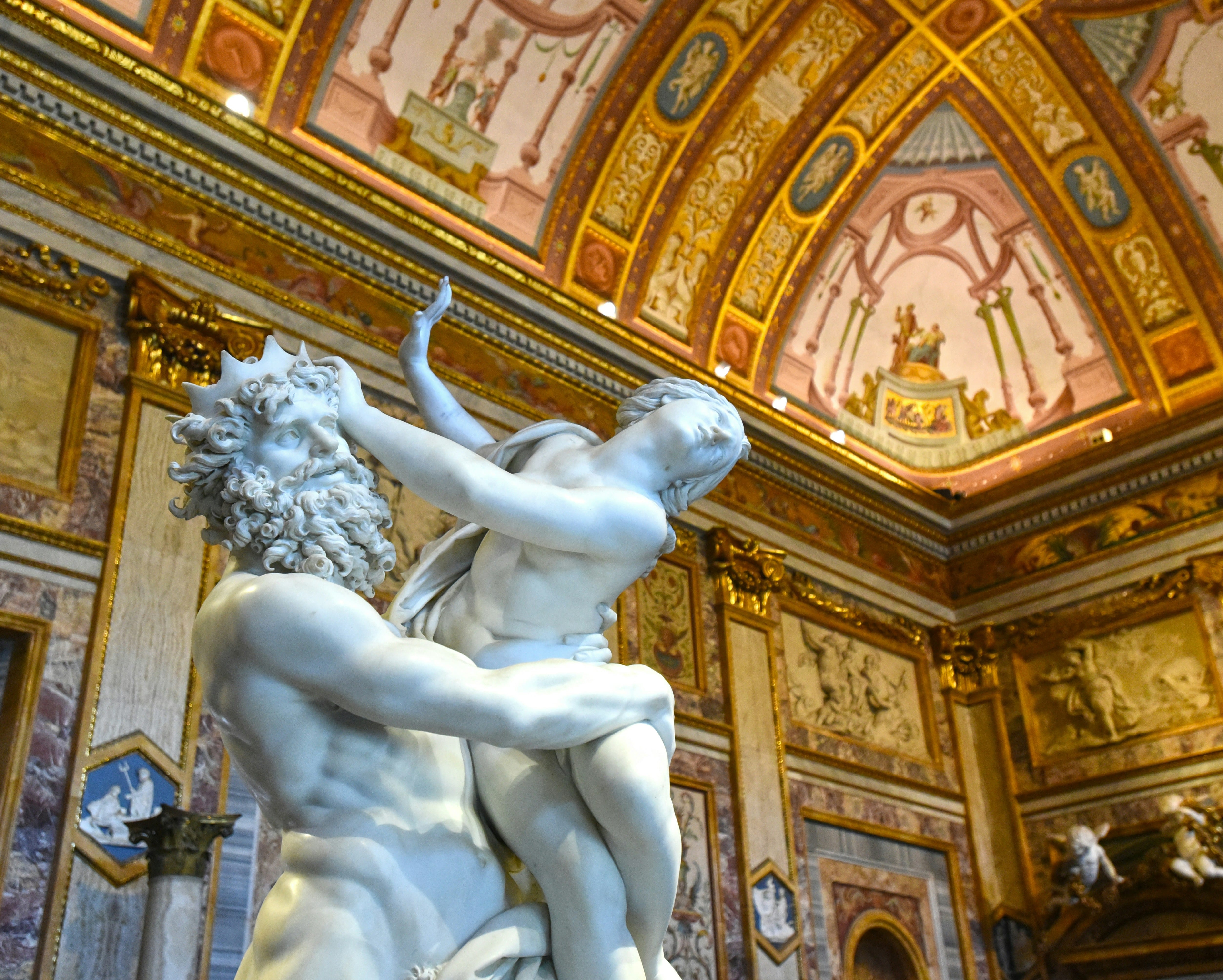
Kardinal Borghese war ein notorisch aggressiver Sammler, der Werke durch Mittel erwarb, die gelegentlich an Nötigung grenzten, eine berühmte Geschichte betrifft, wie er die Gemälde eines Rivalen im Wesentlichen durch einen fabrizierten rechtlichen Vorwand konfiszieren ließ. Wie auch immer die Ethik seiner Sammelmethoden zu beurteilen ist, das Ergebnis ist eine Sammlung, die schwer auf dramatische, wirkungsvolle Stücke setzt: Berninis Skulpturen Apollo und Daphne und Der Raub der Proserpina gelten als unter den feinsten Barockskulpturen überhaupt, die Bewegung und Emotion in Marmor mit einer Virtuosität einfangen, die bei Erstbesuchern, die vor ihnen stehen, immer noch Staunen auslöst.
Caravaggio ist durch mehrere bedeutende Werke vertreten, einschließlich eines Selbstporträts als Bacchus und seines beunruhigenden David mit dem Haupt des Goliath, in dem der abgeschlagene Kopf Berichten zufolge ein Selbstporträt des Künstlers selbst ist, ein Detail, das eine Schicht dunkler psychologischer Komplexität hinzufügt, sobald man weiß, danach zu suchen.
Die Galleria Borghese begrenzt Besucher streng über zeitlich festgelegte zweistündige Eintrittszeitfenster, und Tickets sind regelmäßig Tage oder Wochen im Voraus ausverkauft, besonders in der Hochsaison. Buchen Sie weit im Voraus, dies ist kein Museum, in das Sie einfach hineinspazieren können.
Der Park jenseits des Museums
- Der Borghese-See (Laghetto), mit Ruderbooten zum Verleih verfügbar
- Piazza di Siena, eine ovale Grasarena, die für die jährliche internationale Pferdeshow genutzt wird
- Der Bioparco, Roms Zoo, gelegen innerhalb des Parkgeländes
- Die Pincio-Terrasse, die bei Sonnenuntergang weite Ausblicke zur Petersbasilika bietet
- Zahlreiche schattige Alleen, beliebt bei Joggern und Radfahrern
Anreise und Fortbewegung
Der Park ist leicht zu Fuß vom oberen Ende der Spanischen Treppe aus zu erreichen, oder über die Metrostation Spagna (Linie A), die einen Ausgang hat, der fast direkt in das Parkgelände führt. Fahrrad- und Golfwagen-artige Vermietungen sind im Inneren für diejenigen verfügbar, die nicht das gesamte Gelände zu Fuß erkunden möchten, was bei ausgiebiger Erkundung eine echte Stunde oder mehr zu Fuß dauern kann.
-
Buchen Sie Tickets für die Galleria Borghese weit im Voraus, Verfügbarkeit am selben Tag ist selten
-
Kommen Sie 15 Minuten vor Ihrem festgelegten Eintrittszeitfenster an
-
Bringen Sie ein Picknick mit, wenn Sie planen, einen ganzen Nachmittag im Park selbst zu verbringen
-
Planen Sie einen Besuch der Pincio-Terrasse rund um Sonnenuntergang für die besten Ausblicke
Eine kurze Geschichte des Anwesens
Kardinal Scipione Borghese, Neffe von Papst Paul V., nutzte seinen beträchtlichen Reichtum und Einfluss, um sowohl die Kunstsammlung als auch die umliegenden Gärten als bewusste Aussage kultureller und politischer Macht zusammenzustellen, eine übliche Praxis unter mächtigen Kirchenmännern der Renaissance- und Barockzeit, die Kunstmäzenatentum nutzten, um Prestige und Vermächtnis zu festigen. Das Anwesen blieb jahrhundertelang in den Händen der Familie Borghese, bevor der italienische Staat es im frühen 20. Jahrhundert erwarb und sowohl den Park als auch schließlich die Galerie vollständig für die Öffentlichkeit öffnete.
Mit dem Rest Ihres Tages kombinieren
Die Villa Borghese liegt nah genug an der Spanischen Treppe und dem breiteren historischen Zentrum, dass sie sich natürlich mit einem Morgen der Besichtigung, gefolgt von einem Nachmittag im Park, oder umgekehrt, kombinieren lässt. Eine geführte Wandertour durch das historische Zentrum am Morgen, gefolgt von einem entspannten Nachmittag in den Gärten oder in der Galleria Borghese, ergibt einen gut ausgewogenen Tag, der strukturierte Besichtigung mit ungehetztem Grünraum mischt.
Häufig gestellte Fragen
Muss ich Tickets für die Galleria Borghese im Voraus buchen?+
Ja, im Wesentlichen immer, der Eintritt erfolgt nur über festgelegte Zeitfenster, und Zeitfenster sind regelmäßig ausverkauft, besonders im Frühling, Sommer, und rund um Feiertage.
Ist der Eintritt zum Park selbst kostenlos?+
Ja, das Parkgelände ist kostenlos und für die Öffentlichkeit zugänglich; nur das Museum Galleria Borghese erfordert ein kostenpflichtiges, zeitlich festgelegtes Ticket.
Wie viel Zeit sollte ich für das Museum einplanen?+
Der Eintritt ist strikt auf zweistündige Zeitfenster begrenzt, was im Allgemeinen genug Zeit ist, um die Sammlung in angemessenem Tempo ohne Hetze zu sehen.
Ist die Villa Borghese gut für Familien?+
Sehr, der See, der Zoo, und die offenen Graslandschaften machen sie zu einem der familienfreundlichsten Grünräume Roms, gut geeignet für einen entspannten Nachmittag mit Kindern.
Kardinal Borghese's Sammeltaktiken
Scipione Borgheses Ruf als Sammler ist untrennbar mit der politischen Macht verbunden, die er als Neffe des Papstes ausübte. Die berüchtigtste Episode betrifft den Maler Giuseppe Cesari, der wegen Steuerhinterziehung inhaftiert wurde, wobei die Anklagen praktischerweise verschwanden, sobald seine Gemälde dem Kardinal „geschenkt" wurden, eine Transaktion, die sich nach modernen Maßstäben weniger wie ein Verkauf und mehr wie eine Erpressung liest, obwohl sie nach den Normen des kirchlichen Mäzenatentums des 17. Jahrhunderts völlig unauffällig war. Borghese übte ähnlichen Druck aus, um Werke anderer Künstler zu erwerben, und seine Beziehung zum jungen Bernini insbesondere prägte die frühe Karriere des Bildhauers, wobei der Kardinal mehrere bedeutende Werke direkt für die Ausstellung in der Villa in Auftrag gab, von denen mehrere heute genau dort in der Sammlung verbleiben, wo sie gesehen werden sollten.
Berninis Skulpturen im Detail
Apollo und Daphne erfasst den genauen Moment von Daphnes mythologischer Verwandlung in einen Lorbeerbaum, während sie vor Apollos Verfolgung flieht, Bernini stellt ihre Finger dar, die sich sichtbar mitten in der Bewegung in Blätter verwandeln, und ihre Haut, die sich in Rinde verwandelt, eine technisch außergewöhnliche Leistung in Marmor, die Bewegung und Verwandlung in einem Medium vermittelt, das per Definition statisch und dauerhaft ist. Der Raub der Proserpina erfasst ähnlich einen eingefrorenen Moment des Kampfes, wobei Plutos Finger gezeigt werden, wie sie sich mit genug scheinbarer Weichheit in Proserpinas Marmorschenkel drücken, dass Besucher oft fälschlicherweise annehmen, dass für dieses Detail allein irgendein anderes Material verwendet worden sein muss. Beide Werke belohnen langsames, genaues Betrachten weit mehr, als ein schneller Vorbeigang erlaubt, was Teil des Grundes ist, warum das strenge zweistündige Zeitfenster-Eintrittssystem der Galerie, obwohl gelegentlich frustrierend zu buchen, der Kunst tatsächlich einigermaßen gut dient, indem es die Art von Überfüllung verhindert, die eine genaue Betrachtung unmöglich machen würde.
Die Gärten jenseits des formalen Parks
Über die Hauptwege und den See hinaus enthält die Villa Borghese mehrere kleinere, weniger besuchte Gartenbereiche, die es sich für Besucher lohnt aufzusuchen, die eine ruhigere Erfahrung wünschen, als die Hauptdurchgangsstraßen bieten, einschließlich einer kleinen, aber echten Reproduktion eines englischen Gartens nahe der Casina Valadier, und mehrerer ruhigerer bewaldeter Abschnitte abseits der Hauptalleen, wo die Menschenmengen selbst an geschäftigen Wochenenden erheblich dünner werden. Das Layout des Parks, obwohl es im Laufe der Jahrhunderte seit Borgheses ursprünglichem Design modifiziert wurde, behält immer noch die grundlegende Struktur eines formalen italienischen Gartens bei, der in seinen äußeren Abschnitten allmählich einer naturalistischeren, englisch beeinflussten Landschaftsgestaltung weicht, eine Designentwicklung, die breitere europäische Gartendesign-Trends über das 17. bis 19. Jahrhundert widerspiegelt.
Praktisches Timing über die Jahreszeiten hinweg
Der Frühling gilt im Allgemeinen als die beste Jahreszeit für den Park selbst, mit blühenden Bäumen und milden Temperaturen, die das Spazierengehen im Freien wirklich angenehm machen; der Sommer bleibt geschäftig, aber die beträchtliche Baumbedeckung des Parks bietet mehr Erleichterung von der Hitze als die meisten steingepflasterten historischen Stätten im Zentrum Roms. Der Winter ist ruhig und das Museum wird kurzfristig leichter zu buchen, obwohl die Gärten offensichtlich weniger üppig sind. Was auch immer die Jahreszeit ist, die Verfügbarkeit der Galleria Borghese so früh wie möglich bei der Planung einer Romreise zu prüfen (idealerweise Wochen im Voraus) bleibt der wichtigste praktische Ratschlag für jeden, der hofft, die Sammlung zu sehen.
Raffael und Tizian in der Sammlung
Über Bernini und Caravaggio hinaus beherbergt die Galleria Borghese bedeutende Werke von Raffael, einschließlich seiner Grablegung (auch Pala Baglioni genannt), und eines von Tizians bewundertsten frühen Meisterwerken, Himmlische und Irdische Liebe, ein großes allegorisches Gemälde, dessen genaue Bedeutung von Kunsthistorikern seit Jahrhunderten diskutiert wird, mit Interpretationen, die von einer Meditation über verschiedene Formen der Liebe bis zu einem Kommentar über Ehe und Keuschheit reichen, dargestellt durch zwei weibliche Figuren, eine reich gekleidet und eine nackt, sitzend neben einer Amor-Figur an einem Brunnen. Die Zweideutigkeit des Gemäldes ist in gewissem Sinne Teil seines anhaltenden Reizes, es belohnt wiederholtes Betrachten und Diskutieren, statt eine einzige feststehende Lesart anzubieten, ähnlich wie mehrere andere bedeutende Werke in dieser Sammlung.
Wie das Gebäude selbst entworfen wurde
Das Casino Borghese, das Gebäude, das die Galerie beherbergt, wurde im frühen 17. Jahrhundert speziell entworfen, um Kardinal Borgheses wachsende Sammlung zu präsentieren, mit Räumen und Deckenfresken, die thematisch angeordnet sind, um bestimmte Skulpturen und Gemälde zu ergänzen, was bedeutet, dass das Gebäude und seine Kunstsammlung gemeinsam als einheitliches dekoratives Programm konzipiert wurden, statt dass Kunstwerke einfach nachträglich in einen generischen Ausstellungsraum installiert wurden. Dieses integrierte Design ist Teil des Grundes, warum sich der Besuch anders anfühlt als eine typische Museumserfahrung; viele Werke befinden sich in Räumen, die ausdrücklich um sie herum gebaut wurden, wobei Deckenfresken und Wanddekoration bewusst die Themen der darunter befindlichen Skulpturen und Gemälde widerspiegeln oder erweitern.
Popular tours & tickets
Praktische Ratschläge für Erstbesucher der Galerie
Da der Eintritt auf zweistündige Fenster mit hartem Schnitt beschränkt ist, lohnt es sich, Ihre Besuchsreihenfolge vor der Ankunft zu planen und ungefähr zu entscheiden, welche Räume Ihnen am wichtigsten sind, da der Versuch, jeden einzelnen Raum mit gleicher Tiefe innerhalb von zwei Stunden aufzunehmen, gehetzt wirken kann. Die meisten Wiederholungsbesucher empfehlen, den Skulpturengalerien im Erdgeschoss Priorität zu geben (wo die Bernini-Stücke ausgestellt sind) und der Gemäldegalerie oben, die die Caravaggios und Raffael beherbergt, wobei die verbleibenden Räume als entspannterer Bonus behandelt werden, statt als Checkliste, die unter Zeitdruck abgehakt werden muss.
Die Piazza di Siena und ihre Veranstaltungen
Die grasbewachsene ovale Arena der Piazza di Siena, umringt von Pinien, beherbergt jeden Frühling Roms jährlichen internationalen Springreitwettbewerb, der ein merklich anderes Publikum anzieht als der Rest der typischen Parkbesucher, eine nützliche Erinnerung daran, dass die Villa Borghese nicht rein eine passive malerische Kulisse ist, sondern ein aktiver Veranstaltungsort für zivile Ereignisse das ganze Jahr über. Außerhalb der Wettkampftermine funktioniert die Arena einfach als ungewöhnlich malerischer offener Rasen, beliebt für zwanglosen Sport, Sonnenbaden, und Picknicken vor einer der fotogensten Kulissen im gesamten Park.
Ein Ruderboot am See mieten
Der kleine künstliche See nahe dem Zentrum des Parks, komplett mit einer winzigen tempelartigen Folie auf einer Insel in seiner Mitte, bietet Ruderbootverleih, der eine wirklich beliebte, kostengünstige Aktivität sowohl für besuchende Familien als auch für römische Einheimische an Wochenenden bleibt. Es ist eine bewusst ungehetzte, risikofreie Aktivität in einer Stadt, die sonst von kostenpflichtigen Denkmälern und zeitlich festgelegten Eintritten dominiert wird, es ist keine Buchung erforderlich, kein historischer Kontext zu verarbeiten, nur ein langsames Paddeln um einen kleinen See mitten in einer großen europäischen Hauptstadt, was genau die Art von Kontrast ist, die die Villa Borghese zu einem so wertvollen Gegengewicht zu einem denkmalreichen Rom-Reiseplan macht.

Museumsetikette spezifisch für die Galleria Borghese
Taschen über einer bestimmten Größe müssen am Eingang abgegeben werden, und die Fotografieregeln innerhalb der Galerien sind strenger als in vielen anderen Museen Roms, Blitzfotografie ist im Allgemeinen überall verboten, und bestimmte Räume beschränken die Fotografie vollständig, um besonders zerbrechliche oder lichtempfindliche Werke zu schützen. Mit dieser Erwartung im Voraus anzukommen, vermeidet die milde Frustration, die manche Besucher berichten, nachdem sie einen ganzen Besuch um das Fotografieren bestimmter Stücke geplant haben, nur um Einschränkungen erst im Inneren zu entdecken.
Die Pincio-Terrasse und Roms beste Sonnenuntergangsaussicht
Am südwestlichen Rand des Parks bietet die Pincio-Terrasse das, was viele langjährige Rom-Bewohner als die einzige beste, leicht zugängliche Sonnenuntergangsaussicht der gesamten Stadt betrachten, ein weites Panorama über die Dächer des historischen Zentrums zur Kuppel der Petersbasilika, eingerahmt von Schirmpinien, die sich gegen den Abendhimmel abzeichnen. Anders als einige von Roms anderen berühmten Aussichtspunkten erfordert der Pincio kein Ticket, keine Vorabbuchung, und relativ wenig Aufwand, um ihn zu erreichen, da er am Rand des Parks direkt über der Piazza del Popolo liegt, verbunden durch einen kurzen, sanft geneigten Spaziergang, den die meisten Besucher mit angemessener Fitness auch nach einem vollen Tag der Besichtigung leicht bewältigen.
Ein Garten mit literarischen und künstlerischen Assoziationen
Die Villa Borghese hat seit Jahrhunderten Künstler, Schriftsteller, und Filmemacher angezogen, angezogen von ihrer Kombination aus formalem Gartendesign und wilderen, naturalistischeren Abschnitten. Der Park erscheint, direkt oder als Inspiration, in zahlreichen Werken italienischer Literatur und Kino, und mehrere Szenen in international bekannten Filmen haben sein Gelände als Kulisse genutzt, wobei sie auf dieselbe Mischung aus Erhabenheit und Ruhe setzen, die ihn heute zu einer so beliebten Flucht sowohl für Einheimische als auch für Besucher macht. Diese kulturelle Resonanz fügt eine zusätzliche Interessenschicht für Besucher mit einer besonderen Vorliebe für italienischen Film oder Literaturgeschichte hinzu, über den rein malerischen und kunsthistorischen Reiz hinaus, der die meisten Gelegenheitsbesucher anzieht.
Eine kurze Zeitleiste
- 1605, Kardinal Scipione Borghese beginnt, das Anwesen und die Kunstsammlung zusammenzustellen
- 1613-1633, das Casino Borghese wird speziell gebaut, um die wachsende Sammlung zu präsentieren
- 1808, bedeutende Skulpturen werden an Napoleon verkauft, was einen Teil der ursprünglichen Sammlung dezimiert
- 1901, der italienische Staat erwirbt das Anwesen
- 1903, der Park öffnet offiziell für die Öffentlichkeit
Besuch mit eingeschränkter Mobilität
Ein Großteil des Hauptwegenetzes der Villa Borghese ist flach und gepflastert, was es für Besucher mit Rollstühlen oder Kinderwagen einigermaßen begehbar macht, obwohl einige der naturalistischeren äußeren Abschnitte Kieswege und sanfte Hänge beinhalten, die etwas mehr Anstrengung erfordern. Die Galleria Borghese selbst ist per Aufzug zu allen Hauptausstellungsetagen zugänglich, und das Personal kann im Allgemeinen bei spezifischen Barrierefreiheitsfragen helfen, wenn vor einem Besuch kontaktiert, was sich zu tun lohnt, angesichts des strengen Zeitfenster-Eintrittssystems des Museums, das wenig Raum für spontane Anpassungen lässt.
Was Wiederholungsbesucher sagen
Reisende, die für eine zweite oder dritte Reise nach Rom zurückkehren, nennen häufig die Villa Borghese, und insbesondere die Galleria Borghese, als eine der Attraktionen, die sie sich wünschen, früher priorisiert zu haben, statt sie als optionale Ergänzung zu behandeln. Ihre Kombination aus Weltklasse-Kunst in intimem Rahmen, plus einer wirklich angenehmen Parkerfahrung, hinterlässt bei vielen Besuchern tendenziell einen stärkeren bleibenden Eindruck als einige der größeren, überfüllteren Hauptsehenswürdigkeiten anderswo in der Stadt, eine Empfehlung, die es wert ist, ernst genommen zu werden, wenn man plant, wie man begrenzte Zeit bei einem ersten Besuch zuteilt.
Ein letztes Detail, das sich zu wissen lohnt
Achten Sie auf die kleinen Inschriften und Familienwappen, die diskret in der gesamten Dekoration des Casino Borghese verstreut sind, das heraldische Symbol der Familie Borghese, ein Drache und ein Adler, erscheint wiederholt über Deckenfresken und dekorative Steinarbeiten hinweg, eine subtile, aber beständige Erinnerung daran, dass dieser gesamte Komplex, Gärten eingeschlossen, ebenso sehr als persönliches Denkmal für den Reichtum, Geschmack, und politischen Stand einer Familie gebaut wurde, wie er gebaut wurde, um große Kunstwerke zu beherbergen.
Letztes Wort
Die Villa Borghese verlangt etwas mehr Planung als die meisten Rom-Attraktionen (die Galleria Borghese weit im Voraus zu buchen ist nicht verhandelbar, wenn Sie die Sammlung sehen möchten), aber die Belohnung ist eine der konzentriertesten, hochwertigsten kleinen Kunstsammlungen überhaupt, gelegen in einem der angenehmsten und wirklich nützlichsten Grünräume der Stadt. Behandeln Sie sie als einen ganzen Nachmittag statt eines schnellen Stopps, und Sie werden sie wahrscheinlich als einen der Höhepunkte Ihrer gesamten Romreise betrachten.
Kombinieren Sie einen Vormittag der Besichtigung mit einem Nachmittag im Park. Erkunden Sie das historische Zentrum mit einer geführten Wandertour.
Verfasst von
Get Your Roman Tours Team
Wir sind ein lizenzierter Reiseveranstalter mit Sitz in Rom (Get Your Roman Tours S.R.L.S.). Unsere Guides führen jede Woche Touren an diesen Orten — alles hier stammt aus eigener Erfahrung. Über uns · Fragen Sie uns