Trastevere: Roms Atmosphärischstes Viertel nach Einbruch der Dunkelheit
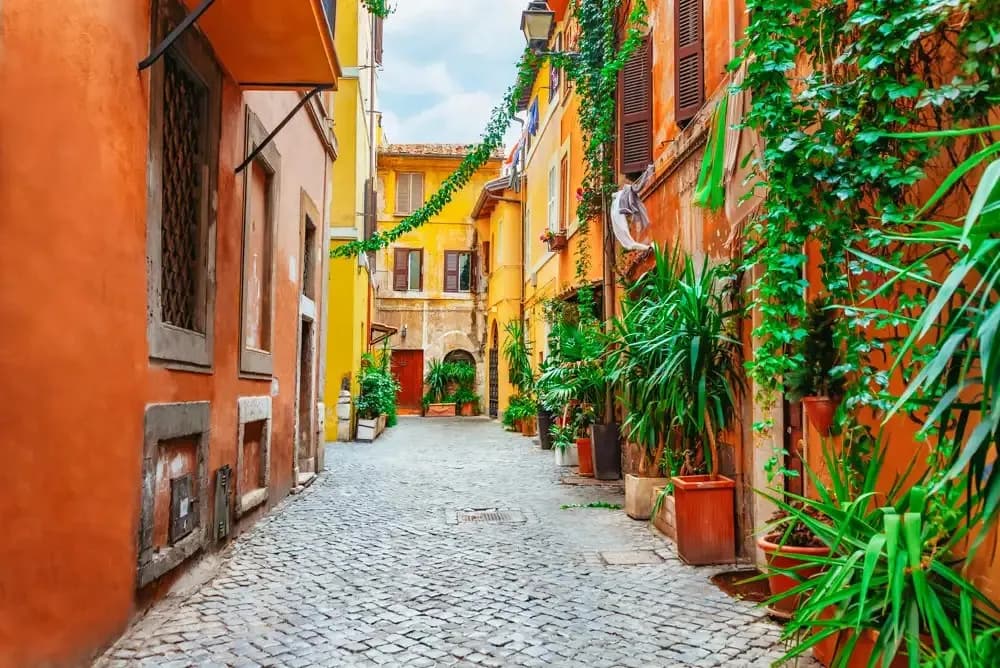
Trastevere in Rom ist das Viertel, das die meisten Besucher lieben und das die meisten Besucher falsch einschätzen. Sie kommen zur falschen Stunde an, essen auf dem falschen Platz, zahlen 26 € für eine Portion Carbonara fünf Meter von einer 13 €-Version entfernt und fahren ab, mit dem Gedanken, es sei „nur hübsch“. Es kann viel mehr sein, aber nur, wenn Sie wissen, welche Straßen Sie entlanggehen müssen, welche Türen wann offen sind und welche Orte die Einheimischen noch nutzen.
Dieser Leitfaden basiert auf dem, was unsere Reiseexperten jede Woche vor Ort sehen: echte Adressen, echte Preise für 2026, echte Öffnungsregeln und die Fehler, die wir jeden Abend auf der Piazza Trilussa bei den Leuten beobachten.
Planen Sie den Nachmittag vor Ihrem Abendessen in Trastevere? Das Pantheon liegt nur 15 Gehminuten entfernt über den Ponte Sisto und ist die am einfachsten mit einem Abendessen hier zu kombinierende kostenpflichtige Sehenswürdigkeit. Unser Rom: Pantheon-Eintrittskarte mit mehrsprachigem Audioguide beginnt ab 10 € mit sofortiger mobiler Bestätigung, sodass Sie es spät am Tag besichtigen und um acht Uhr an einem Tisch in Trastevere sitzen können.
Wo Trastevere wirklich ist (und der Bahnhofsfehler, der Sie 25 Minuten kostet)
Trastevere liegt am Westufer des Tibers, unterhalb des Gianicolo-Hügels, direkt gegenüber dem historischen Zentrum. Der Name bedeutet einfach „jenseits des Tibers“.
Eine Straße teilt das Viertel in zwei Hälften, und wenn Sie das wissen, ändert das Ihren gesamten Besuch:
- Nördlich der Viale di Trastevere — die Postkarten-Hälfte. Piazza di Santa Maria in Trastevere, das Gassenlabyrinth rund um die Via della Scala und Via del Moro, die meisten Bars, die meisten Menschenmassen.
- Südlich der Viale di Trastevere — die ruhigere Hälfte. Santa Cecilia, Via della Luce, Piazza San Cosimato, Porta Portese. Älter, ruhiger, günstiger und wo es viel vom besten Essen gibt.
Die Bahnhofsfalle: Der Bahnhof Roma Trastevere liegt nicht in Trastevere. Er befindet sich etwa 1,5 km südwestlich der Plätze, hinter Porta Portese. Wenn Ihre Hotelbuchung oder eine Karten-App Sie zum Abendessen dorthin schickt, haben Sie einen 20-25-minütigen Fußweg vor sich. Zielen Sie auf die Plätze, nicht auf den Bahnhof.
Anfahrt nach Trastevere: Straßenbahn 8, Bus H und der Spaziergang über die Ponte Sisto
Es gibt keine U-Bahn-Station in Trastevere. Das ist die mit Abstand nützlichste Information in diesem Abschnitt.
Schnelle Fakten für 2026:
- Straßenbahn 8 — Piazza Venezia nach Viale di Trastevere. Die schnellste Verbindung vom historischen Zentrum. Steigen Sie an der Haltestelle Belli (Nordende) oder Trastevere/Mastai (Mitte des Viertels) aus.
- Bus H — Termini nach Viale di Trastevere. Die direkte Option, wenn Sie in der Nähe des Hauptbahnhofs übernachten.
- Zu Fuß vom Campo de' Fiori — etwa 8-10 Minuten über die Ponte Sisto, eine reine Fußgängerbrücke. Dies ist die schönste Ankunft, besonders nach Einbruch der Dunkelheit.
- Zu Fuß vom Vatikan aus – etwa 25 Minuten südlich entlang des Flusses, oder eine kurze Fahrt mit dem Bus 23 oder 280.
- Standardticket (BIT) — 1,50 €, gültig 100 Minuten, unbegrenzte Busse und Straßenbahnen plus eine Metro-Einfahrt.
- 24-Stunden-Ticket — 8,50 €.
- Tippen & Los — tippen Sie mit einer kontaktlosen Karte oder einem Handy auf das Lesegerät; die Tagesgebühr ist auf 8,50 € begrenzt.
Ein Hinweis zu den Fahrpreisen: Der römische Verkehrsbetrieb hat eine mögliche Erhöhung des Einzeltickets auf 2,00 € angekündigt, vorbehaltlich der regionalen Genehmigung. Werfen Sie vor dem Kauf einen Blick auf den Preis an der Maschine, anstatt sich auf einen älteren Reiseführer zu verlassen.
Spät nach Hause kommen: Die letzten Straßenbahnen und Busse werden gegen 23:30 Uhr spärlicher. Danach decken Nachtbusse (N-Linien) die Hauptrouten ab, und lizenzierte weiße Taxis oder die FREENOW-App sind die praktische Wahl. Nehmen Sie keine Fahrt von jemandem an, der Sie auf der Straße anspricht.

Sehenswürdigkeiten in Trastevere: Die Zeit wert
Trastevere hat keine Eingangstore. Es ist kostenlos zu Fuß zu erkunden. Aber vier spezielle Haltestellen lohnen den Umweg, und drei davon haben Öffnungsregeln, die die Leute überraschen.
Santa Maria in Trastevere Basilika
Der Anker des Hauptplatzes und eine der ältesten Kirchen Roms. Die Mosaike der Apsis aus dem 12. Jahrhundert leuchten golden, wenn die Lichter eingeschaltet sind, und der Brunnen draußen ist einer der ältesten der Stadt.
- Kostenlos
- Benötigte Zeit: 20 Minuten
- Achtung: Die Kirche schließt während der Messe für Besucher, und Schultern und Knie müssen bedeckt sein
Basilika Santa Cecilia in Trastevere
Die ruhigere, bessere Kirche. Unter dem Boden liegen die ausgegrabenen Überreste römischer Häuser. Darüber, hinter einer separaten Tür, befindet sich Pietro Cavallinis Jüngstes Gericht aus dem späten 13. Jahrhundert – das schönste mittelalterliche Gemälde Roms, das fast niemand sieht.
- Cavallini-Fresken: ca. 2,50 €, nur in einem engen Zeitfenster am späten Vormittag sichtbar (üblicherweise zwischen 10:30 und 12:30 Uhr an Wochentagen, sonntags und an Feiertagen kürzer)
- Krypta und Ausgrabungen: ca. 2,50 €
- Mitbringen: Kleingeld; die Nonnen nehmen Bargeld und schließen pünktlich.
Villa Farnesina
Eine Renaissance-Villa in der Via della Lungara mit Fresken von Raffael und seiner Werkstatt, darunter der Triumph der Galatea. Sie ist 10 Minuten von den Menschenmassen entfernt und normalerweise fast leer.
- Volles Ticket: 12 € (Preise gültig ab 16. Februar 2026)
- Ermäßigt: 10 € für über 65-Jährige; 7 € für Studenten und 10-18-Jährige; kostenlos für Kinder unter 10 Jahren
- Öffnungszeiten: Wochentags, ca. 9:00-14:00 Uhr, letzter Einlass gegen 13:15 Uhr
- Achtung: Es ist nachmittags und sonntags geschlossen, daher muss es ein Vormittagsplan sein
Die Gianicolo-Terrasse (Gianicolo)
Ein 15-minütiger Aufstieg über dem Viertel für die beste kostenlose Aussicht in Rom. Seit 1904 wird von hier mittags eine Kanone abgefeuert — das geschieht jeden Tag um Punkt 12 Uhr. Gehen Sie zum Sonnenuntergang für die Aussicht oder um 11:55 Uhr für den Knall.
Zwei weitere, wenn es Ihnen passt:
- Flohmarkt Porta Portese — Nur Sonntagmorgen, ca. 7:00 bis 14:00 Uhr, am südlichen Rand. Riesig, chaotisch und eine echte Taschendieb-Zone. Tasche geschlossen, vor dir.
- Markt auf der Piazza San Cosimato – ein kleiner Lebensmittelmarkt am Morgen, Montag bis Samstag. Perfekt für Obst vor einem Spaziergang auf dem Janiculum.
Wo man in Trastevere essen kann: Bekannte Orte, kein Rätselraten
Überspringen Sie die Restaurants mit Fotomenüs, laminierten Tafeln und einem Mann draußen, der Sie hineinbittet. Diese drei Anzeichen sind zusammen das zuverlässige Zeichen für eine Touristenfalle in dieser Gegend. Hier ist, wohin unsere Reiseexperten stattdessen Gäste schicken.
Römische Klassiker zum Sitzen
Trattoria Da Enzo al 29 — Via dei Vascellari 29 Winzig, altmodisch und die Referenz für Cacio e Pepe und Carciofi alla Romana. Sie nehmen keine Abendreservierungen für kleine Tische entgegen. Die Schlange bildet sich, bevor die Türen am frühen Abend geöffnet werden, also kommen Sie 45-60 Minuten früher oder kommen Sie eine andere Nacht wieder.
Roma Sparita — Piazza di Santa Cecilia 24 Der Cacio e Pepe, serviert in einer knusprigen Pecorino-Schale. Reservierungen sind unerlässlich und die Terrasse am ruhigen Platz ist der Grund, frühzeitig zu buchen.
Tonnarello — Via della Paglia 1/2/3 Den ganzen Tag geöffnet, etwa von 11:30 bis 23:00 Uhr, sieben Tage die Woche. Zuverlässige römische Pasta zu vernünftigen Preisen und eine der wenigen guten Optionen, wenn Sie um 15:00 Uhr essen, wenn die meisten Küchen geschlossen sind. Rechnen Sie zu Stoßzeiten mit 10-20 Minuten Wartezeit.
Günstig, schnell und ausgezeichnet
Forno La Renella — Via del Moro 15 Holzofen-Pizza al taglio und Focaccia-Sandwiches, Preise nach Gewicht. Ein gefülltes Panino kostet etwa 6 €. Geöffnet ab 7:00 Uhr morgens.
Antica Caciara Trasteverina — Via di San Francesco a Ripa 140 Ein jahrhundertealtes Käsegeschäft. Römischer Pecorino, Guanciale, Ricotta aus den Hügeln des Latiums. Sie vakuumieren es für Reisende, was wichtig ist, wenn Sie mit Käse nach Hause fliegen.
Biscottificio Artigiano Innocenti — Via della Luce 21 Kein Schild, keine Website, keine Schlange. Nur Tabletts mit handgemachten Keksen, die nach Gewicht verkauft werden. Fragen Sie nach einer gemischten Schachtel; eine kleine kostet unter 5 €.
Otaleg — Via di San Cosimato 14a Eis in kleinen Chargen, bis Mitternacht geöffnet. Der richtige letzte Stopp, bevor Sie über den Fluss zurückgehen.
Bevor Sie sich irgendwo hinsetzen
- Prüfen Sie, ob eine Servicegebühr oder eine Tischgebühr auf der Speisekarte aufgedruckt ist. In Trastevere kostet dies in der Regel zwischen 2 € und 3 € pro Person.
- Ein Pastateller in einer Trastevere-Trattoria kostet 2026 etwa 12 bis 16 €. Deutlich über 20 € auf einem Hauptplatz, ohne einen Namen, den Sie kennen, ist die Touristenabzocke.
- Römische Küchen schließen zwischen Mittag- und Abendessen. Die meisten öffnen gegen 19:00-19:30 Uhr wieder. Wenn Sie um 18:00 Uhr hungrig auftauchen, sind Sie auf Bars und Bäckereien beschränkt.
Nachtleben in Trastevere: Die besten Bars und die Regeln, die Ihnen niemand verrät
Trastevere bei Nacht ist laut, überfüllt und bis spät geöffnet. Es ist Roms sozialstes Viertel, und die Menge ist eine echte Mischung aus Studenten, Einheimischen und Besuchern.
Bar San Calisto — Piazza di San Calisto 3 Die Institution des Viertels. Günstiger Kaffee am Morgen, günstiges Bier und Spritz bis ca. 01:30 Uhr. Ohne Schnickschnack, keine Cocktailkarte, alle draußen auf dem Bürgersteig.
Freni e Frizioni — Via del Politeama 4 Eine ehemalige Autowerkstatt, die in eine Cocktailbar umgewandelt wurde. Geöffnet ca. von 18:30 bis 02:00 Uhr, mit einem frühen Abend-Aperitif-Buffet, das zu einem Getränk inklusive ist. Die Terrasse über der Piazza Trilussa füllt sich nach 20:00 Uhr schnell.
Ma Che Siete Venuti a Fà — Via Benedetta 25 Ein sehr kleiner Craft-Bier-Pub mit einer ernsthaften Zapfhahnliste, geöffnet etwa von 11:00 bis 02:00 Uhr. Stehplätze und auf der Straße draußen. Bir & Fud nebenan macht Pizza mit demselben Bier.
Piazza Trilussa — gar keine Bar, sondern die breiten Stufen, auf denen sich die halbe junge Römer Bevölkerung an einem warmen Abend mit einem Drink niederlässt. Kostenlos und die beste Möglichkeit, Leute zu beobachten.
Die Alkoholregeln, die Besucher überraschen
Rom erlässt regelmäßig eine Verordnung, die das Trinken auf der Straße in Ausgehvierteln einschränkt, und Trastevere steht immer auf der Liste. Das Muster ist konstant und die Strafen sind real:
- Ab ca. 22:00 Uhr — kein Alkoholkonsum aus Glasbehältern auf der Straße
- Ab ca. Mitternacht – kein Alkoholkonsum im Freien auf öffentlichen Straßen in Behältern jeglicher Art
- Geschäfte und Spirituosengeschäfte verkaufen am späten Abend keinen Alkohol zum Mitnehmen mehr
- Die Bars servieren gegen 02:00 Uhr nicht mehr
- Die Geldstrafen belaufen sich für einen Trinker auf rund 150 € und für ein Unternehmen auf 280 €
Die genauen Uhrzeiten und Daten ändern sich mit jeder Verordnung und werden in den warmen Monaten am strengsten durchgesetzt. Das Trinken an einem Tisch, drinnen oder auf einer lizenzierten Terrasse, ist nicht betroffen. Überspringen Sie auch das Picknick auf Kirchenstufen oder Monumentalsockeln – das wird separat mit einer Geldstrafe belegt.
Ist Trastevere nachts in Rom sicher? Die ehrliche Antwort
Ja, auf die gleiche Weise, wie jedes belebte europäische Ausgehviertel sicher ist. Trastevere ist kein gefährliches Viertel und bleibt bis spät in die Nacht belebt, was an sich schon schützend wirkt. Gewaltverbrechen gegen Besucher sind selten.
Was üblich ist, ist Diebstahl:
- Taschendiebe arbeiten in den Menschenmassen auf der Piazza Trilussa, der Piazza di Santa Maria und am Ponte Sisto nach 22:00 Uhr. Telefone in den vorderen Taschen, Taschen geschlossen und über den Körper getragen.
- Die Straßenbahnlinie 8 und der Bus H sind beliebte Linien für Taschendiebe, besonders wenn sie nachts überfüllt sind.
- Porta Portese ist am Sonntagmorgen der Ort mit dem höchsten Risiko für Taschendiebstahl in der Nachbarschaft.
- Eine Tasche auf der Rückseite eines Stuhls auf einer Außenterrasse ist der häufigste Verlust von allen. Behalten Sie sie auf Ihrem Schoß oder zwischen Ihren Füßen, mit dem Riemen um einen Knöchel.
Für Alleinreisende sind die Hauptplätze und die beleuchteten Gassen dazwischen auch nach Mitternacht sicher. Die ruhigeren südlichen Gassen leeren sich früher; im Zweifelsfall halten Sie sich an die Hauptrouten. Wenn Sie ein Taxi benötigen, nutzen Sie die App FREENOW oder itTaxi oder eine gekennzeichnete weiße Taxihaltestelle, anstatt ein Angebot auf der Straße anzunehmen.
Popular tours & tickets
Ein Einfacher Abend in Trastevere, 17:00 bis Mitternacht
- 17:00 — Sehen Sie das Pantheon auf der anderen Seite des Flusses mit unserem Audioguide-Ticket und gehen Sie dann 15 Minuten über die Ponte Sisto nach Trastevere.
- 18:15 — Aperitivo bei Freni e Frizioni oder ein Spritz im Stehen vor der Bar San Calisto.
- 19:30 — Abendessen. Buchen Sie Roma Sparita im Voraus, stellen Sie sich bei Da Enzo an oder gehen Sie zu Tonnarello, wenn Sie nichts geplant haben.
- 21:30 — Kaffee oder ein Digestif, dann Gelato bei Otaleg.
- 22:30 — Ein Bier im Ma Che Siete Venuti a Fà, oder setz dich mit der Menge auf die Stufen der Piazza Trilussa.
- 23:45 — Gehen Sie über die Ponte Sisto zurück, während der Fluss beleuchtet ist, oder nehmen Sie ein Taxi vom Piazza Sonnino.
Für einen längeren Aufenthalt steigen Sie um 18:00 Uhr zuerst auf den Gianicolo für den Sonnenuntergangblick, und kommen Sie dann ins Viertel zum Abendessen.
Was ein Tag in Trastevere im Jahr 2026 wirklich kostet
Trastevere selbst hat keinen Eintrittspreis, und dieser Reiseführer wird Ihnen niemals etwas anderes erzählen. Was Geld kostet, ist alles, womit Sie es kombinieren. Hier ist die ehrliche Aufschlüsselung dessen, was Sie bezahlen und was jede Option tatsächlich für Sie leistet.
Option 1 — Trastevere auf eigene Faust Kosten: 0 € zum Spazierengehen, plus was Sie essen und trinken. Sie erhalten: die Kirchen, die Piazzas, den Blick vom Gianicolo, das ganze Viertel. Sie erhalten nicht: keinen Führer, keinen Kontext für die Cavallini-Fresken oder die Mosaiken und keine Hilfe, wenn sich die Villa Farnesina am Nachmittag, an dem Sie sie geplant haben, als geschlossen erweist.
Option 2 – Pantheon-Eintrittskarte mit mehrsprachigem Audioguide (unser Angebot) Kosten: ab 10 € Sie erhalten: Eintritt zum Pantheon, einen mehrsprachigen digitalen Audioguide, mobiles Ticket, sofortige Bestätigung. Warum dieses Angebot und nicht der Schalter: Die Eintrittskarte für das Pantheon kostet ähnlich viel, aber ohne Audioguide und ohne Unterstützung, falls sich Ihre Pläne ändern. Unser Angebot bündelt den Kommentar und landet sofort auf Ihrem Handy. 15 Gehminuten von der Piazza Trilussa entfernt ist es die natürliche Ergänzung für einen Abend in Trastevere. → Pantheon-Ticket mit Audioguide buchen
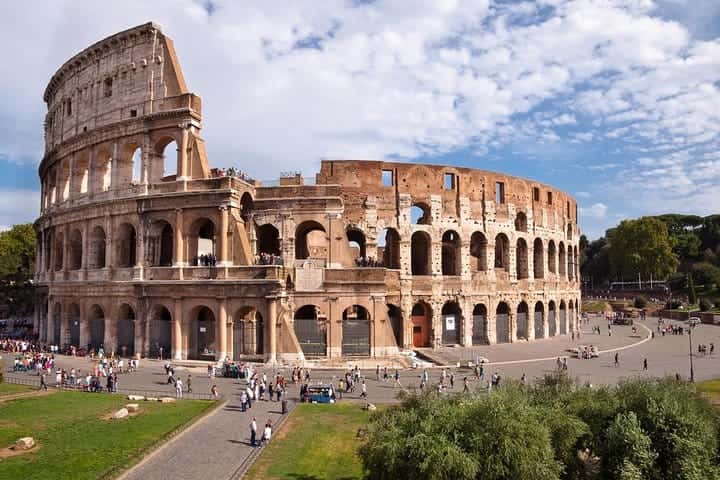
Option 3 — Kolosseum-Führung mit Forum Romanum & Palatin (unser Angebot) Kosten: 72,17 €, reduziert von 80,19 € Sie erhalten: 3 Stunden mit einem erfahrenen professionellen Guide, bevorzugten Einlass zum Kolosseum sowie Forum Romanum und Palatin inklusive. Der Preisunterschied erklärt: Das einfache Standardticket für das Kolosseum über dessen eigene Website ist wesentlich günstiger, aber es ist ein zeitgebundener, namentlich zugewiesener Einlass, der regelmäßig Wochen im Voraus ausverkauft ist, keine Führung beinhaltet und Sie dazu zwingt, Schilder an drei antiken Stätten ohne Erklärung zu lesen. Der Preisunterschied ergibt sich aus dem reservierten Zeitfenster plus drei Stunden mit einem lizenzierten Guide für alle drei Monumente. → Buchen Sie die Kolosseum-Führung
Und die kleinen Dinge in Trastevere selbst:
- Villa Farnesina: 12 €
- Fresken und Krypta der Heiligen Cäcilia: ca. 2,50 € pro Stück
- Alles andere: kostenlos
Was Sie sonst noch für einen Abend in Trastevere buchen können
Trastevere eignet sich am besten als Tagesabschluss, nicht für den ganzen Tag. Dies sind die Erlebnisse, die unsere Gäste am häufigsten damit kombinieren:
- Vatikanische Museen, Sixtinische Kapelle & Petersdom – Ohne Anstehen — 3 Stunden, 100 € (statt 125 €). Der Vatikan ist 25 Gehminuten flussaufwärts nördlich von Trastevere entfernt, daher eignet sich eine morgendliche Tour und ein Nachmittagsbesuch auf der anderen Brückenseite gut.
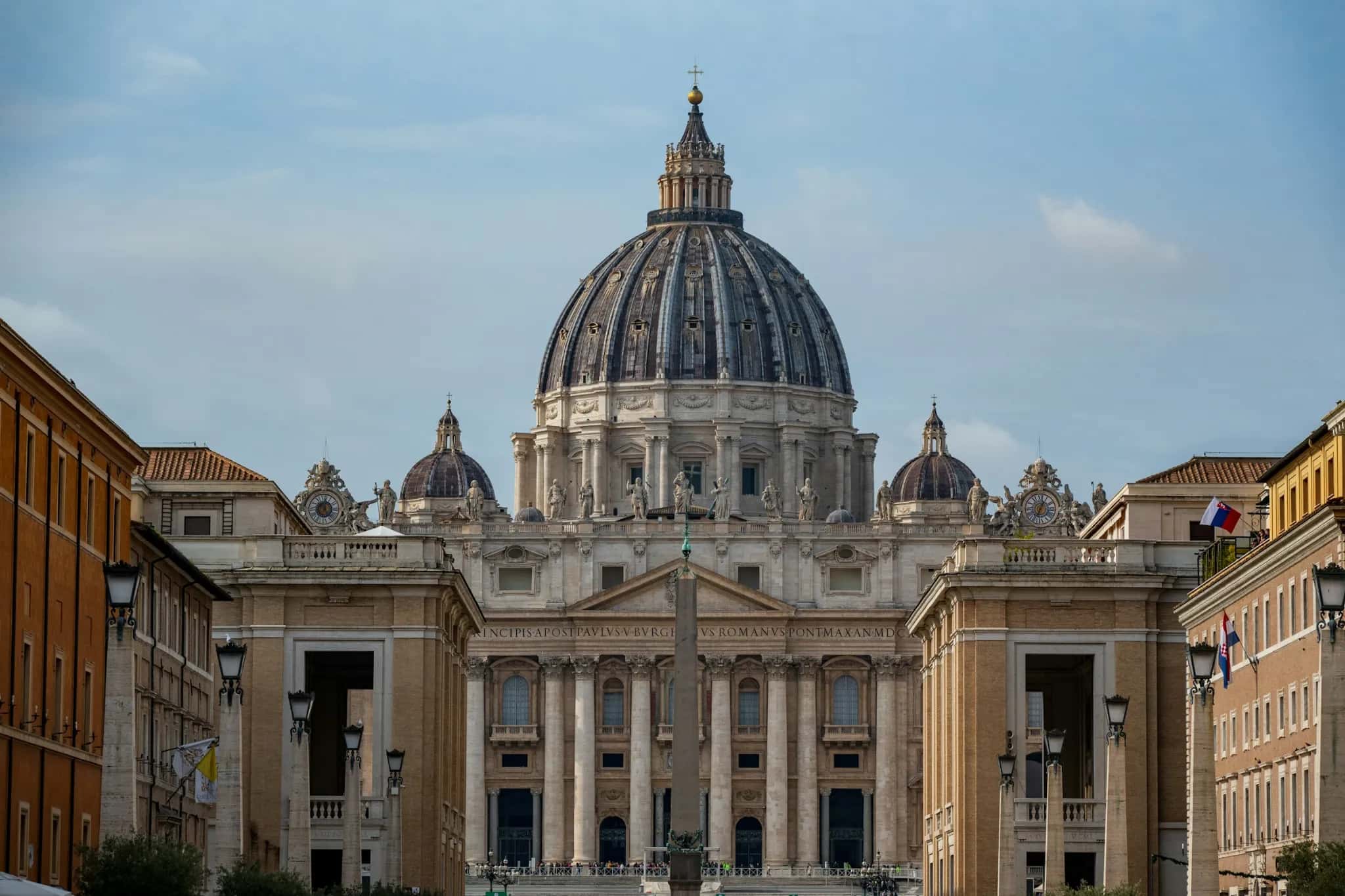
- Dôme de la Basilique Saint-Pierre & Guide Audio Numérique — 2 heures, à partir de 22 €. L'autre superbe vue de Rome, du même côté du Tibre que le Trastevere.
- Borghese Galerie: Skip the Line Tickets — ab 35,63 € (reduziert von 39,59 €). Der Eintritt erfolgt zu festen Zeitfenstern und ist schnell ausverkauft; buchen Sie vor Ihrem Flug.
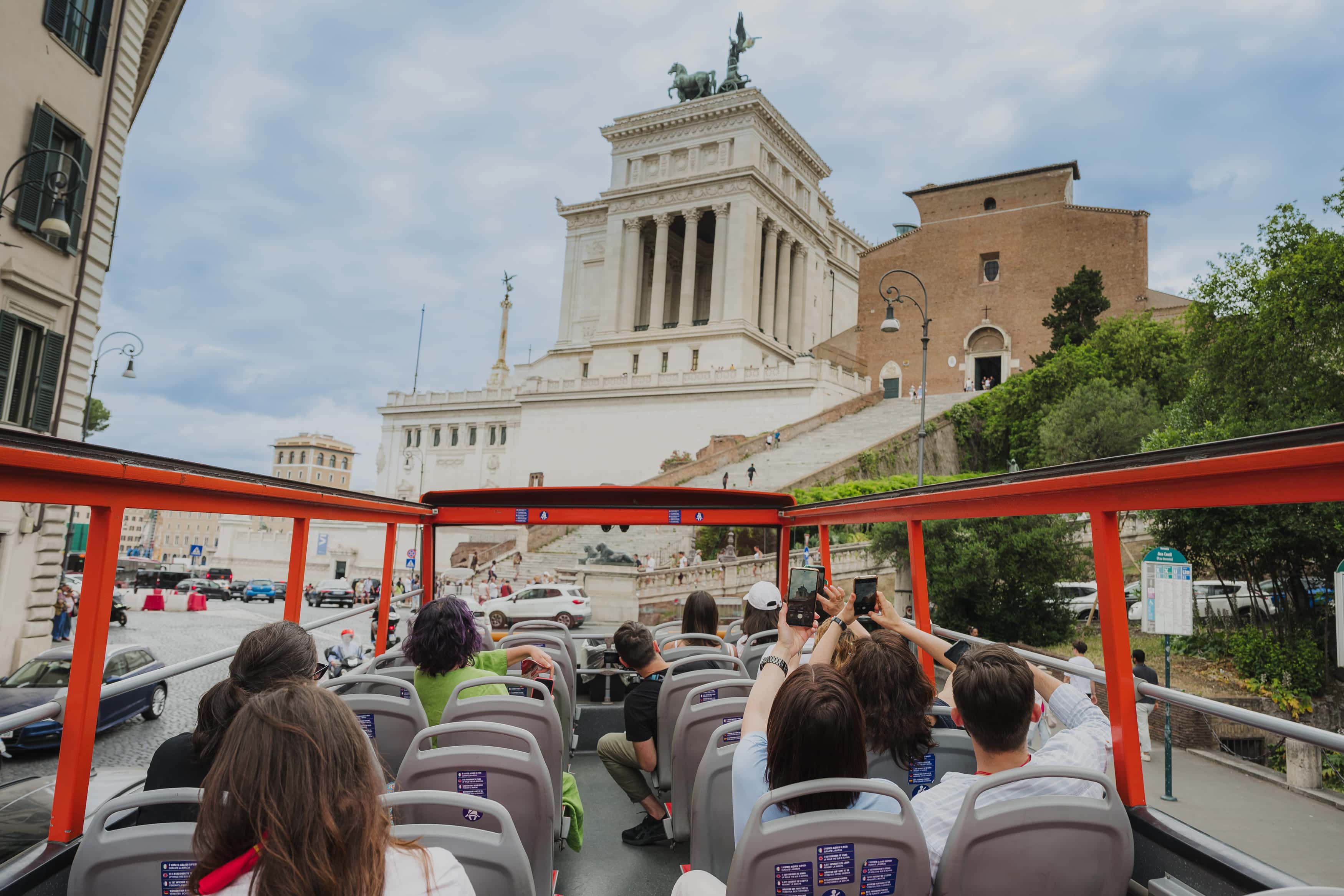
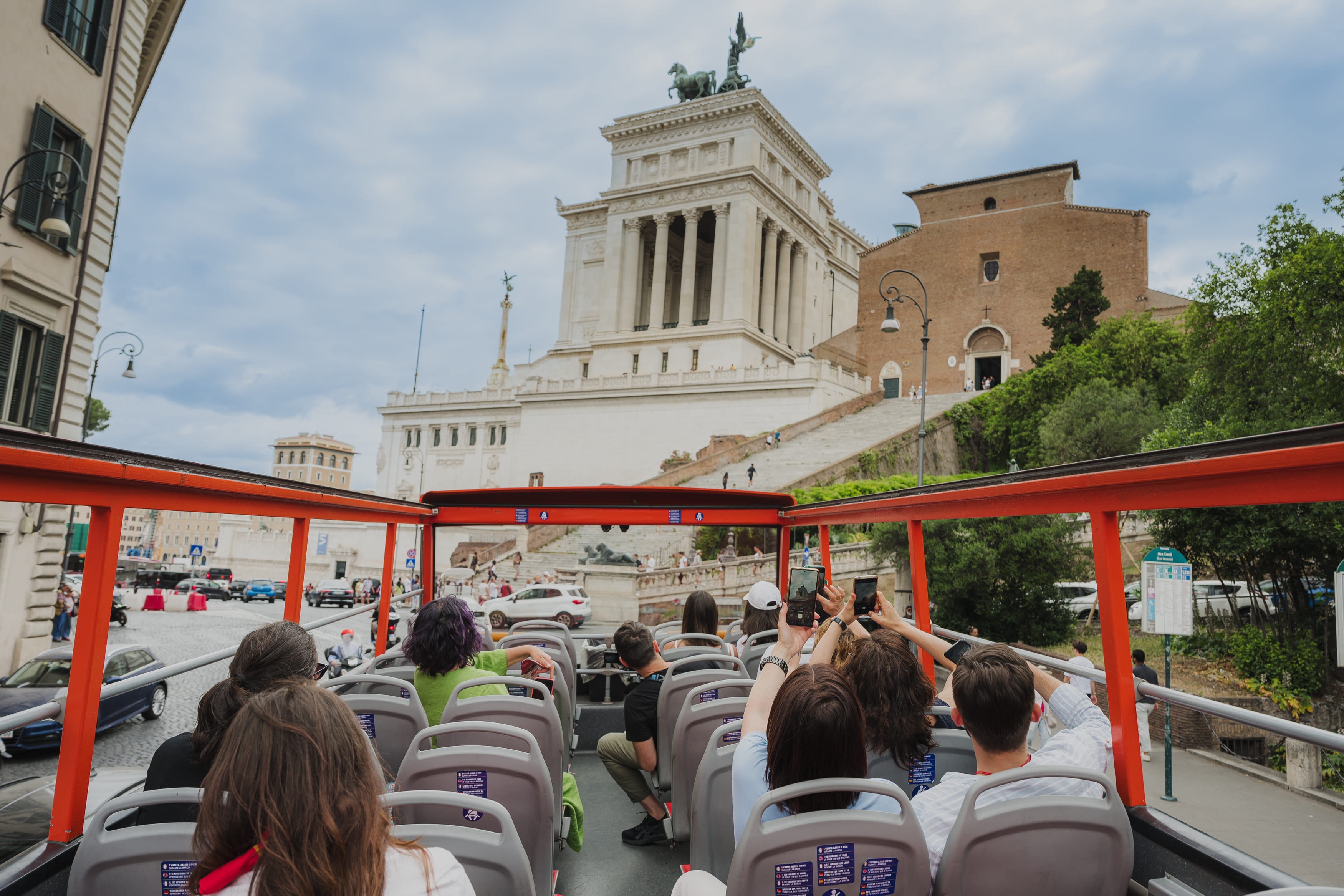
- Tagesticket – Hop-On Hop-Off — ab 23,02 € (reduziert von 28,42 €). Nützlich, um die großen Sehenswürdigkeiten auf der anderen Seite des Flusses an einem Tag zu erkunden und dann zu Fuß in Trastevere zu beenden.
Weitere Optionen auf unserer Seite Rom-Touren und Tickets.
Häufige Fehler von Besuchern in Trastevere
- Abfahrt um 15:00 Uhr. Die Küchen sind geschlossen, die Kirchen machen ihre Nachmittagspause und die Nachbarschaft wirkt wie ein leeres Filmset. Fahren Sie um 10:00 Uhr für Kirchen oder nach 18:00 Uhr für alles andere.
- Standardmäßig auf dem Hauptplatz essen. Gehen Sie zwei Straßen von der Piazza di Santa Maria entfernt und das gleiche Essen kostet mehrere Euro weniger bei besserer Küche.
- Planung der Villa Farnesina für den Nachmittag. Sie schließt gegen 14:00 Uhr und ist sonntags geschlossen.
- Ankunft in Santa Cecilia um 13:00 Uhr für die Cavallini-Fresken. Dieses Zeitfenster schließt gegen 12:30 Uhr, und es handelt sich um ein aktives Kloster, kein Museum.
- Angenommen, es gibt eine U-Bahn. Gibt es nicht. Straßenbahn 8, Bus H oder deine Füße.
- Das Tragen von Shorts und einem Tanktop in den Basiliken. Schultern und Knie bedeckt, sonst werden Sie an der Tür abgewiesen.
- Trastevere als vollen Tag betrachten. Es ist höchstens ein halber Tag, plus ein Abend. Kombinieren Sie es mit einer gebuchten Sehenswürdigkeit, damit die Tageslichtstunden nicht verschwendet werden.
Trastevere Rom FAQ
Ist Trastevere einen Besuch wert? Ja, es ist der beste Ort in Rom für einen Abend und beherbergt zwei Kirchen mit Kunst, die Sie sonst nirgendwo sehen werden. Erwarten Sie nur kein großes Denkmal; die Nachbarschaft selbst ist die Attraktion.
Wofür ist Trastevere bekannt? Romische Trattorien, kopfsteingepflasterte Gassen, Nachtbars und die Mosaike von Santa Maria in Trastevere. Es ist das wichtigste Ausgeh- und kulinarische Viertel der Stadt.
Wie viel Zeit brauchst du in Trastevere? Drei bis vier Stunden reichen für die Kirchen und Straßen. Füge einen Abend für Abendessen und Bars hinzu. Zwei Besuche – einer am Morgen, einer am Abend – sind ideal.
Ist Trastevere nachts sicher? Ja, im Allgemeinen. Es bleibt bis spät in die Nacht belebt und gut beleuchtet. Die wirkliche Gefahr sind nicht Gewalt, sondern Taschendiebstahl auf den belebten Plätzen und in der Straßenbahn 8.
Was ist der beste Abend, um dorthin zu gehen? Donnerstag bis Samstag für Atmosphäre und volle Bars. Sonntag und Montag sind ruhiger, und einige Küchen schließen montags, also prüfen Sie dies, bevor Sie einen Plan um ein bestimmtes Restaurant herum machen.
Wo gibt es die beste Pasta in Trastevere? Da Enzo al 29 für Cacio e Pepe und Carbonara, wenn Sie anstehen; Roma Sparita für Cacio e Pepe in einem Pecorino-Schälchen, wenn Sie im Voraus buchen; Tonnarello, wenn Sie ohne Plan hineingehen möchten.
Kann man vom Kolosseum nach Trastevere laufen? Ja, etwa 30-35 Minuten am Fluss entlang, oder nehmen Sie die Straßenbahn 8 von der Piazza Venezia. Viele Besucher machen morgens eine Kolosseum-Tour und abends erkunden sie Trastevere.
Benötigen Sie eine Tour, um Trastevere zu sehen? Nein. Das Viertel kann frei erkundet werden. Es lohnt sich, geführte Touren für die kostenpflichtigen Monumente auf der anderen Seite des Flusses zu buchen, wo ein lizenzierter Reiseleiter und ein reservierter Einlassslot Ihnen wertvolle Zeit sparen.
Planen Sie den Tag, und lassen Sie den Abend auf sich selbst aufpassen
Trastevere belohnt diejenigen, die die Tagesstunden planen und den Abend locker angehen lassen. Sichern Sie sich zuerst Ihre Zeitfenster-Tickets – diese sind oft ausverkauft und kosten Sie einen Vormittag, wenn Sie sie falsch buchen – und lassen Sie Abendessen und den Heimweg ohne festen Zeitplan.
Beginnen Sie mit der Sehenswürdigkeit am nächsten zum Viertel: unserem Pantheon-Eintrittsticket Rom mit mehrsprachigem Audioguide ab 10 €, 15 Gehminuten über den Ponte Sisto von Ihrem Tisch entfernt. Wenn Sie auch die antike Stadt richtig erkunden möchten, deckt unsere Kolosseum-Führung mit Forum Romanum & Palatin für 72,17 € alle drei Stätten mit einem lizenzierten Führer und vorrangigem Einlass ab, sodass Ihr Abend für Trastevere frei bleibt.
Verfasst von
Get Your Roman Tours Team
Wir sind ein lizenzierter Reiseveranstalter mit Sitz in Rom (Get Your Roman Tours S.R.L.S.). Unsere Guides führen jede Woche Touren an diesen Orten — alles hier stammt aus eigener Erfahrung. Über uns · Fragen Sie uns