Die Sixtinische Kapelle: Was Sie an Michelangelos Decke Wirklich Sehen
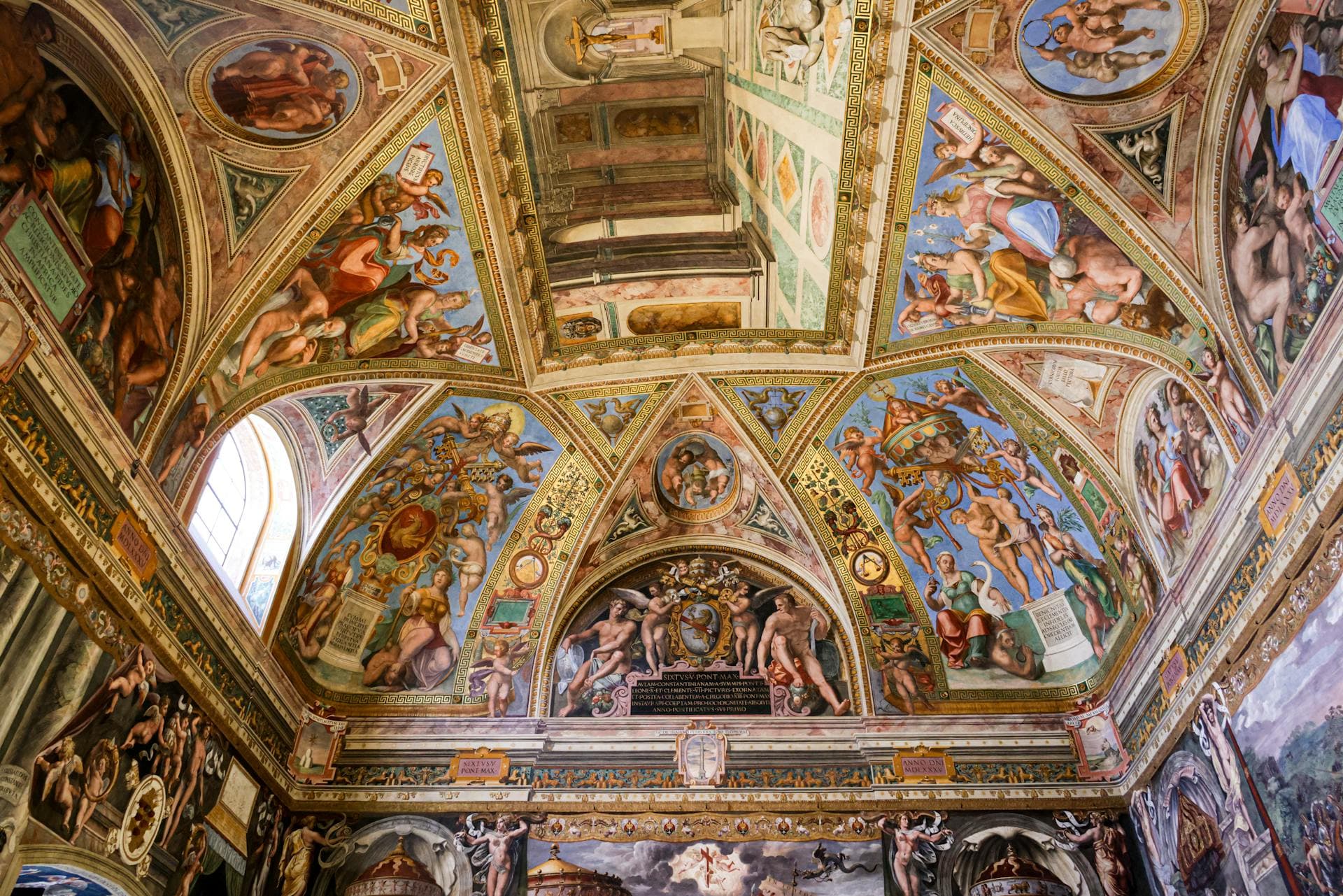
Die meisten Leute betreten die Sixtinische Kapelle, blicken zur Decke, entdecken die zwei berühmten Finger und stehen dann zwanzig Minuten da, ohne wirklich zu wissen, was sie sonst noch sehen. Das ist kein persönliches Versagen. Die Decke der Sixtinischen Kapelle enthält mehr als 300 gemalte Figuren auf neun Hauptgeschichten, zwölf sitzende Riesen und Dutzende von Seitenpaneelen – und es gibt kein einziges Etikett, Schild oder eine Karte im Raum, die Ihnen sagt, welche Figur was darstellt.
Es gibt einen weiteren Haken, der fast jeden überrascht. Telefone und Kameras sind in der Kapelle verboten. Sie können die Decke nicht fotografieren und später in Ihrem Hotel nachschlagen. Was auch immer Sie verstehen, während Sie dort stehen, ist das, was Sie mit nach Hause nehmen.
Dieser Leitfaden behebt dieses Problem. Er führt Sie durch die Decke, wie es ein lizenzierter Vatikanführer tun würde: zuerst die Anordnung, dann die neun Genesis-Tafeln in der Reihenfolge, dann Die Erschaffung Adams, die Propheten und Sibyllen und das riesige Jüngste Gericht an der Altarwand, das die meisten Besucher mit der Decke verwechseln. Er behandelt auch die praktischen Aspekte für 2026 – echte Ticketpreise, Einlassregeln, Ausweiskontrollen und die Tageszeiten, zu denen die Kapelle erträglich ist.
Möchten Sie, dass Ihnen die Decke laut erklärt wird, während Sie darunter stehen? Unsere Tour durch die Vatikanischen Museen, die Sixtinische Kapelle und den Petersdom – Skip the Line begleitet Sie drei Stunden lang mit einem lizenzierten lokalen Reiseführer, für 100 € pro Person (statt 125 €), mit Headsets, damit Sie jedes Wort hören können, bevor Sie die Kapellentüren erreichen.
Decke der Sixtinischen Kapelle: Die Fakten im Überblick
- Gemalt von: Michelangelo Buonarroti, die meiste Zeit allein
- Deckenarbeiten: 1508 bis 1512, etwa vier Jahre
- In Auftrag gegeben von: Papst Julius II
- Bemalte Fläche: ca. 800 Quadratmeter
- Zahlen: über 300
- Höhe über dem Boden: ca. 20 Meter, bringen Sie also Geduld für Ihren Nacken mit
- Das Jüngste Gericht (Altarwand): ein separates Werk, gemalt von 1536 bis 1541 unter Papst Paul III.
- Der Raum selbst: erbaut 1473 bis 1481 für Papst Sixtus IV., dessen Name der Kapelle ihren Namen gibt
- Offizieller Eintritt Vatikanische Museen 2026: 20 € vor Ort, 25 € online gebucht mit 5 € Reservierungsgebühr
- Zeit innerhalb der Kapelle: 20 bis 30 Minuten, bevor das Personal den Raum weiterbewegt.
Die Decke ist nicht ein Gemälde. Es sind drei Schichten übereinander gestapelt.
Das ist das Nützlichste, was Sie wissen sollten, bevor Sie nachschauen. Michelangelo malte keine einzige riesige Szene. Er malte eine Struktur mit drei Ebenen, und sobald Sie die Ebenen sehen, wird die gesamte Decke klar.
Ebene 1 — Der Mittelstreifen: neun Szenen aus der Genesis. Entlang der Mitte des Gewölbes, vom Altarende zum Eingangsende, befinden sich neun rechteckige Tafeln, die die Geschichte von der Erschaffung des Universums bis Noah erzählen. Fünf sind klein, vier sind groß. Sie wechseln sich ab.
Ebene 2 — Die Seiten: zwölf sitzende Riesen. Entlang beider Längsseiten sitzen sieben hebräische Propheten und fünf heidnische Sibyllen, jeder auf einem gemalten Thron, jeder mit einem darunter in lateinischer Schrift geschriebenen Namen. Dies sind die größten Einzelfiguren an der Decke.
Ebene 3 – Die Ecken und Ränder: alle anderen. Zwanzig nackte junge Männer (die Ignudi) sitzen um die kleineren Genesis-Tafeln herum und halten Bronze-Medaillons. Vier Eckdreiecke zeigen gewalttätige Rettungsgeschichten aus dem Alten Testament. Die geschwungenen Tafeln über den Fenstern beherbergen die Vorfahren Christi – gewöhnlich aussehende Familien, die warten.
Vor Michelangelo war diese Decke ein einfacher blauer Himmel, übersät mit goldenen Sternen, gemalt von Piermatteo d'Amelia. Julius II. wollte stattdessen die zwölf Apostel. Michelangelo überredete ihn zu etwas viel Größerem, und er bekam es.

Die Neun Genesis-Tafeln, In der richtigen Reihenfolge
Stellen Sie sich mit dem Rücken zur Altarwand und blicken Sie auf den Streifen, der von Ihnen wegführt. Das ist die richtige Leserichtung – die Geschichte beginnt über dem Altar und bewegt sich zur Tür.
- Die Trennung von Licht und Finsternis — Gott allein, sich in der Dunkelheit windend. Noch keine Erde.
- Die Erschaffung von Sonne, Mond und Pflanzen — Gott erscheint zweimal in einem einzigen Panel, einmal Ihnen zugewandt und einmal von hinten, in einer Bewegungsexplosion.
- Die Trennung von Land und Wasser — Gott, flach über den Himmel gespannt, mit weit ausgebreiteten Armen.
- Die Erschaffung Adams — das berühmte. Details unten.
- Die Erschaffung Evas — Eva erhebt sich aus Adams Seite, während er schläft.
- Der Fall und die Vertreibung – eine Tafel, zwei Momente. Links: die Schlange am Baum. Rechts: dasselbe Paar, das von einem Engel mit einem Schwert vertrieben wird.
- Das Opfer Noahs — ein Altar, ein Feuer, eine Familie.
- Die Sintflut — die überfüllteste Tafel, voller kleiner verzweifelter Menschen, die Bündel einen Hügel hinaufschleppen.
- Die Trunkenheit Noahs – die Menschheit auf ihrem tiefsten Punkt, ausgestreckt und beschämt.
Hier ist das Detail, das fast niemand bemerkt. Michelangelo malte diese in umgekehrter Reihenfolge, beginnend mit Tafel neun in der Nähe der Tür und endend mit Tafel eins über dem Altar. Vergleichen Sie die Sintflut mit der Trennung von Licht und Finsternis und Sie werden es sehen: das frühe Werk ist überladen und pingelig mit Dutzenden von kleinen Figuren, das späte Werk ist auf einen einzigen riesigen Körper reduziert, der den Rahmen ausfüllt. Er wurde schneller, mutiger und viel besser, je weiter er kam. Sie beobachten einen Künstler, der sich in Echtzeit selbst unterrichtet.
Die Erschaffung Adams: Was wirklich geschieht
Das vierte Panel ist der Grund, warum die meisten Leute im Raum sind. Es ist auch das Panel, das am häufigsten falsch gelesen wird.
Die Hände berühren sich nicht, und das ist der springende Punkt. Gottes Finger ist vollständig ausgestreckt. Adams Hand ist schlaff, das Handgelenk gebeugt, der Arm ruht auf dem Knie. Adam hat den Körper eines erwachsenen Mannes, aber noch nicht den Willen, zurückzugreifen. Die Lücke ist der Moment vor dem Funken – kein Händedruck, kein Kontakt, sondern der Augenblick, bevor das Leben erwacht.
Schauen Sie, wen Gott trägt. Gott ist nicht allein. Er ist in einen roten Umhang voller Engel gehüllt, und unter seinem linken Arm ist eine junge Frau gekuschelt, die direkt auf Adam blickt. Die meisten Kunsthistoriker lesen sie als Eva, bereits in Gottes Gedanken, wartend auf ihre Existenz. Andere lesen sie als die Jungfrau Maria, mit dem Kind unter Gottes anderer Hand als Christus.
Die Gehirntheorie. Seit 1990, als der Arzt Frank Lynn Meshberger die Idee veröffentlichte, haben viele Leute darauf hingewiesen, dass der rote Umhang um Gott herum der Umriss eines menschlichen Gehirns im Querschnitt ist – der Hirnstamm, der Frontallappen, sogar die Hypophyse. Es ist eine Theorie, keine bestätigte Absicht, und es gibt kein Dokument, in dem Michelangelo dies sagt. Reiseführer lieben sie, weil es eine gute Geschichte ist. Betrachten Sie es als eine interessante Möglichkeit statt als Tatsache, und es wird weitaus interessanter.
Adams Brustkorb. Betrachten Sie die Anatomie. Michelangelo sezierte als Teenager menschliche Körper im Kloster Santo Spirito in Florenz. Das zeigt sich.
Die Propheten und Sibyllen: Die Zwölf, an denen Sie vorbeigegangen sind
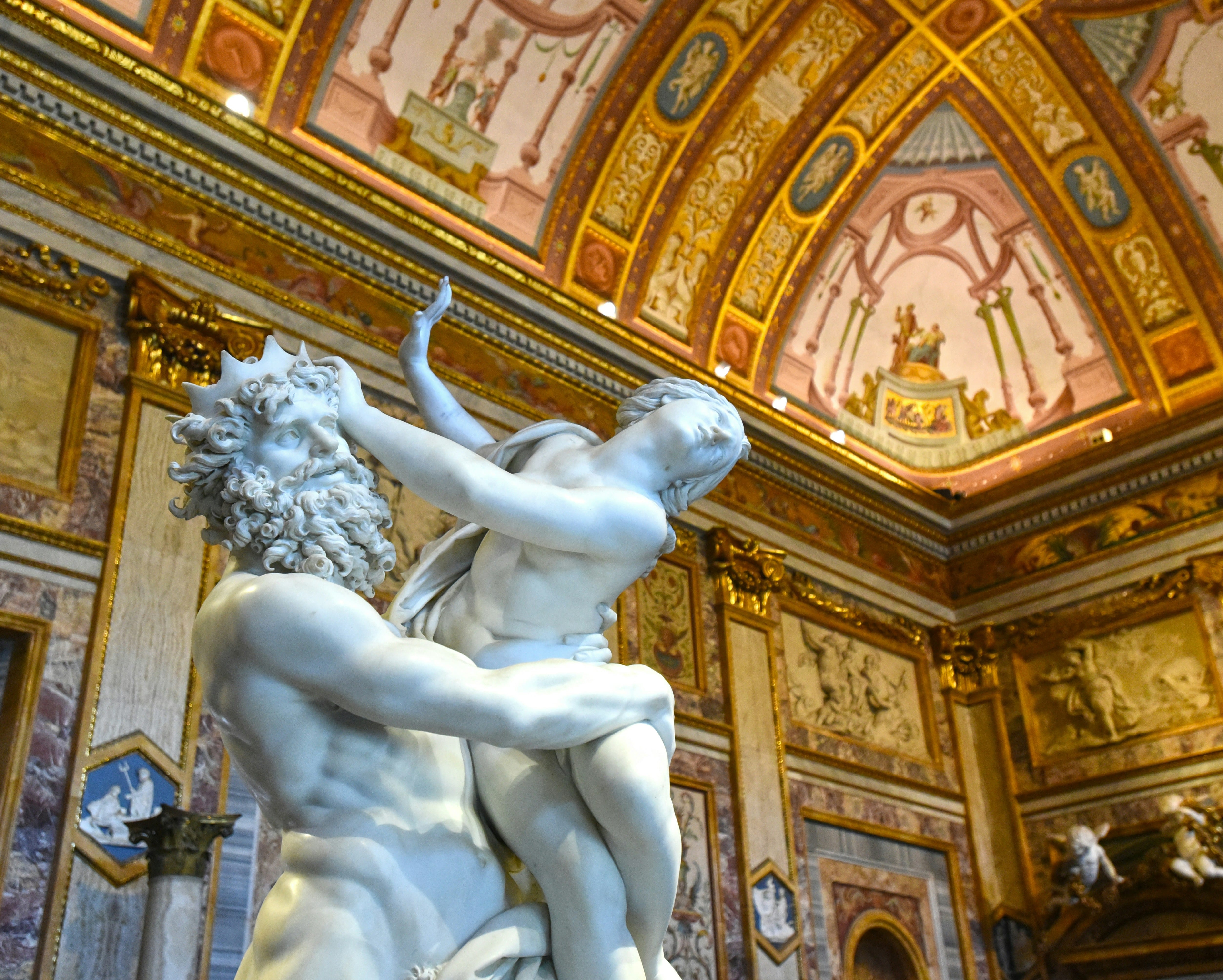
Entlang der beiden langen Seiten befinden sich zwölf Figuren, und hier hört die Decke auf, eine biblische Illustration zu sein, und wird etwas Seltsameres.
Die sieben Propheten sind Hebräer: Jona, Jeremia, Daniel, Ezechiel, Jesaja, Joel und Sacharja. Die fünf Sibyllen – die Libysche, die Persische, die Erythräische, die Delphische und die Kymische – sind heidnische Prophetinnen aus der griechischen und römischen Tradition, Frauen, von denen man glaubte, sie hätten Christus vorhergesagt, ohne je von ihm gehört zu haben. Sie auf die gleiche Stufe wie die hebräischen Propheten zu stellen, in der eigenen Kapelle des Papstes, war eine bewusste Aussage über die Reichweite der Prophezeiung.
Zwei lohnen sich zu suchen:
- Jona, direkt über dem Altar, ist das schwierigste Element an der Decke. Er lehnt sich so heftig zurück, dass das Gewölbe hinter ihm zu biegen scheint. Michelangelo malte ihn in der höchsten, unbequemsten Wölbung der Decke und ließ die Architektur selbst absichtlich falsch erscheinen.
- Die Libysche Sibylle verdreht ihren ganzen Oberkörper, um ein enormes Buch anzuheben, das sie auf Zehenspitzen balanciert. Michelangelos Rötelstudie für sie, nach einem männlichen Modell gezeichnet, ist eine der berühmtesten Zeichnungen der Welt.
Jeder Name ist in lateinischer Sprache auf dem Thron unter der Figur aufgemalt. Wenn Sie ein Wort lesen können, können Sie alle zwölf identifizieren.
Das Jüngste Gericht: Andere Wand, anderer Michelangelo
Viele Besucher verlassen die Kapelle und denken, dass das riesige, überfüllte Fresko Teil der Deckenarbeiten war. Das war nicht der Fall. Michelangelo kam mehr als zwanzig Jahre später zurück und malte 1536 bis 1541 die gesamte Altarwand.
Die Stimmung hatte sich komplett verändert. Rom war 1527 geplündert worden. Die Reformation hatte Europa gespalten. Die Decke handelt von der Schöpfung; die Altarwand von den Konsequenzen. Christus steht im Zentrum mit erhobenem Arm, die Geretteten steigen nach links auf, die Verdammten werden nach rechts hinabgezogen, hin zur Barke des Charon und dem Ruder des Fährmanns.
Drei Dinge zu finden:
- Die abgezogene Haut. Der Heilige Bartholomäus, der durch Häutung gemartert wurde, hält eine schlaffe menschliche Haut hoch. Das Gesicht auf dieser Haut wird weithin als Michelangelos eigenes Selbstporträt angesehen – eine verzerrte, erschöpfte Version seiner selbst.
- Der Mann mit Eselsöhren und einer Schlange. Unten in der rechten Ecke sitzt Minos, der Richter der Unterwelt. Michelangelo gab ihm das Gesicht von Biagio da Cesena, dem päpstlichen Zeremonienmeister, der sich beschwert hatte, das Fresko sei unanständig. Als Biagio den Papst bat, es entfernen zu lassen, soll Paul III. geantwortet haben, dass seine Autorität nicht bis zur Hölle reiche.
- Die aufgemalte Kleidung. Nach dem Konzil von Trient wurde dem Künstler Daniele da Volterra befohlen, die exponiertesten Figuren mit Draperien zu bedecken. Rom gab ihm den Spitznamen Il Braghettone – der Hosenmacher. Einige dieser Ergänzungen wurden bei modernen Restaurierungen entfernt; einige blieben als Teil der Geschichte der Wand erhalten.
2026 Update, das Sie wissen sollten: Die Vatikanischen Museen führten zwischen dem 1. Februar und dem 27. März 2026 eine außerordentliche Instandhaltungsmaßnahme am Jüngsten Gericht durch und gaben die Fertigstellung der Arbeiten am 27. März bekannt. Ältere Reiseartikel, die vor Gerüsten an der Altarwand warnen, sind veraltet. Das Fresko ist wieder vollständig sichtbar.
Wie ein Mann eine Decke in vier Jahren bemalte
Er lag nicht auf dem Rücken. Dies ist der am häufigsten wiederholte Mythos über die Arbeit. Michelangelo entwarf sein eigenes Gerüst – eine Konsolenplattform, die in Löcher in der Wand verankert war und den darunter liegenden Kapellenboden nutzbar ließ – und er malte vier Jahre lang im Stehen, mit nach hinten geneigtem Kopf und dem Arm über dem Kopf.
Er schrieb ein Sonett darüber, was es mit seinem Körper machte, beschrieb einen geschwollenen Hals, seine Wirbelsäule, die sich wie ein Bogen krümmte, seinen Bart, der zum Himmel zeigte, und Farbe, die stetig auf sein Gesicht tropfte. Er beklagte sich, dass er ein schlechter Maler geworden sei und nicht am richtigen Ort sei. Er irrte sich bezüglich der Malerei.
Er hätte das ganze Projekt fast schon früh verloren. Der erste Abschnitt schimmelte, weil die römische Putzmischung im feuchten Winter zu nass war. Er wollte aufgeben. Der Architekt Giuliano da Sangallo entwickelte eine trockenere Putzformel, und die Arbeit ging weiter.
Er war von Ausbildung her Bildhauer und hatte zuvor kaum in Fresko gearbeitet. Fresko ist unerbittlich: Pigment wird auf nassen Putz aufgetragen, und sobald er trocknet, sind Korrekturen fast unmöglich. Er lernte es an der Decke des Papstes, öffentlich und unter Zeitdruck.
Popular tours & tickets
Warum die Farben alten Fotografien überhaupt nicht ähneln
Wenn Sie mit dunklen, rauchigen, bräunlichen Bildern der Decke aufgewachsen sind, wird die Realität fast synthetisch wirken – säurehaltige Grüntöne, knallige Pinktöne, leuchtende Orangetöne, scharfes Zitronengelb. Nichts wurde hinzugefügt. Zwischen 1980 und 1994 führten die Vatikanischen Museen eine vollständige Restaurierung durch, bei der jahrhundertelanger Kerzenruß, Lampenschwärze und Leimfirnis früherer Restauratoren entfernt wurden. Die Decke wurde 1989 fertiggestellt und Das Jüngste Gericht 1994.
Das Ergebnis löste eine echte Auseinandersetzung unter Kunsthistorikern aus, von denen einige glaubten, die Reinigung habe die letzten Schattierungsschichten entfernt, die Michelangelo trocken aufgetragen hatte. Die Position des Vatikans, gestützt durch die erhaltenen Beweise, ist, dass die kräftige Farbe original ist. Wenn Sie nach oben schauen und denken, es sei zu hell für fünfhundert Jahre, dann ist diese Reaktion die Arbeit der Restaurierung.
Regeln und Einlassrealitäten in der Sixtinischen Kapelle 2026
Hier rettet eine gute Vorbereitung Ihren Besuch.
- Keine Fotos. Überhaupt nicht. Keine Handys, kein Video, nicht einmal ein Handy hochhalten. Wachen patrouillieren den Raum und werden Sie lautstark anhalten. Das Verbot schützt die Fresken und sorgt für Ruhe im Raum.
- Ruhe ist vorgeschrieben. Das Personal fordert regelmäßig über ein Mikrofon zur Ruhe auf. Die Kapelle ist ein geweihter Raum und der Ort der Papstwahlen, keine Galerie.
- Kleiderordnung, streng angewendet. Schultern und Knie bedeckt, für alle. Keine ärmellosen Oberteile, keine Shorts über dem Knie, keine tief ausgeschnittenen Kleider. Hüte drinnen abnehmen. Dies wird am Eingang überprüft, nicht in der Kapelle.
- Tickets sind personalisiert. Die Tickets für die Vatikanischen Museen werden auf den Namen des Käufers ausgestellt und das Personal prüft, ob der Name mit einem amtlichen Lichtbildausweis übereinstimmt. Bringen Sie Ihren Reisepass oder Personalausweis mit.
- Sicherheitskontrolle für alle. Flughafenähnliche Kontrollen am Eingang. Große Taschen, Rucksäcke, Stative und Selfie-Sticks müssen an der Garderobe abgegeben werden.
- Sie können nicht direkt zur Kapelle gehen. Es gibt keinen separaten Eingang zur Sixtinischen Kapelle und kein separates Ticket für die Sixtinische Kapelle. Die Kapelle befindet sich am Ende eines langen Einbahnstraßen-Rundgangs durch die Galerien. Jeder Besucher durchläuft zuerst die Galerie der Landkarten, die Wandteppiche und die Raffaelräume.
- Sonntags geschlossen, außer am letzten Sonntag des Monats, wenn der Eintritt frei ist, die Öffnungszeiten verkürzt sind und die Warteschlangen extrem sind. An mehreren religiösen und öffentlichen Feiertagen im Jahr ebenfalls geschlossen.
Wann man gehen und wo man stehen sollte
Zeiten. Die Kapelle ist am schlimmsten etwa zwischen 11:00 und 15:00 Uhr, wenn sich die morgendlichen Reisegruppen und die Laufkundschaft überschneiden. Die beiden ruhigen Zeitfenster sind die erste Einlasszeit am Morgen und der spätere Nachmittag, sobald die morgendlichen Gruppen abgereist sind. Wenn an Ihrem Reisemonat Freitagabendöffnungen stattfinden, sind diese das ruhigstes Erlebnis von allen.
Wo man stehen kann. Entlang beider Seitenwände gibt es Bänke, wer zuerst kommt, mahlt zuerst, und sie sind das Warten wert – sitzend ist die einzig bequeme Art, die Decke länger als fünf Minuten zu studieren. Wenn die Bänke voll sind, bewegen Sie sich eher zu einer Längswand als in die Mitte des Raumes. Aus der Mitte heraus kämpfen Sie gegen die Menge; von der Seite können Sie sich zurücklehnen und die Tafeln nacheinander lesen.
Praktischer Tipp. Lerne die Reihenfolge der neun Tafeln, bevor du hineingehst, damit du drinnen in der Kapelle deine zwanzig Minuten mit Anschauen verbringst, anstatt herauszufinden, was du dir ansiehst.
Planen Sie keine Nachforschungen im Inneren. Kein Telefon bedeutet keine Nachschlagearbeiten. Was Sie wissen, wenn Sie durch die Tür gehen, ist alles, was Sie haben.
Offizielle Tickets vs Unsere Tickets und Touren: Die tatsächliche Preisaufschlüsselung
Das offizielle Portal des Vatikans ist der günstigste Weg, um hineinzukommen, und es wäre unehrlich, etwas anderes zu behaupten. Die offizielle Website ist tickets.museivaticani.va, wo der volle Eintritt 20 € kostet oder 25 €, wenn die Online-Reservierungsgebühr von 5 € hinzukommt. Die Hürden sind jedoch real: Tickets sind nicht erstattungsfähig, sie müssen auf den Namen des Reisenden ausgestellt werden, beliebte Vormittagsslots sind in der Hochsaison Wochen im Voraus ausgebucht, der Checkout hat den Ruf von Zahlungsausfällen, und es gibt keine menschliche Support-Hotline, wenn am Tag selbst etwas schiefgeht.
Hier sehen Sie genau, was jede Option kostet und beinhaltet.
Offizielles Ticket für die Vatikanischen Museen — 25 € online (20 € vor Ort) Was Sie erhalten: Eintritt zu den Vatikanischen Museen, Zugang zur Sixtinischen Kapelle, eine feste Zeitfensterbuchung, alle offenen Dauerausstellungen. Was Sie nicht erhalten: kein Reiseführer, keine Erklärung der Deckenmalerei, kein Headset, keine kostenlose Stornierung, kein Kundensupport und kein Zugang zum internen Durchgang von der Kapelle zur Petersdom — diese Route ist für lizenzierte geführte Gruppen reserviert. Unabhängige Besucher verlassen die Museen und gehen etwa 15 Minuten um die Vatikanmauern herum, um sich in die separate Sicherheitswarteschlange der Basilika einzureihen.
Vatikanische Museen & Sixtinische Kapelle – Skip-the-Line-Tickets — 65 € pro Person Was Sie erhalten: ein priorisiertes Eintrittsticket, das Sie in die reservierte Warteschlange statt in die allgemeine Ticketwarteschlange bringt, Eintritt in die Sixtinische Kapelle, alle an diesem Tag geöffneten Dauerausstellungen, sofortige Bestätigung, ein mobiles Ticket, kostenlose Stornierung bis zu 24 Stunden vorher und ein echtes Support-Team auf Englisch, falls etwas schiefgeht. Dauer ca. 2 Stunden, in Ihrem eigenen Tempo ohne feste Gruppe besucht. Warum es mehr als 25 € kostet: Sie zahlen für einen garantierten reservierten Slot aus einer Partnerzuweisung, der oft noch verfügbar ist, nachdem das offizielle Portal ausverkauft anzeigt, plus eine erstattungsfähige Buchung statt einer nicht erstattungsfähigen, plus jemanden zum Anrufen. Die Sicherheitskontrolle gilt weiterhin für jeden Besucher, auch für unseren – kein Ticket der Welt umgeht diese.
Vatikanische Museen, Sixtinische Kapelle & Petersdom – Tour mit Skip-the-Line-Zugang — 100 € pro Person (statt 125 €, 20 % Rabatt) Was Sie erhalten: alles oben Genannte, plus ein lizenzierter Live-Guide auf Englisch oder Deutsch, Skip-the-Line-Tickets für die Vatikanischen Museen, Eintritt zur Sixtinischen Kapelle, vorrangiger Einlass zum Petersdom, ein Headset, damit Sie den Guide in überfüllten Galerien klar verstehen, eine kleine Gruppe von bis zu 10 Personen, eine Route durch die Galerie der Landkarten, die Raffael-Säle und den Hof des Belvedere sowie kostenlose Stornierung bis zu 24 Stunden vorher. Gesamtdauer ca. 3 Stunden. Treffpunkt: das Büro in der Via Sebastiano Veniero 15, 8 Gehminuten von der U-Bahn-Station Ottaviano entfernt. Warum es mehr kostet: die Differenz von 75 € zum Basis-Offizialticket kauft das Einzige, was die Decke wirklich braucht – jemanden, der sie erklärt. Da Telefone in der Kapelle verboten sind, ist ein Live-Guide, der Sie vorab in den Galerien einweist, der einzige Weg, um hineinzugehen und bereits zu wissen, welches Panel welches ist. Es deckt auch die Lizenz des Guides, das Headset, die Begrenzung auf kleine Gruppen und den vorrangigen Einlass zum Petersdom ab, damit Sie nicht zweimal anstehen müssen.
Direkter Vergleich: Wenn Sie nur einen Eingang und einen Zeitfenster wünschen, ist die offizielle Eintrittskarte für 25 € die günstigste, und wir werden nicht behaupten, dass dies nicht der Fall ist. Wenn Sie eine erstattungsfähige Buchung mit Unterstützung wünschen, ist unser Ticket für 65 € die sicherere Version desselben Besuchs. Wenn Sie die Decke verstehen möchten, anstatt nur darunter zu stehen, ist die Führung für 100 € diejenige, die den Tag verändert.
Fünf Fehler, die einen Besuch der Sixtinischen Kapelle ruinieren
- Buchung eines Mittags-Slots im Juli. Sie werden durch die Galerien schlendern und die Kapelle erreichen, wenn sie am vollsten ist.
- Shorts und Top im August tragen. Rom erreicht 35°C und die Kleiderordnung gilt weiterhin. Bedeckungen werden am Eingang überprüft, und es gibt keine Ausnahme für das Wetter.
- Unter der Annahme, dass die Kapelle am Anfang ist. Sie befindet sich ganz am Ende der Route. Planen Sie mindestens 90 Minuten für die Galerien ein, bevor Sie dort ankommen, und erschöpfen Sie sich nicht damit, jeden Korridor zu fotografieren.
- Lassen Sie Ihren Ausweis im Hotel. Tickets sind personalisiert und der Name muss mit Ihrem Ausweis übereinstimmen.
- Versuchen, heimlich ein Foto zu machen. Die Wachen erwischen Sie ständig dabei. Sie werden vor einem vollen Raum beschimpft und aufgefordert, es zu löschen, und Sie haben Ihre besten Minuten in der Kapelle damit verbracht, auf einen Bildschirm statt an die Decke zu starren.
Decke der Sixtinischen Kapelle: Häufig gestellte Fragen
Wie lange dauerte die Malerei der Sixtinischen Kapelle? Etwa vier Jahre, von 1508 bis 1512. Das Jüngste Gericht an der Altarwand war ein separater Auftrag und dauerte ungefähr weitere fünf Jahre, von 1536 bis 1541.
Hat Michelangelo im Liegen gemalt? Nein. Er malte im Stehen auf einem Gerüst seines eigenen Entwurfs, mit nach hinten geneigtem Kopf und dem Arm über sich erhoben. Die liegende Version ist ein Mythos, der durch spätere Filme und Bücher populär wurde.
Gibt es ein separates Ticket für die Sixtinische Kapelle? Nein. Die Kapelle ist in jedem Eintrittsticket für die Vatikanischen Museen enthalten und befindet sich am Ende des üblichen Einbahnstraßen-Rundgangs. Es gibt keinen separaten Eingang und kein Ticket nur für die Kapelle.
Kann ich Fotos von der Decke der Sixtinischen Kapelle machen? Nein. Fotografieren, Filmen und die Handynutzung sind in der Kapelle verboten, und die Regel wird aktiv durchgesetzt. Fotografieren ohne Blitz ist in den meisten anderen Museen erlaubt.
Wie lange darf man sich tatsächlich in der Kapelle aufhalten? Die meisten Besucher haben 20 bis 30 Minuten Zeit, bevor das Personal sie zum Weitergehen auffordert. An sehr geschäftigen Tagen kann es sich kürzer anfühlen.
Ist das Jüngste Gericht 2026 von Gerüsten bedeckt? Nein. Die Vatikanischen Museen haben am 27. März 2026 eine außergewöhnliche Wartungsmaßnahme am Fresko abgeschlossen, und die Altarwand ist wieder vollständig sichtbar.
Wann ist die beste Tageszeit, um die Decke zu sehen? Der erste Einlass am Morgen oder am späten Nachmittag, nachdem die Vormittagsgruppen abgereist sind. Vermeiden Sie etwa von 11:00 bis 15:00 Uhr.
Lohnt sich eine Führung nur wegen der Decke? Für die meisten Erstbesucher ja – hauptsächlich, weil Sie Ihr Handy drinnen nicht benutzen können. Ein Führer gibt Ihnen die Reihenfolge der Tafeln, die Propheten und die Details des Jüngsten Gerichts, bevor Sie hineingehen, sodass die zwanzig Minuten, die Sie bekommen, mit Anschauen statt Raten verbracht werden.
Was ist der Unterschied zwischen der Decke und den Wänden? Die Decke ist von Michelangelo, 1508 bis 1512. Die Altarwand ist wieder von Michelangelo, 1536 bis 1541. Die langen Seitenwände sind älter, bemalt 1481 bis 1482 von Botticelli, Perugino, Ghirlandaio, Rosselli und Signorelli – eine ganze Generation, bevor Michelangelo kam.
Sehen Sie die Decke mit jemandem, der sie lesen kann
Die Decke der Sixtinischen Kapelle belohnt Vorbereitung mehr als fast jede andere Sehenswürdigkeit in Rom. Zwanzig Minuten, kein Telefon, keine Schilder, 300 Figuren und ein Raum, der es Ihnen nicht erlaubt, morgen mit demselben Ticket zurückzukehren.
Unsere Reiseexperten empfehlen den meisten Erstbesuchern die Tour durch die Vatikanischen Museen, die Sixtinische Kapelle und den Petersdom – Ohne Anstehen für 100 € pro Person: ein lizenzierter Reiseleiter, bevorzugter Einlass, Headsets, eine Gruppe von maximal 10 Personen, der Petersdom inklusive und kostenlose Stornierung bis 24 Stunden vor Ihrer Abreise.
Wenn Sie es vorziehen, in Ihrem eigenen Tempo voranzukommen, erhalten Sie mit den Skip-the-Line-Tickets für die Vatikanischen Museen & Sixtinische Kapelle für 65 € pro Person den reservierten Zeitfenster und die erstattungsfähige Buchung ohne feste Gruppe.
Planen Sie den Rest Ihres Vatikan-Tages? Fügen Sie die Führung durch den Petersdom mit Kuppelbesuch ab 25 € hinzu oder sehen Sie sich alle Tickets und Touren für die Vatikanstadt an.
Verfasst von
Get Your Roman Tours Team
Wir sind ein lizenzierter Reiseveranstalter mit Sitz in Rom (Get Your Roman Tours S.R.L.S.). Unsere Guides führen jede Woche Touren an diesen Orten — alles hier stammt aus eigener Erfahrung. Über uns · Fragen Sie uns