Das Forum Romanum: Ein Spaziergang durch das Stadtzentrum des Antiken Rom

Für etwa tausend Jahre war das Forum Romanum der Ort, an dem das Reich tatsächlich funktionierte, Wahlen, Straf- und Zivilprozesse, Triumphzüge, religiöse Zeremonien, und alltäglicher Handel fanden alle in diesem einen niedrigen Tal zwischen dem Kapitolinischen und dem Palatinischen Hügel statt. Es ist leicht zu unterschätzen, wie viel Geschichte in dieser relativ kleinen Stätte komprimiert ist, bis man beginnt, einzelne Ruinen mit spezifischen, gut dokumentierten Ereignissen abzugleichen.
Das Forum stammt aus einer Zeit vor dem Reich selbst, seine frühesten Strukturen gehen auf die Römische Republik zurück, gegründet um 509 v. Chr. Zur Zeit des Höhepunkts des Reiches hatten Jahrhunderte von Kaisern jeweils ihre eigenen Denkmäler, Bögen, und Tempel zur Stätte hinzugefügt und Bau auf Bau geschichtet, auf eine Weise, die das Forum fast wie eine Zeitleiste lesbar macht, wenn man weiß, worauf man schaut.
Worauf man achten sollte
- Der Saturn-Tempel, acht noch stehende Säulen am westlichen Ende, unter den ältesten Strukturen der Stätte und einst Heimat der römischen Staatskasse
- Der Titusbogen, der den Fall Jerusalems im Jahr 70 n. Chr. gedenkt, und das architektonische Vorbild für viele spätere Triumphbögen in ganz Europa, einschließlich des Pariser Arc de Triomphe
- Die Curia Iulia, das Versammlungshaus des römischen Senats, bemerkenswert intakt dank seiner späteren Umwandlung in eine Kirche
- Das Haus der Vestalinnen, Heimat der heiligen Feuerhüterinnen Roms, die an strenge Gelübde gebunden waren und eine einzigartig respektierte Position im römischen religiösen Leben innehatten
- Die Maxentiusbasilika, die größte erhaltene Struktur des Forums, mit drei massiven gewölbten Jochen, die auf das Ausmaß der römischen Betontechnik hindeuten
Warum die Ruinen so verstreut wirken
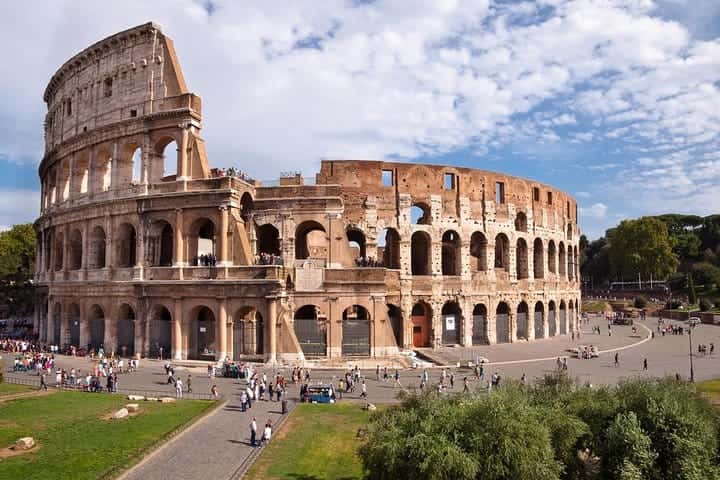
Anders als das Kolosseum, das ein einziges kohärentes Bauwerk ist, ist das Forum eine Sammlung von Gebäuden aus sehr unterschiedlichen Jahrhunderten, wiederholt abgerissen, wieder aufgebaut, und umgenutzt. Fügen Sie mehrere Jahrhunderte hinzu, in denen mittelalterliche Römer die Stätte als Steinbruch und sogar, an einem Tiefpunkt, als Weideland für Tiere nutzten (es erhielt den Spitznamen Campo Vaccino, oder „Kuhfeld"), und Sie erhalten das etwas verwirrende Durcheinander von Ruinen, das heute sichtbar ist. Systematische archäologische Ausgrabungen begannen erst im 18. und 19. Jahrhundert ernsthaft, und die Arbeit an der Stätte geht weiter.
Praktischer Besuch
Das Forum ist im selben Kombiticket wie das Kolosseum und der Palatin-Hügel enthalten, 24 Stunden gültig mit einem Eintritt zu jeder Stätte. Es gibt kaum Schatten und überall unebenes antikes Pflaster, daher zählen feste Schuhe hier mehr als fast überall sonst in Rom, Flip-Flops oder dünnsohlige Sandalen machen ein paar Stunden wirklich unangenehm.
-
Bringen Sie Wasser mit, es gibt nur sehr wenige schattige Ruhepunkte innerhalb der Stätte
-
Tragen Sie geschlossene, flache Schuhe für das unebene antike Steinpflaster
-
Planen Sie mindestens 90 Minuten ein, wenn Sie die Informationstafeln tatsächlich lesen möchten
-
Erwägen Sie einen Audioguide oder eine geführte Tour, die Ruinen sind ohne Kontext weit schwerer zu interpretieren als das Kolosseum
Kombination mit dem Kolosseum und dem Palatin-Hügel
Die meisten Besucher machen zuerst das Kolosseum, gehen dann hinunter ins Forum, und beenden auf dem Palatin-Hügel für die Aussicht zurück über die Ruinen von oben. Ein Kombiticket mit Audioguide deckt alle drei in einem Eintritt ab, was die Standard- und effizienteste Art ist, sie zu sehen.
Die Rolle des Forums im römischen Alltagsleben
Über die berühmten Denkmäler hinaus fungierte das Forum als Roms alltäglicher öffentlicher Platz, Händler verkauften Waren von Ständen, Bürger versammelten sich, um politische Reden von den Rostra zu hören (eine erhöhte Rednerplattform, die noch teilweise sichtbar ist), und die Basiliken des Forums erfüllten in etwa die Rolle moderner Gerichtsgebäude und Handelsbörsen kombiniert. Diese alltägliche Funktion zu verstehen hilft dabei, einen Sinn darin zu erkennen, warum die Stätte eine solche Mischung aus religiösen, politischen, und kommerziellen Strukturen enthält, die auf relativ kompaktem Raum zusammengedrängt sind.
Ein paar Geschichten, die man kennen sollte, bevor man hingeht
Julius Cäsar wurde nach seiner Ermordung im Forum eingeäschert, an einem Ort, der jetzt durch einen kleinen, häufig mit Blumen bedeckten Schrein in der Nähe des Cäsartempels markiert ist. Marcus Antonius hielt Berichten zufolge seine berühmte Trauerrede von den Rostra aus. Man glaubte, dass das heilige Feuer der Vestalinnen, gepflegt im runden Vesta-Tempel, die Stadt selbst schützte, es ausgehen zu lassen galt als schweres religiöses Versagen mit echten politischen Konsequenzen für die verantwortliche Vestalin.

Häufig gestellte Fragen
Wie viel Zeit sollte ich für das Forum einplanen?+
90 Minuten bis zwei Stunden für einen ordentlichen Besuch mit Audioguide oder geführter Tour; weniger, wenn Sie sich schnell zwischen nur den Highlights bewegen.
Ist das Forum schwerer zu verstehen als das Kolosseum?+
Im Allgemeinen ja, das Kolosseum ist ein Gebäude mit offensichtlicher Form und Zweck, während das Forum aus Dutzenden von Teilruinen aus verschiedenen Jahrhunderten besteht. Ein Führer oder Audioguide bringt hier merklich mehr Mehrwert als im Kolosseum.
Kann ich das Forum besuchen, ohne das Kolosseum zu besuchen?+
Das Kombiticket deckt alle drei Stätten ab, aber Sie müssen nicht alle beim selben Besuch innerhalb des 24-Stunden-Fensters betreten, Sie könnten zum Beispiel das Forum und den Palatin-Hügel am Morgen besuchen und das Kolosseum später, solange es innerhalb der Gültigkeitsdauer des Tickets liegt.
Gibt es irgendwo Schatten auf dem Gelände?+
Begrenzt, einige Bäume in der Nähe der Palatin-Hügel-Seite und um einige der Basiliken, aber der größte Teil des offenen Forumbodens hat keinen. Planen Sie die Hitze im Sommer ein.
Schicht für Schicht: wie man die Zeitleiste der Stätte liest
Da das Forum etwa tausend Jahre lang kontinuierlich wieder aufgebaut wurde, ist die einfachste Art, ihm einen Sinn zu geben, in groben Epochen zu denken, statt zu versuchen, alles auf einmal aufzunehmen. Die früheste Schicht ist das republikanische Rom, bescheidene Tempel und das ursprüngliche Senatsgebäude, erbaut, als Rom noch eine regionale Macht statt eines Mittelmeerreichs war. Die mittlere Schicht ist das frühe Reich, einschließlich Augustus' Ergänzungen und der großen Basiliken, die das explodierende juristische und kommerzielle Geschäft der Stadt abwickelten. Die letzte Schicht ist das spätere Reich, einschließlich der Ergänzungen aus der Zeit des Konstantinsbogens und des letzten großen Baus vor dem Niedergang der Stadt, wenn Sie diese Schicht erreichen, betrachten Sie bereits Gebäude, die Jahrhunderte nach der Gründung des Forums errichtet wurden, was einen Eindruck davon vermittelt, wie viel Zeit diese einzige Stätte tatsächlich umfasst.
Die Curia Iulia und die römische Politik
Die Curia Iulia, das Gebäude, in dem die Senatssitzungen stattfanden, überlebt in ungewöhnlich gutem Zustand, hauptsächlich weil sie im 7. Jahrhundert in eine Kirche umgewandelt wurde, was sie vor dem Abriss und der Steingewinnung schützte, die so viel vom Rest des Forums zerstörten. Wenn man drinnen steht, ist dies einer der wenigen Orte, an denen man ein echtes Gefühl für einen intakten römischen Innenraum bekommt statt für eine dachlose Ruine, die Proportionen und das Mauerwerk sind im Wesentlichen so, wie die Römer sie hinterließen, auch wenn der originale Marmorboden und die Dekoration verschwunden sind.
Römische Politik, die in Räumen wie diesem betrieben wurde, hat ein politisches Vokabular geprägt, das noch heute verwendet wird, Wörter wie „Senat", „Forum" (jetzt allgemein für jeden öffentlichen Diskussionsraum verwendet), und „Rednerpult" (von den Rostra, der Rednerplattform) gehen alle direkt auf diese Stätte und ihre Funktionen zurück.
Religiöses Leben im Forum
Über Politik und Handel hinaus war das Forum jahrhundertelang Roms wichtigstes religiöses Zentrum. Der Vesta-Tempel und das Haus der Vestalinnen verankerten eine der markantesten Institutionen der römischen Religion, sechs Frauen, als Kinder ausgewählt und zu dreißig Jahren Dienst verpflichtet, hatten die Aufgabe, das heilige Feuer kontinuierlich brennend zu halten. Versagen zog schwerwiegende Konsequenzen nach sich, und die Vestalinnen selbst hatten einen einzigartigen rechtlichen und sozialen Status, anders als jede andere Frau in der römischen Gesellschaft, einschließlich der Fähigkeit, Eigentum zu besitzen und vor Gericht unabhängig von einem männlichen Vormund auszusagen, beides ungewöhnliche Privilegien zu jener Zeit.
Der Tempel von Castor und Pollux, der Vesta-Tempel, der Saturn-Tempel, und der Titusbogen repräsentieren zusammen verschiedene Aspekte der römischen religiösen und bürgerlichen Identität, die göttlichen Zwillinge, die mit militärischem Sieg assoziiert werden, die Herdgöttin, die mit dem Überleben der Stadt verbunden ist, der Schatzgott, der mit Wohlstand verknüpft ist, und ein Triumphdenkmal, das die militärische Eroberung feiert. Das Forum durch diese Linse zu lesen (wofür jede Struktur tatsächlich diente, statt die Ruinen nur als abstrakte alte Steine zu bewundern) lässt den Besuch für die meisten Menschen tendenziell Sinn ergeben.
Ausgrabung und laufende Entdeckungen
Anders als das Kolosseum, das im Laufe der Geschichte kontinuierlich sichtbar und anerkannt war, war ein Großteil des Forums jahrhundertelang buchstäblich unter angesammeltem Erdreich, Trümmern, und späteren mittelalterlichen Konstruktionen begraben, die „Kuhfeld"-Periode war nicht nur ein bunter Spitzname, sie spiegelte eine Stätte wider, die tatsächlich ihre Identität als einer der wichtigsten öffentlichen Räume der antiken Welt verloren hatte. Systematische Ausgrabungen, beginnend im 18. und 19. Jahrhundert, legten allmählich die heute sichtbaren Ruinen frei, und die archäologische Arbeit geht weiter; neue Funde und Neuinterpretationen bestehender Strukturen werden immer noch regelmäßig gemeldet, was teilweise erklärt, warum Informationstafeln vor Ort manchmal aktualisiert werden.
Popular tours & tickets
Eine praktische Gehreihenfolge
Die meisten Besucher betreten das Gelände von der Via dei Fori Imperiali-Seite in der Nähe des Titusbogens, gehen die gesamte Länge der Via Sacra (der Hauptstraße des antiken Forums) vorbei an den wichtigsten Tempeln und der Curia, und steigen dann am fernen Ende zum Palatin-Hügel hinauf. Dies in dieser Reihenfolge zu tun, bedeutet, dass Sie auf dem Hügel mit dem besten Überblick enden, und auf alles zurückblicken, was Sie gerade durchquert haben, eine befriedigende Art, die verstreuten Ruinen mental zu einem einzigen kohärenten Bild zusammenzusetzen, bevor Sie gehen.
Handel und alltägliche Transaktionen
Über Tempel und politische Gebäude hinaus beherbergte das Forum gewöhnliches Wirtschaftsleben, Geldverleiher, Marktstände, und die Basiliken (die teilweise als überdachte Marktplätze und teilweise als Rechtsstätten fungierten) machten die Stätte ebenso sehr zu einem Geschäftsviertel wie zu einem religiösen oder politischen. Verträge wurden hier ausgehandelt, Schulden beglichen, und Streitigkeiten vor Menschenmengen von Zuschauern verhandelt, auf eine Weise, die die Grenze zwischen formalem Rechtsverfahren und öffentlichem Spektakel verwischte. Diese alltägliche kommerzielle Schicht zu verstehen hilft zu erklären, warum das Forum so viele verschiedene Gebäudetypen benötigte, die auf relativ kleinem Raum zusammengedrängt waren, es erfüllte effektiv die kombinierte Aufgabe des Regierungsviertels, des Gerichtsgebäudekomplexes, der Börse, und des zentralen Marktes einer modernen Stadt, alles auf einmal.
Bemerkenswerte Ereignisse, die an diesem Ort stattfanden
Über Cäsars Einäscherung und Antonius' Rede hinaus war das Forum Zeuge jahrhundertelanger folgenreicher Geschichte: Triumphzüge, die militärische Siege feierten, marschierten entlang der Via Sacra hindurch, Kaiser wurden hier nach dem Tod formell vergöttlicht, und größere politische Krisen spielten sich vor den vollen Augen der versammelten Menge ab. Der Septimius-Severus-Bogen, nahe dem westlichen Ende des Forums, gedenkt eines bestimmten Satzes von Militärfeldzügen gegen Parthien, während die nahegelegene Phokas-Säule (Jahrhunderte später, im 7. Jahrhundert, hinzugefügt) eines der letzten Denkmäler ist, die der Stätte vor ihrem langen Niedergang hinzugefügt wurden, was sie zu einem nützlichen Markierpunkt dafür macht, wo die „aktive" Geschichte des Forums effektiv endet.
Tipps zum Fotografieren des Forums
-
Fotografieren Sie vom Palatin-Hügel aus für die beste Gesamtpanoramaaussicht
-
Frühmorgenlicht funktioniert am besten für die östliche Seite in der Nähe des Titusbogens
-
Die Säulen des Saturn-Tempels fotografieren sich gut vom Bodenniveau aus mit Blick nach oben
-
Vermeiden Sie den Mittag für Fotos, hartes Licht von oben flacht die Texturen des Steins ab
Warum ein Führer hier einen größeren Unterschied macht als anderswo
Von den drei Stätten im Kombiticket profitiert das Forum am meisten von externem Kontext. Die Form und der Zweck des Kolosseums sind größtenteils selbsterklärend, wenn man es nur betrachtet; der Palatin-Hügel bietet angenehme Ausblicke und Gärten auch ohne tiefes historisches Wissen. Das Forum hingegen ist ein Feld getrennter Fundamente, Teilsäulen, und niedriger Mauern, die sehr wenig bedeuten, ohne dass jemand (ein Führer, ein Audioguide, oder mindestens eine gute Karte mit Beschreibungen) erklärt, was ursprünglich wo stand und warum es wichtig war. Besucher, die diesen Kontext auslassen, beschreiben das Forum häufig als enttäuschend im Vergleich zum Kolosseum; Besucher, die ihn haben, bewerten es durchweg als das intellektuell lohnendere der beiden.
Anreise und Kombination mit nahegelegenen Stätten
Der Haupteingang befindet sich entlang der Via dei Fori Imperiali, ein einfacher Spaziergang von der Metrostation Colosseo (Linie B) oder ein kurzer Spaziergang von der Piazza Venezia, wenn Sie vom historischen Zentrum kommen. Über das Kolosseum und den Palatin-Hügel hinaus befinden sich die Kapitolinischen Museen und die Piazza del Campidoglio direkt oberhalb des westlichen Randes des Forums, was es einfach macht, einen Tag im antiken Rom mit einem Besuch der exzellenten antiken Skulpturensammlung der Kapitolinischen Museen zu erweitern, einschließlich des originalen Bronzeguss der Kapitolinischen Wölfin, wenn Zeit und Energie es erlauben.
Wetter und Timing über die Jahreszeiten hinweg
Wie das Kolosseum nebenan hat das Forum im Wesentlichen keinen Schatten auf dem größten Teil seines offenen Geländes, was Sommerbesuche erheblich anspruchsvoller macht als Frühlings-, Herbst-, oder Winterbesuche. Regen ist ein geringeres Problem als Hitze (es gibt genug freiliegenden Stein und eine Handvoll überdachter Strukturen, um sich kurz unterzustellen), aber ein plötzlicher Regenguss kann das antike Pflaster dennoch rutschig und wirklich gefährlich unter den Füßen machen, daher ist Vorsicht geboten, falls Sie davon überrascht werden. Der Winter bietet wiederum tendenziell die angenehmste Kombination aus mäßigen Menschenmengen und erträglichen Temperaturen für eine entspannte Erkundung.
Letztes Wort
Das Forum Romanum verlangt seinen Besuchern mehr ab als das Kolosseum, zahlt diesen Aufwand aber mit einer der konzentriertesten Dosen echter, physischer römischer Geschichte irgendwo in der Stadt zurück. Geben Sie ihm echte Zeit, verlassen Sie sich für den Kontext auf einen Führer oder Audioguide, und beenden Sie auf dem Palatin-Hügel für die Aussicht, die die gesamte Stätte zusammenbindet.
Was fehlt, das Besucher zu sehen erwarten
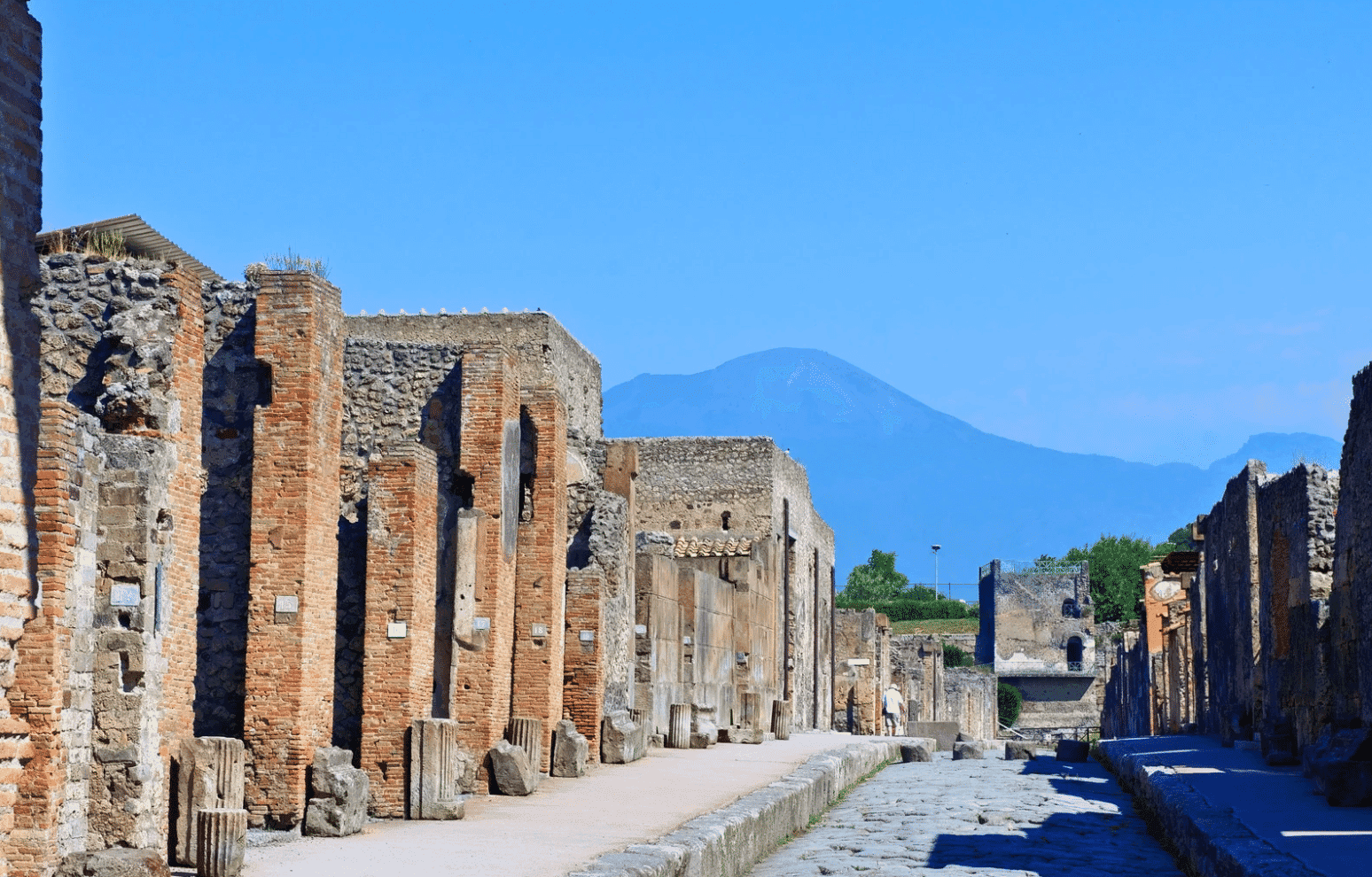
Erstbesucher kommen gelegentlich an und erwarten etwas, das eher einer restaurierten, polierten historischen Attraktion ähnelt, mit klarer Beschilderung an jeder Ecke und einem Gefühl dafür, wo „das Gebäude" beginnt und endet. Das Forum bietet das nicht wirklich, es ist eine wirklich fragmentierte Stätte, und ein beträchtlicher Teil davon besteht aus Fundamentsteinen und Säulenbasen statt aus intakten stehenden Strukturen, diese Erwartung im Voraus zu setzen, statt sie bei der Ankunft zu entdecken, macht den Besuch tendenziell befriedigender, da die niedrigere Messlatte von „fragmentierten antiken Ruinen, die etwas Vorstellungskraft erfordern" weit leichter zu erreichen ist als eine unausgesprochene Erwartung einer vollständig rekonstruierten antiken Stadtlandschaft.
Häufige Besucherfragen vor Ort beantwortet
Erstbesucher unterschätzen häufig, wie viel Gehen das Forum im Verhältnis zu seiner scheinbaren Größe auf einer Karte erfordert, die Stätte erstreckt sich weiter, als sie von jedem einzelnen Aussichtspunkt aus erscheint, und das unebene antike Pflaster verlangsamt den Fortschritt mehr, als es flaches modernes Pflaster tun würde. Es ist auch üblich anzunehmen, dass das Forum nach dem Kolosseum in zwanzig oder dreißig Minuten „erledigt" werden kann; in der Praxis gehen Besucher, die versuchen, es zu überstürzen, tendenziell mit dem am wenigsten befriedigenden Eindruck des gesamten Kombitickets für das antike Rom weg, einfach weil sie der Stätte nicht genug Zeit gegeben haben, um Sinn zu ergeben.
Warum das Forum heute noch wichtig ist
Über seine historische Bedeutung hinaus bleibt das Forum eine aktive archäologische Stätte, mit laufenden Studien, die weiterhin das Verständnis der Historiker über das politische, religiöse, und wirtschaftliche Leben der Römer verfeinern. Es zu besuchen ist nicht nur Sightseeing im passiven Sinn, es ist ein Spaziergang durch das physische Quellmaterial für vieles von dem, was darüber bekannt ist, wie die Römische Republik und das frühe Reich tatsächlich Tag für Tag funktionierten, über das hinaus, was allein in schriftlichen Texten überliefert ist.
Erleben Sie es zusammen mit dem Kolosseum und dem Palatin-Hügel. Prüfen Sie hier die Ticketoptionen.
Erlauben Sie sich, anzuhalten und eine einzelne Informationstafel langsam zu lesen, statt an jeder Ruine vorbeizueilen, denn das Forum belohnt Geduld mehr als Geschwindigkeit.
Verfasst von
Get Your Roman Tours Team
Wir sind ein lizenzierter Reiseveranstalter mit Sitz in Rom (Get Your Roman Tours S.R.L.S.). Unsere Guides führen jede Woche Touren an diesen Orten — alles hier stammt aus eigener Erfahrung. Über uns · Fragen Sie uns