Der Konstantinsbogen: Roms Am Besten Erhaltener Triumphbogen

Zwischen dem Kolosseum und dem Palatin-Hügel stehend, ist der Konstantinsbogen der größte von Roms überlebenden Triumphbögen, geweiht im Jahr 315 n. Chr. zum Gedenken an Kaiser Konstantins Sieg über seinen Rivalen Maxentius in der Schlacht an der Milvischen Brücke, eine Schlacht von überdurchschnittlicher historischer Bedeutung, da sie Konstantins Weg zum Alleinherrscher festigte und schließlich zum ersten römischen Kaiser, der das Christentum annahm.
Mit etwa 21 Metern Höhe und 25 Metern Breite ist der Bogen beeindruckend in seinem Ausmaß, aber seine eigentliche Besonderheit liegt darin, wie er gebaut wurde: ein beträchtlicher Teil seiner dekorativen Reliefpaneele wurde nicht neu für Konstantin geschnitzt, sondern von früheren Denkmälern umfunktioniert, die frühere „gute Kaiser" (Trajan, Hadrian, und Marcus Aurelius) ehrten, eine Praxis, die Historiker spolia nennen.
Warum die wiederverwendete Kunst wichtig ist
Die Entscheidung, ältere kaiserliche Reliefs einzubeziehen, war nicht einfach eine praktische Abkürzung; es war eine bewusste politische Aussage, die Konstantin visuell mit einer Abstammungslinie respektierter vergangener Kaiser verband, in einem Moment, in dem seine eigene Legitimität, gerade einen Bürgerkrieg gewonnen habend, erheblich von dieser Art geliehenen historischen Gewichts profitierte. Das Ergebnis ist eine Art künstlerisches Flickwerk, das unterschiedliche Stile aus verschiedenen Jahrhunderten auf einem einzigen Denkmal mischt, ein Detail, das Kunsthistoriker als besonders interessante Fallstudie darüber finden, wie antike Herrscher visuelle Propaganda nutzten.
Diese Vermischung bedeutet auch, dass der Bogen einen ungewöhnlich direkten Nebeneinander-Vergleich des römischen Skulpturstils über etwa zwei Jahrhunderte bietet, von den naturalistischeren, klassischeren Reliefs der Ära Trajans und Hadrians bis zum flacheren, vereinfachteren Stil, typisch für Konstantins eigene Zeit, ein stilistischer Wandel, den manche Historiker mit den breiteren künstlerischen und kulturellen Veränderungen der Spätantike verbinden.
Worauf man achten sollte
- Rundmedaillons, die Jagd- und Opferszenen darstellen, ursprünglich von einem hadrianischen Denkmal
- Paneele, die Trajans dakische Feldzüge zeigen, von einem früheren Denkmal umfunktioniert
- Ein Fries, der um den Bogen herumläuft und Konstantins eigenen Feldzug gegen Maxentius darstellt, speziell für dieses Denkmal geschnitzt
- Die Inschrift, die Konstantins Sieg göttlicher Inspiration zuschreibt, absichtlich vage genug gehalten, um sowohl heidnische als auch christliche Interpretationen zu befriedigen
Praktische Besuchsinformationen
Der Bogen steht in offenem öffentlichem Raum zwischen dem Kolosseum und dem Palatin-Hügel, kostenlos sichtbar und fotografierbar ohne jegliches Ticket, die meisten Besucher sehen ihn einfach beim Gehen zwischen den beiden kostenpflichtigen Stätten, was ihn zu einem einfachen Stopp ohne zusätzlichen Aufwand an einem Tag im antiken Rom macht, statt zu einem separaten Ziel, das eigene Planung erfordert.
Eine nützliche Inschrift, sorgfältig formuliert
Die Hauptinschrift des Bogens schreibt Konstantins Sieg „der Eingebung der Gottheit" (instinctu divinitatis) zu, eine absichtlich mehrdeutige Formulierung, die von heidnischen Römern als Verweis auf traditionelle Götter und von der wachsenden christlichen Bevölkerung als frühe Anerkennung von Konstantins späterer Konversion gelesen werden konnte. Diese Art sorgfältiger politischer Wortwahl spiegelt den wirklich übergangsartigen religiösen Moment wider, den Rom zu der Zeit durchlief, als der Bogen gebaut wurde, rittlings zwischen seiner heidnischen Vergangenheit und christlichen Zukunft.
Häufig gestellte Fragen
Brauche ich ein Ticket, um den Konstantinsbogen zu sehen?+
Nein, er steht in offenem öffentlichem Raum und kann jederzeit kostenlos besichtigt werden.
Warum mischt der Bogen unterschiedliche künstlerische Stile?+
Konstantins Erbauer verwendeten bewusst Reliefpaneele von früheren Kaiserdenkmälern zusammen mit neu geschnitzter Arbeit wieder, sowohl aus praktischer Geschwindigkeit als auch um Konstantin politisch mit respektierten Vorgängern zu assoziieren.
Wie schneidet er im Vergleich zum Titusbogen im Forum ab?+
Der Titusbogen ist älter, kleiner, und vollständig originale Arbeit aus einer einzigen Ära; der Konstantinsbogen ist größer und ein bewusstes Flickwerk, das etwa zwei Jahrhunderte römischer Kunst umspannt.
Die Schlacht an der Milvischen Brücke
Die Schlacht, an die der Bogen erinnert, wurde 312 n. Chr. direkt nördlich von Rom ausgetragen, zwischen Konstantins Truppen und denen von Maxentius, seinem Rivalen um die Kontrolle über das Weströmische Reich. Der späteren christlichen Tradition zufolge hatte Konstantin vor der Schlacht eine Vision oder ein Zeichen (am berühmtesten als Kreuz aus Licht am Himmel erzählt, begleitet von den Worten „In diesem Zeichen wirst du siegen"), das er als göttliche Unterstützung für seine Sache interpretierte. Was auch immer tatsächlich geschah, Konstantin gewann entscheidend, Maxentius ertrank Berichten zufolge auf der Flucht über den Tiber, und der Sieg setzte Konstantin auf einen Weg, der ihn schließlich zum Alleinherrscher machen würde und zur Figur, die am meisten mit dem Übergang des Christentums von einem verfolgten Minderheitsglauben zur dominanten Religion des Reiches innerhalb einer einzigen Generation verbunden ist.
Wie die Spolien des Bogens ausgewählt wurden
Die spezifische Wahl, welche früheren Denkmäler für Material ausgeschlachtet werden sollten, war nicht zufällig, Trajan, Hadrian, und Marcus Aurelius wurden alle in Konstantins Ära als Teil eines goldenen Zeitalters fähiger, respektierter kaiserlicher Herrschaft erinnert, manchmal von späteren Römern zusammen unter die „guten Kaiser" gruppiert. Indem sie sich visuell mit ihren Bildern und Errungenschaften verbanden, machten Konstantins Denkmalerbauer ein unmissverständliches Argument über Legitimität und Kontinuität, in einem Moment, in dem Konstantins tatsächlicher Machtanspruch darauf beruhte, gerade einen Bürgerkrieg gewonnen zu haben, statt auf irgendeinem traditionellen Erbrecht.
Restaurierung und was zu seiner Erhaltung getan wurde
Jahrhunderte der Verschmutzung, des Wetters, und der Vibrationen des schweren nahegelegenen Verkehrs veranlassten ein bedeutendes Restaurierungsprojekt, das in den letzten Jahrzehnten abgeschlossen wurde, das den Stein reinigte und Abschnitte der Struktur stabilisierte. Wie das Kolosseum nebenan sieht das heutige Erscheinungsbild des Bogens (blasser, relativ sauberer Stein) merklich anders aus als seine Erscheinung Mitte des 20. Jahrhunderts, als Jahrzehnte von Abgasen und Schmutz seine Oberfläche erheblich verdunkelt hatten, was einen Großteil des Reliefdetails verdeckte, das jetzt wieder für vorbeigehende Besucher sichtbar ist.
Vergleich aller drei großen überlebenden Bögen Roms
Rom bewahrt drei besonders bedeutende Triumphbögen, die es sich lohnt, zusammen zu kennen: den Titusbogen im Forum, der die Eroberung Jerusalems gedenkt; den Septimius-Severus-Bogen, ebenfalls im Forum, der Feldzüge gegen Parthien gedenkt; und den Konstantinsbogen, den größten und jüngsten der drei. Alle drei an einem einzigen Tag zu sehen (leicht zu bewerkstelligen, da die beiden Bögen des Forums und Konstantins Bogen nur einen kurzen Spaziergang voneinander entfernt liegen) bietet eine kompakte Tour durch etwa zweieinhalb Jahrhunderte römischen Triumphdenkmal-Designs, jeder spiegelt die besonderen politischen Bedürfnisse und künstlerischen Konventionen seiner eigenen Ära wider.
Der Bogen im Film und in der Populärvorstellung
Dank seiner prominenten, leicht zu fotografierenden Position zwischen zwei der meistbesuchten Stätten Roms erscheint der Konstantinsbogen ständig in Filmen, Dokumentationen, und Werbefotografie über Rom, oft als visuelle Abkürzung neben dem Kolosseum verwendet, um das antike Rom im Allgemeinen darzustellen. Diese Allgegenwart bedeutet manchmal, dass Besucher die Silhouette des Bogens erkennen, bevor sie ankommen, ohne notwendigerweise seine spezifische Geschichte zu kennen, was die Spolien-Geschichte (die bewusste Wiederverwendung älterer kaiserlicher Denkmäler) zu einem der genuin überraschendsten Kontextstücke macht, das ein Führer oder eine Tafel einem Besucher bieten kann, der nur einen weiteren generischen antiken Bogen erwartet.
Eine kurze Zeitleiste
- 98-117 n. Chr., ursprüngliche Reliefs unter Trajan, Hadrian, und Marcus Aurelius für andere Denkmäler geschaffen
- 312 n. Chr., Schlacht an der Milvischen Brücke
- 315 n. Chr., der Konstantinsbogen wird geweiht
- 20.-21. Jahrhundert, große Reinigungs- und Restaurierungsprojekte begegnen Verschmutzungsschäden
Konstantins breiteres Vermächtnis in Rom
Über diesen einzelnen Bogen hinaus hinterließ Konstantin einen erheblichen physischen Eindruck in Rom, einschließlich der massiven Maxentiusbasilika (die er nach der Niederlage ihres Namensgebers vollendete), und indirekt durch seine Entscheidung, schließlich eine neue kaiserliche Hauptstadt in Konstantinopel zu gründen, die den politischen Schwerpunkt des Reiches in den folgenden Jahrzehnten allmählich nach Osten verlagerte. Den Bogen in diesem breiteren Kontext zu verstehen (kein isoliertes Denkmal, sondern ein Teil einer viel größeren Transformation darin, wie die römische Welt regiert wurde und wo ihr Machtzentrum lag) verleiht ihm zusätzliche Bedeutung über sein unmittelbares künstlerisches und architektonisches Interesse hinaus.
Ein nützlicher Stopp zum Verständnis des römischen religiösen Wandels
Für Besucher, die sich speziell für den Übergang vom heidnischen zum christlichen Rom interessieren, fungiert der Konstantinsbogen fast wie eine einzige physische Momentaufnahme dieses Übergangs im Gange, ein Denkmal, das noch immer unter Verwendung durchweg traditioneller römischer Triumphformen und teils heidnischer Bildsprache gebaut wurde, gewidmet einem Kaiser, dessen Herrschaft das Christentum innerhalb weniger Generationen auf den Weg zum dominanten Glauben des Reiches bringen würde. Nur wenige einzelne Denkmäler erfassen diesen entscheidenden historischen Moment so direkt und zugänglich wie dieses.
Popular tours & tickets
Praktische Tipps zum Fotografieren des Bogens
-
Morgenlicht von der Kolosseum-Seite gibt die klarsten, gleichmäßigsten beleuchteten Aufnahmen der Fassade
-
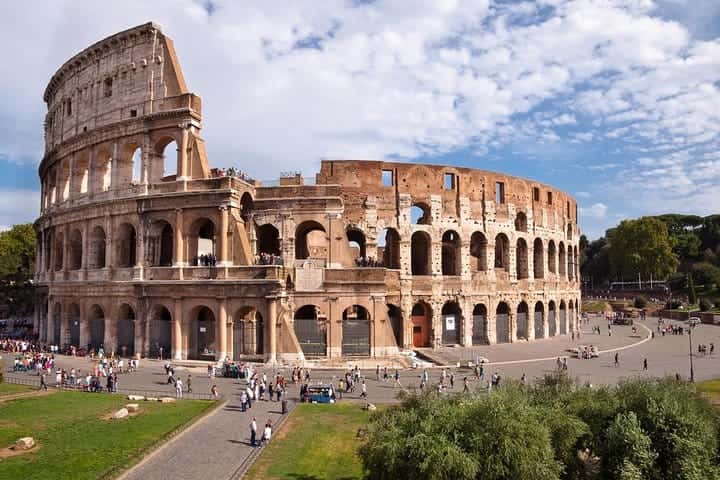
Treten Sie zurück in Richtung Kolosseum für eine Weitwinkelaufnahme, die beide Denkmäler in einem Rahmen erfasst
-
Zoomen Sie einzeln auf die Reliefpaneele, das Detail ist bei einer normalen Weitwinkelaufnahme leicht zu übersehen
-
Vermeiden Sie den Mittag, wenn hartes Überkopflicht die Tiefe des geschnitzten Reliefs abflacht
Wie der Bogen international abschneidet
Über seinen direkten Einfluss auf Napoleons Arc de Triomphe du Carrousel in Paris hinaus hat das grundlegende dreitorige Triumphbogen-Format des Konstantinsbogens in Denkmälern weltweit Widerhall gefunden, die Jahrhunderte später gebaut wurden, einschließlich Bögen in London, Washington D.C., und zahlreichen anderen Hauptstädten, die ein Gefühl kaiserlicher Größe und historischer Kontinuität mit Rom hervorrufen wollten. Diese Abstammungslinie zu erkennen, verleiht dem Stehen vor dem Original eine zusätzliche Bedeutungsebene, dies ist, in einem sehr realen architektonischen Sinne, der Vorfahre Dutzender späterer Denkmäler, die speziell gebaut wurden, um seine visuelle Autorität zu entlehnen.
Was zu bemerken ist, das leicht übersehen wird
Über die bereits besprochenen wichtigsten Reliefpaneele hinaus achten Sie auf die kleineren dekorativen Details rund um den Sockel des Bogens und die Säulenkapitelle, diese sind im Allgemeinen originale Arbeit aus dem 4. Jahrhundert statt wiederverwendeter Spolien, und der Vergleich ihres flacheren, vereinfachteren Schnitzstils direkt mit den naturalistischeren wiederverwendeten Paneelen darüber bietet eine der klarsten, zugänglichsten Lektionen über den sich verändernden römischen künstlerischen Stil, die irgendwo in der Stadt verfügbar sind, sichtbar auf einem einzigen Denkmal, ohne zwischen verschiedenen Stätten oder Epochen reisen zu müssen.
Besuch zu verschiedenen Jahreszeiten
Wie die meisten Freiluftstätten im unmittelbaren Kolosseum-Gebiet ist der Bogen während der touristischen Hochsaison im Frühling und Sommer am belebtesten, obwohl, da seine Besichtigung kein Ticket oder Zeitfenster erfordert, Gedränge hier viel weniger ein praktisches Anliegen ist als an den nahegelegenen kostenpflichtigen Stätten, selbst während der geschäftigsten Perioden ist es selten schwierig, eine klare Sicht oder ein anständiges Foto zu bekommen, da sich Besucher natürlich entlang des offenen Platzes verteilen, statt an einem festen Punkt Schlange zu stehen.
Ein letztes Detail, das sich zu wissen lohnt
Schauen Sie sich die kleinen Unterschiede in den geschnitzten Frisuren und Kleidungsdetails zwischen den Figuren in den wiederverwendeten Paneelen aus der Ära Trajans und Hadrians im Vergleich zum neu geschnitzten konstantinischen Fries an, Mode und künstlerische Konvention verschoben sich merklich über die etwa zwei Jahrhunderte, die sie trennen, und diese Details, auf den ersten Blick leicht zu übersehen, gehören zu den klarsten visuellen Beweisen dafür, wie sehr sich die römische Kultur und der Geschmack verändert hatten, als Konstantins Erbauer dieses Denkmal zusammenstellten.
Warum Gelehrte immer wieder zu diesem Denkmal zurückkehren
Nur wenige einzelne römische Denkmäler bieten eine so reichhaltige Fallstudie in Kunstgeschichte, Politik, und religiösem Übergang gleichzeitig wie der Konstantinsbogen, was Teil des Grundes ist, warum er auch nach Jahrhunderten wissenschaftlicher Aufmerksamkeit ein häufiges Thema akademischer Studien und Debatten bleibt. Neue Analysetechniken, einschließlich detaillierter Materialstudien des Steins selbst, verfeinern weiterhin das Verständnis darüber, welche Abschnitte genau neu geschnitzt versus wiederverwendet wurden, und aus welchen spezifischen früheren Denkmälern die Spolien entnommen wurden, Fragen, die trotz der prominenten, gut untersuchten Lage des Bogens im Herzen von Roms meistbesuchter archäologischer Zone nur teilweise geklärt bleiben.
Wie der Bogen zweitausend Jahre in einem Stück überlebte
Anders als viele freistehende antike Denkmäler, die im Laufe des Mittelalters allmählich für Baustein abgebaut wurden, profitierte der Konstantinsbogen von kontinuierlicher Aufmerksamkeit und zeitweise sogar von aktiver Nutzung als Teil befestigter mittelalterlicher Strukturen, die von mächtigen römischen Familien um ihn herum und in ihn hinein gebaut wurden, die sein defensives Potenzial ebenso wie sein symbolisches Gewicht erkannten. Diese praktische Wiederverwendung half, etwas paradoxerweise, die Struktur weitgehend intakt zu bewahren, statt sie in die Art langsamen Steinraubs verfallen zu lassen, die so viele andere antike römische Gebäude auf nackte Fundamente reduzierte, ein Schicksal, dem der Bogen weitgehend entging, gerade weil er über die Jahrhunderte zwischen Antike und Moderne immer wieder neue Verwendungen fand.
Beleuchtung und die besten Zeiten zum Fotografieren
Der Bogen ist ungefähr nach Südosten ausgerichtet, was bedeutet, dass Morgenlicht dazu neigt, seine Hauptfassade am gleichmäßigsten zu beleuchten, während spätes Nachmittagslicht aus dem entgegengesetzten Winkel streift und eine dramatische Schattendefinition über die Reliefschnitzerei erzeugen kann, die manche Fotografen tatsächlich dem flacheren Morgenlicht vorziehen. So oder so, ein Besuch außerhalb der härtesten Mittagsstunden erzeugt merklich bessere Ergebnisse als ein schneller Mittagsschnappschuss, der im Vorbeigehen zwischen Kolosseum und Forumseingang aufgenommen wird.
Wie das Design des Bogens spätere monumentale Torbauten beeinflusste
Über seine direkten architektonischen Kopien hinaus beeinflusste das grundlegende Prinzip, das der Bogen demonstriert (dass ein Triumphdenkmal auch als Vehikel dienen konnte, um frühere Bildsprache in eine neue politische Botschaft zusammenzustellen und neu zu kontextualisieren), wie spätere Herrscher in der europäischen Geschichte ihre eigene Gedenkarchitektur angingen, lange nachdem die spezifische Praxis, ältere Denkmäler buchstäblich für Spolien auszuschlachten, außer Gebrauch geriet. Architekten der Renaissance und später, die römische Triumphbögen studierten, zitierten häufig speziell Konstantins Bogen, angesichts seiner Größe und der ungewöhnlichen Mischung von Stilen, die auf einer einzigen Struktur sichtbar ist, als wichtigen Bezugspunkt zum Verständnis, wie sich das römische Monumentaldesign über die Geschichte des Reiches hinweg entwickelte.
Was Führer betonen, das Tafeln nicht erwähnen
Die meisten Informationstafeln in der Nähe des Bogens konzentrieren sich auf Daten und grundlegende Identifizierung der Reliefpaneele, aber Führer, die Touren durch das Gebiet leiten, betonen tendenziell den interpretativeren Blickwinkel: dass dieses Denkmal eine der klarsten physischen Illustrationen irgendwo in Rom darstellt, wie politische Legitimität aktiv konstruiert und visuell argumentiert wurde, statt einfach angenommen zu werden. Vor dem Bogen mit dieser Rahmung im Kopf zu stehen (dass jedes wiederverwendete Paneel und jede sorgfältig formulierte Inschrift eine kalkulierte politische Entscheidung war) verwandelt das Denkmal von einer statischen historischen Reliquie in etwas, das eher einem bewussten Stück antiker Überzeugungsarbeit gleicht, noch immer fast siebzehn Jahrhunderte später lesbar.
Ein Denkmal, das am besten in Abfolge mit seinen Nachbarn verstanden wird
Da der Bogen genau zwischen dem Kolosseum und dem Eingang zum Forum und Palatin-Hügel steht, begegnen ihm die meisten Besucher im Vorbeigehen statt als bewusstes Ziel, aber selbst zehn zusätzliche Minuten hier innezuhalten, idealerweise nachdem man bereits die beiden Bögen des Forums zum Vergleich gesehen hat, verwandelt das, was sonst ein schneller Fotostopp wäre, in eine wirklich informative Brücke zwischen Roms gladiatorischer, religiöser, und politischer Geschichte, die alle auf dieser relativ kleinen, aber dicht geschichteten Struktur zusammenlaufen.
Eine Anmerkung zur umliegenden archäologischen Zone
Der Bogen liegt innerhalb desselben großen fußgängerfreundlichen archäologischen Bereichs, der die unmittelbare Umgebung des Kolosseums einschließt, was bedeutet, dass er vom eingeschränkten Fahrzeugverkehr und der reduzierten Verschmutzung profitiert, die geholfen haben, das Mauerwerk der Stätte in den letzten Jahrzehnten zu schützen, eine bemerkenswerte Veränderung gegenüber Mitte des 20. Jahrhunderts, als schwerer Verkehr nah genug an mehreren antiken Denkmälern Roms vorbeifuhr, um messbare Vibrationsschäden und beschleunigten Oberflächenverfall zu verursachen, ein Problem, das Stadtbehörden seitdem durch Verkehrsbeschränkungen in dieser gesamten historischen Zone angegangen sind.
Letztes Wort
Der Konstantinsbogen belohnt Besucher, die ihn als mehr als einen schnellen Fotostopp zwischen Kolosseum und Forum behandeln, sein Flickwerk aus wiederverwendetem und originalem Relief bietet ein wirklich einzigartiges Fenster in die Art und Weise, wie römische Kaiser Kunst und Architektur nutzten, um politische Legitimität zu konstruieren, geschichtet über zwei Jahrhunderte auf einem einzigen Denkmal.
Sehen Sie ihn auf dem Weg zwischen Kolosseum und Forum. Buchen Sie Ihre Tickets für das antike Rom.
Verfasst von
Get Your Roman Tours Team
Wir sind ein lizenzierter Reiseveranstalter mit Sitz in Rom (Get Your Roman Tours S.R.L.S.). Unsere Guides führen jede Woche Touren an diesen Orten — alles hier stammt aus eigener Erfahrung. Über uns · Fragen Sie uns