Piazza Navona: Roms Lebendigster Platz, Erbaut auf einem Antiken Stadion
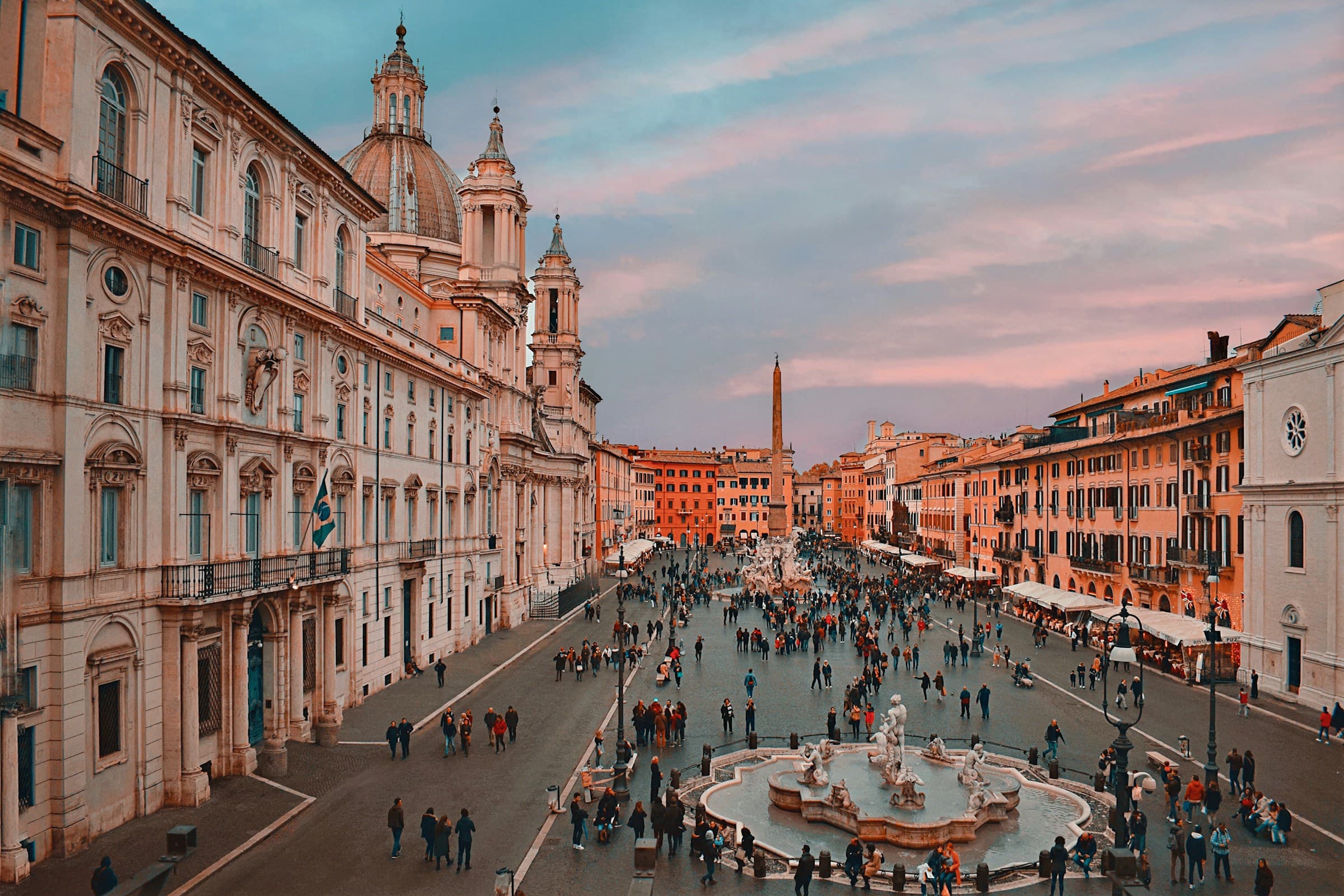
Die Piazza Navona ist der Platz, den die Römer tatsächlich nutzen. Anders als die Piazza San Pietro oder die Piazza del Popolo, beide hauptsächlich für große Prozessionen und Menschenmengen gebaut, hat Navona die entspannte, gelebte Energie eines Nachbarschaftswohnzimmers: Straßenkünstler, die Touristen skizzieren, Kinder, die Tauben um Berninis Brunnen jagen, Café-Tische, die sich unter länglichen, oval geformten Gebäuden ausbreiten, deren Krümmung das Geheimnis des Platzes verrät. Die Piazza Navona ist nicht aus architektonischer Laune oval geformt, sie ist oval, weil sie direkt auf, und exakt entlang des Grundrisses von, einem antiken römischen Stadion gebaut wurde.
Diese geschichtete Historie (antike Sportstätte, mittelalterlicher Marktplatz, barockes Schaustück, moderner Treffpunkt) ist es, was Navona lohnenswert macht zu verstehen, statt nur zu fotografieren. Sobald Sie wissen, was unter Ihren Füßen liegt, liest sich der Platz völlig anders.
Das Stadion, das offen sichtbar versteckt ist
Die charakteristische längliche ovale Form der Piazza Navona stammt direkt vom Stadion des Domitian, erbaut vom Kaiser Domitian um 86 n. Chr. als Roms eigens gebaute Stätte für griechische Leichtathletikwettkämpfe, Laufen, Ringen, und ähnliche Veranstaltungen, die nicht in das Gladiatoren- und Wagenrennen-Format des Kolosseums oder Circus Maximus passten. Das Stadion konnte schätzungsweise 20.000-30.000 Zuschauer fassen und war die einzige dauerhafte Struktur dieser Art in Rom, da die meisten griechischen Leichtathletikwettbewerbe anderswo im Reich noch auf temporäre Stätten angewiesen waren.
Nachdem das Stadion in der Spätantike außer Gebrauch geriet, wurde seine massive Mauerwerkshülle nicht abgerissen, sondern einfach Jahrhundert für Jahrhundert überbaut, wobei die gekrümmten Sitzreihen schließlich unter mittelalterlichen Wohnhäusern begraben wurden und das Straßenniveau um mehrere Meter anstieg. Der Name des Platzes selbst ist eine Verballhornung von „in agone" („bei den Spielen"), die sich über Jahrhunderte gesprochenen Italienischs langsam zu „Navona" verschliff. Bemerkenswerterweise überleben erhebliche Abschnitte der ursprünglichen Stadionstruktur intakt unterirdisch, heute zugänglich über die archäologische Stätte des Stadions des Domitian unter den Gebäuden am nördlichen Ende des Platzes, eine wirklich unterschätzte, kostenpflichtige unterirdische Führung, von deren Existenz die meisten Besucher, die den Platz darüber begehen, keine Ahnung haben.
Berninis Vier-Flüsse-Brunnen
Das Herzstück des Platzes, die Fontana dei Quattro Fiumi (Vier-Flüsse-Brunnen), ist eines der theatralischsten Werke von Gian Lorenzo Bernini, in Auftrag gegeben von Papst Innozenz X. und 1651 fertiggestellt. Ein ägyptischer Obelisk (ursprünglich von Domitian nach Rom gebracht und später von hier vom Circus des Maxentius versetzt) erhebt sich aus einer zerklüfteten Travertin-Felsformation, um die herum vier kolossale Flussgott-Statuen die vier dem Europa des 17. Jahrhunderts bekannten Kontinente durch ihre großen Flüsse repräsentieren:
- Der Nil, dargestellt mit verhülltem Gesicht, populär erklärt als Darstellung der damals unbekannten Quelle des Flusses, obwohl manche Quellen andeuten, dass dies einfach einen unvollendeten Abschnitt der Schnitzerei widerspiegelt
- Die Donau, Europa repräsentierend, greift nach dem päpstlichen Wappen oben
- Der Ganges, Asien repräsentierend, hält ein langes Ruder, um die Schiffbarkeit des Flusses anzudeuten
- Der Río de la Plata, Amerika repräsentierend, umgeben von verstreuten Münzen, die den Reichtum der Neuen Welt symbolisieren
Bernini entwarf den Brunnen so, dass es aussieht, als könnte die Felsformation selbst jeden Moment einstürzen, eine bewusst instabile, dynamische Komposition, typisch für die Vorliebe der barocken Skulptur für dramatische Spannung.-
Eine anhaltende (und fast sicher erfundene) Legende behauptet, das verhüllte Gesicht der Nil-Figur sei Berninis Spitze gegen seinen großen Rivalen Francesco Borromini gewesen, dessen nahegelegene Kirchenfassade der Flussgott angeblich nicht anzusehen weigert. Es ist eine großartige Geschichte für einen Reiseführer, aber die Chronologie stützt sie eigentlich nicht, der Brunnen war bereits weitgehend entworfen, bevor Borrominis Kirchenfassade errichtet wurde. Dennoch war die Rivalität zwischen den beiden Barockmeistern real, und die Römer haben die Legende unabhängig von den Fakten fröhlich am Leben erhalten.
Zwei weitere Brunnen, für die es sich zu verlangsamen lohnt
Berninis Flussbrunnen erhält den größten Teil der Aufmerksamkeit, aber die Piazza Navona beherbergt zwei weitere Brunnen, die einen richtigen Blick wert sind. Am südlichen Ende des Platzes steht die Fontana del Moro (Mohrenbrunnen), ursprünglich entworfen von Giacomo della Porta in den 1570er Jahren, mit einer zentralen Figur eines Afrikaners oder „Mohren", der mit einem Delfin ringt, später in den 1650er Jahren von Bernini hinzugefügt, was auch diesem Brunnen einen Hauch von Berninis dynamischem Stil verleiht, geschichtet auf einer älteren, schlichteren Basis. Am nördlichen Ende befindet sich die Fontana del Nettuno (Neptunbrunnen), ursprünglich ein einfacheres, unverziertes Becken, das seine heutige Skulpturengruppe (Neptun im Kampf mit einem Seeungeheuer, umgeben von Meeresnymphen und Putten) erst im 19. Jahrhundert erhielt, was ihn zum zuletzt fertiggestellten der drei großen Brunnen des Platzes macht, obwohl er stilistisch gut zu den barocken Originalen passt.
Sant'Agnese in Agone und die Borromini-Verbindung
Gegenüber dem Vier-Flüsse-Brunnen auf der anderen Seite des Platzes liegt die Kirche Sant'Agnese in Agone, deren dramatische konkave Fassade und Zwillingsglockentürme größtenteils das Werk von Francesco Borromini sind, der das Projekt in den 1650er Jahren mitten im Bau übernahm. Die Kirche markiert die traditionelle Stätte des Martyriums der Heiligen Agnes, die hier angeblich als junges Mädchen während der Christenverfolgung unter Diokletian getötet wurde, was noch eine weitere Geschichtsschicht direkt auf den Grundriss von Domitians heidnischem Stadion legt. Borrominis geschwungenes, dynamisches Fassadendesign antwortet direkt auf Berninis Brunnen auf der anderen Seite des Platzes, und die beiden Bauwerke bilden zusammen eines der meistfotografierten architektonischen Ensembles Roms, unabhängig davon, ob die Geschichte der Rivalität um den verhüllten Nil wahr ist.
Ein Marktplatz, der zur Bühne wurde
Von der Renaissance bis ins 19. Jahrhundert diente die Piazza Navona als einer von Roms wichtigsten öffentlichen Marktplätzen, und für eine Zeit im Sommer wurde sie bewusst mit Wasser aus den umliegenden Brunnen geflutet, damit wohlhabende Römer Scheinseeschlachten genießen und sich in der Hitze abkühlen konnten, eine als lago bekannte Tradition, die in Gemälden und Drucken aus der Zeit festgehalten ist. Der Markt selbst verlagerte sich Ende des 19. Jahrhunderts zum Campo de' Fiori, wonach Navona zunehmend seine heutige Identität als Ort für Aufführungen und Freizeit annahm, statt als aktiver Marktplatz.
Diese Aufführungs-Identität hält sich heute stark. Straßenkünstler, Porträtmaler, Musiker, und gelegentlich eine lebende Statue bearbeiten den Platz täglich, und ein langjähriger Weihnachtsmarkt wird hier jeden Dezember aufgebaut, der Menschenmengen für Krippenverkäufer, Spielzeugstände, und Karussellfahrten anzieht, eine Tradition mit Wurzeln, die bis zu den Dreikönigsfesten des Platzes aus vergangenen Jahrhunderten zurückreichen.
Was mitzubringen ist und die beste Tageszeit
Die Piazza Navona liegt vollständig im Freien und ist vollständig gepflastert, also ist die praktische Vorbereitung minimal, aber die Zeitwahl verändert die Erfahrung erheblich. Besuchen Sie zwischen 8:00 und 9:30 Uhr morgens für eine Version des Platzes mit fast keinen Menschenmengen, wenn die Brunnen laufen, aber die Reisegruppen des Tages noch nicht angekommen sind. Der Mittag bringt den stärksten Fußgängerverkehr, besonders in der Hochsaison, während der Abend die lebendigste, fotogenste Atmosphäre bietet, sobald die Brunnen beleuchtet sind und Straßenkünstler in vollem Gange sind. Bequeme Schuhe sind hier wichtiger als sonst, da die historischen Kopfsteinpflaster stellenweise uneben sind und viele Besucher am Ende das gesamte Oval mehr als einmal ablaufen, nur um die Aussichten aus verschiedenen Blickwinkeln zu genießen.
Praktische Besuchsinformationen
-
Der Platz ist kostenlos, rund um die Uhr geöffnet, und ohne Ticket, nur die unterirdische Stätte des Stadions des Domitian erfordert ein kostenpflichtiges Ticket mit Zeitfenster
-
Abendbesuche (nach Sonnenuntergang) zeigen die Brunnen wunderschön beleuchtet und den Platz mit Straßenkünstlern am lebendigsten
-
Die Café-Preise auf dem Platz selbst sind angesichts der erstklassigen Lage hoch, erwägen Sie einen Ort in einer nahegelegenen Seitenstraße, wenn das Budget wichtig ist
-
Vorsicht vor Taschendieben ist hier wie in jedem überfüllten zentralen römischen Platz angebracht, besonders rund um Straßenaufführungen, wo die Aufmerksamkeit abgelenkt ist
-
Kombinieren Sie mit dem Pantheon (5 Gehminuten) und dem Campo de' Fiori (5 Gehminuten) für eine effiziente Route durch das historische Zentrum
Popular tours & tickets
Anreise und Kombination mit anderen Sehenswürdigkeiten
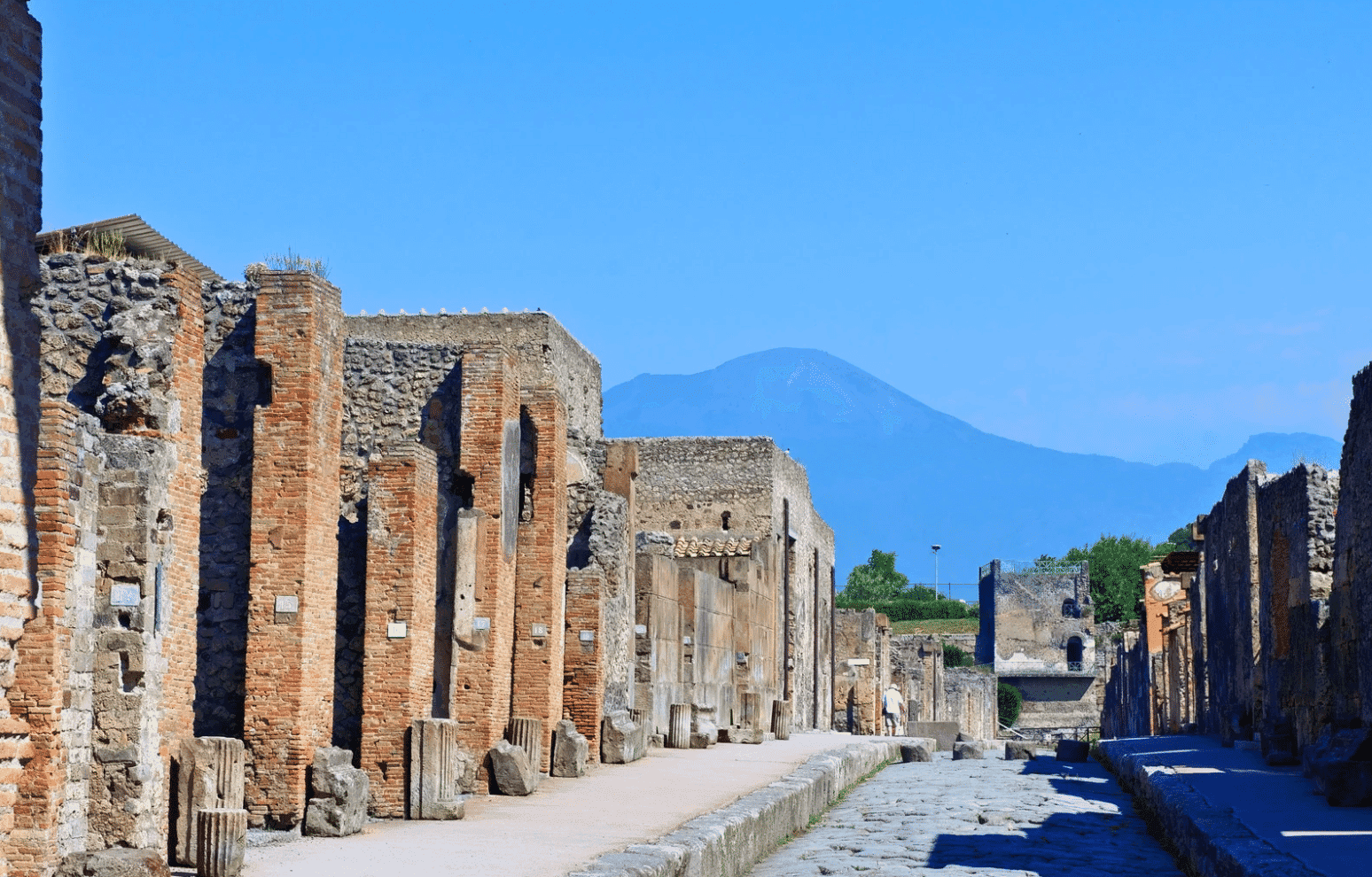
Die Piazza Navona liegt im dichten, zu Fuß erreichbaren Herzen von Roms centro storico, einen einfachen 5-minütigen Fußweg vom Pantheon und weitere 5 Minuten vom Campo de' Fiori entfernt, was es mühelos macht, sie in eine einzige Nachmittagsroute einzubauen. Eine geführte Rom-Stadtwandertour, die das Pantheon, den Trevi-Brunnen, und das historische Zentrum abdeckt, führt typischerweise direkt durch die Piazza Navona und setzt Berninis Brunnen und die zugrunde liegende Stadion-Geschichte unterwegs in Kontext.
Es gibt keine Metrostation direkt am Platz, was Teil des Grundes ist, warum er ein etwas ruhigeres, lokaleres Gefühl bewahrt als Sehenswürdigkeiten mit direktem U-Bahn-Zugang, die nächstgelegenen Haltestellen (Spagna oder Barberini auf Linie A) erfordern immer noch einen 15-20-minütigen Fußweg, was bedeutet, dass die meisten Besucher zu Fuß von anderswo im historischen Zentrum ankommen, statt direkt aus dem Untergrund in die Menschenmengen zu treten.

Navona im Vergleich zu Roms anderen großen Plätzen
Reisende, die einen Tag mit mehreren Plätzen planen, wollen oft wissen, wie Navona im Vergleich zur Piazza di Spagna oder Piazza del Popolo abschneidet. Die ehrliche Antwort ist, dass jeder Platz etwas anderes bietet: Bei der Piazza di Spagna geht es um die Treppe und die Aussicht von oben; bei der Piazza del Popolo geht es um Größe und Symmetrie; bei Navona geht es um Textur, drei unterschiedliche Brunnen, ein begrabenes Stadion, zwei konkurrierende Barockarchitekten, und einen täglichen Rhythmus des Straßenlebens, den die anderen Plätze, die eher für Zeremonien als für den Alltagsgebrauch gebaut wurden, nie ganz entwickelten. Wenn Sie nur Zeit für einen Platz jenseits der offensichtlichen Hauptattraktionen haben, belohnt Navona im Allgemeinen ein längeres Verweilen mehr als jeder der anderen, gerade weil es mehr geschichtete Details zu bemerken gibt, je länger Sie bleiben.
Was die unterirdische Stadion-Führung Ihnen tatsächlich zeigt
Die archäologische Stätte des Stadions des Domitian, betreten über eine bescheidene Tür am nördlichen Ende des Platzes, führt etwa fünf Meter unter den modernen Platz hinab zu Wegen, die durch original Backsteingewölbe, Sitz-Unterbau, und Korridore führen, die einst Tausende von Zuschauern zu ihren Plätzen leiteten. Multimedia-Projektionen und rekonstruierte Modelle helfen dabei, sich vorzustellen, wie das Stadion im Betrieb aussah, und der Kontrast zwischen den dunklen, kühlen Steinkorridoren unten und dem sonnigen, geschäftigen Platz direkt darüber ist eine der eindrucksvollsten Vorher-Nachher-Erfahrungen, die irgendwo in Rom verfügbar sind. Sie wird durchweg übersehen, einfach weil nichts an der Oberfläche des Platzes verrät, dass sich direkt unter dem Kopfsteinpflaster eine erhebliche römische Struktur befindet.
Tickets werden vor Ort oder online verkauft und lassen sich typischerweise gut mit einem Besuch kombinieren, der kurz vor oder nach dem Bummeln über den Platz selbst geplant ist, da sich der Eingang nur wenige Schritte von Berninis Brunnen entfernt befindet. Die Besuchsdauer beträgt 30-45 Minuten einschließlich der Multimedia-Präsentation.
Häufig gestellte Fragen
Ist die Bernini-Borromini-Rivalität an diesem Brunnen real?+
Die persönliche Rivalität zwischen den beiden Architekten war echt und anderswo in Rom gut dokumentiert, aber die spezifische Legende über die verhüllte Nil-Figur, die es vermeidet, Borrominis Kirchenfassade anzusehen, hält chronologisch nicht stand, das Design des Brunnens geht der Fassade voraus. Behandeln Sie sie eher als charmanten Mythos denn als Geschichte.
Was ist die beste Tageszeit für einen Besuch?+
Der frühe Morgen bietet die ruhigsten Ausblicke auf die Brunnen ohne Menschenmengen. Der Abend bringt die lebendigste Atmosphäre, mit beleuchteten Brunnen und aktiven Straßenkünstlern.
Kann man in den Brunnen schwimmen oder waten?+
Nein, das Betreten eines der Brunnen ist verboten und kann zu Bußgeldern führen, wie bei allen historischen Brunnen Roms. Bewundern Sie sie stattdessen vom umgebenden Pflaster aus.
Gibt es eine Gebühr für das Fotografieren der Brunnen?+
Nein, das Fotografieren ist kostenlos und uneingeschränkt für den persönlichen Gebrauch. Kommerzielle Aufnahmen mit Ausrüstung wie Stativen oder Beleuchtungsanlagen erfordern möglicherweise separate städtische Genehmigungen.
Palazzo Pamphilj und der päpstliche Mäzen des Platzes
Den westlichen Rand des Platzes säumt der Palazzo Pamphilj, erbaut für die Familie von Papst Innozenz X. und direkt damit verbunden, warum der Vier-Flüsse-Brunnen so aussieht, wie er aussieht, Innozenz X. gab den Brunnen speziell in Auftrag, um sein Pontifikat und den Status seiner Familie zu verherrlichen, und wählte Bernini, obwohl der Bildhauer beim vorherigen Papst etwas in Ungnade gefallen war. Die große Galerie des Palazzo, von Pietro da Cortona mit Fresken versehen, beherbergt heute die brasilianische Botschaft, was ihn zu einem von mehreren Navona zugewandten Gebäuden macht, die noch immer aktive diplomatische Funktionen erfüllen, Jahrhunderte nach ihrem Bau. Der Brunnen und der Palast bildeten zusammen ein koordiniertes Stück päpstlicher Imagebildung, entworfen, um zusammen vom Platz unten aus gesehen und bewundert zu werden, eine Erinnerung daran, dass selbst Roms gefeiertste öffentliche Kunst oft sehr bewusste politische Zwecke für diejenigen erfüllte, die dafür bezahlten.
Straßenleben und der moderne Rhythmus des Platzes
Die heutige Piazza Navona läuft nach einem Rhythmus, der von Jahrhunderten der Gewohnheit geprägt ist: Morgens ist es relativ ruhig, mit Einheimischen, die auf dem Weg zur Arbeit durchqueren, und einer Handvoll früher Jogger, die das Oval umkreisen; am frühen Nachmittag füllen Reisegruppen, Straßenkünstler, und Souvenirverkäufer den Raum; am Abend wird der Platz zu einem echten sozialen Zentrum, wobei sich Römer und Besucher gleichermaßen auf die Brunnenstufen setzen (wo Sitzen weiterhin erlaubt ist, anders als bei der Spanischen Treppe), um zuzusehen, wie die Lichter an der Fassade von Sant'Agnese angehen. Der Dezember verwandelt ihn erneut, mit einem langjährigen Weihnachtsmarkt aus Holzständen, Karussellfahrten, und Verkäufern gerösteter Kastanien, der hier in verschiedenen Formen seit weit über einem Jahrhundert läuft und auf ältere Dreikönigsmärkte zurückgeht, die einst auf demselben Grund abgehalten wurden.
Straßenkarikaturisten arbeiten seit Generationen auf dem Platz, und eine Handvoll lange etablierter Namen sind noch immer auf Fotografien erkennbar, die Jahrzehnte auseinanderliegen, und geben ihren Standplatz und Ruf fast wie eine Handwerksgilde weiter, eine der stilleren, menschlicheren Kontinuitäten, die unter all der barocken Pracht verlaufen.
Warum die ovale Form wichtig ist
Es ist leicht, die Piazza Navona rein als hübschen, fotogenen Platz zu durchqueren und den geschichteten Punkt völlig zu verpassen: diese charakteristische ovale Form ist nicht dekorativ, sie ist archäologisch. Nur wenige öffentliche Räume irgendwo bewahren den exakten Grundriss einer fast zweitausend Jahre verschwundenen Struktur so originalgetreu, einfach weil spätere Bauherren es einfacher fanden, auf solidem römischem Mauerwerk zu bauen, als es abzutragen. Stehen Sie an einem der beiden gekrümmten Enden des Platzes, und Sie stehen genau dort, wo Domitians Zuschauer einst griechische Fußrennen bejubelten, ein Detail, das einen abendlichen Spaziergang an Gelato-Ständen vorbei in etwas verwandelt, das eher einem Spaziergang durch ein begrabenes Stadion gleicht.
Dieses Gefühl, auf begrabenen Schichten statt auf einer flachen, einepochigen Oberfläche zu stehen, ist in vielerlei Hinsicht die prägende Erfahrung des Zentrums Roms im Allgemeinen, und die Piazza Navona macht es zufällig ungewöhnlich lesbar: die Krümmung unter Ihren Füßen, die Brunnen darüber, und die sie einrahmenden Kirchen gehören alle sichtbar zu verschiedenen Jahrhunderten, gestapelt, ohne einander auszulöschen. Nur wenige Städte irgendwo lassen Sie so viel Geschichte lesen, indem Sie einfach die Form des Bodens bemerken, auf dem Sie stehen.
Kommen Sie wegen der Brunnen, wenn Sie das hierhergebracht hat, aber bleiben Sie lange genug, um die Krümmung der Gebäude um Sie herum zu bemerken, und Sie werden mit einem weit reicheren Verständnis des Platzes weggehen, als die meisten Reiseführer sich die Mühe machen zu erklären.
Egal zu welcher Tageszeit Sie ankommen, gönnen Sie sich hier mindestens zwanzig ungehetzte Minuten, statt sie als schnellen Fotostopp zwischen größeren Sehenswürdigkeiten zu behandeln, Navona belohnt Geduld mehr als fast jeder andere Platz im Zentrum Roms.
Verfasst von
Get Your Roman Tours Team
Wir sind ein lizenzierter Reiseveranstalter mit Sitz in Rom (Get Your Roman Tours S.R.L.S.). Unsere Guides führen jede Woche Touren an diesen Orten — alles hier stammt aus eigener Erfahrung. Über uns · Fragen Sie uns