Piazza di Spagna und die Spanische Treppe: Roms Große Freitreppe
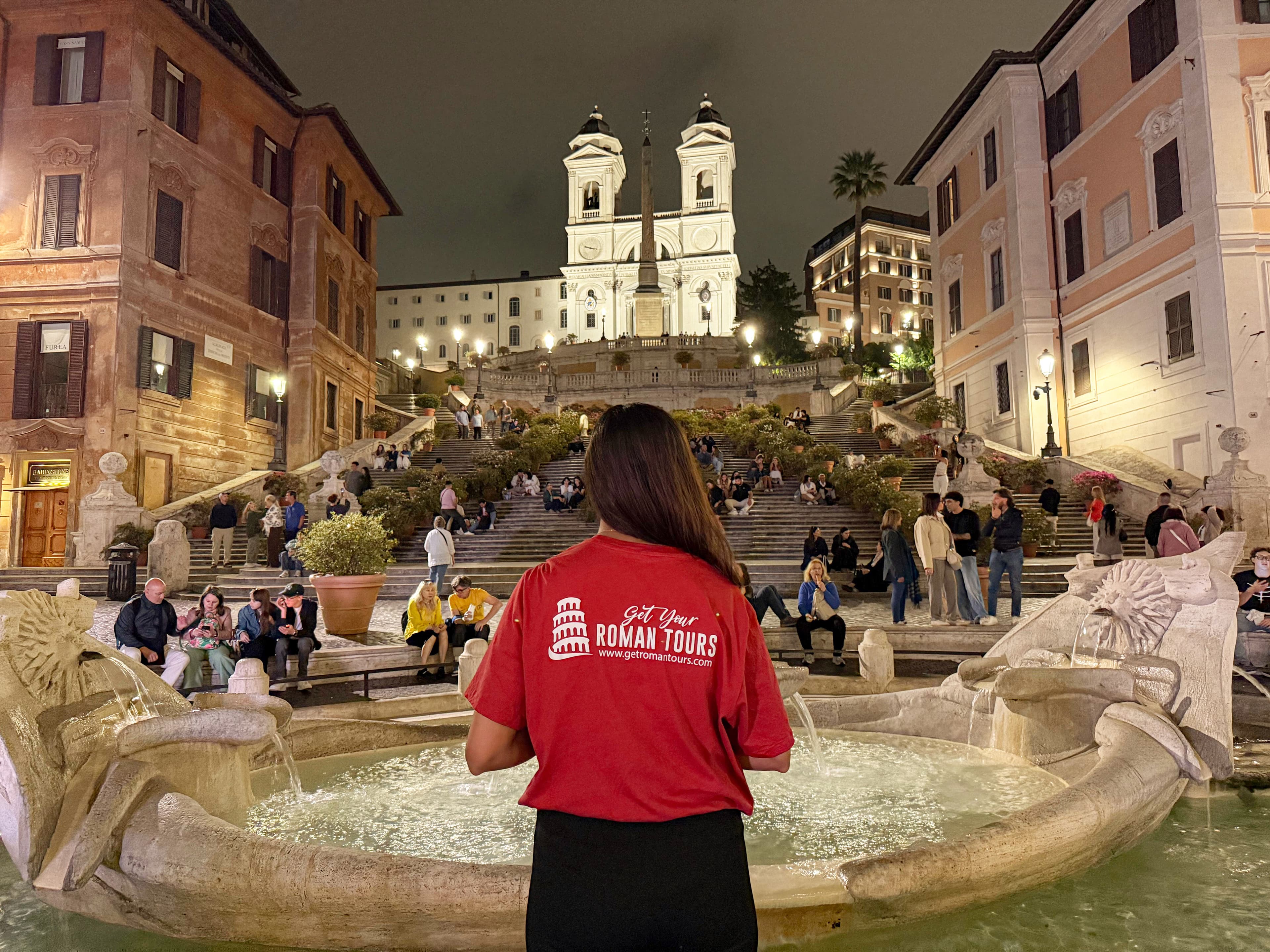
Die Spanische Treppe ist auf dem Papier nur eine Treppe, 135 Travertinstufen, die von der Piazza di Spagna hinauf zur Kirche Trinità dei Monti führen. In der Praxis ist sie eine von Roms großen sozialen Bühnen: eine schwungvolle, schmetterlingsförmige Kaskade, wo sich Generationen von Künstlern, Dichtern, Aristokraten, und heute Instagram-Reisenden versammelt haben, um zu sitzen, Leute zu beobachten, und über die Dächer des schicksten Einkaufsviertels der Stadt zu blicken. Die Treppe ist auch, verwirrenderweise, überhaupt nicht spanisch, eine Namensgebungs-Kuriosität, die viel darüber aussagt, wie die europäische Diplomatie des 18. Jahrhunderts tatsächlich funktionierte.
Warum sie „spanisch" heißt, obwohl die Franzosen dafür bezahlten
Der Platz an der Basis, die Piazza di Spagna, verdankt ihren Namen der spanischen Botschaft beim Heiligen Stuhl, die seit dem 17. Jahrhundert auf dem Platz steht. Die Treppe selbst wurde jedoch hauptsächlich durch ein Vermächtnis eines französischen Diplomaten, Étienne Gueffier, in Auftrag gegeben und finanziert, speziell um den unten liegenden Platz mit der französisch kontrollierten Kirche Trinità dei Monti auf dem Gipfel des Hügels zu verbinden. Der Bau erfolgte von 1723 bis 1726 unter dem Architekten Francesco de Sanctis, der nach einem Wettbewerb unter mehreren Vorschlägen ausgewählt wurde, einschließlich eines Jahrzehnte zuvor von Bernini eingereichten, der nie gebaut wurde.
Das Ergebnis ist ein bewusst diplomatisches Stück Stadtplanung: ein spanisch benannter Platz, französisch finanzierte Treppen, die zu einer französischen Kirche führen, gebaut von einem italienischen Architekten, mitten in Rom. Nur wenige Denkmäler irgendwo erfassen die europäische Machtpolitik des 18. Jahrhunderts so wörtlich in physischer Form.
Die Fontana della Barcaccia am Fuß der Treppe
Am Fuß der Treppe befindet sich die niedrige, bootsförmige Fontana della Barcaccia („Brunnen des hässlichen Bootes"), erbaut zwischen 1626 und 1629, allgemein Pietro Bernini zugeschrieben mit Beiträgen seines weitaus berühmteren Sohnes Gian Lorenzo. Ihr ungewöhnliches, gesunkenes, halb untergetauchtes Bootsdesign wird weithin durch den notorisch niedrigen Wasserdruck Roms in diesem Teil der Stadt zu jener Zeit erklärt, statt für einen dramatischen hohen Wasserstrahl zu kämpfen, entwarfen die Berninis einen Brunnen, der elegant mit schwachem Druck funktionierte statt dagegen. Eine anhaltende Legende schreibt das Design auch der Erinnerung an ein Boot zu, das nach einer großen Tiberflut im Jahr 1598 auf dem Platz gestrandet war, obwohl diese Geschichte, wie viele römische Brunnenlegenden, unmöglich zu verifizieren und wahrscheinlich im Nachhinein ausgeschmückt ist.
Der Aufstieg zur Trinità dei Monti
An der Spitze der Treppe steht die zweitürmige Kirche Trinità dei Monti, erbaut unter französischer königlicher Schirmherrschaft ab dem 16. Jahrhundert und noch heute mit starken französischen Verbindungen verwaltet. Der Aufstieg belohnt Besucher mit einem der besten kostenlosen Panoramablicke im Zentrum Roms, zurückblickend die Treppe hinunter zum Obelisken unten und über die Dächer hinweg zur Kuppel der Petersbasilika in der Ferne. Der auf halber Höhe der Treppe stehende Obelisk, der Sallustianische Obelisk, ist eine Kopie ägyptischer Originale aus römischer Zeit, 1789 an diese Stelle versetzt, eine relativ späte Ergänzung im Vergleich zur Treppe selbst.
Keats, Casanova, und ein Künstlerviertel
Für einen Großteil des 18. und 19. Jahrhunderts waren die Straßen rund um die Piazza di Spagna das Herz von Roms ausländischer Künstlerkolonie, so sehr, dass das Gebiet informell als das „Englische Ghetto" bekannt wurde, wegen seiner Konzentration britischer und anderer expatriierter Schriftsteller, Maler, und angehender Grand-Tour-Reisender. Der englische romantische Dichter John Keats verbrachte seine letzten Monate in einer kleinen Wohnung direkt neben der Treppe, in dem, was heute das Keats-Shelley-Gedenkhaus ist, ein kleines Museum, das ihm und dem Dichterkollegen Percy Shelley gewidmet ist. Keats starb dort 1821 im Alter von nur 25 Jahren, und das Haus bleibt ein eindrucksvoller, weniger besuchter Stopp für literarisch interessierte Reisende, in scharfem Kontrast zum modernen Ruf der Treppe als Einkaufs- und Selfie-Ziel.
Dasselbe Viertel zog einst so unterschiedliche Persönlichkeiten wie den Maler J.M.W. Turner an und, laut anhaltender lokaler Überlieferung, den berüchtigten Giacomo Casanova während seiner Reisen durch Italien, ein Zeugnis dafür, wie zentral dieser kleine Fleck Roms für das europäische Kulturleben über weit mehr als ein Jahrhundert war.
Einkaufsstraßen am Fuß der Treppe
Die Piazza di Spagna liegt am Kopf der Via dei Condotti, Roms führender Luxus-Einkaufsstraße, gesäumt von Flagship-Stores der berühmtesten italienischen Modehäuser neben historischen Institutionen wie dem Caffè Greco, einem seit 1760 betriebenen Kaffeehaus, das einst Goethe, Byron, und Liszt zu seinen Stammgästen zählte. Die umliegenden Straßen (Via Frattina, Via del Babuino, Via Borgognona) bilden eines der am dichtesten konzentrierten gehobenen Einkaufsviertel Europas, was bedeutet, dass ein Besuch der Treppe sich natürlich auch als Spaziergang durch Roms modischstes Einzelhandelsviertel verdoppelt, unabhängig davon, ob Einkaufen auf dem Programm steht.
Das Sitzverbot von 2019, und warum es existiert
Seit 2019 ist das Sitzen auf der Spanischen Treppe offiziell verboten und wird mit Bußgeldern geahndet, eine Änderung, die nach Jahren von Schäden durch Menschenmengen eingeführt wurde, die auf dem historischen Travertin aßen, tranken, und Müll hinterließen. Die Regel überrascht viele Besucher, die sich an Generationen von Touristen erinnern (oder Fotos davon gesehen haben), die auf der Treppe lagerten, und sie bleibt ein Punkt milder lokaler Kontroverse, aber sie spiegelt ein breiteres, stadtweites Muster wider, in dem Rom die Regeln um seine zerbrechlichsten Denkmäler herum verschärft, während die Besucherzahlen in den Jahren vor und nach der Pandemie stiegen. Besucher können die Treppe weiterhin frei begehen; nur längeres Sitzen und Essen sind eingeschränkt.
Das Sitzen auf der Spanischen Treppe ist verboten und kann zu einem Bußgeld vor Ort führen. Sie können frei auf- und absteigen, aber planen Sie, eine Café-Terrasse oder eine nahegelegene Bank zu finden, wenn Sie sitzen und sich ausruhen möchten.

Warum die Treppe überhaupt an einem Hang gebaut wurde
Roms Hügel sind Teil des Grundes, warum Treppen wie diese überhaupt existieren. Die Kirche Trinità dei Monti liegt auf dem Gipfel des Pincio-Hügels, einem der sieben traditionellen Hügel der Stadt, und bevor die Treppe gebaut wurde, war der einzige Weg nach oben ein steiler, unbefestigter Erdpfad, der bei nassem Wetter tückisch wurde. Die der Kirche angeschlossene französische Ordensgemeinschaft hatte jahrzehntelang für eine angemessene, würdevolle Treppe gedrängt, bevor die Finanzierung in den 1720er Jahren endlich zustande kam, dieselbe Art von städtebaulicher Problemlösung, die anderswo in Rom sichtbar ist, wo aufeinanderfolgende Päpste und Mäzene informelle mittelalterliche Pfade allmählich durch monumentale, prozessionale Routen ersetzten, die sowohl funktional als auch beeindruckend sein sollten.
Praktische Besuchsinformationen
-
Die Treppe und der Platz sind kostenlos und 24 Stunden geöffnet, ohne dass ein Ticket erforderlich ist
-
Vermeiden Sie es, direkt auf den Stufen zu sitzen, Bußgelder werden von der örtlichen Polizei aktiv durchgesetzt
-
Besuchen Sie früh am Morgen oder nach Sonnenuntergang für die besten Fotos ohne dichte Menschenmengen
-
Kombinieren Sie mit dem nahegelegenen Trevi-Brunnen, 10 Gehminuten entfernt, für eine effiziente Besichtigungsroute
-
Das Keats-Shelley-Haus, direkt neben der Treppe, ist ein kleines, ruhiges Museum mit Eintrittskarte, das für literarisch interessierte Besucher 20-30 Minuten wert ist
Popular tours & tickets
Anreise und Umgebung
Die Piazza di Spagna hat ihre eigene Metrostation (Spagna, Linie A), was sie zu einer der am leichtesten direkt mit öffentlichen Verkehrsmitteln erreichbaren großen Sehenswürdigkeiten Roms macht. Sie ist etwa 10 Gehminuten vom Trevi-Brunnen und 15-20 Minuten vom Pantheon entfernt und fügt sich natürlich in eine Halbtagesroute durch Roms elegantesten zentralen Viertel ein. Eine geführte Rom-Wandertour, die das historische Zentrum abdeckt, umfasst oft diesen Abschnitt und kombiniert die Treppe mit dem Trevi-Brunnen und dem Pantheon in einem einzigen Ausflug.
Die Villa Medici, ein Stück den Hügel hinauf hinter Trinità dei Monti, bietet eine weitere ruhige, oft übersehene Erweiterung eines Besuchs, eine Renaissance-Villa mit formalen Gärten und gelegentlichen Kunstausstellungen, nur wenige Gehminuten jenseits der Menschenmengen an der Spitze der Treppe, für Reisende, die eine ruhigere Fortsetzung zum Trubel unten wünschen.
Wie die Treppe sich mit Roms anderen großen Freitreppen vergleicht
Rom hat mehrere monumentale Treppen, aber nur wenige tragen dieselbe Kombination aus Größe, Ruhm, und geschichteter Geschichte wie die Spanische Treppe. Die große Freitreppe zur Santa Maria Maggiore ist an manchen Stellen höher, aber weit weniger besucht; die Cordonata-Rampe auf dem Kapitolshügel, ebenfalls anderswo auf dieser Seite besprochen, wurde für Prozessionen zu Pferd statt für beiläufiges Verweilen entworfen. Was die Spanische Treppe auszeichnet, ist genau, dass sie nie rein funktional oder rein zeremoniell war, sie wurde gebaut, um ein sozialer Raum aus eigenem Recht zu sein, ein Ort, an dem man gesehen wird, ebenso wie ein Ort zum Durchqueren, und dieser doppelte Zweck ist genau der Grund, warum sie fast drei Jahrhunderte später immer noch die Menschenmengen anzieht, die sie anzieht.
Häufig gestellte Fragen
Kann man überhaupt noch auf der Spanischen Treppe sitzen?+
Nein, das Sitzen irgendwo auf der Treppe ist seit 2019 verboten und wird aktiv mit Bußgeldern belegt. Sie können frei auf- und absteigen, aber planen Sie stattdessen, sich an einer nahegelegenen Café-Terrasse oder Bank auszuruhen.
Warum heißt sie „spanisch", wenn die Franzosen dafür bezahlten?+
Der Platz an der Basis verdankt seinen Namen der seit langem bestehenden spanischen Botschaft beim Heiligen Stuhl auf dem Platz, obwohl die Treppe selbst hauptsächlich durch ein französisches Vermächtnis finanziert wurde, um den Platz mit einer von Franzosen verwalteten Kirche oben zu verbinden.
Ist der Trevi-Brunnen zu Fuß erreichbar?+
Ja, es sind etwa 10 Gehminuten, was die beiden Sehenswürdigkeiten zu einer einfachen Kombination für einen einzigen Ausflug macht.
Gibt es eine Eintrittsgebühr für die Treppe selbst?+
Nein, die Treppe und der Platz sind völlig kostenlos und rund um die Uhr geöffnet. Nur das Keats-Shelley-Haus-Museum neben der Treppe erfordert ein Ticket.
Ist der Obelisk auf der Treppe altägyptisch?+
Es ist ein authentischer Obelisk römischer Herstellung, gefertigt in Nachahmung ägyptischer Originale, kein importiertes ägyptisches Artefakt selbst, 1789 von anderswo in Rom an seine heutige Position versetzt.
Was ist der beste Monat, um die Azaleen-Ausstellung zu sehen?+
Ende April bis Anfang Mai bietet typischerweise die vollste Blüte, obwohl sich der genaue Zeitpunkt von Jahr zu Jahr je nach Wetter leicht verschiebt.
Gibt es einen besseren Aussichtspunkt als oben an der Treppe zu stehen?+
Die Terrasse direkt vor Trinità dei Monti bietet denselben Panoramablick, ohne den belebtesten, meistfotografierten zentralen Abschnitt der Treppe navigieren zu müssen, was sie zu einem etwas ruhigeren Ort macht, um dieselbe Aussicht zu genießen.
Ein Platz, der für Diplomatie gebaut wurde, nicht für Andacht
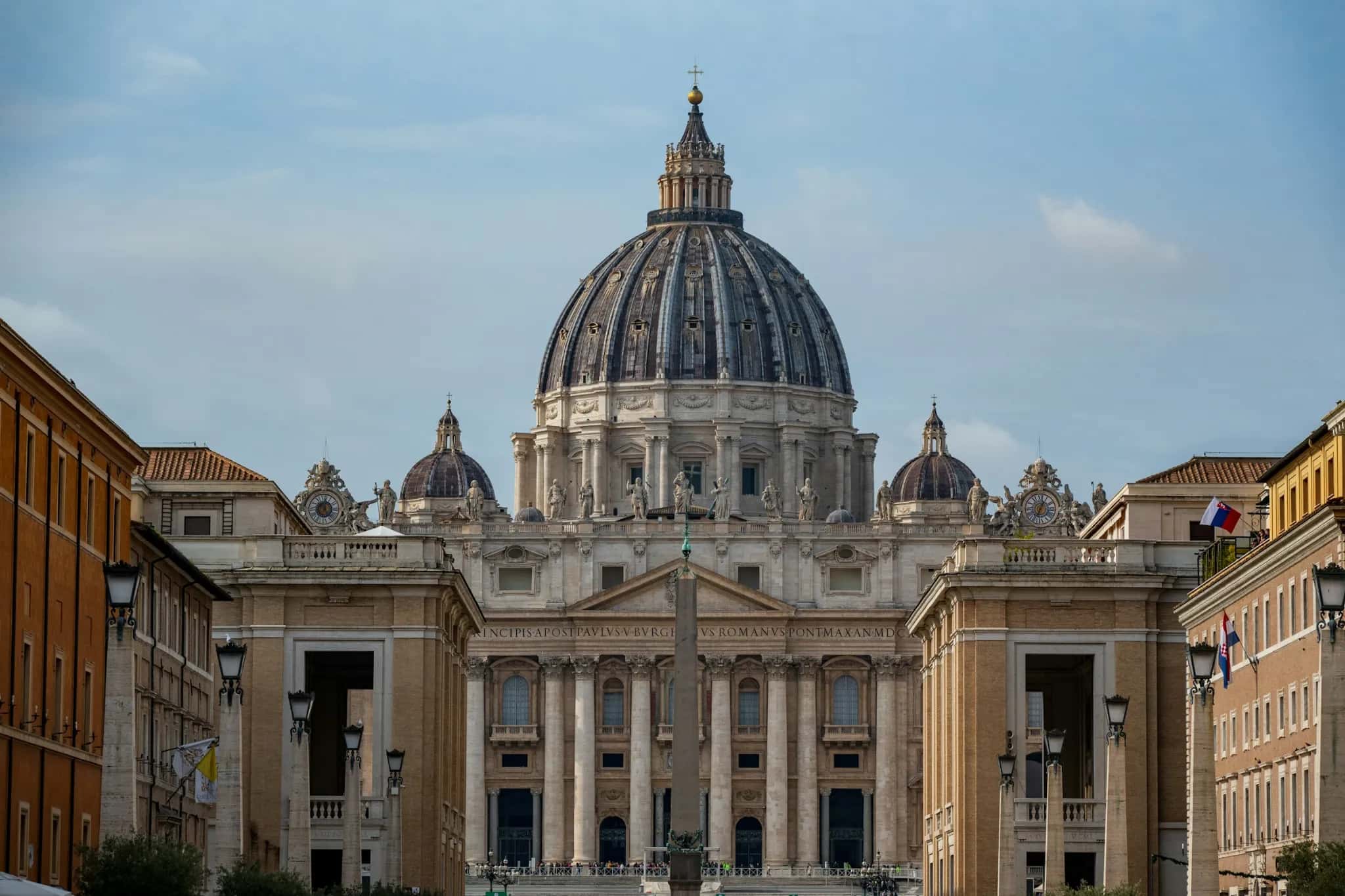
Es lohnt sich, die Piazza di Spagna mit Plätzen zu kontrastieren, die hauptsächlich für religiöse Zwecke gebaut wurden, wie die Piazza San Pietro. Bei der Spanischen Treppe ging es nie um Prozessionen zu einer Kirchentür in der Art, wie der Petersplatz entworfen wurde, um Pilger zur Basilika zu leiten, Trinità dei Monti war, obwohl eine echte funktionierende Kirche, immer der diplomatischen und sozialen Funktion des darunterliegenden Platzes untergeordnet. Diese Unterscheidung erklärt, warum die Atmosphäre hier immer eher zu Mode, Kunst, und Freizeit als zu Wallfahrt tendierte, und warum sich das umliegende Viertel zu einem Einkaufs- und Kulturviertel statt zu einem religiösen entwickelte.
Dieser weltliche, gesellige Charakter ist genau der Grund, warum die Treppe auch heute noch, selbst mit den Sitzbeschränkungen, so gut als öffentlicher Raum funktioniert: sie wurde von Anfang an entworfen, damit Menschen einander und die Aussicht betrachten, nicht um Menschenmengen zu einem einzigen heiligen Ziel zu leiten, und dieser ursprüngliche Zweck prägt immer noch, wie der Raum fast drei Jahrhunderte später genutzt wird. Es erklärt auch, warum die Treppe schon immer etwas außerhalb von Roms feierlicherem Pilgerkreislauf lag und ihre eigene leichtere, weltlichere Nische in der Identität der Stadt einnahm.
Kombinieren Sie einen Besuch hier mit einem Halt am Trevi-Brunnen und den umliegenden Einkaufsstraßen, und Sie werden einen der konzentriertesten Abschnitte des eleganten, romantisierten Roms abgedeckt haben, das die Stadt zu bieten hat, alles innerhalb einer bequemen Halbtages-Wanderroute, ohne dass für irgendetwas davon Tickets im Voraus erforderlich sind.
Ein kurzer historischer Rückblick, falls Sie wenig Zeit haben
- Römische Zeit: das Gebiet ist unerschlossenes Land außerhalb des dichtesten Kerns der antiken Stadt
- 16.-17. Jahrhundert: die spanische Botschaft etabliert sich auf dem darunterliegenden Platz und gibt dem Platz seinen bleibenden Namen
- 1723-1726: die Treppe wird unter Francesco de Sanctis gebaut, hauptsächlich durch ein französisches Vermächtnis finanziert
- 1789: der Sallustianische Obelisk wird auf halber Höhe der Treppe installiert
- 1818-1820: John Keats lebt und stirbt in einer Wohnung neben der Treppe
- 20. Jahrhundert: die Treppe und die umliegenden Straßen werden zu einem globalen Symbol des romantisierten, filmischen Roms
- 2019: ein Sitzverbot wird eingeführt und mit Bußgeldern durchgesetzt, um den historischen Travertin zu schützen
Diese Zeitachse von Anfang bis Ende zu lesen, lässt die Treppe weniger wie ein einzelnes statisches Denkmal und mehr wie eine sich kontinuierlich entwickelnde Bühne erscheinen, die etwa einmal pro Jahrhundert neue Bedeutungsschichten annimmt, ohne jemals ihren ursprünglichen diplomatischen und sozialen Zweck zu verlieren. Nur wenige Treppen irgendwo haben es geschafft, so beständig, so lange relevant zu bleiben. Was auch immer Sie hierher bringt (die Aussicht, das Einkaufen, die literarische Geschichte, oder einfach das Foto, das jeder macht) Sie stehen auf einem Stück Stadtplanung, das speziell dafür gebaut wurde, gelebt und betrachtet zu werden, genau wie vor fast drei Jahrhunderten beabsichtigt. Nur wenige Treppen irgendwo können eine derart dauerhafte Erfolgsbilanz für sich beanspruchen.
Einkaufen und Leute beobachten an der Basis
Selbst Reisende ohne Interesse an Luxusmode genießen tendenziell einen langsamen Spaziergang die Via dei Condotti hinunter von der Treppe aus, und sei es nur, um an Flagship-Boutiquen vorbei zu fensterln, die in jahrhundertealten Gebäuden untergebracht sind, ihre modernen Innenräume verborgen hinter historischen Fassaden, die die Denkmalschutzregeln der Stadt Einzelhändlern vorschreiben zu erhalten. Das Caffè Greco, direkt an der Straße, ist einen Kaffeestopp wert, rein wegen seines Interieurs aus dem 18. Jahrhundert, verblasster Porträts, samtener Sitzgelegenheiten, und eines Gästebuchs historischer Stammgäste, das sich wie ein Lehrplan der europäischen Romantik liest. Nur wenige Luxus-Einkaufsstraßen irgendwo verbinden den Einzelhandel mit so viel literarischer und künstlerischer Geschichte, die in die Gebäude selbst eingewoben ist.
Der Platz am Fuß der Treppe beherbergt auch jeden Frühling die jährliche Blumenausstellung der Spanischen Treppe, wenn die Treppe mit Hunderten von Topf-Azaleen geschmückt wird, in einer Tradition, die bis in die Mitte des 20. Jahrhunderts zurückreicht, eines der am meisten fotografierten saisonalen Ereignisse der Stadt, das Menschenmengen speziell wegen der bunten Ausstellung anzieht statt wegen der darunterliegenden Architektur. Einen Besuch für Ende April oder Anfang Mai zu planen, wenn die Azaleen typischerweise in voller Blüte stehen, fügt einer bereits bekannten Sehenswürdigkeit eine auffällige, sehr vorübergehende Schicht hinzu.
Die Spanische Treppe im Film und in der Popkultur
Nur wenige Treppen irgendwo sind so oft auf der Leinwand erschienen wie diese. Die Treppe spielt in zahlreichen Filmen eine herausragende Rolle, am berühmtesten in Szenen, die die romantische, sonnendurchflutete Version Roms heraufbeschwören, die das Nachkriegskino in die ganze Welt exportierte, und festigte den Ruf des Ortes als Kulisse für elegante Spaziergänge und zufällige Begegnungen, lange bevor die Smartphone-Fotografie jeden Besucher zu seinem eigenen Regisseur machte. Dieser filmische Ruf ist Teil des Grundes, warum die Treppe heute so entschlossene Menschenmengen anzieht, viele Besucher kommen mit einem bestimmten Foto im Kopf an, geerbt von Jahrzehnten der Film- und Reisefotografie, statt einem besonderen Interesse an der Diplomatie der Bourbonen-Ära oder dem Design barocker Brunnen.
Ein letztes Detail, das sich zu wissen lohnt
Es lohnt sich, sich am Fuß der Treppe stehend daran zu erinnern, dass dies nie als Touristendenkmal gedacht war, wie es beim Kolosseum oder Pantheon der Fall war, es ist ein Stück diplomatischer Stadtplanung aus dem 18. Jahrhundert, das zufällig eine der meistfotografierten Treppen der Erde wurde. Die Mischung aus französischer Finanzierung, spanischer Namensgebung, englischen Dichtern, und italienischen Modehäusern, geschichtet auf einem kleinen Platz, erfasst etwas wirklich Unverwechselbares an Rom: sogar seine „nur eine hübsche Kulisse"-Sehenswürdigkeiten haben meist eine weitaus seltsamere Geschichte direkt unter der Oberfläche.
Verfasst von
Get Your Roman Tours Team
Wir sind ein lizenzierter Reiseveranstalter mit Sitz in Rom (Get Your Roman Tours S.R.L.S.). Unsere Guides führen jede Woche Touren an diesen Orten — alles hier stammt aus eigener Erfahrung. Über uns · Fragen Sie uns