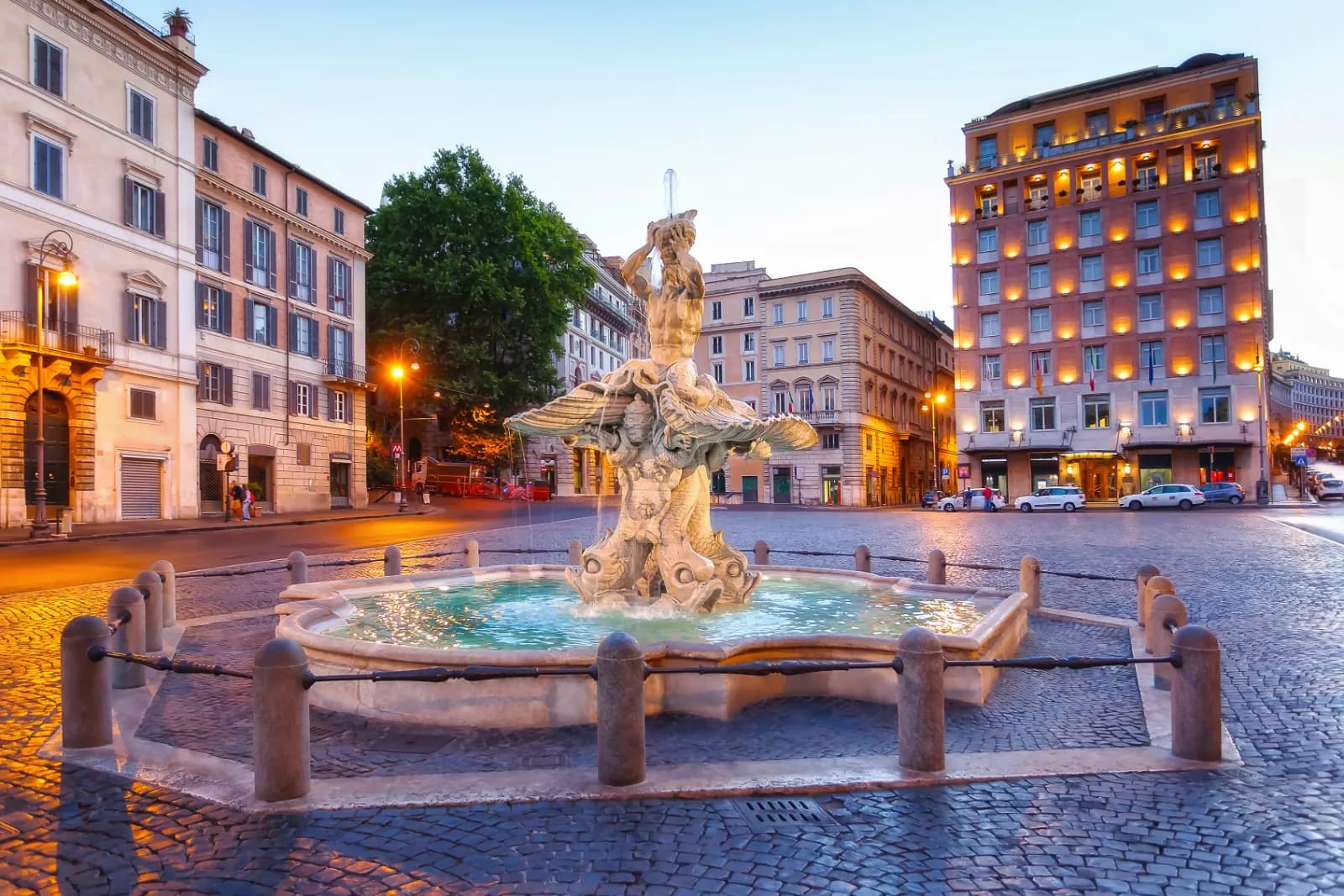
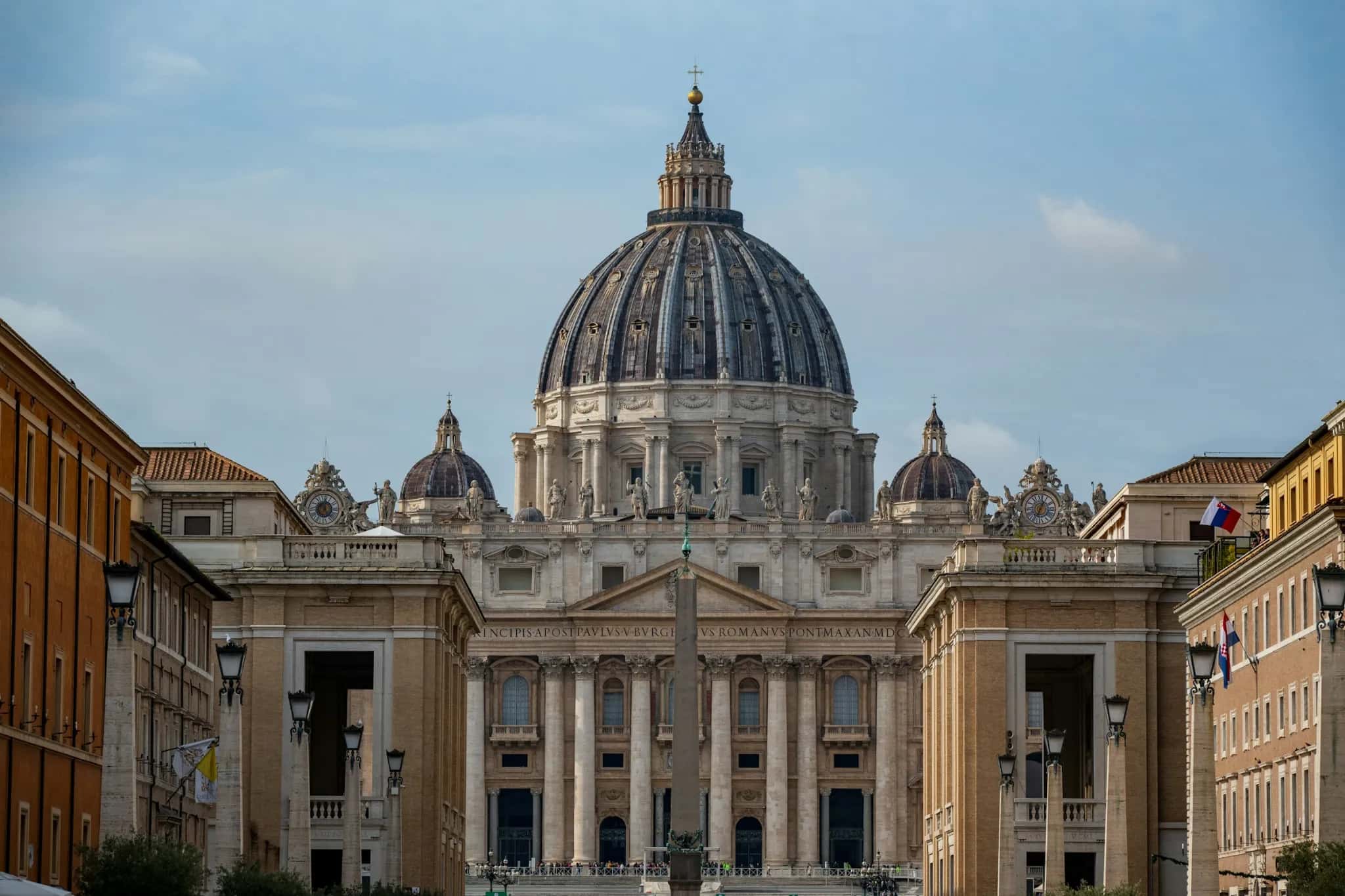
Piazza della Repubblica Rom: Die Nymphenbrunnen, was in der Nähe zu sehen ist und wie man sie 2026 besucht
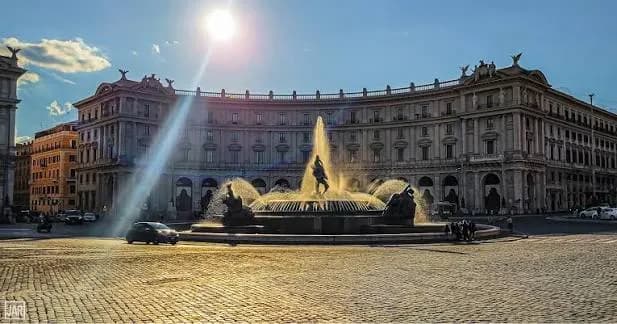
Die meisten Leute entdecken die Piazza della Repubblica in Rom zufällig. Sie kommen aus dem Bahnhof Termini, folgen der Via Nazionale und stehen plötzlich auf einem riesigen Halbkreis von arkadengeschmückten Palästen mit vier Bronzefrauen und einem riesigen Wasserstrahl in der Mitte. Dann machen sie ein Foto und gehen wieder. Das ist der Fehler. Dieser Platz ist einer der wenigen Orte in Rom, an denen Sie sich innerhalb von etwa 200 Metern voneinander in einer antiken römischen Ruine, einer Michelangelo-Kirche und einem Stück öffentlicher Kunst aus den 1900er Jahren befinden können, und das fast alles kostenlos.
Unsere Reiseexperten führen jede Woche Touren von diesem Teil Roms aus. Unten finden Sie, was der Platz tatsächlich enthält, die realen Preise für 2026 der Ticket-Attraktionen in seiner Umgebung, die Gehwege und die praktischen Regeln, die Besucher überraschen.
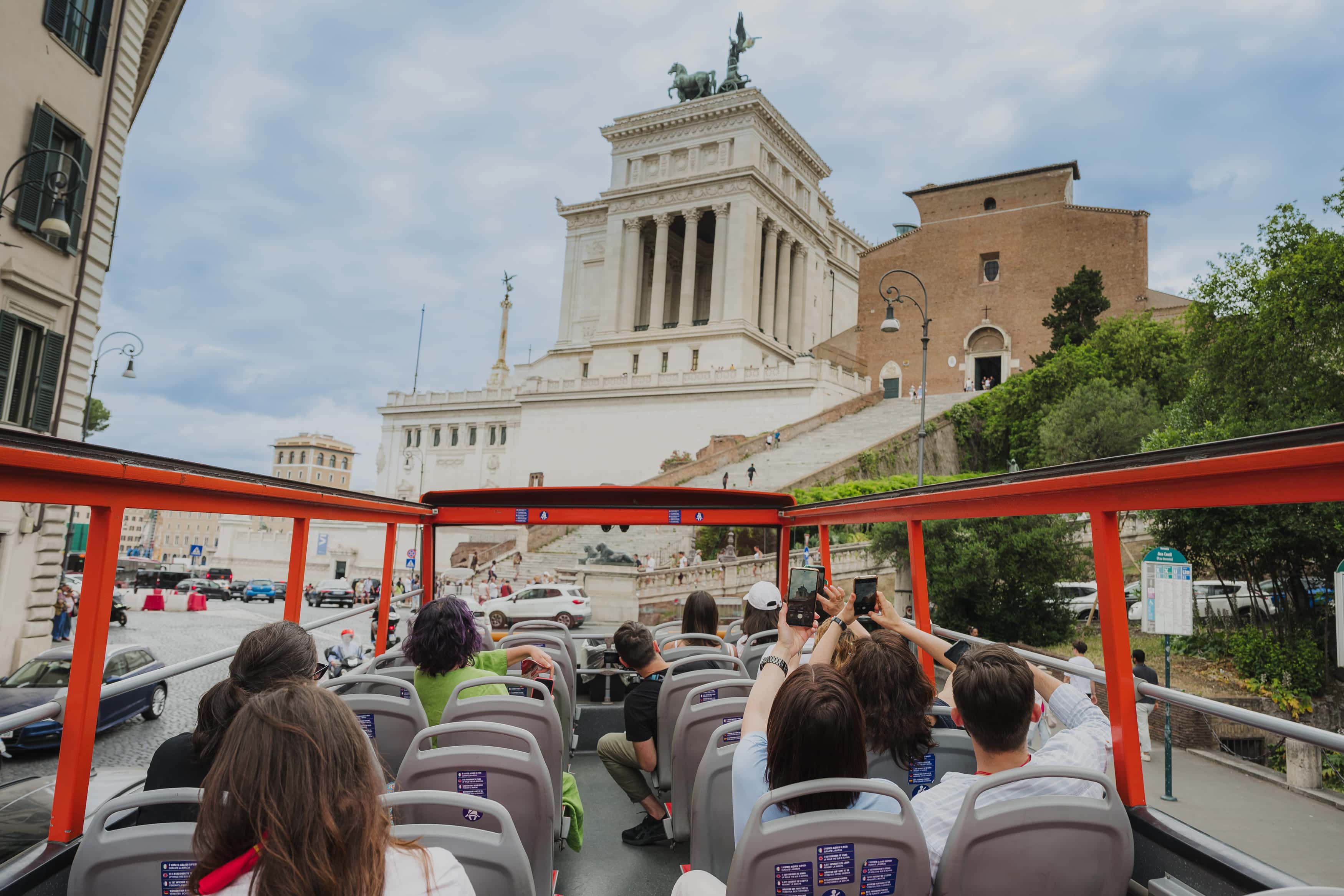
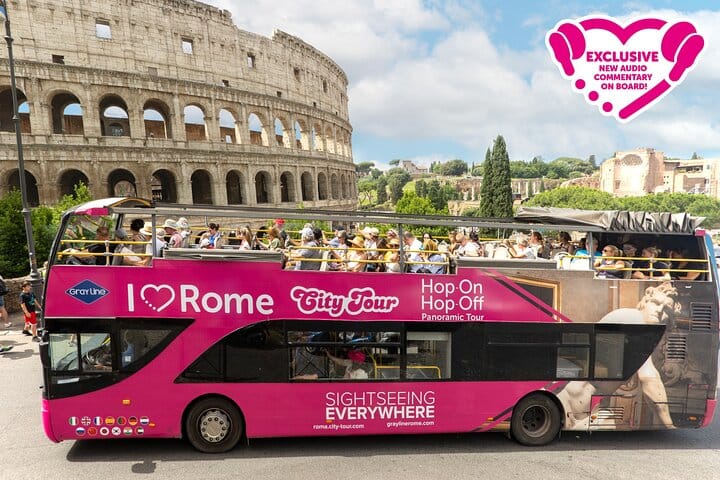
Da sich Repubblica nur einen kurzen Spaziergang vom Haupteinstiegspunkt der Hop-On-Hop-Off-Busse entfernt befindet, nutzen viele Gäste ihn als Ausgangspunkt für den Rest der Stadt. Wenn das Ihr Plan ist, steigen Sie bei den Green Line Tours Rome Hop On Hop Off Bus Tickets an der Piazza dei Cinquecento 55 ein, etwa fünf Gehminuten vom Brunnen entfernt, ab 22 € pro Person mit kostenloser Stornierung bis zu 24 Stunden vorher.
Piazza della Repubblica im Überblick
- Kosten: kostenlos, immer geöffnet, keine Tickets, keine Reservierung
- Adresse: Piazza della Repubblica, 00185 Rom
- Metro: Linie A, Repubblica – Teatro dell'Opera (der Ausgang öffnet sich direkt zum Platz)
- Zu Fuß vom Termini: ca. 450 Meter, 6 Minuten
- Benötigte Zeit: 15 Minuten für den Platz und den Brunnen; 2 bis 3 Stunden, wenn Sie die Kirche, die Diokletiansthermen und die Via Nazionale hinzufügen
- Beste Zeit für Fotos: am frühen Morgen oder nach Einbruch der Dunkelheit, wenn der Brunnen beleuchtet ist
- Alter Name, der noch von den Römern verwendet wird: Piazza dell'Esedra
Der Tritonbrunnen: Was Sie wirklich sehen
Der Naiadenbrunnen (Fontana delle Naiadi) ist keine einzelne Skulptur. Es sind fünf, und jede hat eine bestimmte Bedeutung. Sobald Sie den Code kennen, hört der Brunnen auf, nur Dekoration zu sein, und wird zu einer Wasserkarte.
Vier Bronzefrauen liegen um das äußere Becken. Jede hält oder reitet ein Tier, und jedes Tier sagt Ihnen, welche Art von Wasser sie repräsentiert:
- Nymphe der Seen — sie hält einen Schwan
- Nymphe der Flüsse – sie liegt über einem Flusswesen
- Nymphe der Ozeane – sie reitet auf einem Seepferdchen
- Nymphe der unterirdischen Gewässer – sie sitzt auf einem Drachen
Im Zentrum steht Glaucus, eine Meeresgottheit, die mit einem großen Fisch ringt. Der höchste Wasserstrahl des Brunnens kommt aus dem Maul des Fisches. Die Gruppe soll zeigen, wie der Mensch die Naturgewalten beherrscht, was in einem Land, das gerade eine moderne Nation geworden war, eine sehr selbstbewusste Aussage war.
Ein Detail, das fast jeder Reiseführer übersieht: Technisch gesehen sind Najaden Süßwassernymphen. Die Meeresfigur ist also eigentlich gar keine Najade. Der Name ist trotzdem geblieben.
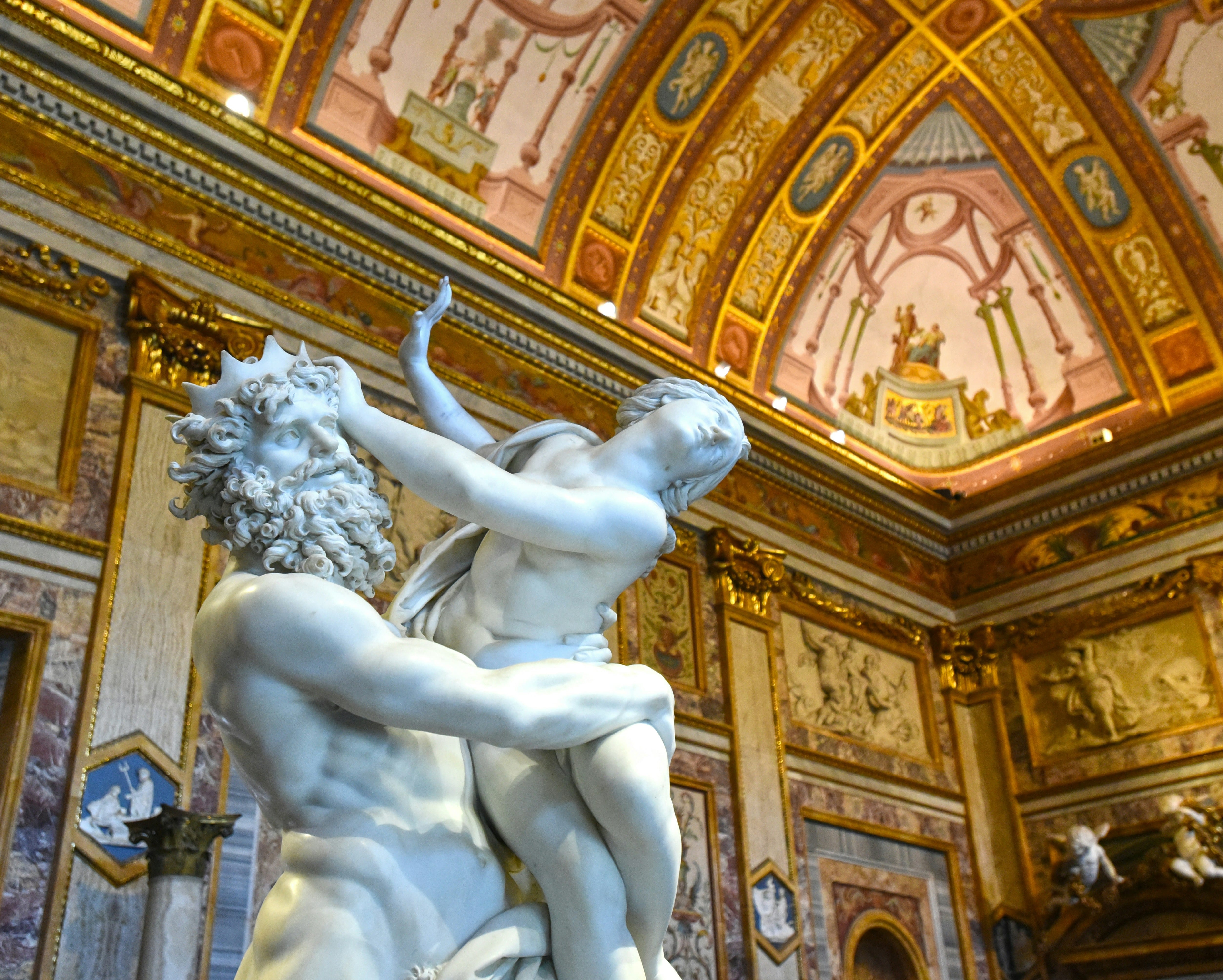
Der Skandal, der den Brunnen berühmt machte
Das Becken kam zuerst. Der Architekt Alessandro Guerrieri baute es 1888 als Endpunkt des restaurierten Acqua Marcia-Aquädukts, und es trug ursprünglich vier schlichte Löwen.
Diese Löwen wurden 1901 durch die Bronzenymphen von Mario Rutelli, einem Bildhauer aus Palermo, ersetzt. Die Reaktion war laut. Konservative Zeitungen nannten die Nacktheit unanständig. Die Stadt behielt einen Holzzaun um den Brunnen, um die Sicht zu versperren, und die Römer rissen den Zaun schließlich nieder. Die Nymphen blieben.
Das Herzstück dauerte viel länger. Rutellis erster Versuch war ein Gewirr von Figuren, ein Delfin und ein Oktopus. Die Römer nannten es "das gemischte Frittierte", nach der Platte mit frittierten Meeresfrüchten, die man in einer Trattoria bekommt. Es wurde auf die Piazza Vittorio Emanuele II verlegt und durch die 1912 hinzugefügte Glaucus-Gruppe ersetzt, wobei der fertige Brunnen 1914 neu eingeweiht wurde.
Diese Geschichte ist der Grund, warum der Naiadenbrunnen wichtiger ist, als sein Alter vermuten lässt. Er ist eines der klarsten Beispiele Roms für Jugendstil, und er war einer der ersten großen Brunnen, die von der Stadtregierung und nicht von einem Papst erbaut wurden.
Warum der Platz ein Halbkreis ist: Die Diokletiansthermen darunter
Betrachten Sie die beiden geschwungenen Paläste mit den langen Arkaden. Sie heißen Palazzi dell'Esedra, entworfen vom Architekten Gaetano Koch und erbaut zwischen 1887 und 1898.
Koch hat diese Kurve nicht erfunden. Er hat sie kopiert. Direkt unter und hinter dem Platz liegen die Diokletiansthermen, begonnen um 298 n. Chr. und fertiggestellt um 306 n. Chr., der größte Badekomplex, den das antike Rom je gebaut hat. Die Thermen endeten in einer riesigen halbkreisförmigen Ausbuchtung, die als Exedra bezeichnet wird. Koch hat ihren Umriss mit seinen neuen Gebäuden nachgezeichnet, weshalb der alte Name des Platzes, Piazza dell'Esedra, immer noch das ist, was die meisten römischen Taxifahrer sagen.
Der Platz wurde in den 1950er Jahren in Piazza della Repubblica umbenannt, nachdem Italien eine Republik wurde. Beide Namen sind korrekt. Beide bringen Sie dorthin.
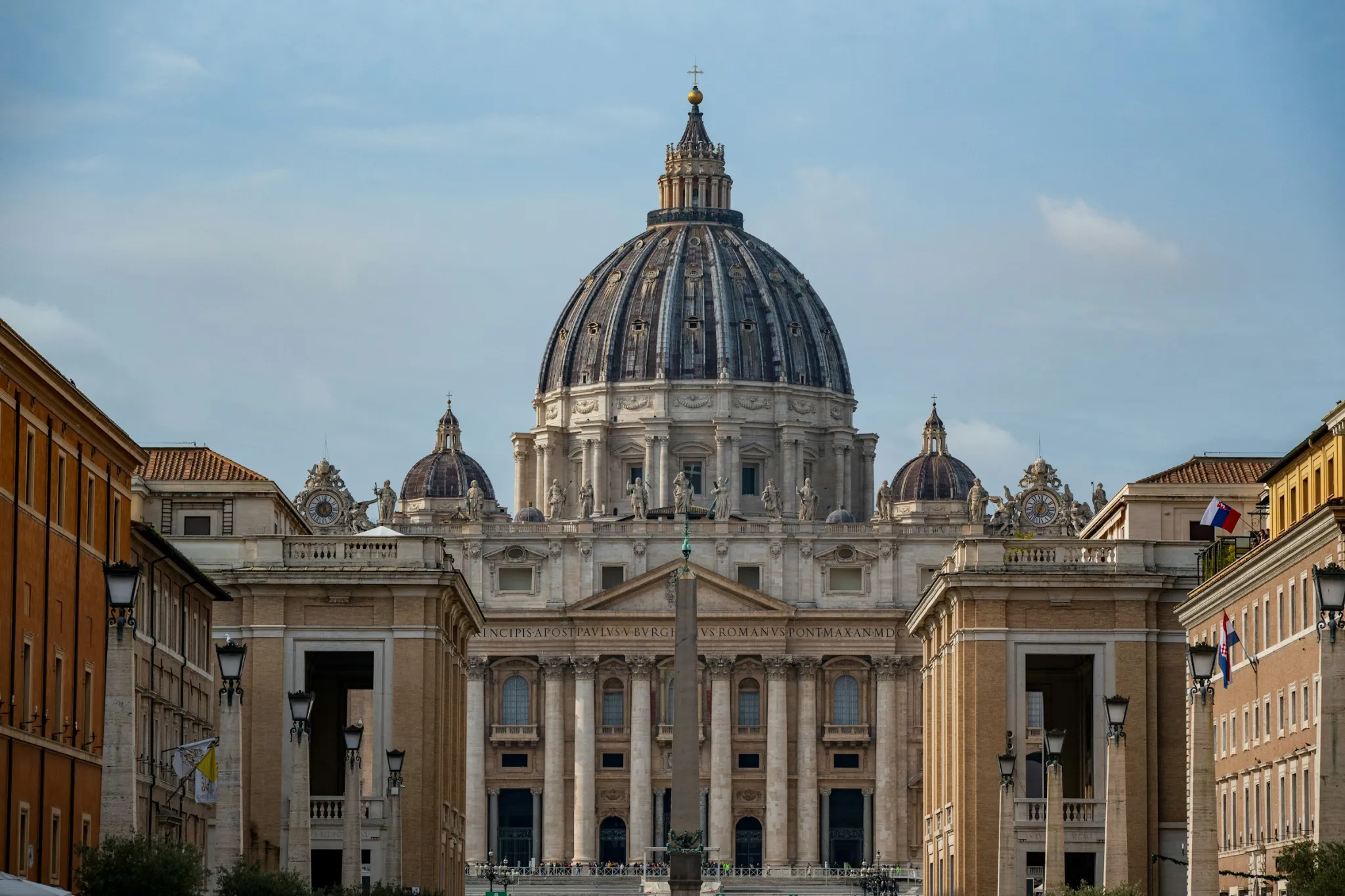
Santa Maria degli Angeli e dei Martiri: Eine kostenlose Kirche, die in einer römischen Ruine erbaut wurde
Auf der Nordseite des Platzes befindet sich eine schlichte Ziegelmauer mit einer darin ausgeschnittenen Tür. Sie sieht nach nichts aus. Es ist der Eingang zu Santa Maria degli Angeli e dei Martiri, und das Innere ist eine der größten Überraschungen Roms.
Im Jahr 1561 bat Papst Pius IV. Michelangelo, der damals über achtzig war, einen Teil der verlassenen Bäder in eine Kirche umzuwandeln. Michelangelo riss die römische Struktur nicht nieder. Er behielt die alten Gewölbe und ließ das Ausmaß der Bäder zum Ausmaß der Kirche werden. Sie stehen im Frigidarium, der Kalthalle, mit einer Renaissancekirche, die um Sie herum gebaut wurde.
Was es drinnen zu sehen gibt:
- Die Linie des Clementinischen Meridians. Eine Bronzeline verläuft über den Boden, fertiggestellt 1702 vom Astronomen Francesco Bianchini für Papst Clemens XI. Ein kleines Loch hoch oben in der Wand lässt einen Sonnenstrahl die Linie zur Sonnenmittagstunde berühren. Stellen Sie sich gegen Mittag in die Nähe und Sie können sie sich bewegen sehen.
- Die riesigen Gemälde, von denen viele im 18. Jahrhundert von hier aus dem Petersdom hierher verlegt wurden.
- Die Orgel mit rund 5.400 Pfeifen.
- Die Gräber italienischer Militärkommandanten, darunter General Armando Diaz.
Eintritt, Öffnungszeiten und Regeln (2026):
- Kosten: kostenlos. Spenden willkommen.
- Öffnungszeiten: Montag bis Freitag von 8:00–13:00 Uhr und 16:00–19:00 Uhr. Samstag, Sonntag und an Feiertagen von 10:00–13:00 Uhr und 16:00–19:00 Uhr.
- Die Mittagspause ist real. Wenn Sie um 14:00 Uhr ankommen, bedeutet das eine verschlossene Tür. Dies ist die häufigste Beschwerde, die wir über diese Kirche hören.
- Kleiderordnung: Schultern und Knie bedeckt, für alle. Es ist eine aktive Kirche.
- Dienste können Abschnitte ohne Vorwarnung schließen.
Diokletiansthermen und Nationalrömisches Museum: Tickets und Öffnungszeiten 2026
Wenn die Kirche Sie nach mehr über die antiken Bäder hungrig macht, sind die Ruinen nebenan ein lebendiges Museum, Teil des Museo Nazionale Romano (Nationales Römisches Museum).
Die offizielle Route ist unkompliziert und wir werden nicht behaupten, dass es anders ist: Der Staat verkauft ein Kombiticket zum vollen Preis von 15 € über sein eigenes museiitaliani-Portal und an nur kartenzahlenden Automaten an jedem Eingang. Die Reibung ist jedoch real. Das Museum ist montags geschlossen, Tickets sind nicht erstattungsfähig und nicht umtauschbar, Bargeld wird nirgends akzeptiert und Teile der Thermenanlage (das Natatio, Halle VIII und das Museum für Urgeschichte) sind bis auf Weiteres geschlossen.
Das ist wichtig für die Planung. Wenn Sie an einem Montag anreisen oder Ihr Datum feststeht und das Wetter umschlägt, kann Ihnen das staatliche Museum einfach nicht helfen. Unser Rom: Skip-the-Line-Tickets für die Kapuzinergruft mit Audioguide ab 12 € decken einen Ort ab, der täglich geöffnet ist, etwa 10 Gehminuten entfernt in der Via Vittorio Veneto liegt und den Audioguide beinhaltet, sodass ein geschlossener Museumstag kein verlorener Nachmittag ist.
Nützliche Fakten für das Kombiticket:
- Ein Ticket gilt für die Diokletiansthermen, den Palazzo Massimo alle Terme und den Palazzo Altemps, gültig eine Woche ab dem ersten Gebrauch (die Krypta Balbi ist vorübergehend geschlossen)
- Öffnungszeiten: Dienstag bis Sonntag, 9:00–19:00 Uhr, letzte Einlass 18:00 Uhr
- Freier Eintritt am ersten Sonntag jedes Monats, der auch der meistbesuchte Tag ist
- Ein separates Ticket für 5 € deckt nur die Aula Ottagona ab, und seine Öffnungszeiten sind auf bestimmte Daten beschränkt
Popular tours & tickets
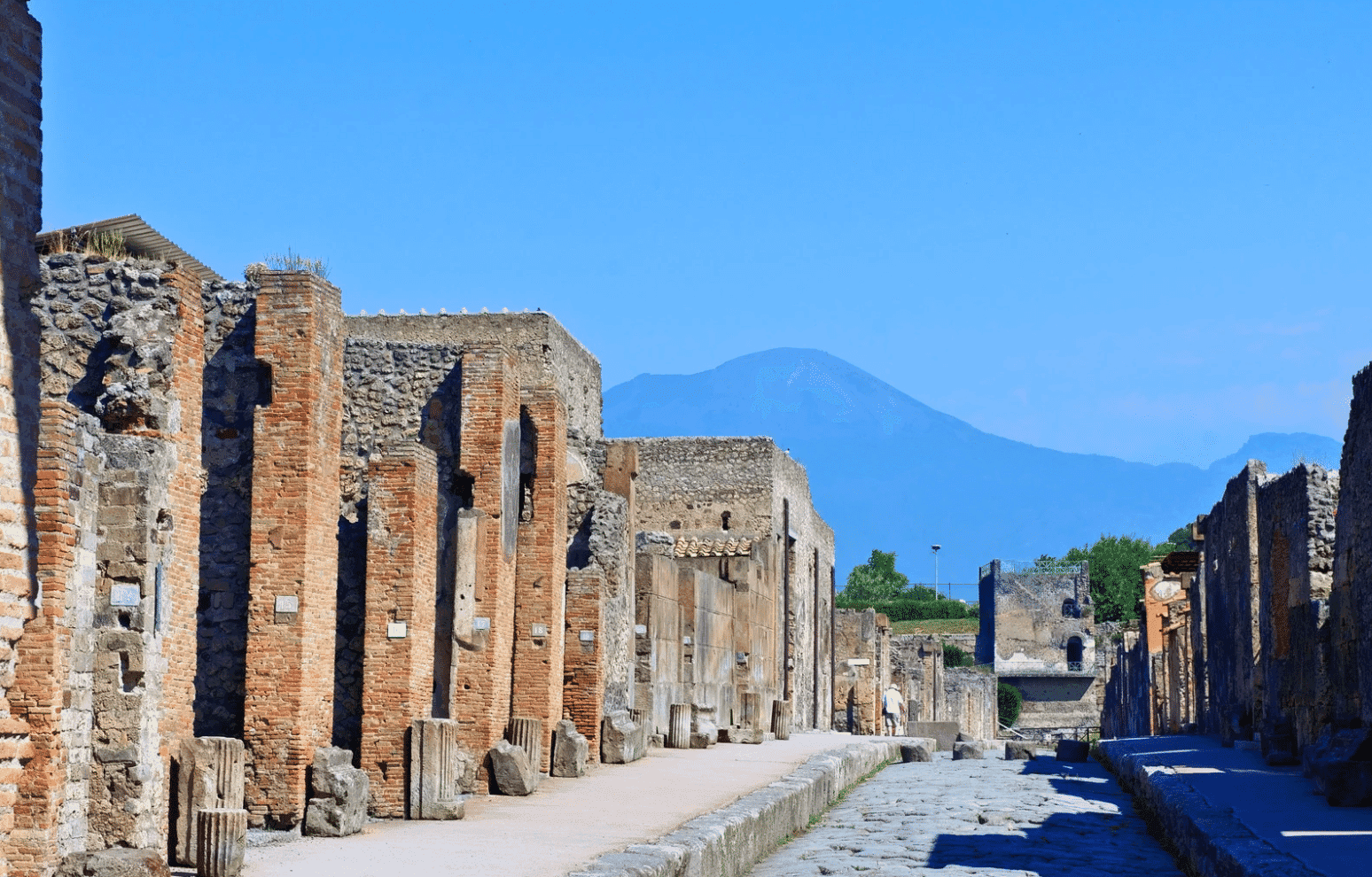
Aktivitäten in der Nähe der Piazza della Repubblica (mit echten Gehdistanzen)
Dies ist eine wahrhaft dichte Ecke Roms. Alles Folgende ist von dem Brunnen aus zu Fuß erreichbar.
- Basilika Santa Maria degli Angeli e dei Martiri — auf dem Platz, kostenlos
- Aula Ottagona, Via Giuseppe Romita 8 — ca. 150 m, 5 €, begrenzte Öffnungsdaten
- Museumseingang Diokletiansthermen, Viale Enrico de Nicola — ca. 200 m
- Fontana dell'Acqua Felice (Mosesbrunnen), Piazza San Bernardo — ca. 250 m, kostenlos
- Teatro dell'Opera di Roma, Piazza Beniamino Gigli — ca. 250 m
- Santa Maria della Vittoria, Via XX Settembre 17 — ca. 350 m entfernt, kostenlos und Heimat von Berninis Ekstase der Heiligen Teresa, einer der wichtigsten barocken Skulpturen der Stadt
- Palazzo Massimo alle Terme, Largo di Villa Peretti 2 — ca. 350 m, im Kombiticket für 15 € enthalten, und die beste Sammlung römischer Fresken in Rom
- Bahnhof Roma Termini — ca. 450 m
- Palazzo delle Esposizioni, Via Nazionale 194 — ca. 600 m
- Piazza Barberini — ca. 700 m
- Basilika Santa Maria Maggiore — ca. 750 m, kostenlos
- Kapuzinergruft, Via Vittorio Veneto 27 — ca. 850 m
- Trevi-Brunnen — ca. 1,2 km, ca. 15 Minuten zu Fuß
Für Speisen direkt vor der Haustür ist Dagnino in der Galleria Esedra (Via Vittorio Emanuele Orlando 75) eine sizilianische Konditorei, die es seit den 1950er Jahren gibt und einen echten Cannolo anbietet. Für Wein ist Trimani in der Via Goito Roms älteste Weinhandlung, mit seiner Weinbar um die Ecke in der Via Cernaia, etwa 400 m vom Brunnen entfernt.
Wenn Sie zur Trevi-Brunnen weitergehen, beachten Sie bitte, dass sich die Zugangsregeln am 2. Februar 2026 geändert haben und das Stehen am Beckenrand nun eine geringe Gebühr kostet. Unsere vollständige Aufschlüsselung finden Sie in der Anleitung zu den Eintrittsgebühren für den Trevi-Brunnen 2026.
Anfahrt zur Piazza della Repubblica und Nutzung als Basis
Mit der U-Bahn: Linie A, Station Repubblica – Teatro dell'Opera. Der Ausgang bringt Sie auf den Platz. Die U-Bahn fährt ungefähr von 05:30 bis 23:30 Uhr und freitags und samstags bis ca. 01:30 Uhr nachts.
Vom Termini: Verlassen Sie die Haupthalle, gehen Sie die Via Giovanni Giolitti entlang oder durchqueren Sie die Piazza dei Cinquecento und folgen Sie dann der Via Vittorio Emanuele Orlando. Sechs Minuten.
Vom Flughafen Fiumicino: Der offizielle Festpreis für Fahrten innerhalb der Aurelianischen Mauern beträgt 55 €, festgelegt von der Flughafenbehörde, unabhängig von Passagieren, Gepäck oder Tageszeit. Von Ciampino beträgt er 40 €. Benutzen Sie nur die weißen Taxis am offiziellen Taxistand. Wer Sie im Terminal anspricht und eine Fahrt anbietet, gehört nicht zu diesem System.
Öffentliche Verkehrsmittel Ticket vs Hop-On Hop-Off: Der ehrliche Vergleich 2026
Dies ist die Entscheidung, vor der die meisten Besucher in der Nähe von Repubblica stehen. Hier sind beide Seiten mit echten Zahlen.
Option 1 — Öffentliche Verkehrsmittel ATAC (offiziell) Preis: Einzelticket BIT 1,50 €, gültig 100 Minuten. Tageskarten: 8,50 € für 24 Stunden, 15,00 € für 48 Stunden, 22,00 € für 72 Stunden, 29,00 € für die 7-Tage-Karte. Was Sie erhalten: U-Bahn, Bus, Straßenbahn, Stadtbahnen. Kontaktloses Bezahlen funktioniert an den Metro-Schranken. Was Sie nicht erhalten: keine Kommentare, keine Routenplanung, keine Aussicht. Ein BIT erlaubt nur einen U-Bahn-Einstieg, was viele überrascht. Die Busse in der Nähe des Bahnhofs Termini sind überfüllt und die Hauptzone für Taschendiebe in Rom. Sie sind auch für die korrekte Entwertung verantwortlich; Geldstrafen reichen von 100 € bis 500 €.
Option 2 – Unsere Hop-On Hop-Off Sightseeing Tour durch Rom, ab 18,27 € Was Sie erhalten: Doppeldeckerbus mit offenem Verdeck über die Hauptroute Roms, einschließlich der Gelben Linie, mit Audiokommentar. Es kostet weniger als ein 72-Stunden-ATAC-Pass und weniger als ein 24- und 48-Stunden-Pass kombiniert. Sofortige Bestätigung und mobiles Ticket. Sehen Sie die Hop-On Hop-Off Sightseeing Tour durch Rom
Option 3 — Ihre Green Line Tours Rom Hop On Hop Off Bustickets, ab 22 € Was Sie erhalten: unbegrenzte Hop-On-Hop-Off-Fahrten für die von Ihnen gewählte Dauer, Panoramabus mit offenem Verdeck, Audioguide in 15 Sprachen, darunter Japanisch, Arabisch, Hindi und Koreanisch, kostenloses WLAN an Bord, wo verfügbar, eine Routenkarte, Kundensupport durch unser Team, kostenlose Stornierung bis zu 24 Stunden vorher und sofortige mobile Tickets. Zustieg an der Piazza dei Cinquecento 55, fünf Minuten vom Brunnen entfernt. Rollstuhlgerecht. Was nicht enthalten ist: Eintrittskarten für Attraktionen, Abholung vom Hotel, Verpflegung. Green Line Tours Rom Hop On Hop Off Tickets buchen
Die klare Antwort: Wenn Sie nur von Repubblica zu einem Restaurant und zurück fahren müssen, ist der 1,50 € BIT günstiger und wir werden nicht behaupten, dass es anders ist. Der Hop-on Hop-off kostet mehr, weil es ein Sightseeing-Produkt und kein Pendelverkehr ist: Sie erhalten die Kommentare, die Aussicht von der offenen Spitze, eine feste Route, die Sie nicht recherchieren müssen, und ein Ticket, das Sie stornieren können. Bei drei Tagen intensiver Besichtigungstouren verschwindet der Preisunterschied zum 22 € Nahverkehrspass fast vollständig.
Für einen tieferen Einblick in Routen, ausgesetzte Haltestellen und welcher Betreiber zu welcher Reiseroute passt, lesen Sie unseren Hop On Hop Off Rom 2026 Reiseführer.
Wo man in der Nähe der Piazza della Repubblica übernachten kann
Die geschwungenen Paläste sind nicht nur Dekoration. Koch entwarf sie für Geschäfte, Büros und Hotels, und das ist es, was sie immer noch beherbergen.
Die bekanntesten Adressen sind das Anantara Palazzo Naiadi direkt am Platz an der Piazza della Repubblica 47 und das St. Regis Rome in der Via Vittorio Emanuele Orlando, das 1894 eröffnet wurde und eines der ältesten Grandhotels der Stadt ist. Beide sind echte Luxusobjekte mit Dach- oder Terrassenblick über den Brunnen.
Ehrliche Anmerkung zur Gegend: Wenn Sie hier übernachten, kaufen Sie sich die beste Verkehrsanbindung in Rom. Die Metro-Linie A, Termini, die Flughafenzüge und die Hop-On Hop-Off-Haltestelle sind alle in wenigen Gehminuten erreichbar. Was Sie damit nicht kaufen, ist eine ruhige Atmosphäre im historischen Zentrum. Zwei Straßen östlich von Termini ändert sich die Nachbarschaft schnell, und die Gegend um den Bahnhof ist nach Einbruch der Dunkelheit spürbar rauer. Wählen Sie Ihre Seite des Bahnhofs sorgfältig aus.
Fehler, die Besucher auf der Piazza della Repubblica machen
- Behandelt sie als Fußgängerzone. Das ist sie nicht. Es ist ein funktionierender Kreisverkehr, und der Brunnen befindet sich auf einer Insel in der Mitte. Benutzen Sie die markierten Übergänge, warten Sie auf die Ampeln und steigen Sie nicht vom Bordstein ab, während Sie durch eine Kamera schauen.
- Ankunft in der Kirche um 14:00 Uhr. Sie schließt zum Mittagessen. Kommen Sie vor 13:00 Uhr oder nach 16:00 Uhr.
- Das Tragen eines Tanktops oder kurzer Shorts in der Kirche. Schultern und Knie müssen bedeckt sein, und dies wird durchgesetzt.
- Planung der Diokletiansthermen an einem Montag. Das gesamte Römische Nationalmuseum ist geschlossen.
- Tasche locker in der Nähe von Termini. Dies ist die pickpocket-gefährlichste Zone in Rom. Vordere Taschen, Reißverschlusstaschen, Handy weg in überfüllten Bussen.
- Nehmen Sie eine Fahrt von jemandem an, der Sie anspricht. Lizenzierte Taxis sind weiß, haben ein Dachschild und warten am Taxistand. Alles andere ist kein Taxi.
- Auf oder in den Brunnen klettern. Rom verhängt dafür Bußgelder, und die Regeln für Brunnen von Monumenten wurden in der ganzen Stadt verschärft.
- Nur bei Tageslicht sehen. Der Brunnen wird nach Einbruch der Dunkelheit beleuchtet, und die Bronze wirkt vor dem Hintergrund der beleuchteten Arkaden völlig anders.

Häufig gestellte Fragen
Ist die Piazza della Repubblica einen Besuch wert? Ja, vor allem, weil sie kostenlos ist und 15 Minuten dauert. Was einen längeren Aufenthalt lohnenswert macht, ist nicht der Platz selbst, sondern das, was ihn umgibt: eine von Michelangelo entworfene Kirche, die in römischen Bädern errichtet wurde, eine funktionierende astronomische Meridianlinie und ein bedeutendes archäologisches Museum, alles innerhalb von 350 Metern.
Warum heißt sie Piazza della Repubblica? Sie wurde in den 1950er Jahren umbenannt, um die Ausrufung der Italienischen Republik zu würdigen. Zuvor hieß sie Piazza dell'Esedra, benannt nach der riesigen halbkreisförmigen Exedra der Diokletiansthermen, deren Form der Platz noch immer folgt. Viele Römer benutzen immer noch den alten Namen.
Benötigen Sie eine Eintrittskarte für den Tritonbrunnen? Nein. Der Tritonbrunnen befindet sich auf einem öffentlichen Platz, der 24 Stunden am Tag ohne Eintrittskarte und ohne Reservierung zugänglich ist.
Wie weit ist die Piazza della Repubblica vom Bahnhof Termini entfernt? Etwa 450 Meter oder 6 Gehminuten. Es gibt auch eine direkte Metrohaltestelle, Repubblica – Teatro dell'Opera an der Linie A.
Ist die Piazza della Repubblica nachts sicher? Der Platz selbst ist gut beleuchtet, belebt und abends im Allgemeinen in Ordnung. Die Straßen unmittelbar rund um den Bahnhof Termini sind der Teil, bei dem man nach Einbruch der Dunkelheit vorsichtig sein sollte. Halten Sie sich an die Via Nazionale und die Via Vittorio Emanuele Orlando, anstatt hinter dem Bahnhof hindurchzugehen.
Kann man die Diokletiansthermen besichtigen? Ja, über das Nationalmuseum von Rom, mit einem Kombiticket für 15 €, Dienstag bis Sonntag von 9:00 bis 19:00 Uhr. Sie können sich auch kostenlos in einem erhaltenen Teil der Thermen aufhalten, indem Sie die Kirche Santa Maria degli Angeli e dei Martiri betreten.
Wie lange sollten Sie auf der Piazza della Repubblica verbringen? Fünfzehn Minuten für den Brunnen und die Arkaden. Etwa zwei Stunden, wenn Sie die Kirche und einen Spaziergang die Via Nazionale hinunter hinzufügen. Einen halben Tag, wenn Sie die Diokletiansthermen und den Palazzo Massimo einschließen.
Verwandeln Sie den Platz in einen ganzen Tag in Rom
Die Piazza della Repubblica eignet sich besser als Ausgangspunkt denn als Ziel. Der Brunnen, die Kirche und die antiken Bäder kosten Sie fast nichts und nehmen einen Vormittag in Anspruch. Was danach kommt, ist der Teil, der richtig gebucht werden sollte.
Der einfachste Weg, diese Ecke in einen ganzen Tag zu verwandeln, ist ein fünfminütiger Spaziergang zur Piazza dei Cinquecento, um die Green Line Tours Rome Hop On Hop Off Bus Tickets ab 22 € zu erwerben, mit Audiokommentar in 15 Sprachen und kostenloser Stornierung bis zu 24 Stunden vorher. Von derselben Gegend aus erreichen Sie die Kapuzinergruft mit Audioguide und Skip-the-Line-Ticket ab 12 €, das Skip-the-Line-Ticket für die Galleria Borghese ab 35,63 € oder die Kolosseum-Führung mit Forum Romanum und Palatin ab 72,17 € mit professionellem Guide und bevorzugtem Einlass.
Alle unsere Rom Tickets kommen mit sofortiger Bestätigung und mobilen Tickets, so können Sie von einem Café in der Via Nazionale buchen und eine Stunde später einsteigen. Alle Rom Touren und Tickets anzeigen.
Verfasst von
Get Your Roman Tours Team
Wir sind ein lizenzierter Reiseveranstalter mit Sitz in Rom (Get Your Roman Tours S.R.L.S.). Unsere Guides führen jede Woche Touren an diesen Orten — alles hier stammt aus eigener Erfahrung. Über uns · Fragen Sie uns