Piazza del Campidoglio: Michelangelos Platz auf dem Gipfel des Kapitolshügels
Der Piazza del Campidoglio ist kostenlos, Tag und Nacht geöffnet und liegt auf dem kleinsten der sieben Hügel Roms. Die meisten Besucher gehen auf dem Weg vom Kolosseum zum Trevi-Brunnen an ihm vorbei und steigen nie hinauf. Das ist ein Fehler. Dies ist der einzige öffentliche Platz, den Michelangelo je von Grund auf entworfen hat, er beherbergt das Rathaus von Rom, das älteste öffentliche Museum der Welt und den besten kostenlosen Blick auf das Forum Romanum der Stadt.
Dieser Leitfaden behandelt, was Sie kostenlos sehen können, was Geld kostet, die tatsächlichen Preise der Kapitolinischen Museen im Jahr 2026, die beiden Treppen und welche Sie nehmen sollten, und wie der Platz mit dem Rest des antiken Roms darunter verbunden ist.
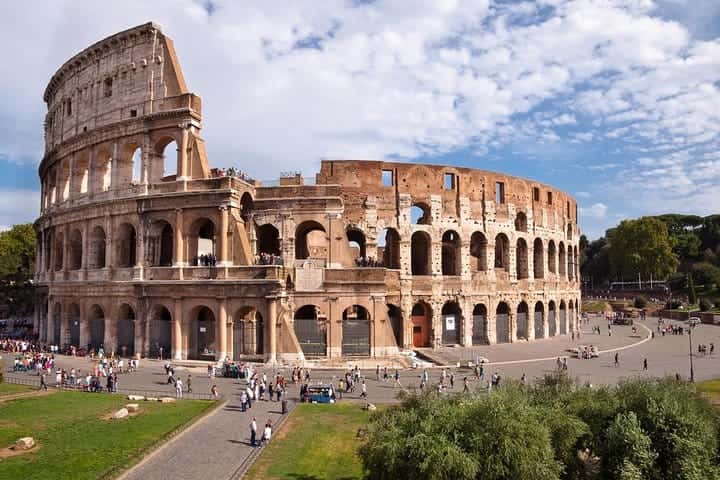
Da das Forum Romanum direkt unter der Terrasse des Kapitols liegt, kombinieren die meisten Leute beides am selben Vormittag. Unsere Kolosseum Tickets mit Audio Guide & Erkunden Sie das antike Rom in Ihrem eigenen Tempo decken das Kolosseum, das Forum Romanum und den Palatin ab ab 31,50 € pro Person, mit kostenloser Stornierung und sofortigen mobilen Tickets. Wenn Sie stattdessen einen lizenzierten Reiseführer wünschen, der Sie durchführt, dauert unsere Geführte Tour durch das Kolosseum mit Forum Romanum & Palatin 3 Stunden in einer Gruppe von maximal 20 Personen.
Piazza del Campidoglio im Überblick
- Kosten für den Eintritt auf den Platz: kostenlos, keine Eintrittskarte, keine Reservierung
- Öffnungszeiten: täglich 24 Stunden geöffnet
- Adresse: Piazza del Campidoglio, 00186 Rom
- Benötigte Zeit nur für den Platz: 20 bis 30 Minuten
- Benötigte Zeit für die Kapitolinischen Museen: 3 bis 4 Stunden insgesamt
- Kapitolinische Museen Preis 2026: 15,00 € pro Erwachsenem außerhalb von Ausstellungen, 20,50 € während Ausstellungsperioden
- Bester kostenloser Blick: die Terrasse in der Via del Campidoglio, hinter dem Palazzo Senatorio
- Nächster Bus-Hub: Piazza Venezia, ca. 3 Gehminuten entfernt
Was der Piazza del Campidoglio ist (und was nicht)
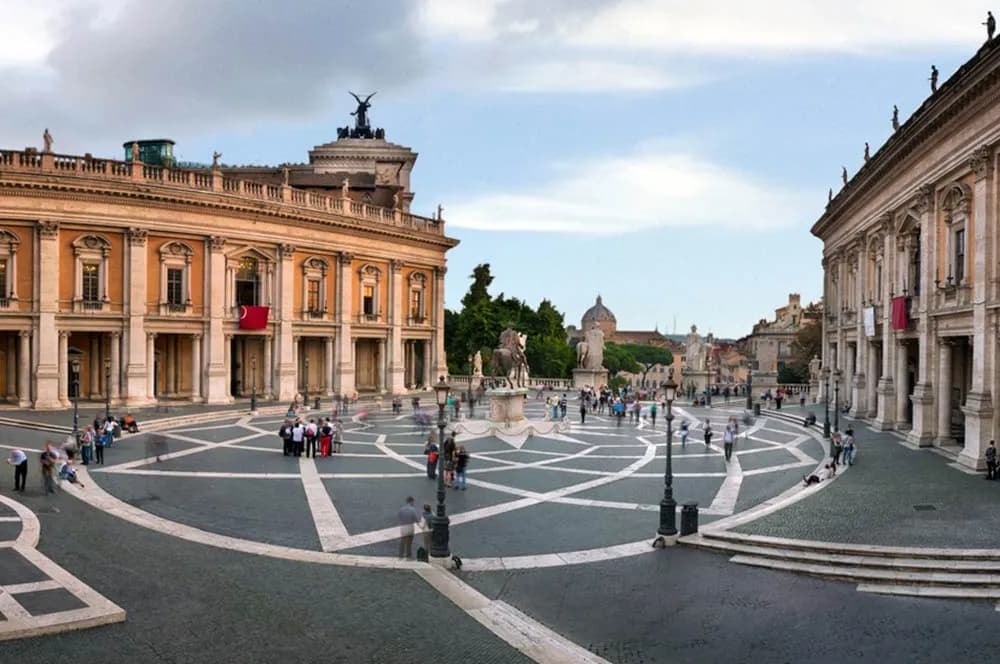
Der Platz thront auf dem Kapitolshügel, den die Römer Capitolium nannten. In der Antike war dies das religiöse Herz der Stadt, Heimat des Tempels des Jupiter Optimus Maximus. Heute ist der Hügel stattdessen das politische Herz: Der Palazzo Senatorio, das Gebäude am Ende des Platzes mit der Doppeltreppe und dem Glockenturm, ist das funktionierende Rathaus von Rom. Das Büro des Bürgermeisters befindet sich darin. Dort werden Hochzeiten gefeiert. Es ist keine Touristenattraktion und man kann nicht hineinspazieren.
Zwei Dinge verwirren Erstbesucher, daher ist es gut, Klarheit zu schaffen:
Der Platz ist kostenlos. Die Museen hingegen nicht. Sie können die Piazza del Campidoglio zu jeder Stunde betreten, Fotos machen, auf den Stufen sitzen und gehen, ohne einen Euro auszugeben. Die beiden Seitengebäude, der Palazzo dei Conservatori und der Palazzo Nuovo, beherbergen die Kapitolinischen Museen und erfordern ein kostenpflichtiges Ticket.
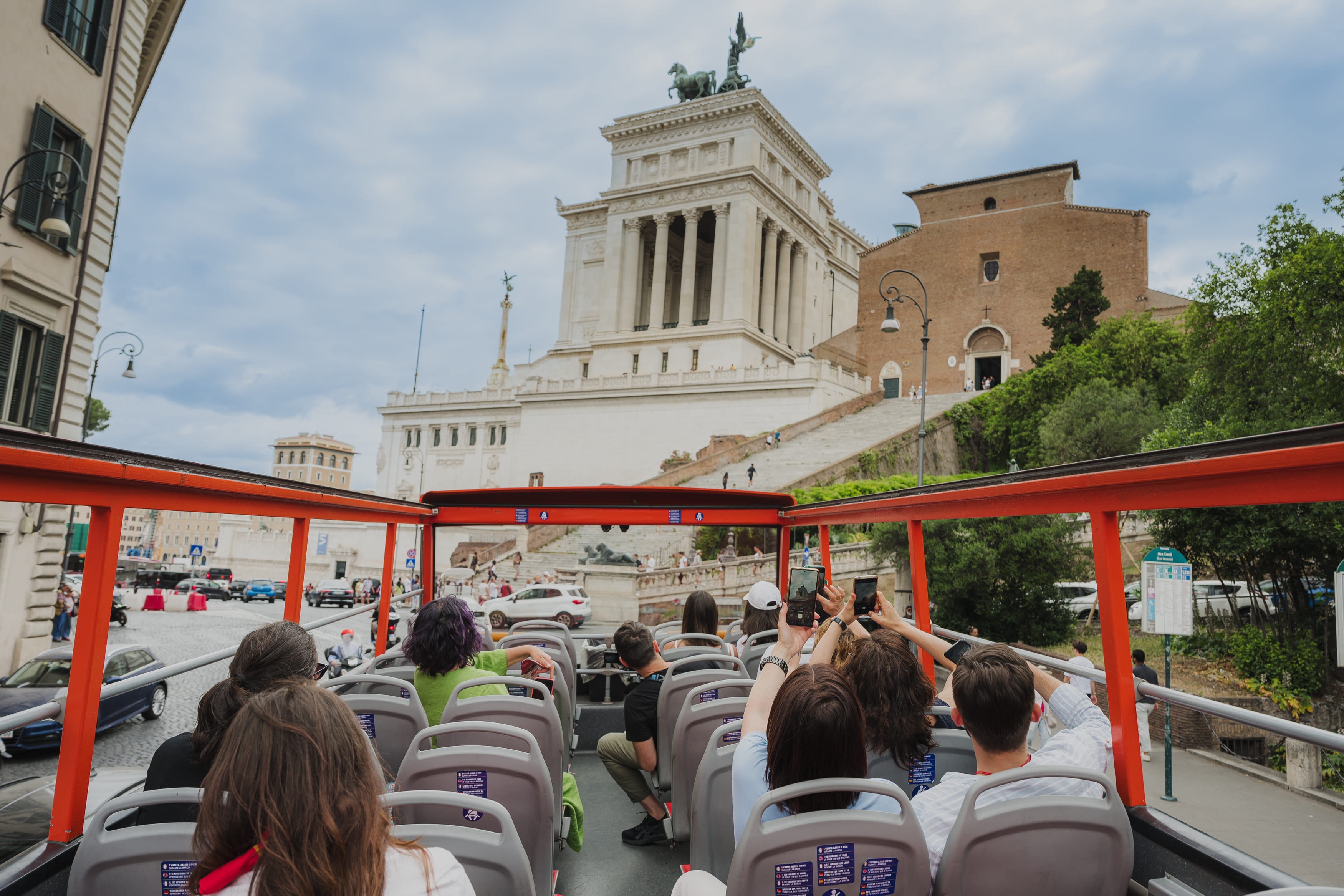
Das Kapitol ist nicht das große weiße Denkmal. Das riesige weiße Gebäude mit den Streitwagen darauf, gleich daneben, ist das Altare della Patria (das Vittoriano). Anderes Gebäude, anderer Eingang, andere Tickets. Die Leute buchen das eine und erscheinen ständig am anderen.
Warum Michelangelo den Kapitolinischen Hügel neu gestaltete
In den 1530er Jahren war das Kapitol ein Chaos. Ziegen grasten dort. Die mittelalterlichen Gebäude blickten auf das Forum Romanum, das inzwischen ein Viehweide war, und der ganze Hügel kehrte der lebendigen Stadt den Rücken.
Im Jahr 1538 befahl Papst Paul III., die antike Bronzestatue von Marcus Aurelius vom Lateran auf den Kapitolshügel zu verlegen. Ein Jahr später bat der römische Senat Michelangelo, einen angemessenen Rahmen dafür zu entwerfen. Er war in seinen Sechzigern und baute nicht nur einen Sockel. Er gestaltete den gesamten Hügel neu.
Drei Entscheidungen machten den Platz zu dem, was er heute ist:
Er drehte es um. Der Platz ist nach Westen ausgerichtet, in Richtung Petersdom und der modernen Stadt, und kehrt den Ruinen des Forums bewusst den Rücken zu.
Er machte die Form unmöglich. Die beiden seitlichen Paläste sind nicht parallel. Sie öffnen sich nach außen in einem Winkel von etwa 80 Grad, was das Auge täuscht und den Platz größer und regelmäßiger erscheinen lässt, als er ist.
Er zeichnete ein Oval auf einem Hügel. Die Pflasterung ist ein flaches Oval mit einem zwölfzackigen Stern, der in der Mitte leicht vertieft ist, damit Regen nach außen abfließen kann. Michelangelo starb 1564, als der Entwurf noch unvollendet war, und die Sternenpflasterung wurde erst 1940 tatsächlich verlegt. Der Palazzo Nuovo, das linke Gebäude, wurde 1654 fertiggestellt, neunzig Jahre nach seinem Tod.
Der Platz, auf dem Sie stehen, ist Michelangelos Entwurf, der über vier Jahrhunderte von anderen fertiggestellt wurde.
Die Cordonata Stairs: Welche Treppe man erklimmen sollte
Zwei Treppen führen nebeneinander den Hang von der Piazza d'Aracoeli hinauf. Von unten sehen sie ähnlich aus. Das sind sie nicht.
Die Cordonata (nehmen Sie diese). Michelangelos Rampentreppe, links, wenn Sie den Hügel betrachten. Die Stufen sind breit und sehr flach, da sie zum Reiten zu Pferd gebaut wurden. Der Aufstieg ist sanft und dauert etwa zwei Minuten. Zwei ägyptische Basaltlöwen sitzen unten. Oben stehen zwei kolossale römische Statuen von Castor und Pollux mit ihren Pferden, die im 16. Jahrhundert im jüdischen Ghetto ausgegraben und 1583 hier aufgestellt wurden.
Die Ara-Coeli-Treppe (überspringen Sie sie, es sei denn, Sie möchten die Kirche besuchen). Die steilere auf der rechten Seite, 124 Marmorstufen, erbaut 1348, die zur Kirche Santa Maria in Aracoeli führen. Es ist ein harter Aufstieg in der Sommerhitze ohne jeglichen Schatten. Die Kirche oben ist kostenlos und wirklich sehenswert wegen der Pinturicchio-Fresken in der Bufalini-Kapelle, aber steigen Sie sie nicht nur hinauf, um den Platz zu erreichen.
Die Abkürzung, die fast niemand benutzt. Wenn Treppen ein Problem darstellen, gehen Sie die Via del Teatro di Marcello hinauf und nehmen Sie die Via delle Tre Pile, die Straße, die sich die Seite des Hügels hinaufwindet. Es ist eine Steigung, keine Stufen, und sie führt Sie zum Piazzale Caffarelli, direkt neben dem Platz.

Jede Statue auf der Piazza del Campidoglio, erklärt
Der Platz ist im Wesentlichen eine offene Vitrine antiker Skulpturen. Hier sehen Sie, was Sie sich tatsächlich ansehen.
Die Statue von Marcus Aurelius in der Mitte ist eine Kopie. Der bronzene Reiter ist eine Nachbildung aus dem Jahr 1997. Das Original, gegossen um 175 n. Chr., wurde 1981 entfernt, weil Umweltverschmutzung und Risse in den Pferdebeinen es zerstörten. Es steht jetzt drinnen in einer gläsernen Halle im Palazzo dei Conservatori, Teil der Kapitolinischen Museen. Dies ist das wichtigste Detail, das Besucher übersehen: Wenn Sie das echte sehen möchten, benötigen Sie eine Eintrittskarte für das Museum. Es überlebte das Mittelalter nur, weil die Menschen fälschlicherweise glaubten, es zeige Konstantin, den ersten christlichen Kaiser, weshalb es nie wie alle anderen kaiserlichen Bronzen eingeschmolzen wurde.
Castor und Pollux. Die beiden riesigen Figuren mit Pferden auf dem Gipfel der Cordonata. Römische Kopien griechischer Originale, die mythischen Zwillingsbeschützer Roms.
Die Trophäen des Marius. Zwei geschnitzte Marmorstapel mit Waffen und Rüstungen auf der Balustrade. Sie stammten ursprünglich aus einem monumentalen Brunnen auf dem Esquilin und haben nichts mit dem General Marius zu tun.
Konstantin und Constans. Zwei kolossale Statuen an den Enden der Balustrade, die von den Konstantinhallen hierher gebracht wurden.
Die beiden Meilensteine. Leicht zu übersehen. Zwei kurze Steinsäulen, die die erste und siebte Meile der Via Appia markieren und von der alten Straße hierher verlegt wurden.
Der Brunnen der Göttin Roma. Eingefasst in die Fassade des Palazzo Senatorio. Die sitzende Figur in der Mitte war ursprünglich eine Statue der Minerva, umgewandelt in eine Personifikation Roms. Die beiden liegenden Greise zu beiden Seiten sind die Flussgötter Nil (mit der Sphinx) und Tiber (mit der Wölfin).
Wo ist die Kapitolinische Wölfin? Nicht auf dem Platz. Die berühmte Statue der Kapitolinischen Wölfin, die Romulus und Remus säugt, befindet sich im Palazzo dei Conservatori, in einem eigenen Raum. Eine Kopie steht auf einer Säule draußen auf der Terrasse auf der Seite des Palazzo Senatorio. Das Museum datiert die Bronzewölfin auf das 5. Jahrhundert v. Chr.; wissenschaftliche Tests, die in den 2000er Jahren veröffentlicht wurden, deuteten stattdessen auf eine mittelalterliche Gussform hin, und die Debatte dauert noch an. Die Zwillinge darunter wurden auf jeden Fall im 15. Jahrhundert hinzugefügt.
Der kostenlose Aussichtspunkt auf das Forum Romanum, den die meisten Besucher übersehen
Dies ist das beste kostenlose Ding auf dem Hügel und es ist nicht ausgeschildert.
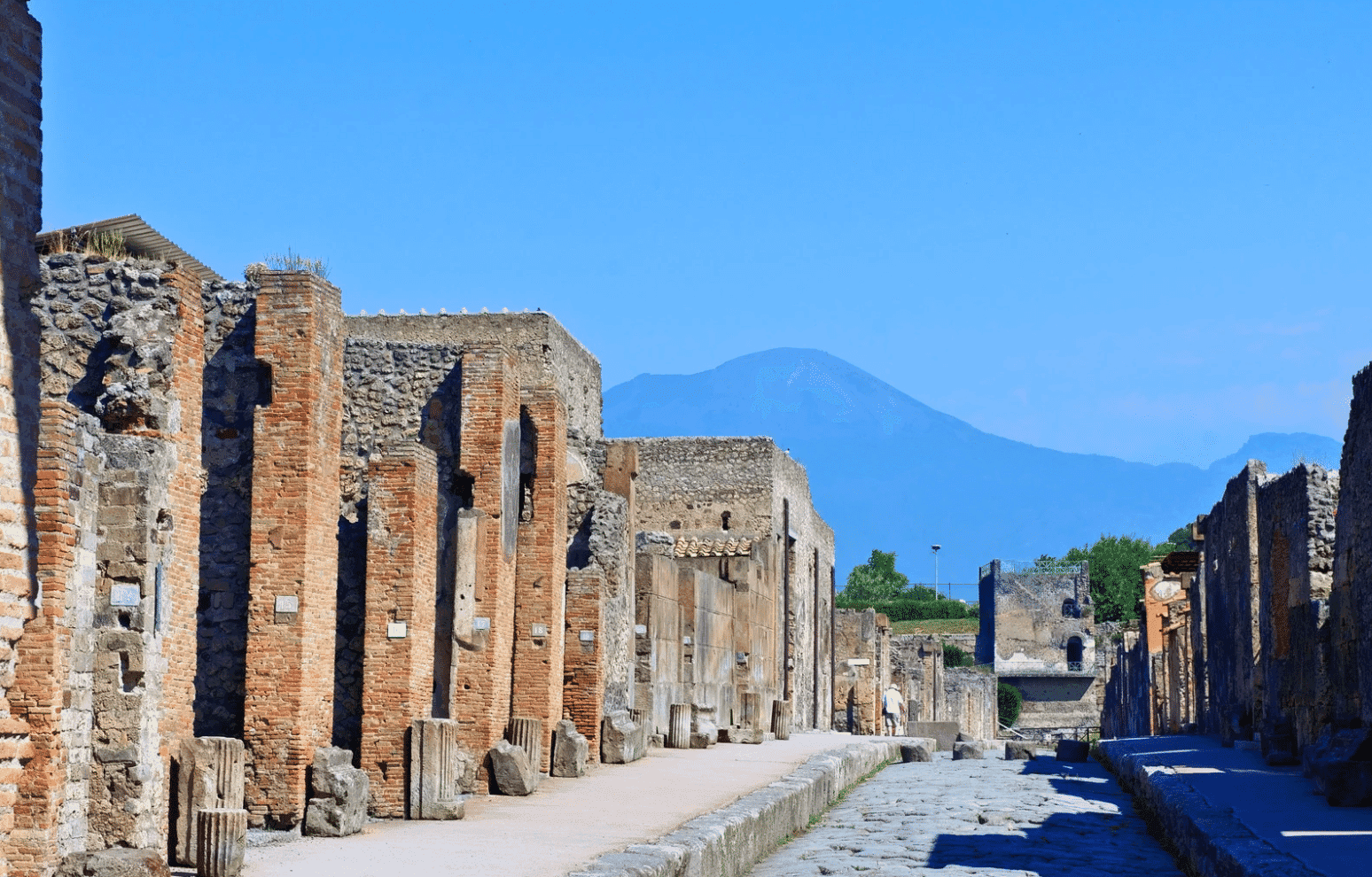
Gehen Sie auf den Platz, gehen Sie zur rechten Seite des Palazzo Senatorio und nehmen Sie die schmale Straße Via del Campidoglio, die hinter dem Gebäude verläuft. Etwa dreißig Sekunden Fußweg bringen Sie zu einer Terrasse mit Geländer, die direkt über das gesamte Forum Romanum blickt: der Triumphbogen des Septimius Severus unter Ihnen, die drei Säulen des Tempels von Castor und Pollux, die Curia und das Kolosseum am Ende eingerahmt.
Er ist kostenlos, er ist nachts geöffnet und es ist der klassische Postkartenwinkel des Forums. Unsere Reiseexperten bewerten die letzte Stunde vor Sonnenuntergang als die beste Zeit, wenn die Ruinen orange werden und die Menschenmassen den Hügel hinuntergezogen sind.
Gehen Sie noch ein Stück weiter die Via di Monte Tarpeo entlang für einen zweiten, ruhigeren Aussichtspunkt mit weniger Menschen und einem kleinen Garten.
Eine ehrliche Anmerkung: Diese Terrasse zeigt Ihnen das Forum, sie bringt Sie nicht hinein. Das Forum hat eigene Eingänge mit Toren und eigene Tickets.
Kapitolinische Museen 2026: Preise, Öffnungszeiten und Was Drinnen Ist
Die Gebäude des Kapitolinischen Museums auf dem Platz beherbergen eine Sammlung, die 1471 gegründet wurde, als Papst Sixtus IV. eine Gruppe antiker Bronzen an das Volk von Rom schenkte. Das macht es zum ältesten öffentlichen Museum der Welt.
Öffnungszeiten 2026 (vom Museum bestätigt):
- Jeden Tag, von 9:30 bis 19:30 Uhr. Es gibt keinen wöchentlichen Ruhetag.
- 24. und 31. Dezember: 9:30 - 14:00
- Geschlossen am 1. Mai und 25. Dezember
- Die letzte Einlassung ist eine Stunde vor Schließung
Ticketpreise 2026 (offizielle Tarife):
- Erwachsene, Standardzeiträume ohne laufende Ausstellung: 15,00 €
- Ermäßigte und Standardtarife: 9,50 €
- Erwachsene während Ausstellungszeiten: 20,50 € (ermäßigt 15,00 €)
- Capitoline Card, 7 Tage, Kapitolinische Museen plus Centrale Montemartini: 15,50 € Erwachsene, 11,50 € ermäßigt
- Offizieller Audioguide: 4,00 €. Video-Guide: 6,00 €. Beide auf Italienisch, Englisch, Französisch, Deutsch und Spanisch
- Online-Vorverkaufsgebühr: 1,00 € pro Ticket
- Kostenlos für Einwohner Roms und der Metropolitanstadt mit Ausweis und für MIC-Karteninhaber
Die Highlights, die Ihre Zeit im Inneren wert sind:
- Das echte Bronzestandbild von Marcus Aurelius in der gläsernen Exedra-Halle
- Die Kapitolinische Wölfin
- Der sterbende Gallier, eine der meistkopierten Skulpturen der westlichen Kunst
- Der Knabe mit dem Dorn (Spinario)
- Der kolossale Kopf, die Hand und der Fuß Konstantins im Innenhof, die Stücke, die jeder fotografiert
- Die Büste des Commodus als Herkules
- Der Glücksspieler und Johannes der Täufer in der Pinakothek
- Das Tabularium, das unterirdische römische Archiv aus dem Jahr 78 v. Chr. Seine Bogenempore bietet Ihnen einen Innenblick auf das Forum, den Sie auf keine andere Weise erhalten können.
Die zwei Regeln, die die Leute aus dem Konzept bringen. Erstens sind im Voraus über die offiziellen Kanäle gekaufte Tickets nicht erstattungsfähig und können nicht geändert werden. Wenn sich Ihr Flug verspätet oder Sie noch im Vatikan festsitzen, sind diese 15 € weg. Zweitens bedeutet der unterirdische Durchgang zwischen den beiden Palästen, dass Sie durch den Palazzo dei Conservatori eintreten und nicht durch das Gebäude, neben dem Sie sich vielleicht befinden.
Offizielles Kapitol-Ticket vs Unsere Optionen für das antike Rom: Die tatsächliche Preisaufschlüsselung
Wir verkaufen derzeit keine Eintrittskarten für die Kapitolinischen Museen. Hier ist ein direkter Vergleich, was Ihr Geld auf diesem Hügel und dem darunter liegenden Hügel Ihnen bietet.
Offizielles Ticket für die Kapitolinischen Museen — 15,00 € (zzgl. 1,00 € Online-Gebühr) Was Sie erhalten: Eintritt zum Palazzo dei Conservatori, Palazzo Nuovo, zur Pinacoteca und zum Tabularium. Was Sie nicht erhalten: einen Führer, einen Audioguide (der 4,00 € extra am Schalter kostet), keine Rückerstattung oder Datumsänderung, wenn sich Ihre Pläne ändern, und keine Hilfe, wenn der von Ihnen gewünschte Zeitslot bereits belegt ist. Der Kauf am Schalter am selben Tag bedeutet, dass Sie keine Gebühr zahlen, aber in der Warteschlange der Kasse stehen, die an Ausstellungswochenenden 20 bis 40 Minuten dauert. So kaufen Sie es: über das eigene Online-System des Museums oder das Callcenter 060608. Es funktioniert, aber der Checkout ist umständlich und die No-Refund-Regel ist streng.
Unsere Kolosseum-Tickets mit Audioguide & Erkunden Sie das antike Rom in Ihrem eigenen Tempo — 35,00 €, jetzt 31,50 € Was Sie erhalten: Eintritt zum Kolosseum, zum Forum Romanum und zum Palatin, die Ruinen, die Sie von der Terrasse des Kapitols überblicken, plus einen Audioguide, sofortige Bestätigung und ein mobiles Ticket. Kostenlose Stornierung, sodass eine Planänderung Sie das Ticket nicht kostet. Warum es mehr als 15 € kostet: Es sind drei archäologische Stätten statt eines Museums, mit inklusivem Kommentar anstelle eines Aufpreises von 4,00 €.
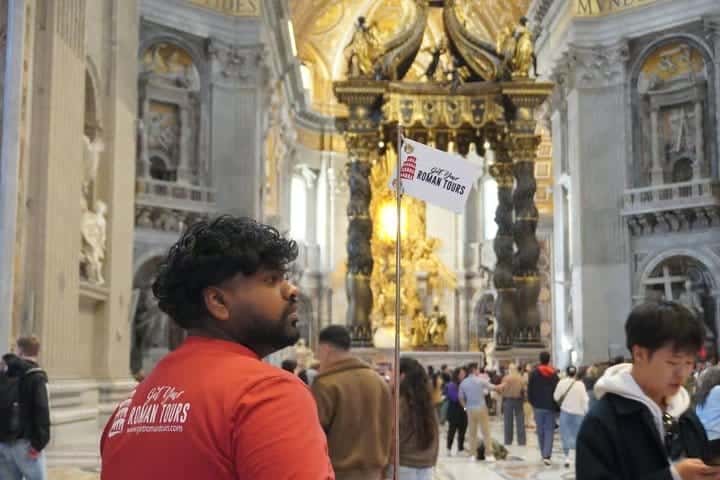
Unsere Kolosseum-Führung mit Forum Romanum & Palatin — 80,19 €, jetzt 72,17 € Was Sie erhalten: 3 Stunden mit einem lizenzierten professionellen Guide, bevorzugter Einlass, eine Gruppe von maximal 20 Personen, Touren auf Englisch, Italienisch, Portugiesisch oder Spanisch, Abholung vom Hotel bei ausgewählten Optionen und kostenlose Stornierung bis zu 24 Stunden vorher. Der Treffpunkt ist der Colle Oppio Park, in der Via delle Terme di Tito an der Ecke zur Via Nicola Salvi. Warum es mehr kostet: Sie bezahlen für die Zeit eines lizenzierten Führers und eine kleine Gruppe, nicht nur für einen Barcode. Das Forum ist insbesondere ohne einen Führer fast unlesbar. Es gibt fast keine Beschilderung, und die meisten selbstgeführten Besucher gehen, ohne zu wissen, was sie gesehen haben.
Die ehrliche Zusammenfassung: Wenn Ihr einziges Ziel die Statuen auf dem Platz und der Blick auf das Forum sind, geben Sie kein Geld aus. Wenn Sie die Skulpturensammlung sehen möchten, ist das offizielle Ticket für 15 € die richtige Wahl. Wenn Sie die Ruinen unter der Terrasse wirklich verstehen möchten, dafür gibt es unsere Tickets und Touren für das antike Rom.
Popular tours & tickets
Beste Reisezeit für die Piazza del Campidoglio
Früher Morgen, 7:30 bis 9:00 Uhr. Der Platz ist leer, das Licht trifft die Fassaden der Paläste und Sie erhalten die Marcus-Aurelius-Statue ohne eine einzige Person im Bild.
Die goldene Stunde, etwa eine Stunde vor Sonnenuntergang. Die beste Zeit für die Forum-Terrasse. Im Sommer bedeutet das gegen 20:00 Uhr, im Winter näher an 16:30 Uhr.
Nach Einbruch der Dunkelheit. Der Platz ist beleuchtet und bleibt geöffnet. Viele Besucher berichten, dass dies ihr liebster Moment in Rom ist, und er kostet nichts.
Vermeiden Sie Juli und August von 11:00 bis 15:00 Uhr. Auf dem Platz gibt es überhaupt keinen Schatten, und der Stein reflektiert die Hitze direkt auf Sie zurück.
Prüfen Sie die Veranstaltungen. Da dies das Rathaus ist, wird der Platz gelegentlich für offizielle Zeremonien oder Staatsbesuche gesperrt. Dies geschieht selten, aber mit kurzer Vorankündigung.
Wie Sie zum Kapitolshügel gelangen
Zu Fuß ist, wie die meisten Leute ankommen, und es ist einfach. Vom Kolosseum sind es 12 Minuten zu Fuß entlang der Via dei Fori Imperiali. Vom Pantheon sind es etwa 12 Minuten. Von den Trevi-Brunnen sind es etwa 13 Minuten.
Mit dem Bus: Fast alles hält an der Piazza Venezia, 3 Minuten unterhalb der Cordonata. Nützliche Linien sind die 40, 51, 60, 62, 63, 64, 80, 85, 87, 170 und H.
Mit der U-Bahn: Auf dem Hügel gibt es keine U-Bahn-Station. Colosseo an der Linie B ist die nächstgelegene, dann 12 Minuten zu Fuß. Planen Sie hier nicht um die U-Bahn herum.
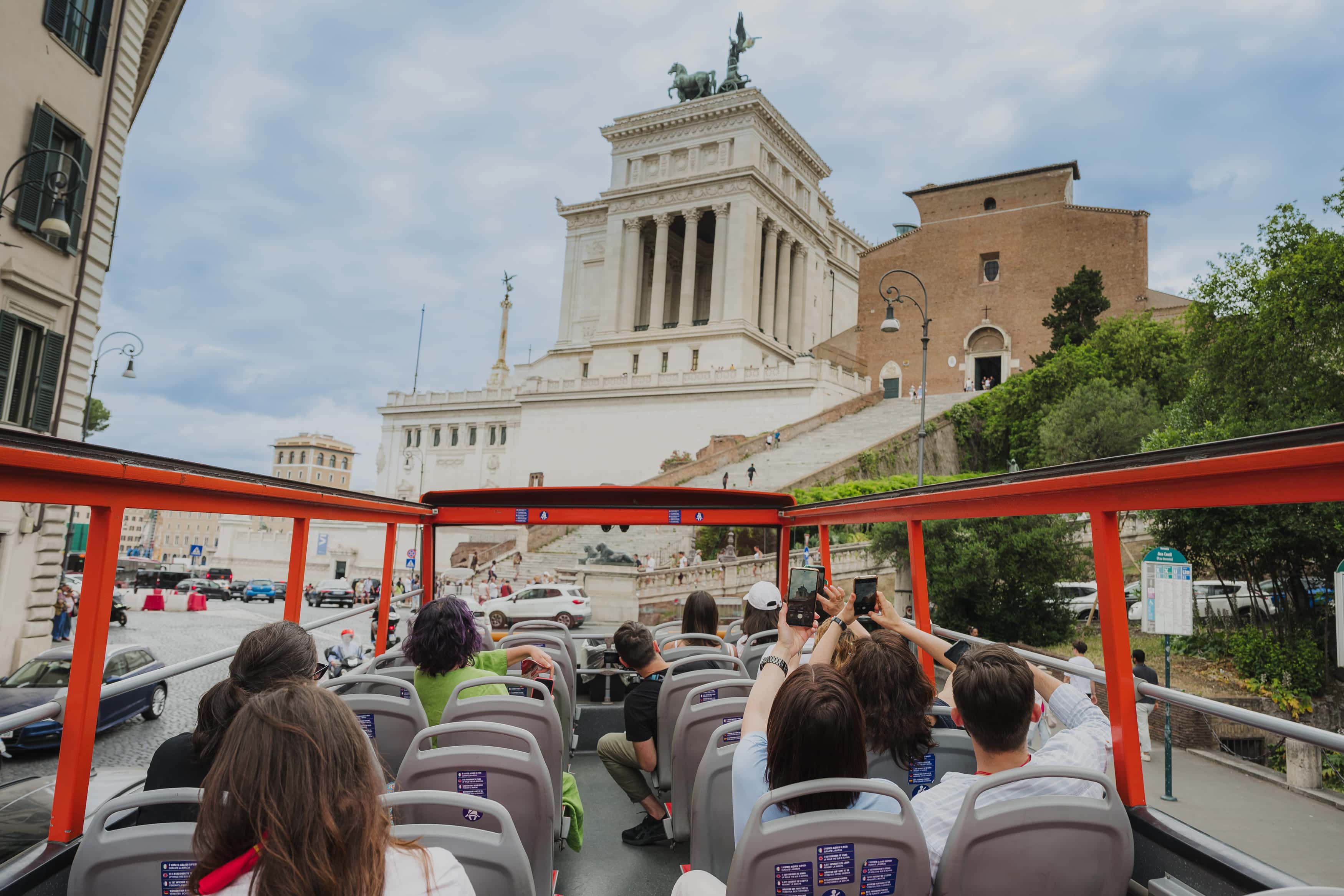
Mit dem Hop-On Hop-Off-Bus: Jede Sightseeing-Route Roms führt an der Piazza Venezia vorbei, die Sie am Fuße der Treppe platziert. Unsere Hop-On Hop-Off Sightseeing Tour Rom beginnt ab 18,27 €, und das Daily Ticket bietet Ihnen unbegrenzte Sprünge am selben Tag ab 23,02 €. Es lohnt sich, wenn das Kapitol (Campidoglio) ein Stopp an einem langen Sightseeing-Tag ist und Ihre Beine bereits müde sind.
Barrierefreiheit: Die Cordonata ist eine gestufte Rampe, nicht stufenlos. Nutzen Sie die Via delle Tre Pile für eine schräge Zufahrt oder den Aufzug in den Kapitolinischen Museen, sobald Sie eine Eintrittskarte haben.
Die Kostenlose Dachterrasse Über dem Platz
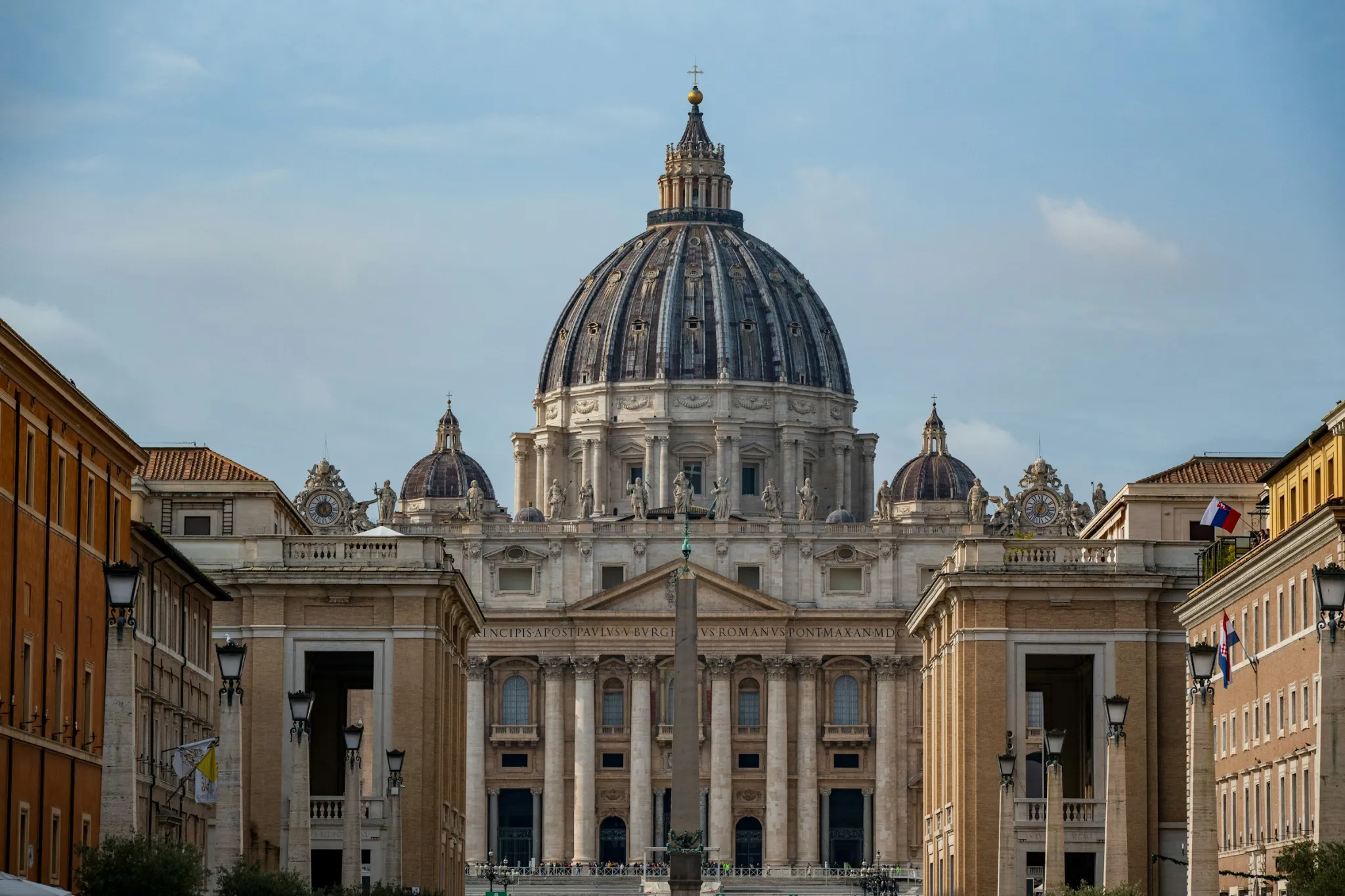
Im Piazzale Caffarelli 4, im obersten Stockwerk des Museumsgebäudes, befinden sich die Terrazza Caffarelli und ihr Caffè Capitolino. Die Terrasse blickt über die Dächer Roms in Richtung des Petersdoms.
Sie benötigen kein Museumsticket, um hinaufzugehen. Es gibt einen separaten Außeneingang, der von der Campidoglio-Treppe über die Via delle Tre Pile erreichbar ist und täglich von ca. 9:30 bis 19:00 Uhr geöffnet ist. Die Kaffeepreise sind die normalen römischen Barpreise, was für eine solche Aussicht ungewöhnlich ist. Wenn ein Wachmann an der Tür steht, sagen Sie, dass Sie zur Bar gehen.
Was gibt es sonst noch in fünf Minuten?
- Santa Maria in Aracoeli — kostenlose Kirche an der Spitze der 124 Stufen, mit den Pinturicchio-Fresken
- Altare della Patria (Vittoriano) — gleich nebenan, mit einer kostenpflichtigen Panoramalift auf das Dach
- Mamertinische Gefängnis (Carcer Tullianum) — in der Via di San Pietro in Carcere am Fuße des Hügels, kostenpflichtig, wo Rom seine Staatsgefangenen festhielt
- Trajansmärkte und Kaiserforen — 5 Gehminuten entlang der Via dei Fori Imperiali
- Das jüdische Ghetto — 7 Minuten bergab, und die beste Mittagsoption in der Gegend
- Das Pantheon — 12 Gehminuten entfernt. Wenn Sie einen Besuch im Inneren planen, unser Pantheon-Eintrittskarte mit mehrsprachigem Audioguide ab 10 € erspart Ihnen die Warteschlange am Ticketschalter.
Fünf Fehler, die Besucher auf dem Kapitolshügel machen
- Sie denken, die Statue von Marcus Aurelius auf dem Platz sei das Original. Es ist eine Kopie von 1997. Das Original befindet sich drinnen, hinter einer Museumskasse.
- Nie hinter dem Senatorenpalast. Die beste kostenlose Aussicht in der Gegend, die die meisten Leute auf dem Platz verpassen.
- Ein offizielles Museumsticket für ein festes Datum kaufen und es dann verlieren. Offizielle Vorauskasse-Tickets sind weder erstattungsfähig noch umtauschbar.
- Die 124 Aracoeli-Stufen im August im heißen Wetter aus Versehen erklimmen, wenn die sanfte Cordonata direkt daneben ist.
- Die Kapitolinischen Museen mit dem Vittoriano verwechseln. Zwei verschiedene Gebäude, zwei verschiedene Tickets, eine sehr häufig verschwendete Stunde.
FAQ Piazza del Campidoglio
Ist die Piazza del Campidoglio kostenlos? Ja. Der Platz, die Cordonata-Treppe und der Forum-Aussichtspunkt hinter dem Palazzo Senatorio sind alle kostenlos und 24 Stunden am Tag geöffnet. Nur die Kapitolinischen Museen in den Seitenpalästen benötigen ein Ticket.
Wie viel kosten Tickets für die Kapitolinischen Museen im Jahr 2026? 15,00 € für Erwachsene, wenn keine Sonderausstellung läuft, und 20,50 € während Ausstellungsperioden. Ermäßigte Preise betragen 9,50 € und 15,00 €. Der Online-Kauf fügt eine Vorverkaufsgebühr von 1,00 € hinzu.
Schließen die Kapitolinischen Museen montags? Nein. Sie sind täglich von 9:30 bis 19:30 Uhr geöffnet, letzter Einlass um 18:30 Uhr. Sie schließen nur am 1. Mai und am 25. Dezember.
Welcher der sieben Hügel Roms ist der Kapitolshügel? Der Kapitolshügel ist der kleinste der sieben Hügel und liegt zwischen dem Forum Romanum und dem Marsfeld. Er war das religiöse Zentrum des antiken Roms und ist heute Sitz der Stadtregierung.
Kann man den Palazzo Senatorio betreten? Nicht als Tourist. Es ist das Rathaus von Rom. Das darunter liegende Tabularium ist jedoch Teil der Route der Kapitolinischen Museen und mit einer Museumseintrittskarte zugänglich.
Wie viel Zeit benötigen Sie auf der Piazza del Campidoglio? Etwa 20-30 Minuten für den Platz, die Statuen und den Aussichtspunkt auf das Forum. Planen Sie 2-3 Stunden zusätzlich ein, wenn Sie die Kapitolinischen Museen besuchen.
Befindet sich die Statue der Kapitolinischen Wölfin auf dem Platz? Nein. Das originale Bronzestück befindet sich im Palazzo dei Conservatori. Eine Kopie steht auf einer Säule auf der nahegelegenen Außenterrasse.
Ist die Piazza del Campidoglio nachts einen Besuch wert? Ja. Sie ist nach 21:00 Uhr beleuchtet, geöffnet und fast leer, und der Blick auf das Forum von der Terrasse hinter dem Rathaus ist dann am eindrucksvollsten.
Planen Sie den Rest Ihres Tages im antiken Rom
Die Campidoglio-Terrasse bietet Ihnen die Aussicht. Das Forum darunter bietet Ihnen die Substanz, und es ist der Teil, den fast niemand ohne Hilfe versteht.
Beginnen Sie mit unseren Kolosseum-Tickets mit Audioguide & Erkunden Sie das antike Rom in Ihrem eigenen Tempo ab 31,50 €, wenn Sie sich gerne in Ihrem eigenen Tempo bewegen möchten, oder mit der Kolosseum-Führung mit Forum Romanum & Palatin ab 72,17 €, wenn Sie einen lizenzierten Reiseführer und eine Gruppe von maximal 20 Personen wünschen. Beide beinhalten kostenlose Stornierung und sofortige mobile Tickets, sodass Sie jetzt ein Datum festlegen und Ihre Meinung immer noch ändern können.
Verfasst von
Get Your Roman Tours Team
Wir sind ein lizenzierter Reiseveranstalter mit Sitz in Rom (Get Your Roman Tours S.R.L.S.). Unsere Guides führen jede Woche Touren an diesen Orten — alles hier stammt aus eigener Erfahrung. Über uns · Fragen Sie uns