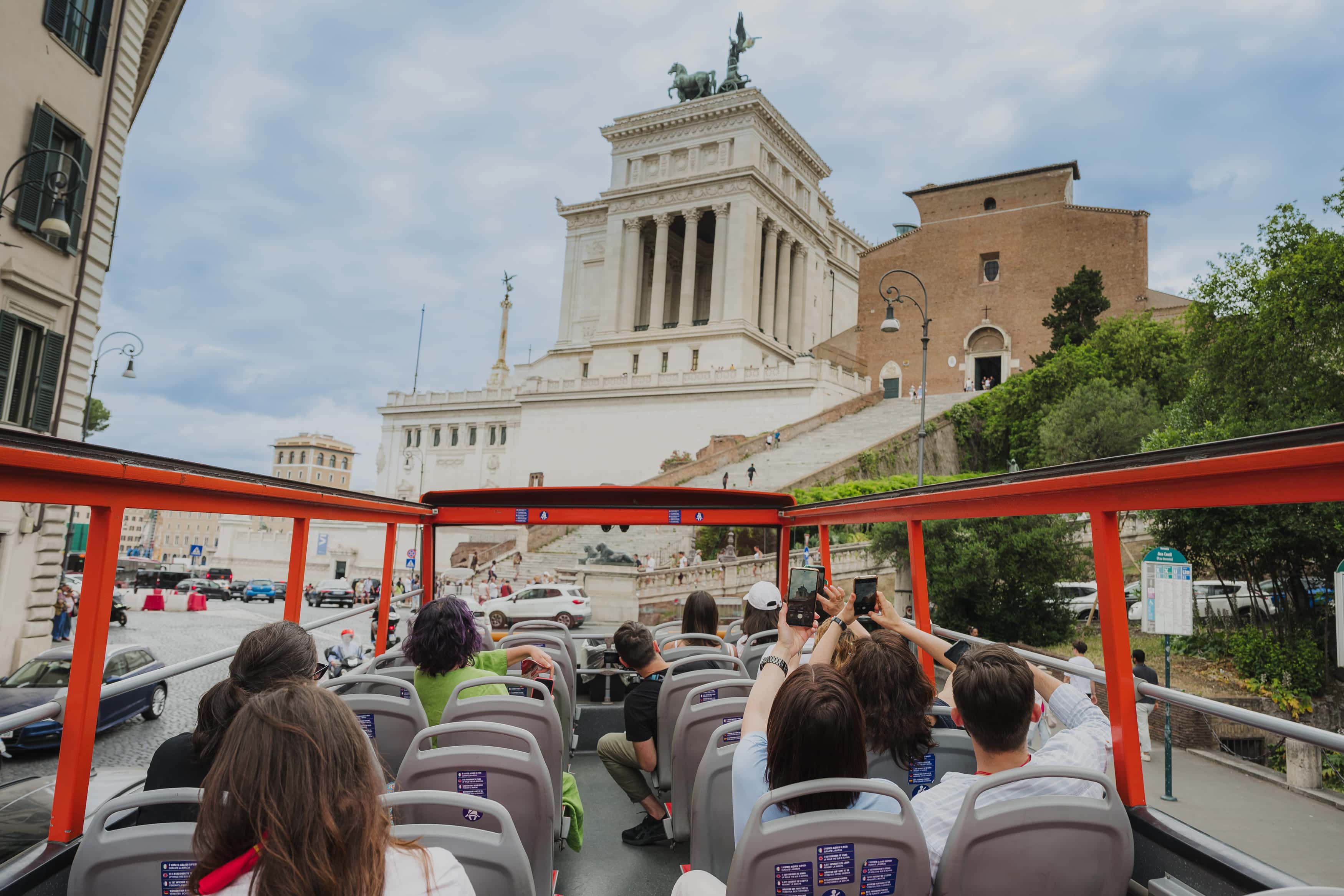
Palatin-Hügel: Wo Rom Gegründet Wurde, Laut Legende

Der römischen Legende zufolge ist dies genau der Hügel, auf dem Romulus 753 v. Chr. die Stadt Rom gründete, nachdem er und sein Zwillingsbruder Remus bekanntermaßen von einer Wölfin in der Nähe aufgezogen worden waren. Ob Sie den Gründungsmythos wörtlich nehmen oder nicht, archäologische Beweise zeigen tatsächlich, dass der Palatin-Hügel einer der frühesten kontinuierlich bewohnten Teile Roms war, mit Spuren von Hütten der Eisenzeit, die etwa auf die Zeit zurückgehen, die die Legende beansprucht, ein seltener Fall, in dem Mythos und Archäologie zumindest teilweise übereinstimmen.
Zur Zeit des Kaiserreichs war der Palatin-Hügel zur exklusivsten Adresse Roms geworden, gesäumt von den Palästen der Kaiser und der reichsten Aristokraten. Das Wort „Palast" selbst leitet sich direkt von „Palatin" ab, ein sprachlicher Fingerabdruck davon, wie gründlich dieser einzelne Hügel das Konzept der kaiserlichen Residenz für den Rest der westlichen Geschichte definierte.
Was noch steht
- Das Haus des Augustus und das Haus der Livia, nach kaiserlichen Maßstäben bescheiden, mit überlebenden Fresken, die für ihr Alter bemerkenswert lebendig sind
- Die Domus Flavia und Domus Augustana, weitläufige Palastkomplexe, erbaut von Kaiser Domitian
- Das Stadion des Domitian, ein langer versenkter Garten in Form einer Rennbahn, hauptsächlich dekorativ
- Die Farnesischen Gärten, eine Ergänzung aus dem 16. Jahrhundert, über den Ruinen erbaut, die heute einige der besten Ausblicke des gesamten Geländes bieten
Die Aussicht, die den Aufstieg lohnenswert macht
Der einzig beste Grund, den Palatin-Hügel zu einem Forum/Kolosseum-Besuch hinzuzufügen, ist die Aussicht: von den Farnesischen Gärten und mehreren anderen Aussichtspunkten entlang des Hügels erhalten Sie einen weiten Blick zurück über das gesamte Forum Romanum, der die verstreuten Ruinen darunter zu einem einzigen zusammenhängenden Bild zusammenfügt, das viel schwerer zu erfassen ist, wenn man auf Bodenniveau hindurchgeht. An klaren Tagen erstreckt sich die Aussicht noch weiter, über die Dächer des Zentrums Roms zur Kuppel der Petersbasilika in der Ferne.
Ein ruhigeres Tempo als Kolosseum oder Forum
Der Palatin-Hügel zieht tendenziell merklich weniger Besucher an als das Kolosseum und Forum darunter, teils weil er einen Aufstieg erfordert und teils weil seine Ruinen ohne Kontext weniger unmittelbar lesbar sind. Diese relative Ruhe ist selbst ein Verkaufsargument, nach den dichten Menschenmengen des Kolosseums bietet der Hügel eine wirklich ruhigere, fast gartenartige Atmosphäre, mit schattigen Wegen und Bänken, die ihn zu einem angenehmen Ort machen, um sich mitten in einem Tag im antiken Rom auszuruhen.
Praktische Besuchsinformationen
Der Palatin-Hügel ist im selben Kombiticket wie das Kolosseum und Forum Romanum enthalten, mit einem 24 Stunden gültigen Eintritt zu jedem. Es ist kein separates Ticket nötig, wenn Sie bereits den Kombipass haben, folgen Sie einfach den ausgeschilderten Wegen vom Forum nach oben, da sich der Hügel direkt mit dem Forum verbindet, ohne durch ein separates Tor aus- und wieder eintreten zu müssen.
-
Tragen Sie gute Schuhe, die Wege den Hügel hinauf sind steiler und uneinheitlicher als die flachen Teile des Forums
-
Bringen Sie Wasser mit, hier gibt es mehr Schatten als im Forum, aber die Einrichtungen bleiben begrenzt
-
Heben Sie sich den Aussichtspunkt der Farnesischen Gärten für zuletzt auf, als natürlichen Abschlusspunkt Ihres Besuchs
-
Planen Sie 45-60 Minuten ein, mehr, wenn Sie die Palastruinen vollständig erkunden möchten
Der Mythos von Romulus und Remus
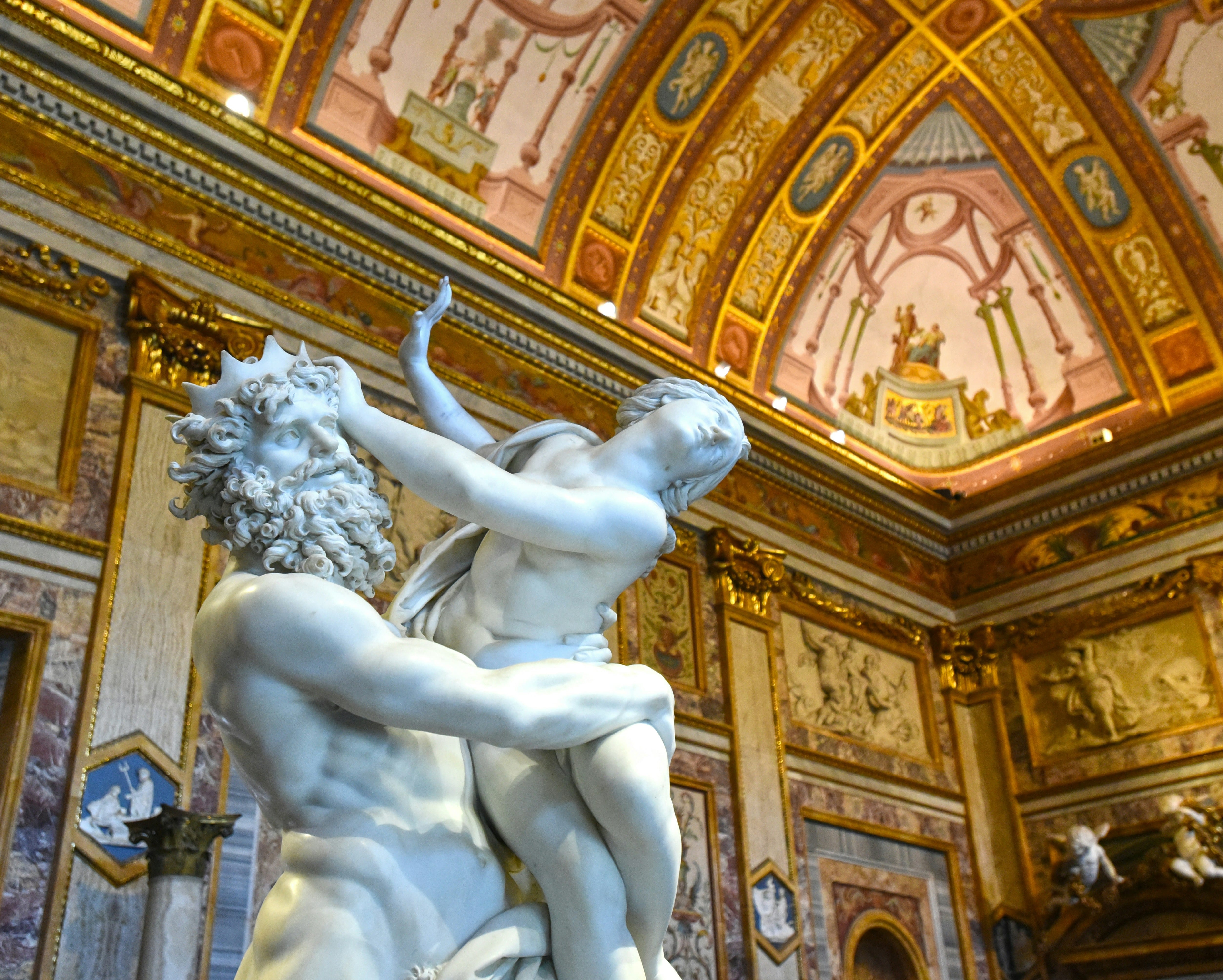
Die Gründungslegende geht ungefähr so: Die Zwillingsbrüder Romulus und Remus, als Säuglinge ausgesetzt und von einer Wölfin in einer Höhle auf oder nahe diesem Hügel aufgezogen (traditionell als Lupercal identifiziert), wuchsen auf, um eine neue Stadt zu gründen. Ein Streit darüber, wo genau sie gebaut werden sollte (und wer sie führen würde) endete damit, dass Romulus Remus tötete und Rom allein auf dem Palatin-Hügel gründete, wodurch die Stadt ihren Namen erhielt. Archäologen haben identifiziert, was die Lupercal-Höhle selbst sein könnte, entdeckt unter dem Hügel in den 2000er Jahren, was einer lange als reine Legende behandelten Geschichte eine Schicht echter physischer Beweise hinzufügt.
Kaiserliches Leben auf dem Hügel
Auf dem Palatin-Hügel zu leben war jahrhundertelang das klarste mögliche Signal dafür, sich im absoluten Zentrum römischer Macht zu befinden. Augustus baute bewusst seine Residenz hier, um sich mit dem Gründungsmythos zu assoziieren, und nachfolgende Kaiser folgten diesem Beispiel, jeder fügte Teile des Palastkomplexes hinzu oder baute sie um, um sie an seine eigene Herrschaft anzupassen. Auf dem Höhepunkt des Reiches war der Hügel effektiv zu einem einzigen durchgehenden Palastkomplex geworden, der nicht nur den Kaiser, sondern auch den Verwaltungsapparat beherbergte, der nötig war, um ein Reich zu führen, das sich über drei Kontinente erstreckte.
Häufig gestellte Fragen
Ist der Palatin-Hügel im Kolosseum-Ticket enthalten?+
Ja, das Standard-Kombiticket deckt Kolosseum, Forum Romanum, und Palatin-Hügel ab, mit einem Eintritt zu jedem innerhalb eines 24-Stunden-Fensters.
Wie anstrengend ist der Aufstieg?+
Mäßig, es gibt einige Steigungen und unebene Steinwege, aber nichts, was ernsthafte Fitness erfordert. Die meisten Besucher mit durchschnittlicher Mobilität bewältigen ihn bequem.
Was ist die beste Aussicht auf dem Hügel?+
Die Terrasse der Farnesischen Gärten, die den gesamten Schwung des darunterliegenden Forum Romanum überblickt, gilt im Allgemeinen als der herausragende Aussichtspunkt.
Lohnt sich der Besuch des Palatin-Hügels, wenn ich wenig Zeit habe?+
Wenn Sie wählen müssen, haben Kolosseum und Forum höhere Priorität, aber wenn Sie etwas zusätzliche Zeit haben, ist die Aussicht des Hügels über das Forum eine der besten Fotogelegenheiten im gesamten Gebiet des antiken Roms.
Das Palatin-Museum
Innerhalb der Stätte versteckt, beherbergt das kleine Palatin-Museum Artefakte, die in den letzten zwei Jahrhunderten vom Hügel ausgegraben wurden, einschließlich Skulpturfragmente, dekorative Elemente, und Alltagsgegenstände, die Details ausfüllen, die die stehenden Ruinen allein nicht vermitteln können. Es ist ein relativ schneller Stopp (die meisten Besucher verbringen 15-20 Minuten drinnen), aber es ist eine lohnende Ergänzung zum Gehen durch die Palastruinen selbst, besonders für jeden, der neugierig auf das tägliche kaiserliche Leben jenseits der bloßen Architektur ist.
Wie der Hügel das Wort „Palast" in ganz Europa prägte
Es lohnt sich innezuhalten, wie direkt sich der Name des Palatin-Hügels in die moderne Sprache verbreitete. Das lateinische „Palatium", das sich auf die hier erbauten kaiserlichen Residenzen bezog, wurde zu „palazzo" im Italienischen, „palace" im Englischen, „palais" im Französischen, und ähnlichen Formen in den meisten europäischen Sprachen, die alle auf diesen einen bestimmten Hügel in Rom zurückgehen. Nur wenige Orte irgendwo haben diese Art direkten sprachlichen Fingerabdruck darauf hinterlassen, wie ein ganzer Kontinent über großartige Wohnarchitektur spricht, ein Detail, das viele Besucher denkwürdiger finden als die Ruinen selbst.
Ausgrabungsgeschichte und laufende Arbeiten
Archäologische Arbeiten am Palatin-Hügel wurden seit dem 19. Jahrhundert in Phasen fortgesetzt, wobei jede Generation von Ausgrabungstechnologie neue Schichten unter dem enthüllte, was frühere Archäologen bereits aufgedeckt hatten. Die als möglicher Lupercal identifizierte Höhle, entdeckt 2007 etwa 16 Meter unter der Oberfläche des Hügels, ist einer der bedeutenderen jüngeren Funde, entdeckt mit bodendurchdringendem Radar und einer durch eine schmale Öffnung herabgelassenen Fernkamera, eine Erinnerung daran, dass selbst eine so gründlich untersuchte Stätte noch mehr zu enthüllen hat.
Eine praktische Anmerkung zur Kombination von Stätten an einem Tag
Da sich der Palatin-Hügel direkt mit dem Forum verbindet, ohne separaten Aus- und Eingang, ist es am effizientesten, Kolosseum, Forum, und Palatin-Hügel als einen durchgehenden Besuch statt als drei separate Ausflüge zu behandeln. Am Kolosseum zu beginnen, durch das Forum zu gehen, und auf dem Hügel zu enden, lässt Sie Ihren Besuch am besten Aussichtspunkt des gesamten Komplexes beenden, mit dem Forum unter Ihnen ausgebreitet als eine Art natürliche Zusammenfassung all dessen, was Sie gerade durchquert haben.
Die Fresken im Haus der Livia
Zu den auffälligsten überlebenden Details des Hügels gehören die bemalten Fresken im Haus des Augustus und im Haus der Livia, kleine, relativ bescheidene Residenzen nach den Maßstäben späterer Kaiserpaläste, aber dekoriert mit lebhaft gefärbten Wandmalereien, die architektonische Illusionen, Girlanden, und mythologische Szenen darstellen, die angesichts ihres Alters bemerkenswerte Farbintensität bewahrt haben. Der Zugang zu diesen bestimmten Räumen ist manchmal begrenzt oder rotiert, um die zerbrechlichen Pigmente zu schützen, daher lohnt es sich, die aktuellen Besuchsregelungen zu prüfen, wenn das Sehen dieser Räume speziell eine Priorität für Ihren Besuch ist.

Warum Augustus hier Bescheidenheit wählte
Trotz des späteren Rufs des Palatin-Hügels für opulenten Exzess unter Kaisern wie Domitian war Augustus' eigene Residenz hier bewusst zurückhaltend, bescheiden in Umfang und Dekoration im Vergleich zu dem, was aristokratische Römer seiner Zeit für sich selbst hätten bauen können. Dies war eine kalkulierte politische Entscheidung: Augustus arbeitete während seiner gesamten Herrschaft hart daran, sich als bescheidener Diener der Republik statt als Autokrat zu präsentieren, und ein vergleichsweise bescheidenes Haus auf dem mit Roms Gründungsmythos verbundenen Hügel verstärkte dieses sorgfältig gepflegte öffentliche Image. Spätere Kaiser gaben diese Zurückhaltung fast vollständig auf, was Teil des Grundes ist, warum die späteren Palastkomplexe auf dem Hügel so viel größer und aufwendiger sind als Augustus' ursprüngliche Residenz.
Popular tours & tickets
Saisonale Überlegungen für den Besuch des Hügels
Da der Palatin-Hügel merklich mehr Baumbedeckung und schattige Wege hat als das offene Forum darunter, ist er während der heißesten Sommerzeiten ein relativ angenehmerer Stopp, was ihn zu einem vernünftigen Ort macht, um eine etwas längere Pause zu planen, wenn die Mittagshitze während eines Tages im antiken Rom zum Problem wird. Der Frühling bringt die Farnesischen Gärten zur vollen Blüte und fügt dem Spaziergang auf dem Hügel eine Schicht aus Farbe und Duft hinzu, die den Rest des Jahres weitgehend fehlt.
Das Stadion des Domitian aus der Nähe
Oft auf den ersten Blick mit einem versenkten Garten verwechselt, wurde die lange rechteckige Vertiefung, bekannt als Stadion des Domitian, tatsächlich als privater sportlicher und Unterhaltungsraum für kaiserliche Nutzung erbaut, lose nach griechischen Stadiondesigns modelliert, aber für persönliches statt öffentliches Spektakel verkleinert. Seine Form (ein langes, schmales Oval) ist heute noch klar in der Landschaftsgestaltung erkennbar, und an einem Ende zu stehen und seine Länge entlangzublicken, vermittelt ein einigermaßen genaues Gefühl seiner ursprünglichen Proportionen, obwohl keiner der ursprünglichen Überbauten über dem Bodenniveau überlebt.
Der Palatin-Hügel im Vergleich zur Kolosseum- und Forum-Erfahrung
Besucher, die sich vom Kolosseum und Forum zum Palatin-Hügel bewegen, bemerken oft einen deutlichen Tonwechsel: das Kolosseum dreht sich um Größe und Spektakel, das Forum um zivile und religiöse Geschichte, und der Palatin-Hügel ist im Gegensatz dazu persönlicher und häuslicher, dies waren Wohnhäuser, Gärten, und private Räume statt öffentlicher Orte, auch wenn sie zufällig den mächtigsten Menschen der antiken Welt gehörten. Sich dem Hügel mit diesem Gedanken zu nähern, nach Spuren des kaiserlichen Alltagslebens zu suchen, statt ein weiteres monumentales öffentliches Gebäude zu erwarten, führt tendenziell zu einem befriedigenderen Besuch.
Was man vorher lesen oder wissen sollte
Eine grundlegende Vertrautheit damit, welche Kaiser hier lebten und ungefähr wann (zuerst Augustus, dann spätere Erweiterungen unter Tiberius, Caligula, und besonders Domitian) macht das ansonsten verwirrende Layout überlappender Palastfundamente vor Ort erheblich leichter nachvollziehbar. Selbst ein paar Minuten, um vor der Ankunft eine einfache Zeitleiste zu überprüfen, zahlen sich erheblich aus, sobald Sie zwischen Ruinen stehen, die ohne diesen Kontext wie ein undifferenziertes Labyrinth aus alten Mauern und Fundamenten aussehen können.
Mythen, Legenden, und was die Archäologie tatsächlich stützt
Über Romulus und Remus hinaus trägt der Palatin-Hügel ein Netz verwandter Legenden, einschließlich der Geschichte des Lupercalia-Festes, eines alten Fruchtbarkeitsrituals, das jährlich am vermeintlichen Ort der Wolfshöhle abgehalten wurde, bei dem Priester durch die Straßen liefen und Zuschauer mit Ziegenhautstreifen schlugen, eine Praxis, von der man glaubte, sie fördere die Fruchtbarkeit. Manche Gelehrte verbinden die Geografie dieses Rituals direkt mit der Identifizierung des Hügels als Gründungsstätte der Stadt, was verstärkt, wie gründlich römische religiöse Praxis an bestimmte, physisch markierte Orte gebunden war, statt nur an abstrakten Glauben. Die Archäologie kann frühe Bewohnung der Eisenzeit auf dem Hügel bestätigen, die zum groben Zeitrahmen der Gründungslegende passt, kann aber nicht die spezifischen Erzähldetails über Zwillingsbrüder und eine Wölfin bestätigen, diese bleiben fest im Reich kulturellen Gedächtnisses und Mythos, auch wenn es ein Mythos ist, den die antiken Römer selbst als ihre eigene Ursprungsgeschichte ernst nahmen.
Praktische Tipps für die Fotografie auf dem Hügel
-
Fotografieren Sie die Forumsaussicht von den Farnesischen Gärten am späten Nachmittag für warmes Licht auf den Ruinen darunter
-
Die Fresken im Haus des Augustus sind schwach beleuchtet, bringen Sie eine ruhige Hand mit oder akzeptieren Sie eine höhere ISO-Einstellung
-
Weitwinkelaufnahmen funktionieren am besten, um die volle ovale Form des Stadions des Domitian einzufangen
-
Vermeiden Sie den Mittag für Außenaufnahmen, hartes Licht flacht die Textur des Mauerwerks ab
Was sich in den späteren Jahrhunderten des Reiches änderte
Bis zum 3. und 4. Jahrhundert n. Chr., als sich der politische Schwerpunkt des Reiches zu verschieben und schließlich zu spalten begann, schwand die Rolle des Palatin-Hügels als primärer Sitz kaiserlicher Macht allmählich, wobei spätere Kaiser zunehmend anderswo residierten, einschließlich schließlich Konstantinopel nach Konstantins Reformen. Die Paläste des Hügels verfielen langsam statt plötzlich verlassen zu werden, was die breitere, allmähliche Natur des eventuellen Falls des Weströmischen Reiches widerspiegelt statt eines einzigen dramatischen Zusammenbruchs, ein nützliches Korrektiv zum populären Bild von Roms Niedergang als einzelnes katastrophales Ereignis statt eines jahrhundertelangen Prozesses, der in der Archäologie von Stätten genau wie dieser sichtbar ist.

Eine Stätte, die bei einem zweiten Rom-Besuch am besten gewürdigt wird
Viele häufige Rom-Besucher geben zu, dass der Palatin-Hügel während ihrer ersten Reise überhaupt nicht auf ihrem Radar war, da sie ihre begrenzte Zeit und Energie ganz auf das Kolosseum und einen schnellen Gang durch das Forum verwendet hatten. Speziell zurückzukehren, um dem Hügel die richtige Aufmerksamkeit zu schenken, ist ein häufiges Muster, und eines, das es wert ist, abzukürzen, wenn Sie können, es gibt keinen wirklichen Grund, auf einen zweiten Besuch zu warten, wenn der Hügel bereits im selben Ticket wie die anderen beiden Stätten enthalten ist, verbunden durch denselben durchgehenden Weg, und wohl die einzige beste Fotogelegenheit des gesamten antiken Rom-Komplexes bietet.
Pflanzen und Landschaftsgestaltung über die Jahrhunderte
Die Farnesischen Gärten, im 16. Jahrhundert von der mächtigen Familie Farnese direkt über den Ruinen von Tiberius' Palast angelegt, gehörten zu den ersten botanischen Gärten Europas, ursprünglich genutzt, um exotische Pflanzen zu kultivieren, die von der Renaissance-Ära-Expansion von Handel und Erkundung mitgebracht wurden. Die heutigen Bepflanzungen sind bescheidener und dekorativer als die ursprüngliche botanische Sammlung, aber die Gärten bieten immer noch willkommenes Grün und Schatten in einer Stätte, die sonst von freiliegendem Stein und Ziegel dominiert wird, was sie ebenso angenehm zum bloßen Durchgehen wie historisch interessant macht.
Ein letztes Detail, das sich zu wissen lohnt
Halten Sie Ausschau nach den Ziegelstempeln, die noch auf einigen der Palastwände sichtbar sind, kleine eingeschriebene Markierungen, die von den Werkstätten hinterlassen wurden, die die Ziegel herstellten, und den Hersteller und manchmal das Datum identifizierten. Diese Stempel sind eines der zuverlässigeren Werkzeuge, die Archäologen verwenden, um verschiedene Bauphasen auf dem Hügel zu datieren, und verwandeln eine sonst unauffällig aussehende Ziegelwand in ein kleines, datierbares Stück historischer Beweise, sobald man weiß, danach zu suchen.
Eine Anmerkung zu geführten versus unabhängigen Besuchen
Da die Ruinen des Hügels noch weniger selbsterklärend sind als die des Forums, fügt ein Führer hier wohl mehr Wert hinzu als an jedem anderen einzelnen Stopp des Kombitickets. Unabhängige Besucher mit einem guten Reiseführer oder Audioguide können immer noch viel daraus ziehen, aber jene, die mit einem sachkundigen menschlichen Führer touren, berichten durchweg, Details und Geschichten zu bemerken (welcher Palast zu welchem Kaiser gehörte, warum eine bestimmte Wand überlebte, während eine andere nicht), die man sonst leicht ganz übersieht.
Letztes Wort
Der Palatin-Hügel ist auf dem Papier leicht zu unterschätzen (er ist die am wenigsten berühmte der drei Stätten im Kombiticket), aber er überrascht durchweg Besucher, die sich Zeit dafür nehmen, und bietet sowohl ein ruhigeres Tempo als auch den einzig besten Aussichtspunkt über alles andere, was sie gerade erkundet haben. Wenn Sie nur Energie für einen zusätzlichen Stopp über Kolosseum und Forum hinaus haben, machen Sie es diesen.
Kombinieren Sie alle drei antiken Stätten in einem Ticket. Buchen Sie Tickets für Kolosseum, Forum, und Palatin-Hügel.
Verfasst von
Get Your Roman Tours Team
Wir sind ein lizenzierter Reiseveranstalter mit Sitz in Rom (Get Your Roman Tours S.R.L.S.). Unsere Guides führen jede Woche Touren an diesen Orten — alles hier stammt aus eigener Erfahrung. Über uns · Fragen Sie uns