Forum Boarium: Roms Antiker Viehmarkt und Seine Erhaltenen Tempel

Versteckt am Tiberufer nahe der Tiberinsel und der Bocca della Verità-Kirche ist das Forum Boarium eine von Roms ruhigsten und am meisten übersehenen antiken Stätten, was seltsam ist, wenn man bedenkt, dass es einst das geschäftigste Handelsviertel der Stadt war und zwei der am besten erhaltenen Tempel aus republikanischer Zeit in ganz Italien beherbergt. Die meisten Reisenden gehen direkt daran vorbei auf dem Weg, den Mund der Wahrheit zu fotografieren, ohne je zu bemerken, dass sie gerade das durchquert haben, was jahrhundertelang das schlagende kommerzielle Herz des antiken Roms war.
„Forum Boarium" übersetzt sich wörtlich zu „Rinderforum" oder „Ochsenmarkt", und genau das war es: Roms wichtigster Vieh- und Allgemeinwarenmarkt, strategisch dort positioniert, wo der Tiber flach genug war, um durchwatet zu werden, und nah genug am Flusshafen, um Waren zu empfangen, die aus dem gesamten Mittelmeerraum verschifft wurden.
Warum genau dieser Ort Roms Marktplatz wurde
Der Standort war kein Zufall. Das Forum Boarium lag am Zusammentreffen mehrerer Vorteile: es lag nahe dem Pons Sublicius, der traditionell als Roms älteste Brücke gilt, es grenzte an den Haupt-Flusshafen des Tibers (den Portus Tiberinus), und es lag knapp außerhalb der ursprünglichen Grenze der eigentlichen Stadt, was es zu einem natürlichen Treffpunkt für Händler machte, die Waren von außerhalb der Mauern Roms brachten. Rinder, Schafe, und anderes Vieh, das aus der umliegenden Landschaft getrieben wurde, wurde hier verkauft, neben importierten Waren, die von Flussbooten entladen wurden. Manche Historiker glauben, dass die kommerzielle Rolle der Stätte der traditionellen Gründung Roms selbst vorausgeht, was sie zu einem der ältesten durchgehend genutzten Grundstücke der Stadt macht.
Im Laufe der Jahrhunderte wuchs die Bedeutung des Gebiets nur weiter. Zum Ende der Republik beherbergte das Forum Boarium nicht nur Märkte, sondern auch religiöse Prozessionen, Triumphzüge auf dem Weg zum Kapitolshügel, und gelegentliche Spektakel vor dem Bau eigens dafür bestimmter Arenen, ein Mehrzweck-Öffentlichkeitsraum im dichtesten, kommerziell aktivsten Teil der antiken Stadt.
Der Tempel des Hercules Victor (der runde)
Das bekannteste Denkmal der Stätte ist ein kleiner, eleganter Rundtempel, oft noch auf älteren Karten und Beschilderungen als „Vesta-Tempel" bezeichnet, eine historische Fehlbezeichnung, da runde Tempel von früheren Antiquaren fast automatisch als Vesta gewidmet angenommen wurden. Die moderne Forschung hat ihn fest dem Hercules Victor („Hercules der Siegreiche") zugeordnet, erbaut im späten 2. Jahrhundert v. Chr., wahrscheinlich finanziert von einem wohlhabenden Ölhändler, der für Handelserfolg dankbar war, da Hercules in der römischen Religion eng mit Handel und erfolgreichem Unternehmertum verbunden war.
- Gebaut aus pentelischem Marmor (demselben geschätzten Marmor, der nahe Athen abgebaut und für den Parthenon verwendet wurde), was ihn zu einem der frühesten Gebäude Roms macht, das importierten griechischen Marmor statt lokalen Steins verwendete
- Umgeben von 20 korinthischen Säulen, von denen 19 weitgehend intakt überlebt haben, was ihm eine der vollständigsten antiken Säulenreihen verleiht, die irgendwo in der Stadt noch stehen
- Im Mittelalter in eine christliche Kirche umgewandelt (Santa Maria del Sole), was der Hauptgrund ist, warum er fast intakt überlebte, statt wie so viele andere antike Bauwerke als Baumaterial abgetragen zu werden
Sein kleiner Maßstab und runder Grundriss machen ihn auf den ersten Blick leicht zu unterschätzen, aber die Qualität seines Marmors und das Überleben fast seiner gesamten Säulenreihe machen ihn zu einem der architektonisch bedeutendsten republikanischen Gebäude, die in Rom übrig geblieben sind, wohl strukturell besser erhalten als weit berühmtere Stätten.
Der Portunus-Tempel (der rechteckige)
In der Nähe steht ein zweiter, rechteckiger Tempel, allgemein als Portunus-Tempel identifiziert, dem römischen Gott der Schlüssel, Türen, des Viehs, und (entscheidend für diesen Uferhandelsposten) der Häfen und Hafenanlagen. Erbaut um das späte 2. oder frühe 1. Jahrhundert v. Chr., steht er auf einem erhöhten Podium mit einer tiefen Vorhalle ionischer Säulen an der Vorderseite, ein Lehrbuchbeispiel eines italischen Tempels, der etruskische Architekturtraditionen mit importierten griechischen dekorativen Details verbindet.
- Vier freistehende ionische Säulen quer über die Vorderfront, mit zusätzlichen angebauten (Halbsäulen, die in die Wand eingebaut sind) Säulen entlang der Seiten und der Rückseite, eine hybride Technik, charakteristisch für römisches Tempeldesign
- Wie sein runder Nachbar verdankt er sein Überleben der Umwandlung in eine Kirche (Santa Maria Egiziaca) während der mittelalterlichen Periode
- In den 1990er Jahren umfassend restauriert, weshalb sein Travertin- und Tuffstein-Mauerwerk deutlich sauberer und schärfer aussieht als viele von Roms verwitterteren Ruinen
Zusammen bilden diese beiden Tempel einen der wenigen Orte in Rom, wo man einen runden republikanischen Tempel und einen rechteckigen republikanischen Tempel im Wesentlichen Seite an Seite stehen sehen kann, in etwa ihrer ursprünglichen Uferlage, eine seltene, intakte Momentaufnahme der Art von religiöser Architektur, die in der gesamten antiken Stadt üblich gewesen wäre, bevor spätere Umbauten das meiste davon hinwegfegten.
Der Bogen des Janus und andere nahegelegene Ruinen
Einen kurzen Fußweg von den beiden Tempeln entfernt steht der Bogen des Janus (Arco di Giano), ein massiger vierseitiger Bogen, erbaut im frühen 4. Jahrhundert n. Chr. unter Konstantin oder seinen unmittelbaren Nachfolgern. Anders als ein Triumphbogen diente er wahrscheinlich als überdachter Kreuzungsunterstand oder schattiger Treffpunkt für das geschäftige Marktgebiet, sein vierseitiges Design ließ Verkehr und Fußgänger aus jeder Richtung passieren. Seine klobige, fast brutalistische Erscheinung (ohne die feine Reliefschnitzerei von Triumphbögen wie dem nahegelegenen Konstantinsbogen) macht es leicht, ihn zu übersehen, aber er ist ein seltenes überlebendes Beispiel dieses praktischen quadrifrons-Bogentyps.
In der Nähe befindet sich auch der Arco degli Argentari („Bogen der Geldwechsler"), ein kleinerer dekorativer Bogen, der 204 n. Chr. von der örtlichen Zunft der Silberschmiede und Viehhändler zu Ehren des Kaisers Septimius Severus geweiht wurde, eine direkte, eingeschriebene Erinnerung daran, dass die Handelszünfte dieses Viertels wohlhabend und organisiert genug waren, um ihre eigenen Denkmäler zu finanzieren.
Der Mund der Wahrheit, genau an seinem Rand
Die meisten Besucher kommen tatsächlich ins Gebiet des Forum Boarium, ohne es zu merken, da das Viertel an den Portikus der Kirche Santa Maria in Cosmedin grenzt, Heimat des berühmten geschnitzten Marmorgesichts der Bocca della Verità (Mund der Wahrheit). Touristen stehen hier für das klassische „Hand im Mund"-Foto Schlange, oft ohne zu registrieren, dass sie am Rand einer der historisch bedeutendsten Handelszonen des antiken Roms stehen. Einen Fotostopp am Mund der Wahrheit mit den beiden Tempeln und dem Bogen des Janus zu kombinieren kostet vielleicht fünfzehn zusätzliche Minuten und verwandelt eine schnelle Foto-Gelegenheit in einen wirklich substantiellen Stopp im antiken Rom.
Ein Markt, der das Reich überlebte
Bemerkenswerterweise endete die kommerzielle Identität des Forum Boarium nicht mit dem Untergang Roms. Das Gebiet funktionierte bis weit ins Mittelalter und sogar in die frühe Neuzeit weiter als Marktviertel, wobei der Vieh- und Warenhandel jahrhundertelang in der Nähe fortbestand, ein seltener Fall kontinuierlicher kommerzieller Nutzung, die sich über mehr als zweitausend Jahre auf im Wesentlichen demselben Stück Uferland erstreckt. Diese Kontinuität ist Teil des Grundes, warum sich das Gebiet so geschichtet anfühlt: antiker Tempel, mittelalterliche Kirchenumwandlung, Straßen aus der Renaissance-Zeit, und moderner Verkehr liegen alle innerhalb weniger hundert Meter übereinander gestapelt.
Heute besuchen: was Sie erwartet
-
Beide Tempel sind kostenlos von der umliegenden Piazza und Straße aus zu besichtigen, es gibt keinen Ticketeintritt, um ihre Außenseiten zu sehen
-
Innenräume sind im Allgemeinen für die Öffentlichkeit geschlossen, außer bei gelegentlichen Tagen der offenen Tür oder Sonderausstellungen, da beide Gebäude noch geweihte oder quasi-geweihte Räume sind
-
Das beste Licht für Fotografie ist am späten Nachmittag, wenn die Sonne sich entlang des Tibers ausrichtet und die Marmorsäulen direkt erfasst
-
Die Stätte ist schattenlos, bringen Sie Wasser und Sonnenschutz mit, wenn Sie im Sommer besuchen
-
Der Rollstuhlzugang ist unkompliziert, da die Tempel auf Straßenniveau in einer offenen Piazza liegen
Da das Gebiet klein, offen, und kostenlos zu besichtigen ist, funktioniert es gut als 20-30-minütiger Zusatz statt als eigener Ausflug. Es liegt fast genau zwischen dem Kapitolshügel, dem Circus Maximus, und Trastevere auf der anderen Seite des Flusses, was es zu einem einfachen Glied in einer längeren Wanderroute durch das Uferviertel des antiken Roms macht.
Popular tours & tickets
Anreise und Kombination mit anderen Sehenswürdigkeiten
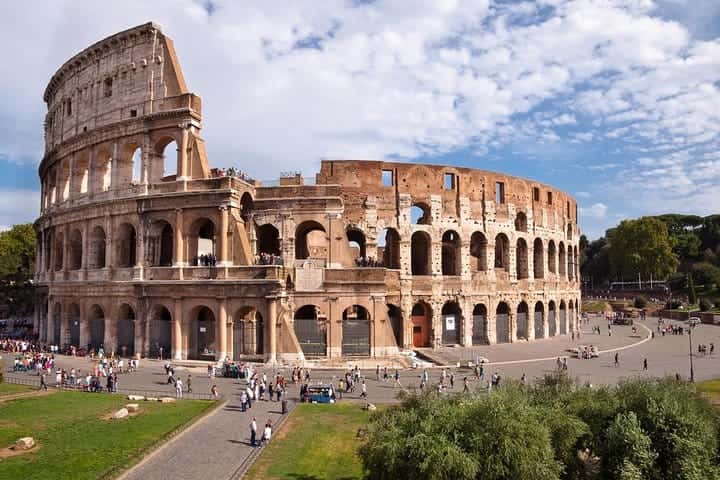
Das Forum Boarium liegt etwa 10 Gehminuten vom Kolosseum und Forum Romanum entfernt, 5 Gehminuten von der Tiberinsel und der Fußgängerbrücke nach Trastevere, und unmittelbar angrenzend an den Circus Maximus und den Fuß des Kapitolshügels. Es passt natürlich in einen Wandertag, der das Kolosseum und Forum Romanum einschließt, dann in einer Schleife am Kapitolshügel vorbei hinunter, durch das Forum Boarium und den Mund der Wahrheit, und hinüber nach Trastevere für ein Abendessen führt.
Eine geführte Rom-Wandertour, die das historische Zentrum abdeckt, kann ebenfalls so angepasst werden, dass sie an diesem Viertel vorbeiführt, da die meisten Standard-Besichtigungsrouten innerhalb weniger Gehminuten daran vorbeiführen, ohne zu bemerken, was sie auslassen.
Hercules und die Legende des Cacus
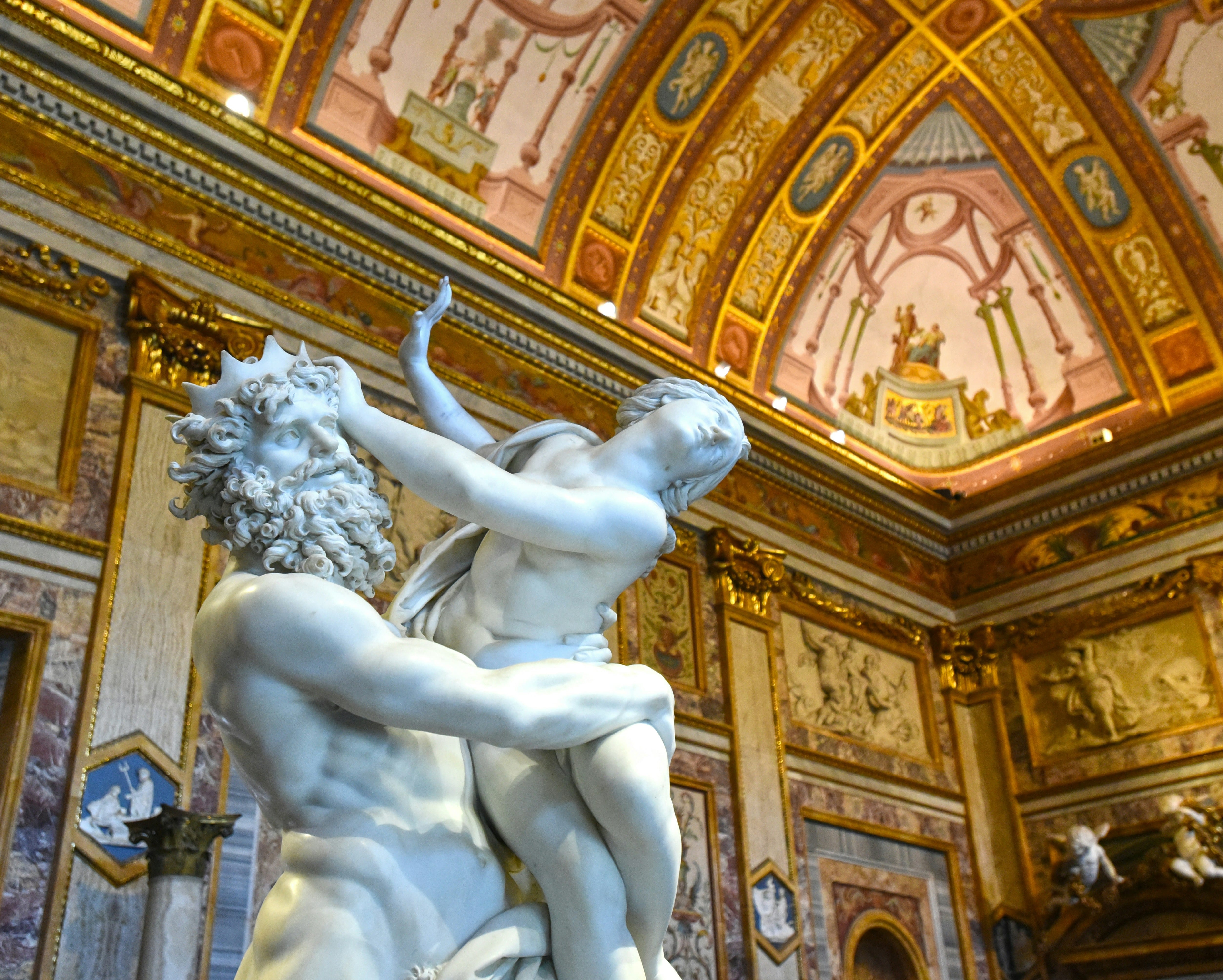
Die Widmung des Tempels des Hercules Victor war nicht willkürlich. Die römische Legende besagte, dass Hercules selbst genau diesen Uferabschnitt auf seinem Rückweg aus Spanien durchquerte, wobei er Rinder trieb, die er dem Monster Cacus gestohlen hatte, das in einer nahegelegenen Höhle auf dem Aventin-Hügel lebte. Hercules tötete Cacus und wurde fortan lokal als Beschützer des Gebiets verehrt, was bedeutet, dass die Viehmarkt-Identität des Forum Boarium in der römischen Vorstellung von Anfang an in die Mythologie des Viertels eingebacken war, Jahrhunderte bevor überhaupt ein tatsächlicher Markt existierte. Die Ara Maxima, ein Altar, der angeblich den Ort von Hercules' Sieg markiert, stand Berichten zufolge in der Nähe, obwohl heute keine sichtbaren Überreste davon erhalten sind; man nimmt an, dass ihr ungefährer Standort unter der Kirche Sant'Anastasia am Fuß des Palatin liegt.
Dieser mythologische Hintergrund war für die Römer auf sehr praktische Weise wichtig: er gab einem der geschäftigsten, chaotischsten Handelsviertel der Stadt einen göttlichen Stammbaum und verband gewöhnlichen Handel mit dem Sieg eines Helden-Gottes über ein Monster. Kaufleute, die den Bau des Rundtempels im 2. Jahrhundert v. Chr. finanzierten, griffen fast sicher bewusst auf diese Verbindung zurück und verknüpften ihren eigenen Handelserfolg mit Hercules' mythischer Stärke und Schutz.
Wie die Tempel überlebten, als so vieles andere nicht überlebte
Rom verlor die überwältigende Mehrheit seiner antiken Tempel nicht durch Invasion oder Erdbeben, sondern durch seine eigenen Bürger, die verlassene heidnische Gebäude während des gesamten Mittelalters nach Werkstein und Marmor abbauten, ein Prozess, der so gründlich war, dass manche antiken Strukturen einfach Stein für Stein in späteren Kirchen und Palästen verschwanden. Der Tempel des Hercules Victor und der Portunus-Tempel entgingen diesem Schicksal speziell, weil sie relativ früh in funktionierende christliche Kirchen umgewandelt wurden: Santa Maria del Sole beziehungsweise Santa Maria Egiziaca. Einmal als Kirchen geweiht, wurde ihr Abriss oder ihre Ausschlachtung undenkbar, und Jahrhunderte kontinuierlicher religiöser Nutzung schützten ihre Struktur, selbst als Putz, Altäre, und Fresken hinzugefügt und später während Restaurierungen im 19. und 20. Jahrhundert wieder entfernt wurden, die darauf abzielten, sie näher an ihr antikes Erscheinungsbild zurückzuführen.
Dieses Muster (heidnischer Tempel wird christliche Kirche wird, Jahrhunderte später, restauriertes antikes Denkmal) wiederholt sich in ganz Rom (das Pantheon ist das berühmteste Beispiel), aber die beiden Tempel des Forum Boarium gehören zu den klarsten, kleinformatigsten Demonstrationen davon, wie dieser Überlebensmechanismus architektonisch tatsächlich funktionierte.
Häufig gestellte Fragen
Kann man in die Tempel hineingehen?+
Im Allgemeinen nicht. Beide Gebäude fungieren als quasi-religiöse oder kommunal verwaltete Räume und sind typischerweise für den allgemeinen öffentlichen Zutritt geschlossen, obwohl sie gelegentlich für besondere kulturelle Veranstaltungen öffnen, prüfen Sie aktuelle Ankündigungen, wenn der Innenzugang für Ihren Besuch wichtig ist.
Ist das Forum Boarium dasselbe wie der Mund der Wahrheit?+
Nein, aber sie liegen nebeneinander. Die Bocca della Verità-Schnitzerei ist im Portikus der Kirche Santa Maria in Cosmedin angebracht, die am Rand des Forum-Boarium-Viertels liegt. Der Besuch des einen bringt Sie natürlich in Sichtweite des anderen.
Wie viel Zeit sollte ich einplanen?+
20-30 Minuten decken beide Tempel, den Bogen des Janus, und ein Foto am Mund der Wahrheit ab, wenn Sie in Bewegung bleiben. Eine Stunde lässt Sie jede Informationstafel lesen und bei gutem Licht bei Fotos verweilen.
Ist es für Rollstühle und Kinderwagen zugänglich?+
Ja, das gesamte Gebiet ist eine ebenerdige offene Piazza ohne Treppen oder Barrieren, um die Außenseiten der Tempel zu besichtigen.
Was mitzubringen ist und beste Besuchszeit
Da das Forum Boarium klein, kostenlos, und vollständig im Freien ist, ist fast keine besondere Planung erforderlich, aber die Zeitwahl beeinflusst die Erfahrung mehr, als die meisten Besucher erwarten. Die Piazza liegt den größten Teil des Tages in voller Sonne mit sehr wenig Baumdeckung, sodass Besuche zur Mittagszeit im Hochsommer unangenehm heiß sein können. Der späte Nachmittag bringt das schmeichelhafteste Licht für Fotografien, mit der Sonne tief über den Tiber und direkt auf die Marmorsäulen des Rundtempels treffend. Der frühe Morgen, bevor sich die Schlange am Mund der Wahrheit nebenan bildet, ist das ruhigste Zeitfenster, wenn Sie ein paar Minuten mit den Tempeln für sich allein wollen.
- Bequeme Wanderschuhe, das Pflaster der Piazza ist stellenweise unebenes Kopfsteinpflaster
- Wasser und Sonnenschutz im Sommer, da der Schatten minimal ist
- Eine Kamera oder ein Telefon bereit für das Licht am späten Nachmittag auf den Tempelsäulen
- Kleingeld für die Spendenbox von Santa Maria in Cosmedin, falls Sie für den Mund der Wahrheit anhalten
Ein letztes Detail, das sich zu wissen lohnt
Das Forum Boarium ist einer der wenigen Orte im Zentrum Roms, wo man einen ununterbrochenen kommerziellen Faden von der vor-republikanischen Zeit durch das Mittelalter bis in das moderne Straßennetz verfolgen kann, alles ohne ein Ticket zu bezahlen oder in einer einzigen Schlange zu warten. Diese Art von geschichteter, frei zugänglicher Geschichte wird zunehmend selten in einer Stadt, in der die berühmtesten Stätten heute einen zeitgebundenen Eintritt, Online-Buchung, und lange Warteschlangen erfordern. Betrachten Sie es als Erinnerung daran, dass einige von Roms reichhaltigsten Stopps auch die unauffälligsten sind, Sie müssen nur wissen, dass Sie von der Menschenmenge am Mund der Wahrheit hinunterschauen und die Säulen bemerken müssen, die still dahinter stehen.
Das Detail, das die meisten Besucher völlig verpassen
Was das Forum Boarium wert macht, bewusst aufgesucht statt zufällig gestreift zu werden, ist die Seltenheit dessen, was hier steht: zwei im Wesentlichen vollständige Tempel aus republikanischer Zeit, aus zwei verschiedenen architektonischen Traditionen, die in unmittelbarer Nähe fast ausschließlich deshalb überlebten, weil mittelalterliche Christen sie umnutzten, statt sie abzureißen. Nur sehr wenige Orte in Rom lassen Sie zwischen zwei intakten Gebäuden dieses Alters aus dieser spezifischen Periode der römischen Geschichte stehen. Verbringen Sie zehn zusätzliche Minuten hier auf dem Weg zum oder vom Mund der Wahrheit, und Sie werden eine der besser erhaltenen Ecken des vor-imperialen Roms gesehen haben, von deren Existenz die meisten Reisenden nie wissen.
Es ist auch ein nützliches Korrektiv für jeden, der annimmt, Roms antike Stätten seien auf die Handvoll beschränkt, die auf jeder Postkarte erscheint. Das Forum Boarium beweist, dass ein Teil der am besten erhaltenen republikanischen Architektur der Stadt offen sichtbar liegt, ohne Ticket und größtenteils unangekündigt, nur wenige Schritte von einem ihrer meistfotografierten touristischen Gimmicks entfernt.
Wenn Sie das nächste Mal für Ihre Runde am Mund der Wahrheit anstehen, nehmen Sie sich die zusätzlichen zehn Minuten. Gehen Sie die kurze Schleife an beiden Tempeln vorbei, werfen Sie einen Blick auf den Bogen des Janus, und Sie werden mit einem weit vollständigeren Bild davon weggehen, was diese Uferecke Roms tatsächlich war, nicht nur eine Kulisse für ein Foto, sondern der arbeitende kommerzielle Motor einer Stadt, die dazu bestimmt war, die mediterrane Welt zu beherrschen. Nur wenige schnelle Abstecher im Zentrum Roms bieten so viel historischen Ertrag für so wenig zusätzliches Gehen, und Sie werden die Schlange am Mund der Wahrheit wahrscheinlich nie wieder mit denselben Augen betrachten.
Nur wenige Ecken im Zentrum Roms bieten so viel echte antike Substanz für so wenig Zeit und Aufwand, was es zu einer einfachen Ergänzung fast jeder Reiseroute macht.
Verfasst von
Get Your Roman Tours Team
Wir sind ein lizenzierter Reiseveranstalter mit Sitz in Rom (Get Your Roman Tours S.R.L.S.). Unsere Guides führen jede Woche Touren an diesen Orten — alles hier stammt aus eigener Erfahrung. Über uns · Fragen Sie uns