Piazza del Quirinale: La Piazza Presidenziale d'Italia e la Sua Vista dalla Collina

In cima alla più alta delle sette leggendarie colline di Roma si trova Piazza del Quirinale, sede della residenza ufficiale del Presidente della Repubblica Italiana e uno dei migliori punti panoramici più affidabilmente non affollati dell'intera città. Meno visitato del suo più famoso vicino in cima a una collina, il Campidoglio, il Quirinale ricompensa i viaggiatori disposti a fare la salita con una combinazione genuinamente impressionante di scultura antica, sfarzo presidenziale, e ampie viste sui tetti.
Confrontare il Quirinale con Altre Residenze Presidenziali Europee
Tra le varie residenze di capi di stato europee, il Palazzo del Quirinale si distingue per la sua pura stratificazione accumulata di storia governativa; pochi edifici comparabili sono transitati attraverso tre sistemi politici interamente diversi rimanendo in uso statale continuo e dignitoso. Edifici come il Palazzo dell'Eliseo a Parigi o il Palazzo di Bellevue a Berlino portano le proprie storie significative, ma nessuno combina esattamente lo stesso arco pluri-secolare, da residenza papale attiva e sede di conclavi, attraverso una breve ma rilevante era regia, fino al suo attuale ruolo repubblicano, rendendo il Quirinale un caso di studio genuinamente distintivo di come un'unica sede fisica del potere possa sopravvivere e assorbire molteplici forme di governo interamente diverse.
Perché i Papi Avevano Bisogno di un Rifugio in Collina
Il Vaticano, nonostante la sua grandezza, si trova in una parte relativamente bassa e storicamente paludosa di Roma vicino al Tevere, rendendolo notevolmente più caldo e umido durante i lunghi mesi estivi della città rispetto al più arieggiato ed elevato Colle del Quirinale. I papi a partire dalla fine del XVI secolo preferirono sempre più trascorrere periodi prolungati al Palazzo del Quirinale specificamente per questo vantaggio climatico, uno schema comune tra i sovrani europei dell'epoca che mantenevano residenze estive e invernali separate. Quella ragione pratica, quasi banale (migliore circolazione dell'aria e notti più fresche) spiega in parte perché uno degli edifici più politicamente significativi d'Italia oggi abbia iniziato la sua vita essenzialmente come una glorificata fuga stagionale dal caldo romano.
La Collina dei Domatori di Cavalli
Il fulcro della piazza è una coppia di colossali statue antiche in marmo raffiguranti i gemelli mitici Castore e Polluce, ciascuno mostrato mentre trattiene un cavallo imbizzarrito, opere di scultura romana, probabilmente copie di originali greci, che si ergono su questa collina o nelle vicinanze fin dall'antichità e hanno dato all'area il suo duraturo soprannome, "Monte Cavallo", ancora usato informalmente dai romani oggi. Le statue furono restaurate e disposte nella loro posizione attuale nel XVIII secolo, affiancando un antico obelisco egizio (originariamente dal Mausoleo di Augusto) e un'enorme vasca di granito antica trasferita qui dal Foro Romano, creando un improbabile insieme di elementi antichi disparati assemblati in un'unica composizione monumentale unificata.
Conclavi Tenuti su questa Collina
Durante i suoi secoli come residenza papale principale, il Palazzo del Quirinale ospitò diversi conclavi papali (il processo segreto attraverso il quale i cardinali eleggono un nuovo papa) in momenti in cui lo stesso Vaticano era considerato meno sicuro o meno pratico per la riunione, particolarmente durante periodi di instabilità politica a Roma. Questo dettaglio è spesso oscurato oggi dall'identità più recente del palazzo come residenza repubblicana laica, ma sottolinea quanto fosse centrale un tempo questo singolo edificio per i processi di governance interna più sensibili della Chiesa Cattolica, molto prima che ospitasse mai un re o un presidente.
Da Residenza Estiva Papale a Palazzo Presidenziale
Lo stesso Palazzo del Quirinale, il grande edificio che forma lo sfondo della piazza, fu costruito a partire dalla fine del XVI secolo come residenza estiva per i papi in cerca di sollievo dal più angusto e più basso Vaticano durante i mesi caldi di Roma. Servì come residenza papale principale per oltre due secoli, ospitando numerosi conclavi e cerimonie papali, finché l'unificazione italiana del 1870 privò il papato del suo potere temporale su Roma e il palazzo fu preso dal nuovo Regno d'Italia. Servì brevemente come residenza reale per la monarchia italiana fino all'abolizione della monarchia nel 1946, dopodiché divenne (e resta oggi) la residenza ufficiale del capo di stato italiano, il Presidente della Repubblica.
Quella sequenza di proprietà (papa, re, presidente) rende il Palazzo del Quirinale uno dei pochissimi edifici al mondo ad aver servito come sede di tre forme di governo interamente diverse in meno di due secoli, una notevole concentrazione di cambio di regime per un unico indirizzo continuamente occupato.
Il Cambio della Guardia
Fedele al suo status di residenza di un capo di stato, il Quirinale ospita una cerimonia formale del cambio della guardia, eseguita dal Corpo delle Guardie Presidenziali Italiane (Corazzieri), un'unità militare distinta responsabile della sicurezza personale del Presidente e dei doveri cerimoniali. La cerimonia, tenuta secondo un calendario regolare (tipicamente nel pomeriggio, con orari che variano un po' a seconda della stagione), è gratuita da guardare dalla piazza e offre uno sguardo raro e accessibile sulla tradizione cerimoniale dello stato italiano, notevolmente meno affollato e più intimo rispetto a spettacoli comparabili del cambio della guardia in altre capitali europee.
La Vista che Rivaleggia con Quella del Campidoglio
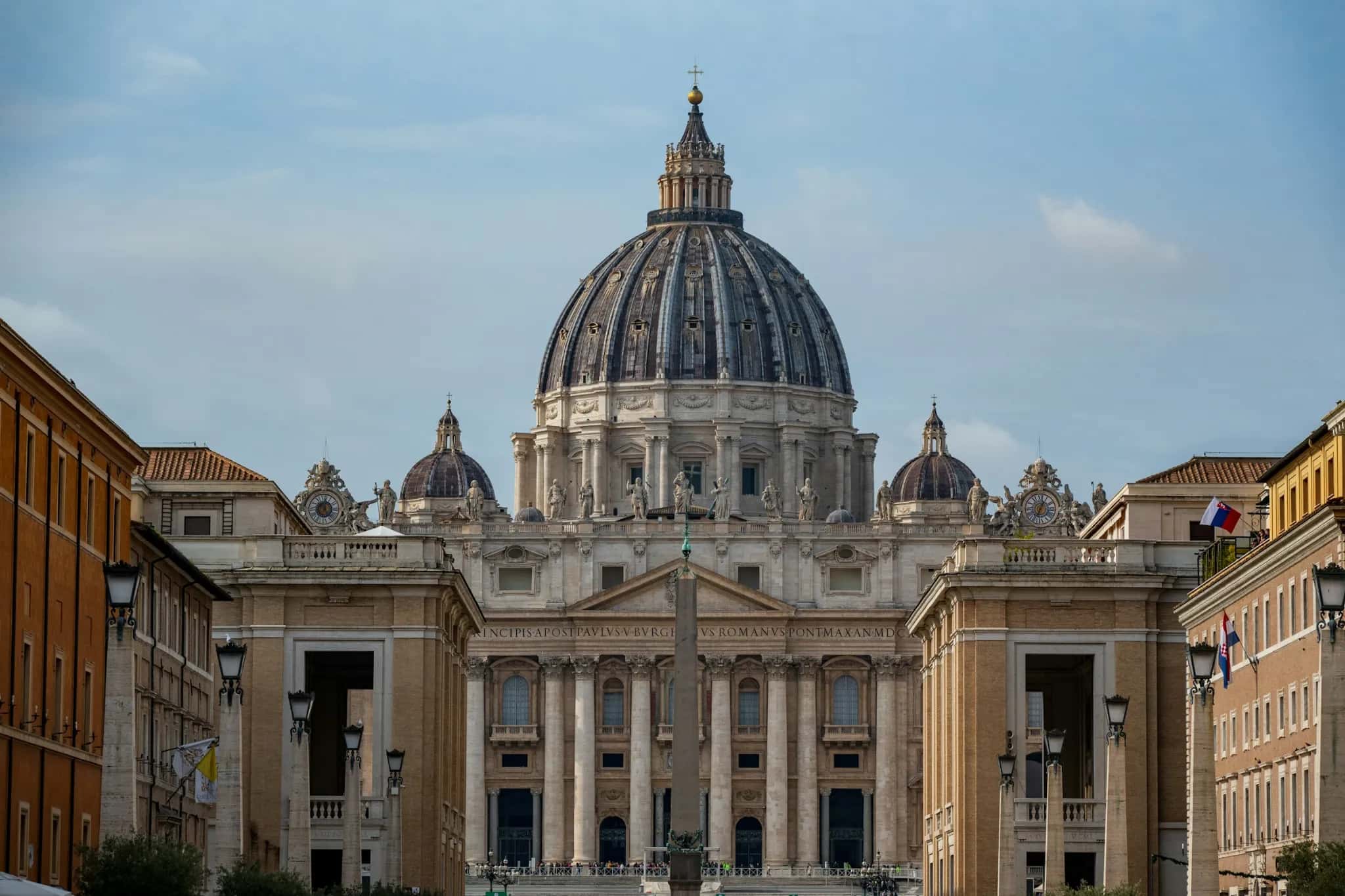
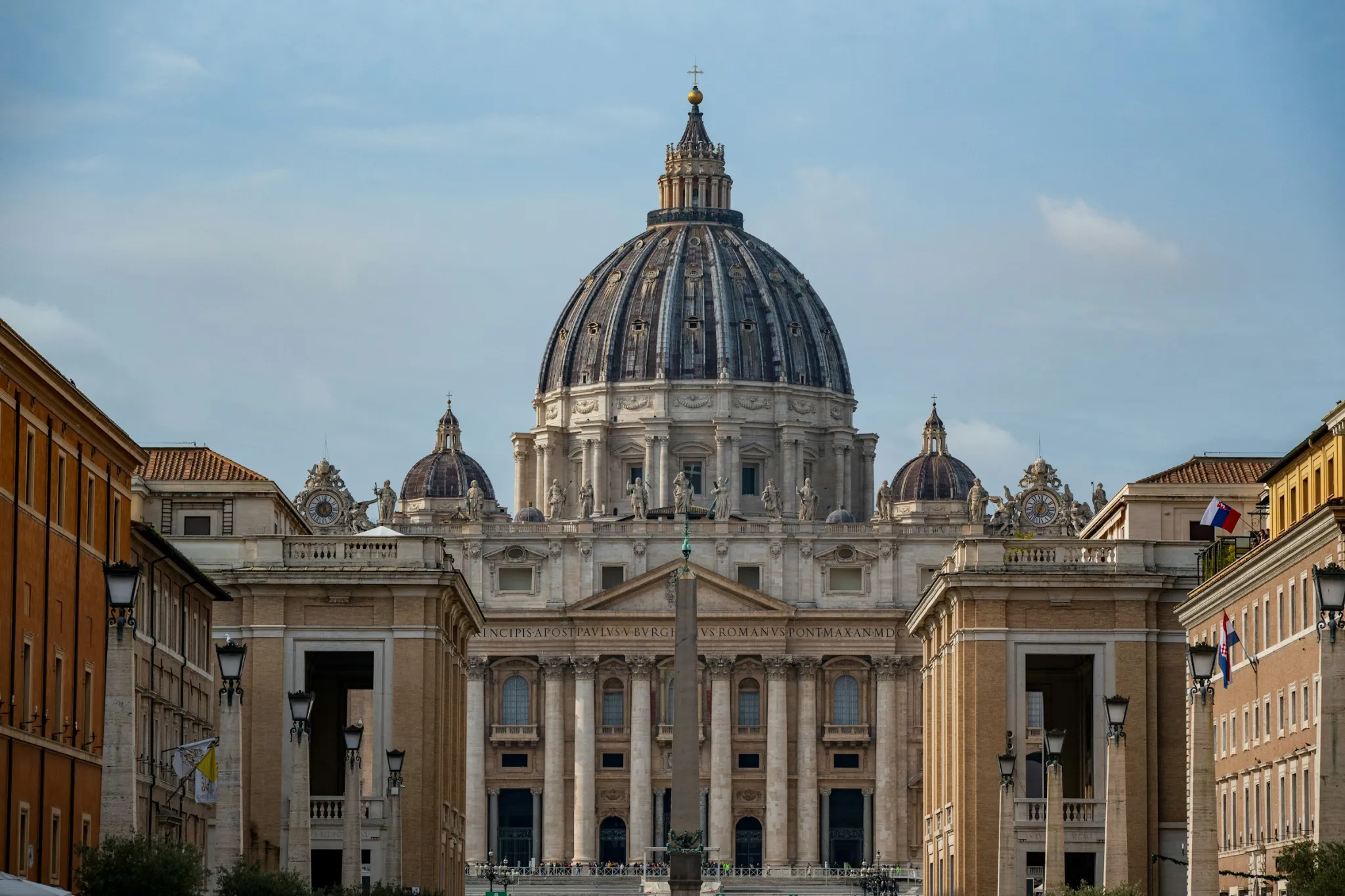
Dalla terrazza al bordo della piazza, i visitatori godono di una vasta vista panoramica sui tetti di Roma verso la cupola della Basilica di San Pietro in lontananza, un punto di osservazione genuinamente paragonabile al più famoso belvedere dal Colle Capitolino, ma con una frazione della folla, poiché la maggior parte dei visitatori non fa mai la salita extra fino al Quirinale nello specifico. Il tramonto è un momento particolarmente gratificante per visitare, con la cupola e i tetti circostanti che catturano la calda luce serale direttamente nella linea di vista da questa terrazza.
Una Piazza Costruita Attorno alla Sobrietà, non allo Spettacolo
Rispetto alla grandiosità deliberatamente teatrale di piazze come Piazza Navona o Piazza San Pietro, Piazza del Quirinale si presenta con una dignità più contenuta, quasi sobria, adatta a uno spazio che ha trascorso secoli servendo come residenza di lavoro per chiunque detenesse l'autorità suprema a Roma, piuttosto che un palcoscenico costruito puramente per travolgere le folle in visita. Quella sobrietà è parte del motivo per cui premia una visita più lenta e attenta: non c'è qui un unico momento travolgente di stupore, ma piuttosto una serie di dettagli più piccoli e cumulativi (statue antiche, un modesto obelisco, una vista discretamente impressionante) che si sommano a qualcosa di genuinamente sostanziale una volta che ci si prende davvero il tempo di notarli.
Cosa Contengono Davvero le Sale di Stato del Palazzo
Nei giorni limitati in cui il Palazzo del Quirinale apre il suo interno ai visitatori, il percorso tipicamente attraversa una sequenza di sale di stato sontuosamente decorate accumulate nel corso dei secoli di uso papale, regio, e presidenziale dell'edificio, incluse sale cerimoniali affrescate, una cappella, e gallerie che espongono arazzi, mobili d'epoca, e opere d'arte raccolte attraverso epoche successive di occupazione. Particolarmente degno di nota è il Salone dei Corazzieri, un vasto salone usato per le principali cerimonie di stato e intitolato alla stessa unità di guardia d'élite che serve ancora il palazzo oggi, la sua scala e decorazione riflettendo il ruolo continuo dell'edificio come genuina sede di cerimonia nazionale piuttosto che un pezzo museale statico.
I Corazzieri, i Soldati Più Alti d'Italia
I Corazzieri, l'unità d'élite responsabile della protezione del Presidente e dell'esecuzione dei doveri cerimoniali del Quirinale, mantiene requisiti di altezza notevolmente rigorosi tra i suoi criteri di reclutamento, producendo storicamente un'unità di soldati insolitamente alti e imponenti in elaborate uniformi cerimoniali complete di elmi d'argento piumati e corazze modellate sulla tenuta di cavalleria del XIX secolo. Le loro pattuglie a cavallo ed esercitazioni cerimoniali, eseguite con precisione deliberata, attirano una piccola ma apprezzabile folla di spettatori, notevolmente più piccola rispetto al pubblico per unità di guardia cerimoniali comparabili a Londra o Madrid, parte dello schema più ampio di questa piazza in cima alla collina che resta uno dei siti principali più defilati di Roma nonostante il genuino spettacolo offerto.
Visitare l'Interno del Palazzo
Oltre alla piazza stessa, il Palazzo del Quirinale apre occasionalmente parti del suo interno al pubblico secondo un calendario limitato, tipicamente la domenica, offrendo uno sguardo raro su sale di stato sontuosamente decorate, arredi storici, e un'impressionante collezione d'arte accumulata nel corso di secoli di uso papale, regio, e presidenziale. La prenotazione anticipata è generalmente richiesta data la capacità limitata, e l'esperienza differisce significativamente da una tipica visita museale, dato l'uso attivo continuo dell'edificio come sede di governo funzionante.
Popular tours & tickets
Cosa portare e periodo migliore per visitare
Il tardo pomeriggio e la prima sera offrono la luce migliore per il panorama sui tetti, con il sole che tramonta all'incirca in linea con la vista verso la cupola di San Pietro per gran parte dell'anno. La salita dal centro storico sottostante significa che scarpe comode contano più qui che nella maggior parte delle altre piazze romane. Controlla l'orario attuale del cambio della guardia prima di pianificare il momento della tua visita, poiché cambia un po' a seconda della stagione.
Visita pratica
-
La piazza e la vista dalla terrazza sono gratuite e accessibili in ogni momento
-
La cerimonia del cambio della guardia è gratuita da guardare, controlla l'orario attuale prima di visitare, poiché gli orari cambiano stagionalmente
-
Le visite all'interno del palazzo richiedono prenotazione anticipata e sono tipicamente disponibili solo in giorni limitati
-
La salita dal centro storico sottostante è moderatamente ripida, si consigliano scarpe comode
-
Combina con la Fontana di Trevi (una camminata di 10 minuti in discesa) per un facile abbinamento nella stessa uscita
Come Arrivarci e Cosa C'è nelle Vicinanze
Piazza del Quirinale si trova a circa 10 minuti a piedi in salita dalla Fontana di Trevi, rendendola un'estensione naturale di una visita a Trevi per i viaggiatori disposti a salire un po' più in là. Un tour a piedi di Roma incentrato sul centro storico non include sempre questa deviazione in cima alla collina, ma è un'aggiunta indipendente che vale la pena per chiunque cerchi un'alternativa più tranquilla e panoramica alla folla del Colle Capitolino.
La collina si collega anche comodamente a Via Nazionale che conduce verso Termini, e al quartiere della Fontana di Trevi sottostante, rendendola facile da incorporare sia in un itinerario mattutino della Roma antica sia in una passeggiata serale programmata per viste al tramonto sui tetti verso San Pietro.
Un'Alternativa Più Tranquilla che Merita di Essere Deliberatamente Ricercata
I punti panoramici più noti di Roma (la terrazza Capitolina, il Colle Gianicolo, i giardini del Pincio sopra Piazza del Popolo) attirano tutti folle costanti, a volte intense, particolarmente attorno al tramonto. La terrazza del Quirinale offre una vista comparabilmente impressionante con una frazione dei visitatori, semplicemente perché meno viaggiatori sanno cercarla o sono disposti ad aggiungere la salita al loro itinerario. Per chiunque dia priorità a una versione più calma e meno affollata del classico panorama sui tetti di Roma, questa piazza in cima alla collina merita di essere ricercata deliberatamente piuttosto che scoperta per caso.
Domande frequenti
Piazza del Quirinale è gratuita da visitare?+
Sì, la piazza, le statue, e la terrazza panoramica sono tutte gratuite e accessibili in qualsiasi momento. Solo le sale di stato interne del palazzo richiedono un biglietto a pagamento prenotato in anticipo nei giorni limitati in cui sono aperte.
Chi sono Castore e Polluce?+
Semidei gemelli della mitologia greca e romana, figli di Zeus/Giove, spesso associati all'equitazione e alla protezione, soggetti adatti per statue che hanno dato a questa collina il suo duraturo soprannome "Collina del Cavallo".
Si può guardare il cambio della guardia gratuitamente?+
Sì, la cerimonia si svolge nella piazza aperta ed è completamente visibile al pubblico senza alcun biglietto o prenotazione.
Il Quirinale è meno affollato del Colle Capitolino?+
Generalmente sì, la sua distanza leggermente maggiore dal principale percorso turistico della Roma antica significa che molti meno visitatori fanno la salita, nonostante una vista comparabilmente impressionante.
Si possono visitare i giardini del palazzo?+
I giardini del palazzo sono occasionalmente inclusi in aperture pubbliche limitate insieme alle sale di stato interne, sebbene l'accesso sia più limitato rispetto alla piazza principale e alla terrazza e tipicamente richieda prenotazione anticipata.
Una Presidenza con Cerimonia Pubblica Limitata
A differenza delle monarchie o delle repubbliche cerimonialmente più elaborate, la presidenza italiana è un ruolo in gran parte simbolico, al di sopra della politica, e la cerimonia rivolta al pubblico al Quirinale riflette quella sobrietà, dignitosa ma discreta rispetto alle cerimonie dei palazzi reali altrove in Europa. Quel carattere relativamente defilato è parte del motivo per cui la piazza non ha mai sviluppato la stessa reputazione di richiamo di folle di, ad esempio, la cerimonia del cambio della guardia di Buckingham Palace, anche se gli elaborati elmi piumati e le uniformi cerimoniali dei Corazzieri sono altrettanto visivamente sorprendenti.
Le Altre Sei Colline, per Contesto
Le tradizionali sette colline di Roma (Palatino, Campidoglio, Aventino, Celio, Esquilino, Viminale, e Quirinale) portano ciascuna identità storiche distinte, dallo status di mito fondativo leggendario del Palatino al tranquillo carattere residenziale dell'Aventino oggi. Il Quirinale si distingue come l'unica a svolgere ancora una funzione attiva di capo di stato, rendendola probabilmente la collina con il ruolo politico più continuamente significativo delle sette, anche se attira una frazione dei visitatori che affollano il Palatino e il Campidoglio.
Perché Questa Collina Merita Più Attenzione di Quanta ne Riceva
Piazza del Quirinale offre quasi tutto ciò che i visitatori amano del Colle Capitolino (scultura antica, viste ampie, genuino peso storico) con notevolmente meno folla e il raro bonus di una routine di guardia militare attiva e cerimoniale che la maggior parte dei turisti non pensa mai di cercare. Per i viaggiatori disposti ad aggiungere un altro tratto in salita alla loro giornata, è una delle migliori deviazioni a basso sforzo e alta ricompensa disponibili nel centro di Roma.
Perché l'Obelisco e la Vasca Sembrano Spaiati
Gli osservatori attenti spesso notano che l'obelisco, l'antica vasca di granito, e le statue di Castore e Polluce che li affiancano non sembrano del tutto essere stati progettati insieme, e infatti non lo furono. Ogni elemento ebbe origine in un contesto antico completamente diverso (un monumento funerario, una struttura antica non identificata, e probabilmente copie scultoree separate di origine greca rispettivamente) prima che i pianificatori del XVIII secolo li assemblassero in un'unica composizione dall'aspetto unificato al Quirinale. Quell'assemblaggio deliberato di frammenti antichi spaiati in un insieme monumentale coerente è esso stesso un'abitudine distintamente romana, visibile in tutta la città ovunque i costruttori successivi avessero bisogno di un monumento rapido e impressionante e avessero un surplus di materiale antico inutilizzato con cui lavorare.
Un breve riepilogo storico, se hai poco tempo
- Antichità: statue colossali di Castore e Polluce vengono erette sulla collina o nelle vicinanze, dandole il duraturo soprannome "Monte Cavallo"
- Fine XVI secolo: inizia la costruzione del Palazzo del Quirinale come residenza estiva papale
- XVII-XIX secolo: il palazzo serve come residenza papale principale, ospitando numerosi conclavi e cerimonie
- 1870: l'unificazione italiana priva il papato del potere temporale su Roma, e il palazzo viene preso dal nuovo Regno d'Italia
- 1870-1946: il palazzo serve come residenza reale della monarchia italiana
- 1946: in seguito all'abolizione della monarchia, il palazzo diventa la residenza ufficiale del Presidente della Repubblica Italiana
Pochi edifici al mondo hanno ospitato tre forme di governo così distinte (papale, regia, e repubblicana) in meno di due secoli, tutte sulla stessa collina che diede ai mitici domatori di cavalli di Roma il loro nome quasi duemila anni prima.
Fai la salita almeno una volta, idealmente programmata per il tardo pomeriggio, e te ne andrai con uno degli scatti più completi e meno affollati di quanto il potere romano sia sempre stato legato all'elevazione (sia letterale che politica) attraverso ogni epoca che questa città ha vissuto.
E quando raggiungi la cima, concediti qualche minuto extra senza fretta alla balaustra della terrazza prima di scendere; la vista sui tetti verso San Pietro è, secondo la maggior parte dei resoconti, in tutto e per tutto pari alla sua più famosa controparte Capitolina, con una compagnia notevolmente minore con cui condividerla nella maggior parte dei pomeriggi dell'anno, indipendentemente dalla particolare stagione dell'anno in cui capiti di fare la salita un po' ripida ma del tutto valida fino a questa tranquilla e molto spesso trascurata piazza romana in cima a una collina.
Poche piazze in cima a colline a Roma ricompensano una visita lenta e attenta con altrettanta generosità di questa, particolarmente per i viaggiatori disposti a saltare le alternative più affollate nelle vicinanze.
Scritto da
Get Your Roman Tours Team
Siamo un tour operator autorizzato con sede a Roma (Get Your Roman Tours S.R.L.S.). Le nostre guide accompagnano visite in questi luoghi ogni settimana: tutto ciò che leggete nasce dall'esperienza diretta. Chi siamo · Chiedici pure