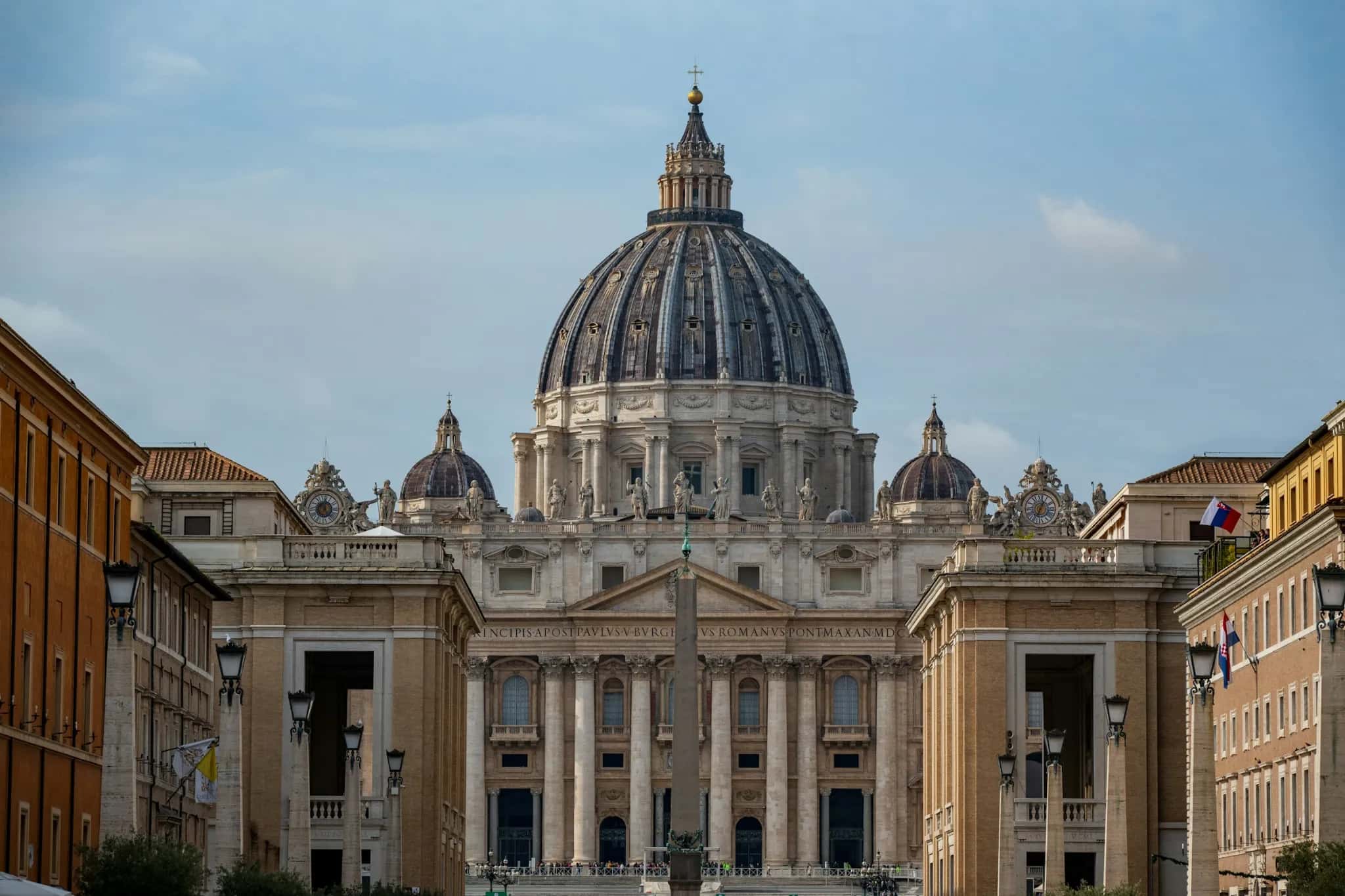
Billets Musées du Vatican 2026 : Prix, Règles d'entrée et le moyen le plus rapide d'accéder à la Chapelle Sixtine
L'achat de billets pour les Musées du Vatican semble simple jusqu'à ce que vous essayiez réellement. Le prix de base est bas. Le problème, c'est tout ce qui l'entoure : les créneaux d'entrée qui se vendent des semaines à l'avance, un portail de réservation qui ne parle qu'anglais et italien, un billet non remboursable, et une file d'attente sur le Viale Vaticano qui dépasse régulièrement deux heures en juillet.
Ce guide vous donne les vrais chiffres de 2026, les règles qui font que les gens sont refoulés à l'entrée, et une explication claire pour savoir quand le billet bon marché suffit et quand il vous coûte votre matinée.
Accès rapide : la plupart des lecteurs de cette page veulent une chose : une entrée garantie sans faire la queue. Nos Billets coupe-file pour les Musées du Vatican et la Chapelle Sixtine couvrent exactement cela pour 65 € par personne, avec annulation gratuite jusqu'à 24 heures avant.
Musées du Vatican Prix des billets en 2026 (Tarifs officiels)
Voici les tarifs actuellement publiés pour les Musées du Vatican. La différence de 5 € sur la plupart des lignes correspond aux frais de réservation en ligne que le Vatican ajoute lorsque vous réservez un créneau horaire via son propre portail.
Entrée standard
- Billet complet à la billetterie : €20
- Billet complet réservé en ligne avec créneau horaire : 20 € + 5 € = 25 €
Entrée réduite
- Billet réduit (enfants 7-18 ans, étudiants jusqu'à 25 ans avec pièce d'identité valide) : 10 €, ou 15 € avec un créneau horaire en ligne
- Groupes scolaires : 5 € ou 7 € avec un créneau horaire en ligne
Entrée gratuite
- Enfants de moins de 7 ans
- Les visiteurs présentant un handicap certifié d'au moins 67 %, ainsi qu'un accompagnateur — délivré sur place aux guichets des Permis Spéciaux ou d'Accueil, pas en ligne
- Détenteurs de la carte ICOM et ICOMOS
- Chacun, le dernier dimanche du mois
Un détail que la plupart des guides omettent : les billets officiels du Vatican ne sont pas remboursables. Si votre vol est décalé ou si quelqu'un tombe malade, ces 25 € sont perdus.
Horaires d'ouverture et jours de fermeture à prendre en compte
Lundi au samedi : 08:00 – 20:00, dernière entrée à 18:00 Dimanche de fin de mois : 09:00 – 14:00, dernière entrée à 12:30, entrée gratuite Tous les autres dimanches : fermé
Les Musées du Vatican ferment également lors de jours fériés religieux et publics qui changent d'année en année. Consultez le calendrier officiel de 2026 avant de réserver vos vols, car un mercredi de fermeture a ruiné de nombreux itinéraires romains très chargés.
À propos de ce dimanche gratuit. Il est vraiment gratuit, et il est vraiment brutal. Les files d'attente commencent avant l'aube, le complexe ferme à 14h00 au lieu de 20h00, et la Chapelle Sixtine est bondée épaule contre épaule. De nombreux visiteurs signalent passer plus de temps dans la file d'attente qu'à l'intérieur. Si votre voyage est court, payer est un meilleur compromis.
Les vrais points sensibles (et ce qui les résout vraiment)
Nos experts en voyage constatent que les mêmes cinq problèmes reviennent sans cesse.
1. Créneaux complets. Le portail officiel publie un nombre fixe d'entrées chronométrées par fenêtre de 15 minutes. Au printemps et en été, les créneaux matinaux populaires disparaissent deux à quatre semaines à l'avance. Les voyageurs qui décident un mardi de visiter le jeudi ne trouvent souvent plus rien.
2. Votre billet a une fenêtre de 15 minutes. L'entrée officielle chronométrée est valable pour une courte période autour de votre heure de réservation. Arrivez en retard et vous pourriez vous voir refuser l'entrée. Le trafic de Rome ne se soucie pas de votre créneau horaire.
3. Le code vestimentaire est appliqué à l'entrée. Épaules et genoux couverts, pour tout le monde, sans exception. Les hauts sans manches, les shorts au-dessus du genou, les jupes courtes et les vêtements décolletés font refuser l'entrée devant toute la file d'attente. Apportez une écharpe légère en été. Notre équipe a rédigé une explication complète dans le guide du code vestimentaire du Vatican pour 2026.
4. La sécurité est indépendante de votre billet. Chaque visiteur passe un contrôle de sécurité de type aéroportuaire. Aucun type de billet au monde ne permet de sauter cette étape — comptez 15 à 20 minutes en été. Les grands sacs, sacs à dos, valises, trépieds et objets pointus doivent être déposés au vestiaire.
5. Aucun remboursement, aucun support. Les billets officiels sont vendus sans possibilité de remboursement et le portail n'offre aucune ligne de service client en cas de problème.
Ce que signifie réellement « Accès coupe-file » au Vatican
Il vaut la peine d'être précis, car l'expression est utilisée à tort et à travers.
Un billet coupe-file signifie que vous n'avez pas à faire la queue à la billetterie générale — celle qui serpente le long des murs du Vatican. Vous vous rendez à la file d'entrée réservée avec un créneau horaire pré-réservé, présentez votre bon et passez la sécurité.
Ce que cela ne signifie pas : passer le contrôle de sécurité. Personne ne fait cela. Quiconque promet le contraire vous vend quelque chose que le Vatican n'autorise pas.
Un matin d'août chargé, la file d'attente que vous évitez vaut deux à trois heures. C'est la valeur honnête.
Billet officiel vs Notre billet coupe-file vs Notre visite guidée
Le Vatican vend ses propres billets sur tickets.museivaticani.va pour 25 €. C'est la voie la plus économique et il est bon de le savoir. Les pièges : le portail fonctionne uniquement en anglais et en italien, les billets ne sont pas remboursables, les créneaux horaires populaires se vendent bien à l'avance, et il n'y a aucun support si vos projets changent.
Voici la comparaison complète pour que vous puissiez voir exactement ce que chaque prix inclut.
Portail officiel du Vatican — 25 € par adulte
- Musées du Vatican et Chapelle Sixtine
- Créneau horaire fixe, fenêtre de validité d'environ 15 minutes
- Non inclus: guide, audioguide, entrée prioritaire à la Basilique Saint-Pierre
- Aucun remboursement en aucune circonstance
- Interface en anglais et en italien uniquement
- Places souvent indisponibles en haute saison
Nos Billet coupe-file pour les Musées du Vatican et la Chapelle Sixtine — 65 € par personne
- Billet d'entrée coupe-file pour les Musées du Vatican
- Accès à la Chapelle Sixtine
- Accès à toutes les collections permanentes et galeries ouvertes ce jour-là
- Accès chronométré réservé via un opérateur accrédité, y compris les dates affichées comme complètes sur le portail officiel
- Billet mobile, confirmation instantanée
- Annulation gratuite jusqu'à 24 heures avant — le billet officiel ne vous en offre aucune
- Visitez à votre rythme, pas de groupe fixe, environ 2 heures
- Point de rencontre : Via Germanico, 36, à cinq minutes à pied de la station de métro Ottaviano
- Non inclus : guide conférencier, audioguide, nourriture et boissons
Notre Visite des Musées du Vatican, de la Chapelle Sixtine et de la Basilique Saint-Pierre — 125 € 100 € par personne (20 % de réduction)
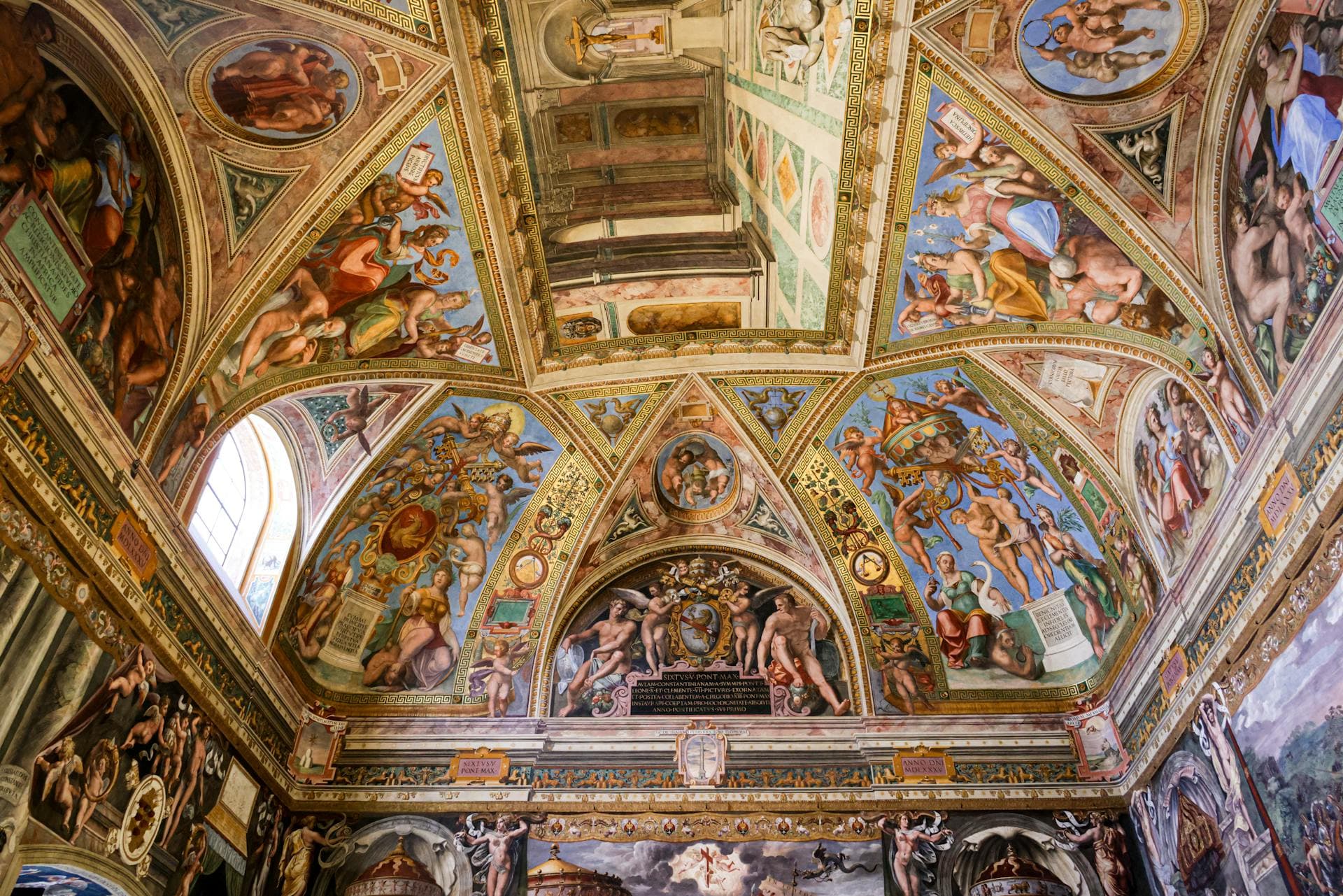
- Tout ce qui précède, plus un guide expert agréé à travers la Galerie des Cartes, les Chambres de Raphaël, la cour Pio-Clementino et la Chapelle Sixtine
- Entrée prioritaire à la Basilique Saint-Pierre incluse — il s'agit d'une file d'attente séparée sur le côté opposé du complexe qui peut durer une heure à elle seule
- Des écouteurs pour entendre clairement le guide dans les galeries bondées
- Petit groupe, jusqu'à 10 personnes
- Disponible en anglais et en allemand
- 3 heures au total
- Annulation gratuite jusqu'à 24 heures avant
- Point de rencontre : Via Sebastiano Veniero, 15, à huit minutes de la station de métro Ottaviano
- Non inclus : pourboires, prise en charge à l'hôtel, nourriture et boissons
Comment lire ceci. Le billet officiel à 25 € est une clé d'accès et rien d'autre. Notre billet à 65 € offre le même accès, plus un créneau horaire garanti lorsque le portail est vide, et une fenêtre d'annulation qui protège votre argent. La visite guidée à 100 € ajoute les deux choses que les visiteurs indépendants regrettent le plus souvent de ne pas avoir faites : quelqu'un pour expliquer ce qu'ils regardent, et un moyen d'entrer dans la Basilique Saint-Pierre sans faire la queue deux fois.
Quel billet correspond à votre voyage
Achetez le billet officiel à 25 € si : vous réservez six semaines ou plus à l'avance, voyagez de novembre à février, êtes à l'aise avec une date fixe non remboursable et souhaitez explorer les collections par vous-même.
Achetez notre billet coupe-file à 65 € si : vos dates sont dans les quatre prochaines semaines, le portail officiel affiche votre créneau préféré complet, vos projets pourraient encore changer, ou vous souhaitez explorer à votre rythme sans groupe.
Achetez notre visite guidée à 100 € si : c'est votre première visite au Vatican, vous souhaitez également visiter la Basilique Saint-Pierre le même matin, ou vous préférez comprendre la Chapelle Sixtine plutôt que de simplement photographier la foule en dessous.
Popular tours & tickets
Quand partir : Le meilleur moment pour y aller
- Meilleures créneaux : de 08:00 à 09:00 le mardi, mercredi ou jeudi. Réservez l'entrée la plus tôt, empruntez le chemin direct et atteignez la Chapelle Sixtine avant l'arrivée des grands groupes en autocar vers 10:30.
- Pires créneaux : les lundis matins, lorsque les visiteurs se redirigent depuis les fermetures du dimanche, et tous les samedis entre avril et octobre.
- Les fins d'après-midi fonctionnent aussi. L'entrée après 16h00 en été signifie moins de monde et des galeries plus fraîches, avec un arrêt définitif à 20h00.
- Évitez le mercredi matin si vous prévoyez également de visiter la Basilique Saint-Pierre. L'audience papale remplit la Place Saint-Pierre et la basilique ouvre tard. Si l'audience est ce que vous recherchez, réservez notre Assistance pour la réservation et billets pour l'audience papale à partir de 20 € et prévoyez les musées pour l'après-midi.
À l'intérieur des Musées : Que privilégier
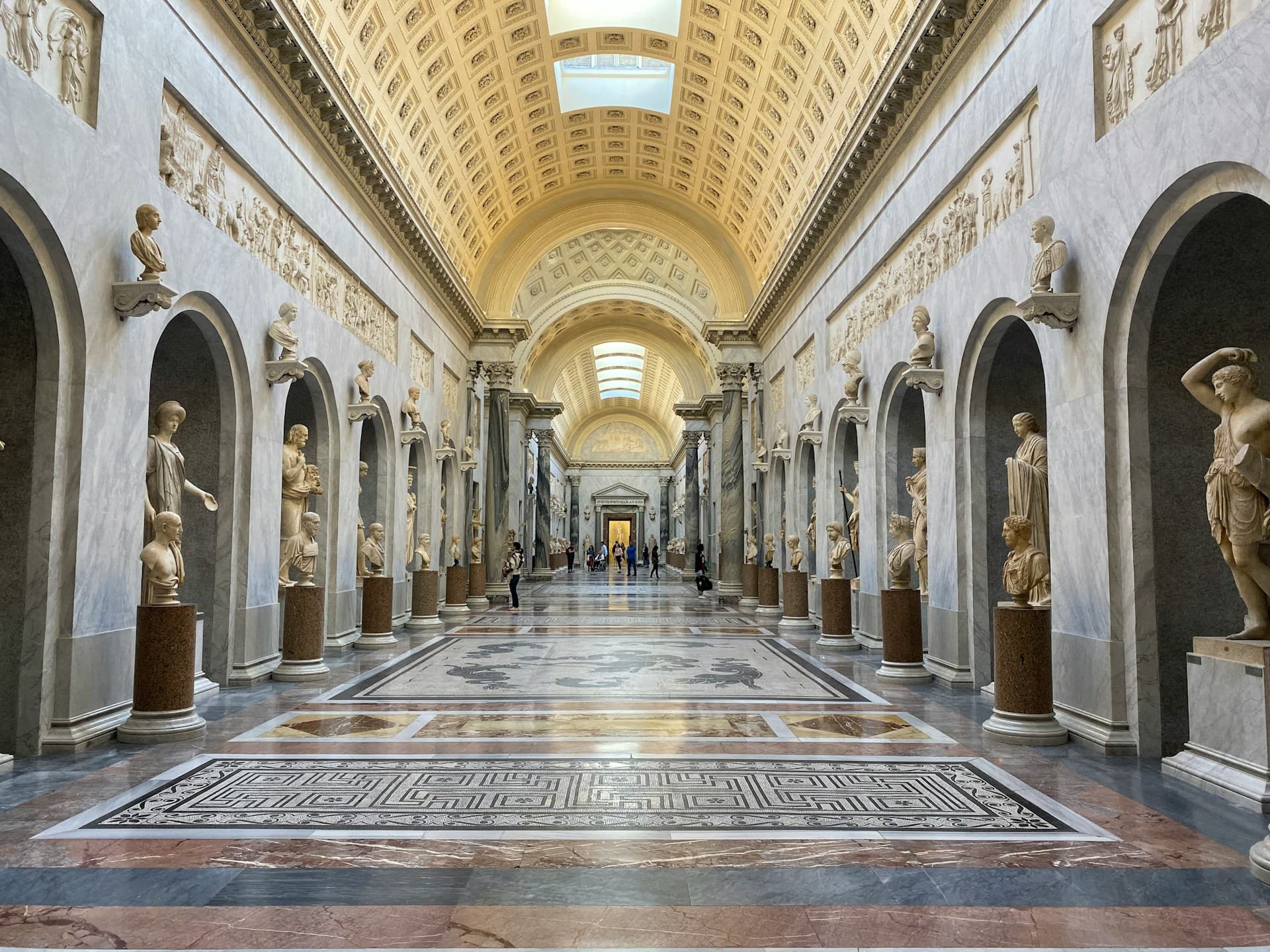
Le complexe abrite plus de 50 galeries. La plupart des visiteurs y consacrent 2 à 3 heures. Essayer de tout voir, c'est ainsi que les gens finissent épuisés au Musée égyptien, sans énergie restante pour Michel-Ange.
L'itinéraire de grande valeur :
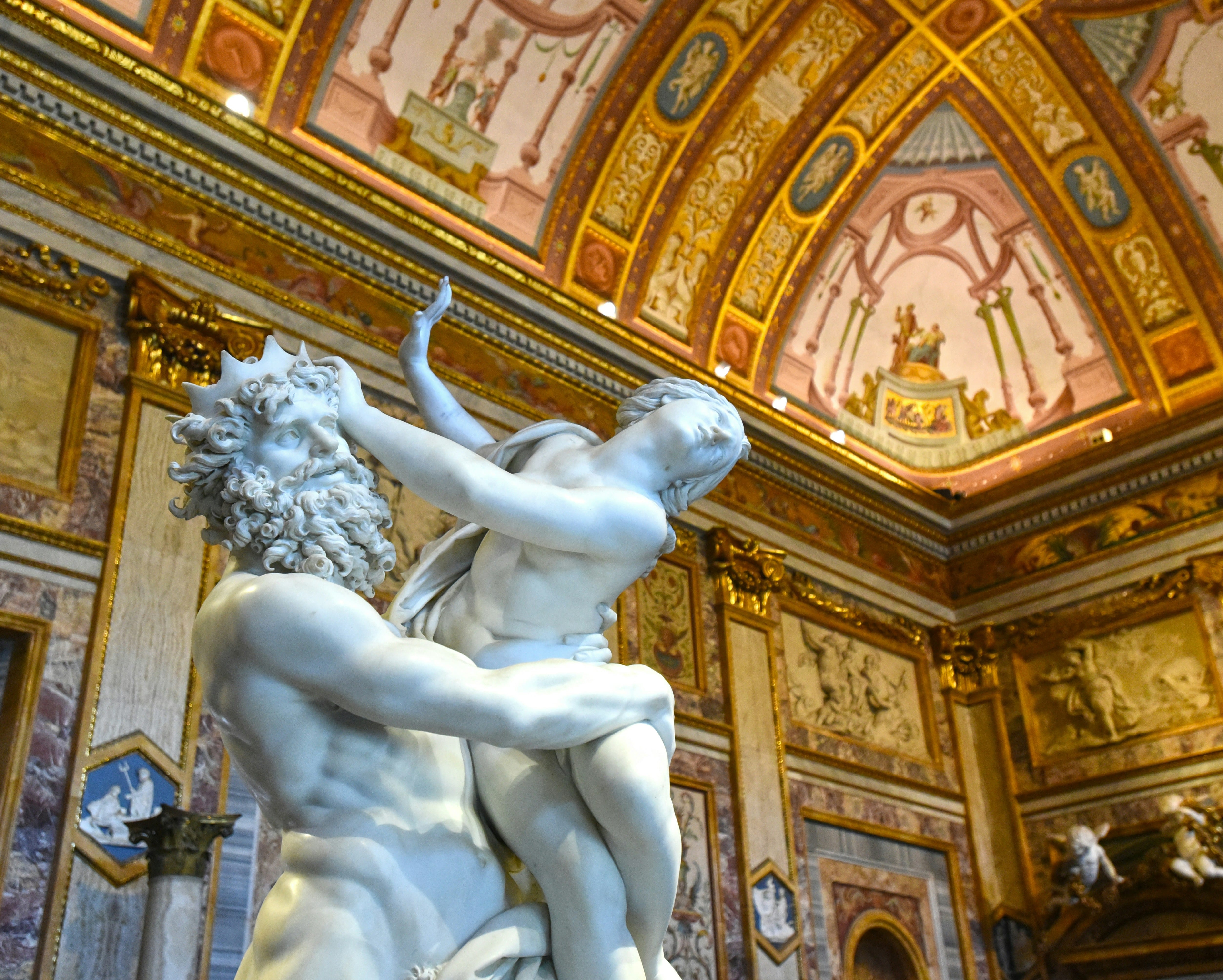
- Musée Pio-Clementino — le Laocoon et l'Apollon du Belvédère, les sculptures qui ont façonné l'art de la Renaissance
- Galerie des Cartes — un couloir de 120 mètres de cartes peintes de l'Italie datant du XVIe siècle, et le couloir le plus photographié du bâtiment
- Chambres de Raphaël — quatre salles dont L'École d'Athènes, et un véritable rival du plafond de la Chapelle Sixtine
- Chapelle Sixtine — le plafond de Michel-Ange, peint entre 1508 et 1512, et Le Jugement dernier sur le mur de l'autel
À éviter lors d'une première visite, sauf si vous avez quatre heures ou plus : le Musée d'Ethnologie, le Pavillon des Carrosses et la majeure partie de la Pinacothèque.
Règles de la Chapelle Sixtine : le silence est de rigueur, et la photographie ainsi que la vidéo sont strictement interdites. Les gardes font respecter ces deux règles. Les chapeaux doivent être retirés à l'intérieur.
Détails pratiques qui vous font gagner du temps
- Comment s'y rendre : Ottaviano–San Pietro sur la ligne A du métro est l'arrêt le plus proche, à environ 10 minutes à pied de l'entrée sur Viale Vaticano. Le tram 19 s'arrête à Piazza Risorgimento.
- Apportez une pièce d'identité avec photo. Elle peut être vérifiée à l'entrée.
- Apportez une bouteille vide. Il y a des fontaines d'eau gratuites dans tout le complexe.
- Accessibilité : les musées sont en grande partie accessibles en fauteuil roulant grâce à des ascenseurs et des rampes, et des fauteuils roulants peuvent être empruntés gratuitement à la consigne.
- Stratégie de sortie : le raccourci de la Chapelle Sixtine à la Basilique Saint-Pierre est réservé aux groupes guidés. Les détenteurs de billets indépendants sortent par l'entrée principale et font le tour des murs — environ 15 minutes.
Ajouter la Basilique Saint-Pierre
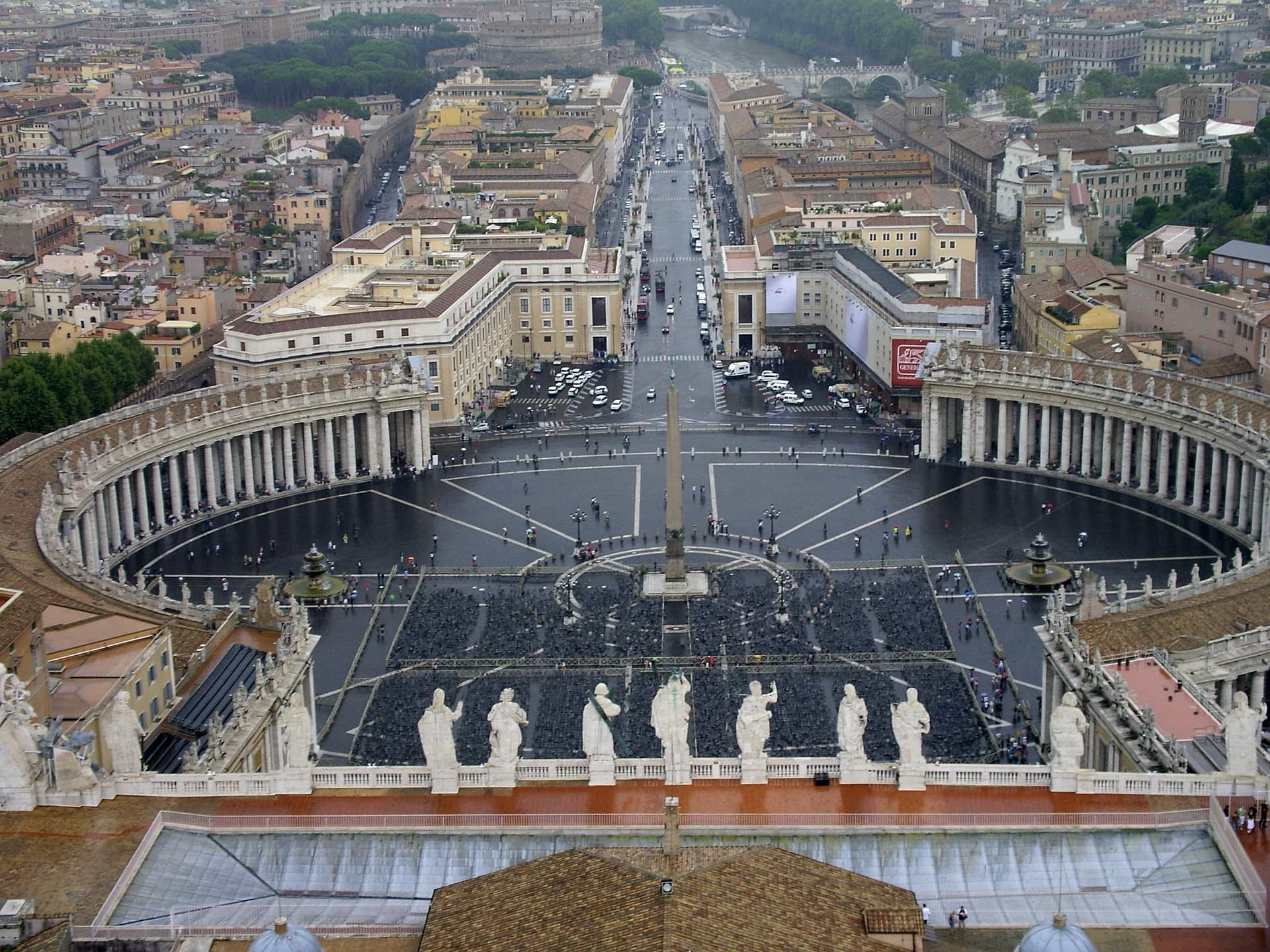
L'entrée dans la basilique est gratuite, mais la file d'attente de sécurité sur la place Saint-Pierre est une longue attente en soi, et l'ascension du dôme est tarifée séparément.
Options qui se marient bien avec un billet pour les musées :
- Billets coupe-file pour la Basilique Saint-Pierre avec audioguide — à partir de 9 €
- Accès au Dôme de la Basilique Saint-Pierre & Guide Audio Numérique — à partir de 22 €
- Visite guidée de la Basilique Saint-Pierre avec guide local expert et dôme — à partir de 25 €
Si vous souhaitez visiter les musées et la basilique en une seule matinée, la visite guidée combinée du Vatican et de Saint-Pierre à 100 € couvre les deux.
Questions fréquemment posées
Combien coûtent les billets pour les Musées du Vatican en 2026?20 € à la billetterie, ou 25 € en ligne via le portail officiel une fois les 5 € de frais de réservation ajoutés. Les billets à tarif réduit sont à 10 €, ou 15 € en ligne. Notre billet coupe-file avec créneau réservé garanti et annulation gratuite est à 65 €.
Les billets pour les Musées du Vatican sont-ils souvent épuisés ?
Oui, surtout de mars à octobre. Les créneaux matinaux officiels disparaissent couramment deux à quatre semaines à l'avance. Les opérateurs accrédités disposent d'allocations séparées, c'est pourquoi nos billets sont souvent disponibles pour des dates que le site officiel affiche comme complètes.
Le billet pour les Musées du Vatican inclut-il la Chapelle Sixtine?Oui. Il n'existe pas de billet séparé pour la Chapelle Sixtine. Chaque billet d'entrée aux Musées du Vatican l'inclut, et l'itinéraire standard s'y termine.
Puis-je acheter des billets sur place ?
Oui, pour 20 €, mais vous devrez faire la queue. En haute saison, cette file d'attente peut facilement durer de deux à trois heures en plein soleil, et la capacité quotidienne peut être atteinte avant la fermeture.
Combien de temps faut-il prévoir pour les Musées du Vatican ?La plupart des visiteurs consacrent 2 à 3 heures à l'itinéraire des points forts. Ajoutez la Pinacothèque et les collections égyptiennes et cela passe à 4 ou 5 heures.
Que se passe-t-il si je manque mon créneau horaire ?
Les billets officiels sont valides pour une fenêtre étroite et les retardataires peuvent se voir refuser l'entrée, sans remboursement. Nos billets incluent une annulation gratuite jusqu'à 24 heures avant, donc un changement de plan ne vous coûte pas le prix fort.
Dois-je réserver mes billets pour les Musées du Vatican à l'avance ?Fortement recommandé. La réservation à l'avance est le seul moyen d'éviter la file d'attente générale, et pendant les mois de pointe, c'est le seul moyen fiable d'entrer.
Réservez votre entrée au Vatican
Une matinée au Vatican se déroule de deux manières. Soit vous entrez à l'heure de votre réservation et passez trois heures avec Michel-Ange, soit vous passez deux de ces heures sur un trottoir devant le mur.
Réservez vos Billets coupe-file pour les Musées du Vatican et la Chapelle Sixtine à 65 € par personne, ou optez pour la visite guidée complète avec la Basilique Saint-Pierre incluse à 100 €. Les deux options incluent une confirmation instantanée et une annulation gratuite jusqu'à 24 heures avant votre visite.
Parcourir tout dans la Cité du Vatican.
Official tickets are valid for a narrow window and latecomers may be refused, with no refund. Our tickets include free cancellation up to 24 hours before, so a change of plan does not cost you the full price.
Do I have to book Vatican Museums tickets in advance?
Strongly recommended. Advance booking is the only way to avoid the general ticket-office queue, and in peak months it is the only reliable way to get in at all.
Book Your Vatican Entry
A Vatican morning goes one of two ways. Either you walk in at your reserved time and spend three hours with Michelangelo, or you spend two of those hours on a pavement outside the wall.
Reserve your Vatican Museums & Sistine Chapel Skip-the-Line Tickets at €65 per person, or take the full guided tour with St. Peter's Basilica included at €100. Both come with instant confirmation and free cancellation up to 24 hours before you go.
Browse everything in Vatican City.
Écrit par
Get Your Roman Tours Team
Nous sommes un tour-opérateur agréé basé à Rome (Get Your Roman Tours S.R.L.S.). Nos guides animent des visites dans ces lieux chaque semaine — tout ce que vous lisez ici vient du terrain, pas de recherches en ligne. À propos · Posez-nous vos questions