Things to Do in Rome: A First-Timer's Guide to the Eternal City
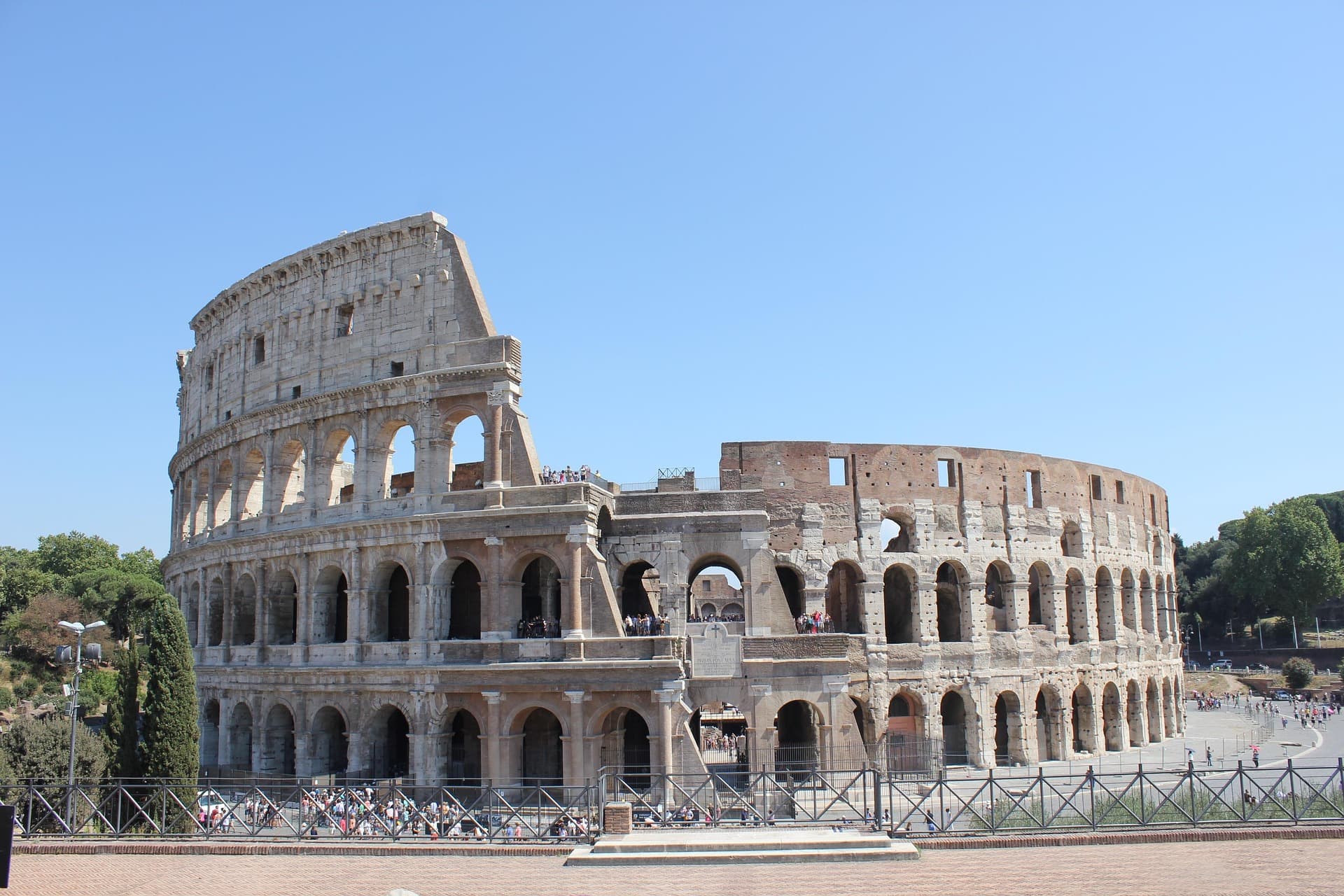
Rome is not a city you 'see' in a day, a weekend, or honestly even a single trip, and trying to cram everything into one visit is the fastest way to end up exhausted and cranky in front of a fountain you can't actually appreciate. The good news is that almost everything people fly to Rome for sits inside three walkable clusters, so a sensible plan beats a long checklist every single time. This guide breaks the city down the way a local would plan it: by neighborhood and by how much time you actually have, not by an endless scroll of 'must-sees' with no order to them.
Before getting into the day-by-day breakdown, it helps to understand the shape of the city. Rome's historic core is genuinely compact, most first-time visitors are surprised at how close together the major sights actually are once they stop relying on a metro map and start walking. The three zones below cover roughly 90% of what brings people to Rome in the first place.
Zone 1: The ancient core, Colosseum, Forum, Palatine Hill
The Colosseum, the Roman Forum, and Palatine Hill sit right next to each other and are sold as a single combined ticket valid for 24 hours. This is the part of Rome that built its reputation as the seat of an empire, and it rewards going early. By 11am the queue for security alone can run 30-45 minutes in summer, and by early afternoon the heat with almost no shade becomes its own challenge.
- Colosseum, Forum, and Palatine Hill, plan 3-4 hours total if you want to actually read the information panels and not just walk through
- Arch of Constantine, directly outside the Colosseum's main exit, free to view, takes about 5 minutes
- Circus Maximus, a short walk south of the Forum, a long green park that's good for a quiet break, a sit-down, or watching locals jog the same path chariots once raced
- Trajan's Column and Trajan's Market, a 10-minute walk north of the Forum, worth a stop if you have an extra half hour
If you only book one skip-the-line ticket for your entire trip, make it the Colosseum, Forum, and Palatine Hill combined ticket. The time saved on security alone, especially in peak season, is worth more than the ticket cost.
Zone 2: The historic center, Pantheon, Trevi, Piazza Navona, Spanish Steps
The Pantheon, Trevi Fountain, Piazza Navona, and the Spanish Steps are all within a 15-20 minute walk of one another. This is the part of Rome people picture when they daydream about it before the trip, narrow medieval streets suddenly opening onto absurdly grand Baroque squares, with very little warning in between. There's no single ticket that covers this zone because most of it (apart from the Pantheon's interior) is free to walk through, which makes it the easiest part of Rome to explore on your own schedule.
A guided walking tour through this exact loop is worth considering if you want the history explained as you go rather than reading plaques on your phone between selfies. It typically covers all four of these landmarks in a single 2-3 hour outing, with a local guide filling in the context that's easy to miss otherwise, why the Pantheon's dome has survived two thousand years, what Bernini was actually depicting in the fountain at Piazza Navona, why people no longer sit on the Spanish Steps.
Zone 3: Vatican City, a full morning, minimum
Vatican City is technically its own sovereign country, and it deserves its own morning at minimum, not a rushed hour squeezed between other plans. St. Peter's Square, St. Peter's Basilica, the Vatican Museums, and the Sistine Chapel are dense with art and history in a way that genuinely punishes rushing, you can walk past Raphael's School of Athens without noticing it if you're focused on getting to Michelangelo's ceiling.
Book timed-entry tickets in advance for both the Basilica dome climb (if you want it) and the Vatican Museums. Walk-up lines for the Museums regularly exceed two hours in peak season, and they get worse, not better, as the day goes on.
The Vatican Museums are closed on Sundays, except the last Sunday of the month, which is free entry and consequently extremely crowded. Check the current calendar before building a tight itinerary around a specific day.
If you have more than three days
- Trastevere for an evening, cobbled streets, no major sights, just genuinely good atmosphere and Rome's best concentration of trattorias
- Villa Borghese for a slower morning, plus the Borghese Gallery if you book the timed-entry tickets ahead (they sell out)
- Castel Sant'Angelo for the river views and a very different angle on the city's layered history, Roman mausoleum, papal fortress, and now a museum
- Janiculum Hill for sunset, away from the bulk of the tour groups
- A day trip, Ostia Antica (a remarkably intact ancient Roman port town, far less crowded than Pompeii) is a popular choice for travelers with a free day
A realistic 3-day split
- Day 1: Colosseum, Roman Forum, Palatine Hill, Circus Maximus, finish with dinner near Monti
- Day 2: Pantheon, Trevi Fountain, Piazza Navona, Spanish Steps in the morning and early afternoon; Trastevere for dinner
- Day 3: Vatican Museums, Sistine Chapel, St. Peter's Basilica, St. Peter's Square, this alone can fill a whole day
Getting around without losing half your day
Central Rome rewards walking far more than it rewards transit. The metro is fast but has only two lines running through the center, and many of the best stretches between sights (the Forum to the Pantheon, the Pantheon to Piazza Navona) are a 10-15 minute walk that's genuinely part of the experience, not a chore to skip. Save taxis or buses for longer hops, like getting to or from the Vatican if your hotel is across town.
-
Book Colosseum and Vatican tickets at least a few days ahead, more in peak season (April-October)
-
Wear comfortable, broken-in shoes, Rome's cobblestones (sampietrini) are not forgiving on a full day of walking
-
Carry a printed or downloaded copy of any e-ticket in case of signal issues at the entrance
-
Bring a light scarf or cover-up for St. Peter's Basilica and the Sistine Chapel, both enforce a dress code
-
Pack more water than you think you'll need, especially May through September
Rome wasn't built in a day, and you're not going to see it in one either.- Old travel advice that's still true
What first-timers tend to get wrong
The single most common mistake isn't picking the wrong sights, it's underestimating how much walking and standing is involved, and overestimating how much you can fit into one day without it turning into a blur. A second common mistake is booking a hotel based purely on price without checking how far it actually sits from the historic center; an hour round-trip on public transport every single day adds up fast across a short trip.
A third, smaller mistake: treating meals as a pit stop rather than part of the day. Roman restaurants generally don't rush you, and lunch can easily run 90 minutes if you let it, which is fine, and arguably one of the better parts of the trip, but it needs to be built into your schedule rather than fought against.
What to skip if you're short on time
If you only have two days, the honest advice is to skip Trastevere as a sightseeing destination (though it's still worth a dinner) and skip Villa Borghese entirely, both are genuinely worth doing, but they're additions for a relaxed trip, not essentials for a first visit. Prioritize the ancient core, the historic center loop, and the Vatican, in that order, and treat anything beyond that as a bonus rather than an obligation.
Food and breaks, building rest into the day
Rome is not a city to power through on an empty stomach and a rushed coffee. A proper Roman breakfast is small (a cornetto and a cappuccino standing at a bar counter) but lunch and dinner are where the city actually shows its character. Build at least one sit-down meal of 60-90 minutes into each day, ideally somewhere you stumbled onto rather than something pre-researched online. Gelato breaks, similarly, aren't optional extras; they're a legitimate way to cool down and recover between sights in the warmer months.
Money-saving and time-saving tips that actually matter
- A combined Colosseum/Forum/Palatine ticket is cheaper and faster than buying separately at each gate
- Many churches, including some genuinely impressive ones, are completely free to enter, Santa Maria in Trastevere and Santa Maria sopra Minerva among them
- Tap water from Rome's public drinking fountains (nasoni) is safe and free, bring a reusable bottle rather than buying water constantly
- Walking between sights instead of taking short taxi hops in the center often saves time, not just money, given Rome's traffic and one-way systems
FAQ
How many days do I need in Rome?
Three full days covers the major sites without rushing through any of them. Five days lets you add Trastevere properly, Villa Borghese, and a generally slower pace with room for a day trip. Anything under two days means picking one zone and accepting you'll miss the rest.
Should I book tickets in advance?
Yes, specifically for the Colosseum and the Vatican. Both routinely sell out same-day entry slots in peak season, and even in shoulder season the walk-up line can cost you an hour or more that a pre-booked, timed ticket avoids entirely.
Is Rome walkable, or do I need to rely on public transport?
The historic center is very walkable, most of the famous sights sit within a roughly 2km radius of each other. You'll want transit mainly for getting to the Vatican from a hotel outside the center, or for longer day trips.
What's the best time of year to visit?
April-May and September-October offer the best balance of good weather and slightly thinner crowds than the peak of summer. July and August are hot, crowded, and the period when many smaller family-run restaurants close for a few weeks of holiday.
Do I need to pre-book restaurants too?
Not usually, except for very popular spots in Trastevere or near the Pantheon on weekend evenings. A short wait or walking two streets further almost always finds something good.
Is Rome a good city for kids?
Yes, with adjustments, the ancient sites can be genuinely engaging for children with a bit of storytelling, but plan for shorter museum stretches, more gelato breaks, and a slower overall pace than you'd set for an adults-only trip.
How much walking should I expect on a typical day?
A full sightseeing day in central Rome commonly adds up to 15,000-20,000 steps once you account for the distances between major sites and the size of places like the Vatican Museums. Comfortable shoes are not a minor detail here.
Seasonal differences worth planning around
Spring in Rome brings the city's parks and gardens to life and tends to offer the most comfortable walking weather of the year, though it also overlaps with school holiday crowds around Easter. Summer is hot (regularly into the mid-30s Celsius by July and August) and this is also when many smaller, family-run restaurants close for a few weeks of ferragosto holiday, so don't assume every favorite spot will be open.
Autumn mirrors spring in terms of comfortable temperatures, with the added benefit of grape and olive harvest season showing up on restaurant menus. Winter is genuinely the quietest time to visit the major sites (shorter queues, lower hotel prices, and a more relaxed pace overall) though some outdoor sites and gardens are less photogenic under grey skies, and a handful of attractions trim their opening hours.
A note on neighborhoods beyond the historic center
Most first-time itineraries never leave the roughly two-kilometer radius covered above, and that's a reasonable choice for a first visit. But Rome has real, lived-in neighborhoods further out, Testaccio for its market and unpretentious trattorias, Monti for a slightly bohemian, less touristy version of the historic center's atmosphere, and the Aventine Hill for one of the city's quietest green spaces. None of these are essential on a first trip, but they're worth knowing about if Rome turns out to be a city you want to come back to.
Choosing between a guided tour and going it alone
There's no universally right answer here, it depends on how you like to travel. A self-guided pace lets you linger exactly as long as you want at whatever catches your interest, skip what doesn't, and build in spontaneous detours. A guided tour trades some of that flexibility for context that's genuinely hard to get otherwise: why a particular ruin matters, what daily life actually looked like in a given period, which details in a fresco or a frieze are worth slowing down for.
A reasonable middle ground that a lot of visitors land on is mixing the two, a guided tour for the ancient core and the Vatican, where the history is dense and easy to miss without context, and self-guided wandering for the historic center and neighborhoods like Trastevere, where getting a little lost is part of the appeal rather than a problem to solve.
Packing and practical prep specific to Rome
-
A scarf, shawl, or light jacket for covering shoulders at religious sites, even in summer
-
A portable phone charger, a full day of maps, photos, and tickets drains batteries fast
-
A crossbody bag or money belt, pickpocketing is a real, if manageable, risk in crowded tourist spots
-
Sunscreen and a hat for the ancient sites, where shade is genuinely scarce
-
A printed copy of your most important bookings as backup for connectivity issues
How weather actually changes the plan, day to day
Rain in Rome tends to come in short, intense bursts rather than settling in for a full grey day, which makes the Vatican Museums, the Capitoline Museums, or a long lunch a sensible default backup plan rather than a written-off day. Heat, by contrast, is the bigger practical obstacle for most visitors, adjusting the day so that the most exposed, shade-free stops (the Forum, Palatine Hill, Circus Maximus) happen in the morning, with the afternoon reserved for indoor sites or a slower pace, makes a real difference in how the day actually feels.
Putting it all together
None of this needs to be complicated. Pick the zone that matches the morning you have, book the tickets that need booking, leave room for a long lunch, and treat the rest as flexible. Rome rewards a loose plan followed at a human pace far more than a tight one followed under pressure, and almost everyone who's done both agrees on which version they enjoyed more.
Ready to put a plan together instead of just a list? Browse our Rome tours and tickets and start with whichever zone matches the time you actually have.
Whichever order you tackle this list in, build in slack time between stops, since Rome rewards unhurried wandering far more than a tightly packed checklist ever will.