Best Time to Visit Rome for St. Peter's Basilica
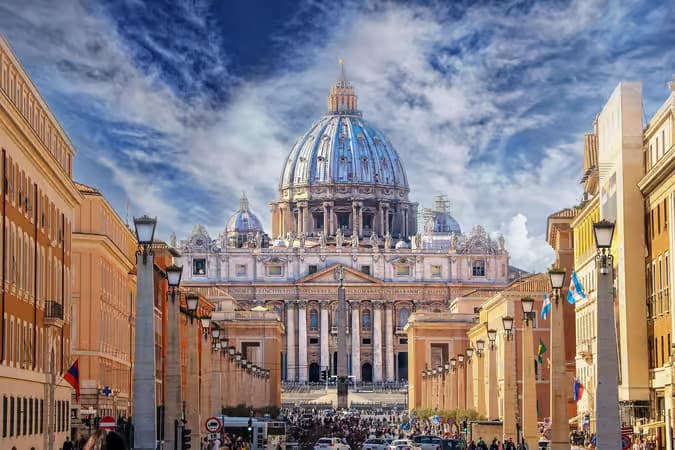
Knowing the best time to visit Rome can be the difference between a transcendent experience and an exhausting one. Nowhere is this truer than at St. Peter's Basilica, where the interplay of light, crowd density, and seasonal energy transforms what you see, feel, and remember. Our St. Peter's Basilica Guided Tour with Papal Catacombs and Dome is available in English, French, and Italian year-round — but not every season hands you the same gift.
The Best Months to Visit Rome
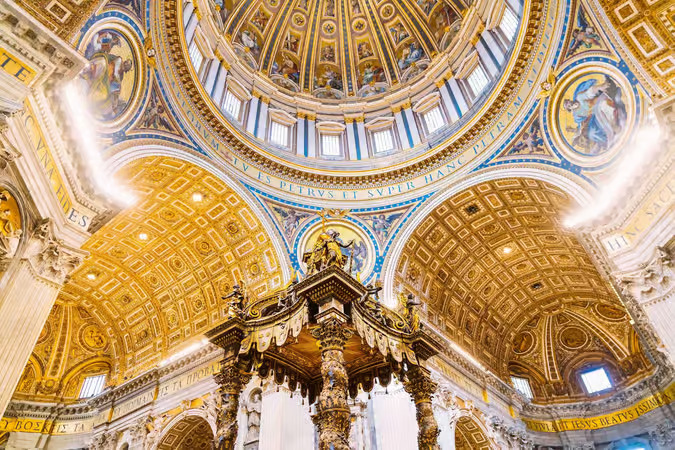
April, May, and October are the undisputed sweet spots. Spring brings Rome to life without the suffocating heat of summer — temperatures hover between 18°C and 24°C, the piazzas feel celebratory, and natural light cascades through the basilica's soaring windows with a warmth that summer's hazy glare simply cannot replicate. When your guide leads you down into the Papal Catacombs during these months, the cool underground air feels genuinely refreshing rather than merely damp. October is arguably the most underrated month of all. Post-summer crowds have dissolved, the Roman light turns amber and cinematic, and the dome climb rewards you with a panorama that photographers dream about — the city draped in soft autumnal haze stretching toward the Colosseum in the distance. November through early February can work beautifully if you embrace the quieter atmosphere; entrance fees are included in the tour, hotel pickup is arranged, and transportation is handled, so there are no logistical headaches even on grey winter mornings. What you gain is an almost meditative access to spaces that, in summer, feel more like a stadium than a sanctuary. January and February in particular let you stand before Michelangelo's Pietà with room to breathe, to linger, to actually absorb what you're looking at. Avoid July and August if heat sensitivity or crowd aversion is a concern. These months push the basilica's visitor numbers to their annual peak, temperatures regularly exceed 35°C, and the dome climb — while always magnificent — becomes physically demanding in ways that can catch travellers off guard. Note that this tour is not suitable for travellers with heart conditions or back problems, and the summer heat compounds those considerations significantly.
Morning vs Afternoon: When the Magic Happens
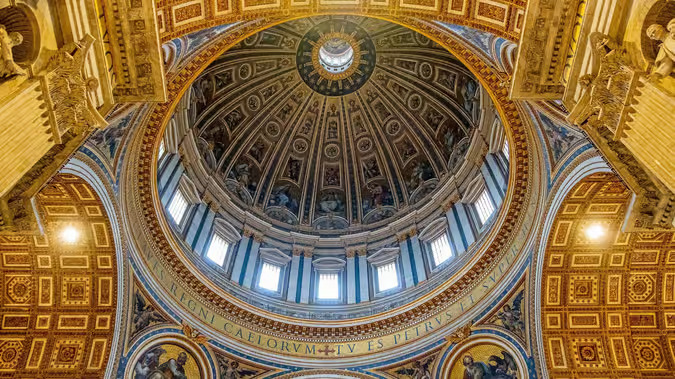
Time of day reshapes St. Peter's Basilica more dramatically than almost any other site in Rome. The early morning — between 8:00 and 10:00 — is when the basilica breathes. Tour groups from cruise ships and large hotels haven't yet arrived, the light enters from the east at a low, piercing angle that illuminates the gilded ceiling mosaics with startling clarity, and your English, French, or Italian-speaking guide can actually hold a conversation at a normal volume without competing with a wall of noise. The Papal Catacombs carry a particular stillness in the morning hours that feels almost devotional. Descending beneath the basilica when the site is quiet connects you to 2,000 years of history in a way that an afternoon visit — with its shuffling queues and ambient crowd noise — rarely achieves. The dome is a different calculation. If you're planning to ascend, late morning between 10:00 and 11:30 offers the best light for photography without the aggressive midday glare that bleaches the surrounding piazza. Afternoon visits from 2:00 PM onward have their own appeal, particularly in spring and autumn when the western sun begins to angle through the basilica's rear windows, casting long dramatic shadows across the marble floors. This is the hour for slower walkers and those who prefer a more relaxed pace — the tour is rated easy in terms of fitness level, and the afternoon rhythm suits that designation well. What to avoid unconditionally: arriving between noon and 2:00 PM on any day from May through September. This is peak saturation — the crowds, the heat, and the flatness of overhead light converge to produce the least rewarding version of this extraordinary site.
What Nobody Tells You About Peak Season
Here is the truth that travel brochures rarely volunteer: peak season at St. Peter's Basilica is not simply busier — it is categorically different in ways that affect every element of your visit. In July and August, the queue to enter the basilica without a pre-arranged tour can exceed two hours in open sun. The dome, which on a clear October morning delivers a 360-degree panorama that makes the climb feel effortless, becomes a physical test in summer heat that should not be underestimated — particularly for those who haven't been advised that there are no cooling facilities partway up. What also goes unmentioned is how peak season affects the Papal Catacombs experience specifically. The underground network beneath St. Peter's maintains a consistent cool temperature regardless of season, but the number of people channelled through its narrow passages in summer creates a very different atmosphere — hurried, hushed only by proximity rather than reverence. Booking a guided tour with hotel pickup and included transportation removes several of the logistical stresses that independent travellers face at peak times: no scrambling for last-minute entry slots, no navigating Roman traffic independently, no uncertainty about which entrance applies to which ticket type. If your travel window falls squarely in summer, early morning departures — before 8:30 AM — are non-negotiable. The light is softer, the site is calmer, and your guide's narration carries across the nave rather than disappearing into ambient noise. Rome in peak season can still be wonderful. St. Peter's in peak season, with the right tour and the right hour, can still stop your breath. But that outcome requires strategy, not luck.
Ready to make your Rome trip unforgettable? Book the St. Peter’s Basilica Guided Tour with Papal Catacombs & Domea today and experience the Eternal City like never before.